Author: SEO Executive

  • What is Contemporary Dance?
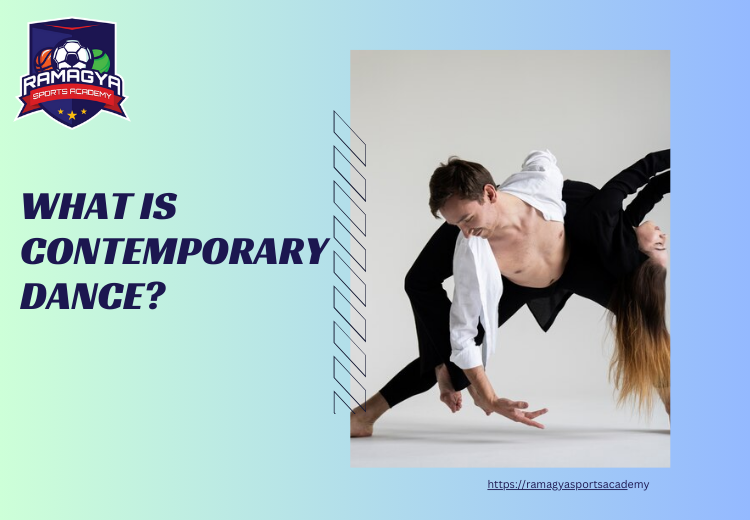
    What is Contemporary Dance?

    What is Contemporary Dance?

    Contemporary dance is a unique form that blends various movements and techniques into an expressive performance, emphasizing emotions and ideas through movement. As opposed to more traditional forms, contemporary dance allows dancers to explore more freely their bodies and the space around them, including ballet, jazz, and modern dance, contemporary dance is highly versatile.

    Contemporary dance is highly adaptable and improvisatory techniques from each of these genres make each performance special and engage the audience while conveying stories and emotions through movement and inviting viewers to interpret and respond to its art as they see fit.

    The Origins of Contemporary Dance

    Contemporary dance first emerged as a movement within dance during the early 20th century as a reaction against more classical forms, specifically ballet. While ballet relied heavily on strict technique, contemporary dance allowed for greater freedom of movement and personal expression through personal expression through dance. Contemporary dance emerged due to pioneering choreographers exploring new ways of moving and telling stories through dance.

    Isadora Duncan was one of the early innovators of contemporary dance. She believed dance should reflect natural body movements rather than rigid poses. She advocated fluidity and grace drawn from nature and everyday life as sources of inspiration. Martha Graham introduced dance as an expressive means to convey emotions and narratives by emphasizing natural body movements to communicate deeper feelings.

    Contemporary Dance Today

    Contemporary dance has never been more prevalent, appearing at theaters, dance festivals and public spaces alike. Dancers trained in various styles bring their unique voices to the art form while choreographers push boundaries by exploring themes, technologies and movement possibilities that open new horizons for choreographers and their dancers alike.

    Dance companies around the world showcase contemporary works, often collaborating with artists from different disciplines, such as theater, music, and visual arts. This interdisciplinary approach enriches the experience for both performers and audiences, creating innovative and thought-provoking performances.

    1. A Fusion of Styles: The Eclectic Tapestry of Contemporary Dance

    Contemporary dance is an exhilarating mix of different forms of movement that include ballet, jazz and modern dance components. This eclectic tapestry creates an exciting, dynamic art that allows dancers to transcend traditional boundaries while exploring new possibilities that come alive through movement. As opposed to classical ballet which can often be rigid in terms of technique and interpretation, contemporary dance is more flexible, celebrating creativity while providing dancers an outlet to demonstrate imagination through varied moves as well as gestures.

    1. The Power of Improvisation: Embracing Spontaneity in Contemporary Dance

    Contemporary dance stands out as being unique because of its emphasis on improvisational techniques. Improvisation accelerates every performance with spontaneity and emotional depth, in stark contrast with choreographed routines of other dance forms. Contemporary dancers frequently participate in improvised patterns which allow them to respond instinctively to music, exploring depth of artistic inclinations while creating an air of uncertainty among audiences with spontaneity of dancers and freedom of expression.

    1. Embodying Narrative Through Movement: The Expressive Potential of Contemporary Dance

    Dance is an effective means of storytelling, enabling dancers to convey stories while stirring emotions through movement. Combining movements, spatial dynamics and theatrical elements with dance performances, contemporary dancers bring abstract concepts and emotional issues alive for viewers through movement – whether it’s the loss of love or reflection on social issues; contemporary dancing allows audiences to engage emotionally in an experience through dance. Dancing in the present can also provide an effective means of conveying human emotion without words to make an emotional statement that resonates.

    1. The Evolution of Contemporary Dance Steps: Innovations and Boundless Creativity

    Contemporary dancers’ step dance repertoire can be identified by its constant evolution as choreographers and dancers search for innovative ways to convey their ideas through dance. Ranging from delicate floor movements to rapid turns and leaps, contemporary dance steps showcase its infinite imagination and creativity inherent in this form of art. Dancers add personal interpretations into every move they perform bringing life and emotion to each performance they deliver.

    Conclusion

    At the conclusion of our lessons in contemporary dance steps, we hope that you have gained an increased awareness of its many artistic qualities. You may be inspired to begin dancing or simply marveled by its beauty. Contemporary dance steps provide us with endless opportunities for expression through art while honoring body language as a form of communication.

    Let the stunning, mesmerizing beauty of contemporary dance inspire your imagination and awaken your senses as you immerse yourself in its dynamic world of expression and enthusiasm!

    Frequently Asked Questions:

    1. Is contemporary dance good for beginners?

    Yes! Contemporary dance is great for beginners. Many dance classes offer lessons for all skill levels, focusing on basic movements and encouraging creativity.

    1. How does contemporary dance promote physical fitness in children?

    Contemporary dance involves various movements that enhance strength, flexibility, coordination, and endurance. Regular participation helps kids stay active and healthy.

    1. Can contemporary dance improve social skills in children?

    Yes! Dance classes encourage collaboration and teamwork, helping kids build friendships and develop important social skills.

    1.  Why is contemporary dance important for kids?

    Contemporary dance is important for kids because it encourages creativity, confidence, and self-expression. It’s a fun way for them to explore their feelings and connect with others through movement.

  • Why is Flexibility Important for Strength as we Age?

    Why is Flexibility Important for Strength as we Age?

    Why is Flexibility Important for Strength as we Age?

    As we age the need to maintain our physical health is becoming more important. One key aspect to staying healthy is being flexible. Many people believe that strength is about lifting weights or performing intense workouts, but flexibility plays an important role in keeping you strong, especially when we get older.

    Being aware of the importance of flexibility will help us in staying active, avoid injuries and enhance the overall quality of life.

    1. Importance of Flexibility for Aging Bodies

    Flexibility refers to the capacity of joints and muscles to move freely through their entire movement. As we get older, our muscles become tighter and joints stiffen. This can make it difficult to complete simple actions like bending backwards or reaching for something or even walking with ease. When our bodies become less flexible it is more prone to suffer from joint pain, muscle strains or even slips.

    By focusing on the importance of flexibility, we can maintain the strength to move easily and freely. Flexibility helps muscles to remain in a relaxed state and reduces the risk of injury. It also helps in maintaining a proper position, important for stability and balance which makes it easier to carry out every day tasks.

    2. Flexibility and Strength: How They Work Together

    A lot of people don’t know how much flexibility is connected to strength. If we don’t have enough flexibility, it is difficult for our muscles to work correctly. When muscles are tight they’re less efficient, which can cause muscle imbalances, and can make certain workouts more demanding. 

    For example, if your hamstrings have tightness, then you might be unable to lift weights, or even walk far distances without discomfort. Concentrating on exercises that improve flexibility for seniors will ensure that the muscles are flexible and strong. This will allow for greater fitness development as muscles are able to move more efficiently when exercising. When you incorporate stretching exercises into your workout routine it helps your body remain active and able to handle diverse physical tasks as you get older.

    3. Benefits of Flexibility Exercises for Seniors

    • Improved Range of Motion: As we get older, our joints and muscles tend to get less flexible. The exercises allow flexibility to keep them in motion and allow you to carry out everyday tasks such as lifting, and bending without stiffness or pain.
    • Prevents Injuries: The muscles that are tighter are more susceptible to injuries. If you include stretching exercises into your daily routine to reduce the chances of strains, sprains as well as muscle tear. This is crucial for those who are more vulnerable to falls or other incidents.
    • Better Posture: Poor posture can cause neck pain, back pain, or even headaches. Exercises to improve flexibility can help improve posture by ensuring your spine’s muscles remain balanced and sturdy.
    • Increased Circulation: Stretching and flexibility exercises increase blood flow to your joints and muscles, which helps in recovery and reduces soreness in the muscles. This is especially beneficial following the training for strength or any other exercise.
    • Reduced Tension and Stress: Exercises for flexibility like gentle stretching or yoga, can calm your mind and decrease tension within the body. This could lead to less muscle tension, better relaxation, and better sleeping.

    4. Top Flexibility Exercises for Seniors

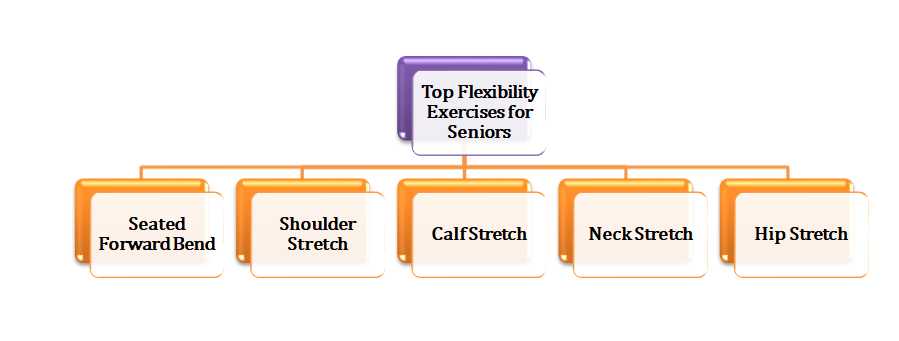
    If you’re looking for ways to improve your flexibility and remain healthy, here are simple exercise routines for seniors that can be performed at the home or in an exercise routine. These exercises are easy and can be adapted according to the level of fitness.

    Top Flexibility Exercises for Seniors
    • Seated Forward Bend: Sit in the chair, with your feet laid flat on the floor. Slowly bend your hips forward by extending your hands towards your feet. Maintain this position for 10 to 15 seconds, and then sit back up. This stretch improves the flexibility of your back & the hamstrings.
    • Shoulder Stretch: Sit or stand upright. Spread an arm in front of your chest. Use the other hand to gently draw the arm closer to your body. Keep it for 10 to 15 seconds, and then switch arms. This stretch helps improve shoulder mobility, and also helps to prevent stiffness.
    • Calf Stretch: Sit in front of a wall and place your arms resting on the wall to provide support. Move one foot backwards while keeping your heel on the floor. Lean forward until you notice the calf muscle. Do this for about 10 seconds before switching legs. This is a great stretch to increase the flexibility of your lower legs.
    • Neck Stretch: Sit or stand tall. Slowly move your head towards one side, and bring your ear to your shoulder. For 10-15 seconds, and then switch sides. This stretch relieves tension in the shoulders and neck.
    • Hip Stretch: Place yourself in a chair and cross one leg over the other knee. Then, gently press on the knee you crossed while leaning forward a bit. Keep it for about 10 minutes and then switch the legs. This stretch can help improve hip flexibility which is necessary for balance and walking.

    5. Integrating Flexibility Exercises into the Daily Routine

    It’s crucial to make stretching exercises a regular element of your exercise routine. For those who are older it doesn’t need to be a time-consuming exercise. A couple of minutes of stretching everyday can create a huge change. When you are doing exercises for flexibility for seniors, it’s important to do it slowly and with care. Be careful not to push yourself too hard in order to avoid causing injuries. Instead, concentrate on a steady pace and pay attention to the signals of your body.

    Conclusion

    It is vital to be flexible and can’t be overemphasized, particularly when we get older. Being flexible can improve balance, strength and general mobility. When you incorporate flexibility exercises for seniors in the routine, you will lower the chance of injury and maintain a healthy posture and enjoy living an active life. 

    Flexibility and strength go hand in hand and make it much easier to complete daily tasks and stay independent as you age. Start today and you’ll soon see the benefits of incorporating flexibility exercises into your life.

  • How can I Stay Fit at Home Without Equipment? Easy Workouts to Try! 

    How can I Stay Fit at Home Without Equipment? Easy Workouts to Try! 

    How can I Stay Fit at Home Without Equipment? Easy Workouts to Try! 

    Being fit doesn’t have to mean attending a gym or investing in expensive equipment. It is possible to keep in shape by doing simple exercises that do not require any particular equipment. A full-body workout that doesn’t require equipment is as effective as exercising in the gym
    In this blog, we’ll discuss some simple exercises at home that you could attempt and teach you how to keep fit using exercises that don’t require equipment.

    Why a No Equipment Workout is Great for You

    A no equipment workout offers many benefits. You can exercise whenever you want without having to purchase and store equipment. It’s ideal for those who do not want to visit the gym or are in a hurry. The full-body exercise with no equipment routine lets you work out all the major muscle groups with just your own weight. This makes it simple to do your own workout at home and it is efficient in helping you improve your strength, burn off fat and increase flexibility.

    Full Body Workout No Equipment: A Simple Guide

    A full-body workout that doesn’t require equipment is when you’ll use your body for resistance in the exercises. The great thing is, these exercises target a variety of muscles, providing an even workout. Here’s how to get started with a no equipment workout at home:

    1. Squats

    Squats are an easy exercise at home that works your legs, glutes, and core. Start by standing with your feet about shoulder width apart then lower yourself as if you were sitting down in your chair. Keep your spine straight. Then, rise up. Repeat for 10-15 reps. This full-body workout with no equipment moves improves your lower body strength and can help improve your balance.

    2. Push-ups

    Push-ups are an all-time classic no equipment exercise which targets your chest, shoulders, triceps, as well as your core. Begin in a plank position and place your hands spread out shoulder-width apart. Reduce your weight until the chest is level with the floor, and then push yourself up. If you find this difficult then you can alter the exercise by performing push-ups with your knees. Do 10-12 repetitions.

    3. Lunges

    Lunges are a good exercise that will work your legs and your core. Standing up begins by taking one step forward, then bring your body down until your knees are bent to 90-degree angles. Return to your starting position then switch your legs. Lunges are a great exercise for the whole body, no equipment required that increases strength and flexibility. Try to do 10 reps per leg.

    4. Plank

    The plank is an incredible fitness exercise that does not require equipment to strengthen your shoulders, back and arms. For a plank, begin by putting your body in a position of push-ups but keep your body straight all the way from toe to head and not moving. Make sure your abs are tight and keep your body in a straight line for 20-30 seconds minimum. This easy exercise at home helps strengthen your core and improve your posture.

    5. Glute Bridges

    Glute bridges are great to target your glutes, lower back and the hamstrings. Lay on your back, and bend your knees, and your feet firmly to the ground. Your hips should be lifted towards the ceiling, pressing your glutes on the highest point, then lower back to. This full-body exercise that requires no equipment is ideal to strengthen the lower part of your body. Do 12 to 15 repetitions.

    Benefits of a Full Body Workout No Equipment Routine

    A workout that does not require equipment is not just practical but also has a host of advantages. Here are a few of the reasons to try it:

    • Saves time: There is no need to go for a gym visit or set up any equipment. You can start anytime and from anywhere.
    • Cost-effective: There is no need to buy expensive equipment or gear.
    • Effective: A full-body exercise that doesn’t require equipment will strengthen muscles, increase endurance, and reduce calories.
    • Customizable: You can pick exercises that are suitable for your fitness level and objectives which makes it simple to maintain.

    Staying Motivated with No Equipment Workouts

    It’s easy for people to get lost in the moment or lose focus while working at home, but here are some suggestions to keep you focused:

    • Set a timer: Select specific times during the day when you can do your workout without equipment. Following a plan makes it much easier to keep your commitment.
    • Track your Progress: Note down your workouts and record the number of reps you’re performing or the length you can hold in a plank. This will allow you to see the progress you’ve made as time passes.
    • Finding a Workout Buddy: Exercise with a loved one or a family member can help you stay active and make the exercise more enjoyable.

    Conclusion

    Maintaining your fitness at home without equipment is achievable by following this full body workout no equipment. Through simple exercises that you can do at home such as squats, lunges, push-ups, and planks, you can achieve an effective workout routine. The no equipment workout will be incorporated into your routine as it is cost-effective and will work all major muscles of your body. 
    Try it and you’ll discover how simple it is to keep in shape with a full body exercise routine that requires no equipment!

  • Why is Walking Essential for Your Health? Exploring Key Benefits 

    Why is Walking Essential for Your Health? Exploring Key Benefits 

    Why is Walking Essential for Your Health? Exploring Key Benefits 

    Walking is a basic but effective way to boost your overall health. It does not require any equipment, and it can be done by anyone of any age. The benefits of walking range from improving physical fitness as well as improving mental wellbeing. 
    In this blog, we’ll look at the most important health benefits of walking, the benefits of morning walk and address the common question of how many steps should you walk in order to lose weight?

    The Health Benefits of Walking

    Walking can provide a many health benefits that can help improve overall health:

    The Health Benefits of Walking
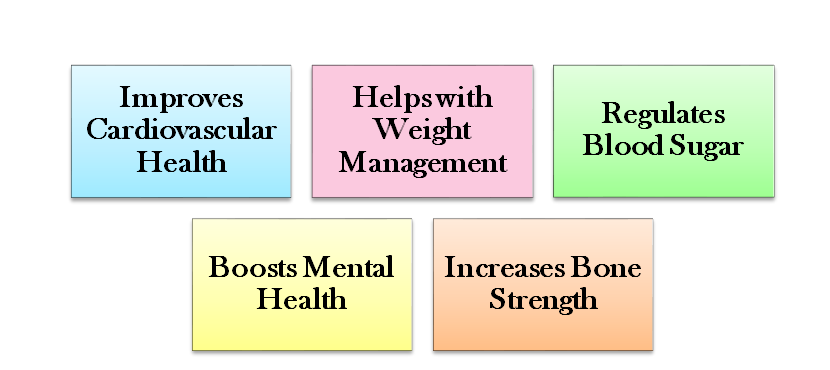
    • Improves Cardiovascular Health

    Walking can strengthen your heart health, increase circulation, and decrease blood pressure. This lowers the chance of developing heart attack, various diseases and makes it among the most effective low-impact exercises to improve heart health.

    • Helps with Weight Management

    Regularly walking helps to burn calories and help keep an appropriate weight. If you take a strenuous stroll or a slower one, you’ll boost the metabolism of your body, and this assists in losing fat.

    • Regulates Blood Sugar

    For those at risk of developing the disease, walking, especially after meals, can regulate blood sugar levels and increase insulin sensitivity, decreasing the risk of developing type 2 diabetes.

    • Boosts Mental Health

    One of the most important health advantages of walking is the ability to ease anxiety, stress, and depression. Walking releases endorphins which are “feel-good” hormones that boost your mood and help you feel better.

    • Increases Bone Strength

    Walking is a weight-bearing activity which means it builds your muscles and bones. Regular exercise can prevent osteoporosis as well as increase the overall density of your bones, especially when you get older.

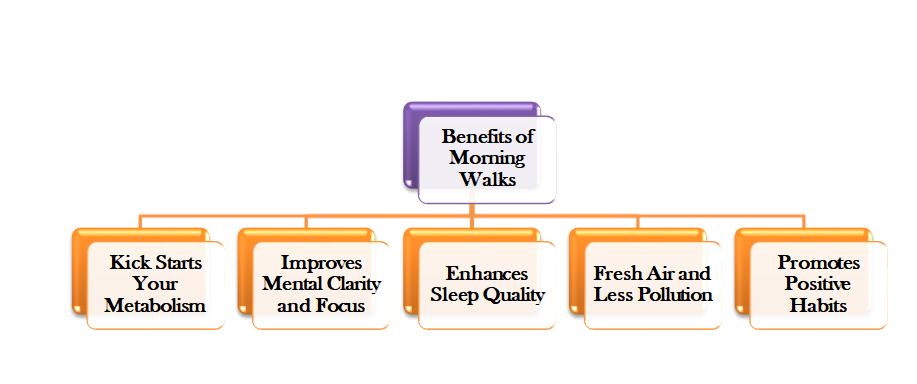
    Benefits of Morning Walks

    While walking can be beneficial anytime but the benefits that morning walkers reap could provide you with a better start to the day:

    Benefits of Morning Walks
    • Kick Starts Your Metabolism

    A walk before work can kickstart your metabolism, which will help you to burn off more energy throughout your day. It’s a fantastic way to get your body moving without consuming caffeine.

    • Improves Mental Clarity and Focus

    Walking in the morning boosts the flow of blood to the brain, which improves mental focus and clarity. This can lead to increased productivity as well as better decision-making throughout the day.

    • Enhances Sleep Quality

    The natural light that you get from the morning walks can help control your circadian rhythm, enhancing the quality of your sleep. Morning walks can help to fall asleep quicker and sleep better at night.

    • Fresh Air and Less Pollution

    One of the most often ignored benefits of morning walks is the fact that morning walks generally have cleaner air with less pollutants. This makes walking pleasant and more beneficial to your respiratory system.

    • Promotes Positive Habits

    A morning stroll can encourage healthy decisions throughout your day. It’s more likely that you’ll be mindful about the food you consume and what you do with your time following having a relaxing walk in the morning.

    How Many Steps to Walk to Lose Weight?

    One of the most frequent questions people ask is how many steps to walk to lose weight? While the answer will vary dependent on the individual circumstances the general rule is:

    • Aim for 10,000 Steps a Day

    A daily walk of 10,000 steps is usually recommended to lose weight. On an average, this number will burn between 300 and 500 calories, based on your fitness level and weight. Regularly walking at this speed will help you shed those extra weight.

    • Calorie Burn

    The number of steps required to lose weight varies based on factors like eating habits, the intensity of your walks and weight. For the majority of people, 10,000 steps will burn enough calories to lose weight slowly.

    • Gradual Progress

    If you’re just beginning, begin with a goal of 5,000 to 7,000 steps. Gradually increase the number of steps as time. This allows your body to adjust and avoid injuries.

    • Add Intensity

    To shed weight more quickly increase how hard you walk. This may mean going uphill, including small bursts of speed or even incorporating strength-training exercises like lunges and squats on your walking.

    • Track Your Steps

    Utilizing a fitness tracker or pedometer can assist you in tracking how many steps you walk every day. It keeps you motivated and helps you meet your daily goal of walking for weight loss.

    Conclusion

    Walking is a highly efficient way to improve your mental and physical health. The health benefits of walking is an improved heart health, greater wellbeing in the mind, weight management and healthier bones. The benefits of walking in the morning take it a step further by boosting your metabolism, increasing your mental acuity, and aiding you in sleeping better. 

    No matter if you’re walking in the morning or any other time during the day the main question is: how many steps to walk to lose weight? The goal of 10,000 steps per day is an ideal goal and increasing the intensity of your walking can also help your efforts to lose weight. 

    So, put on those walking boots and begin enjoying the numerous benefits walking offers!

    Read More: 10 Tips for Stay Fit and Healthy

    Frequently Asked Questions

    1. Can we control diabetes by walking?

    Walking improves the sensitivity to insulin and decreases the levels of blood sugar, which makes it beneficial in managing diabetes.

    1. Does walking reduce blood pressure?

    Walking regularly can reduce blood pressure, and also improve the overall health of your heart.

    1. Can walking help in losing weight?

    Walking regularly can help to burn calories and help with weight loss when it is combined with a balanced diet.

    1. Can walking improve digestion?

    Yes, walking is a great way to improve digestion and ease issues such as constipation and bloating.

    1. How can walking improve joint health?

    Regular exercise helps keep joint health in check and lower the risk of developing joint pain and arthritis.

  • What Are the Basic Rules of Badminton? Badminton Rules for Beginners

    What Are the Basic Rules of Badminton? Badminton Rules for Beginners

    What Are the Basic Rules of Badminton? Badminton Rules for Beginners

    Badminton is a fun and energetic sport that can be enjoyed by people of all ages. Whether you’re playing casually with friends or looking to improve your skills through badminton training, understanding the basic badminton rules is essential. 

    In this blog, we’ll cover the fundamental badminton rules for beginners and help you get started on the right foot.

    1. Court and Equipment

    Before you dive into the badminton rules, it’s crucial to be aware of the court as well as the equipment required to play. Badminton is played in singles (one player per team) and doubles (two teams of two players each). Here’s the information you should be aware of:

    • Court: The court for badminton training is rectangular and divided by an edging at the center. Singles’ courts are 13.4 meters in length as well as 5.18 meters in width. Doubles have a court’s width raised by 6.1 meters. 6.1 meters.
    • Net: The net is placed at an altitude of 1.55 meters near the edge along the edges and 1.524 meters at the middle.
    • Racket: A light badminton racket is used to smash the shuttlecock.
    • Shuttlecock: A shuttlecock is the object that is thrown back and forward. It’s typically composed of feathers or plastic.

    2. Serving Rules

    A major and essential aspect of a good training program for badminton is learning how to serve. When playing badminton the game begins with a serve. There are rules specific to badminton concerning how this is done.

    • Serve below the Waist: The server must strike the shuttlecock at a height below waist and the racket needs to make contact downwards after making contact.
    • Diagonal Serve: The serve must be through the court diagonally before reaching your opponent’s service box.
    • Foot position: Both the receiver and server should keep their feet down until their shuttlecock has been hit.
    • Singles and Doubles Serving Rules: For singles, the serving area has to fit within the narrow and lengthy service area. In doubles, it has to fit within the wider, but smaller service area.

    3. Scoring System

    Learning what it takes to earn points is essential to understanding the game. The rules for scoring are easy and simple.

    • Rally Scoring: Modern badminton training uses the rally scoring system and points are given to the winner of any rally in spite of the person who played.
    • Winning a Game: The game is played with 21 points. In order to win a game players or teams must hold at least an advantage of two points. If the score is 20-20, the game continues until one team is ahead by two points or more, to the maximum of 30 points.
    • Match Format: A match typically consists of 3 games. The first team or player to win two games takes the match.

    4. Faults in Badminton

    It is vital to avoid making mistakes when it comes to training for Badminton because committing a mistake could cause a point for the opponent. Here are some of the most common mistakes to be aware of:

    • Serving Fault: If the shuttlecock gets hit over the waist or the serve isn’t placed in the right service zone there is a problem.
    • Out of Bounds: If the shuttlecock is thrown outside of the boundary lines it’s considered to be out of bounds. The opposing team or player receives the point.
    • Net Contact: Players are not permitted to touch the net using their body or racket during an event.
    • Double Hit: Shuttlecocks can only be struck once per side in the course of a rally. Doing it more than once is considered to be a blunder.

    5. In and Out

    One of the fundamental rules to be aware of is to know what’s “in” and “out.” The lines that indicate the boundaries of the court are an integral part of the playing space. If the shuttlecock falls on any of these lines the court is considered to be in. During rallies, players have to ensure that the shuttlecock stays within these limits to keep from losing points.

    • Singles Boundaries: When playing singles, boundary lines are a bit narrower. The border line in the back is utilized to serve rallies and serves.
    • Doubles Boundaries: When playing doubles, sides are longer, while the boundary to back is smaller to allow serving. When the rally starts the border line in the back is utilized.

    6. Let

    A “let” is a situation where the rally is stopped and replayed without any change in the score. According to badminton rules, a let is called under specific circumstances:

    • Interference: If there’s an external disturbance during the event for example, a person entering the court.
    • Shuttlecock Catches on the Net: If the shuttlecock becomes stuck in the net or within the web during service and stays there.

    7. Basic Strategy and Tips

    In addition to knowing the rules of Badminton, acquiring basic strategies can enhance your game. No matter if you’re playing just for fun or trying to improve your skills at it, these strategies can be helpful:

    • Footwork: Good footwork is essential in badminton. Make sure you are moving swiftly and effectively across the court until you are able to reach the shuttlecock.
    • Shot Variety: Mix up your shots by using drops, smashes as well as clears, to keep the opponent on their toes.
    • Positioning: In doubles, you must communicate with your partner so that you can maintain an appropriate position and to cover the court effectively.

    Conclusion: Master the Basic Badminton Rules for a Fun and Competitive Game

    Once you’ve mastered the basics of badminton rules you’ll be able play the game with greater confidence. If you’re just beginning your badminton lessons or hoping to enhance your abilities, learning the rules is crucial for advancing your game. 

    Make sure you practice footwork, serving, and ensuring you’re in good technique to avoid mistakes and improve your odds of winning. With these guidelines and tips you’ll be well in the process of learning the art of badminton and having fun throughout the process!

  • What Are the Biggest Fitness Mistakes You Should Avoid?

    What Are the Biggest Fitness Mistakes You Should Avoid?

    What Are the Biggest Fitness Mistakes You Should Avoid?

    If you’re just beginning an exercise routine it’s not difficult to make a mistake that could slow progress, or even cause injuries. Knowing the fitness mistakes to avoid will help you in staying on the right track, reach your goals quicker and be more secure in this process. Whether you are just beginning your journey or who has been exercising for some time, knowing the common mistakes that can be made could make a huge distinction.

    Top 8 Fitness Tips and Gym Mistakes

    Here are some fitness tips and gym mistakes you must avoid to get the most out of your workouts.

    1. Skipping the Warm-Up

    The most common fitness mistake to avoid is to not warm up properly. Jumping straight into a workout without warming up may increase the chance of an injury. Warming up helps in gradually increasing your heart rate, relaxing your muscles as well as preparing you for more intense activities.

    Fitness tips to remember:

    • Aim to spend 5-10 minutes of moderate cardio, such as cycling or walking before you begin your exercise.
    • Include dynamic stretching to increase flexibility and decrease the chance of muscle strains.

    2. Lifting Too Much Weight Too Soon

    Another mistake that is common is to attempt to lift more weight than your body is able to manage, especially if you are new to strength training. This can result in poor posture and increase the likelihood of injuries. It’s important to gradually increase the amount of weight you lift while your strength increases.

    Fitness tips to remember:

    • Start by using light weights and concentrate on improving your form.
    • You should increase the weight only if you are able to perform the exercise in a good way to the recommended number of repetitions.
    • Be aware of your body and try not to push yourself too hard or too quickly.

    3. Not Having a Clear Workout Plan

    A workout without a strategy is one of the biggest fitness mistakes to avoid. Without a plan, you may not be targeting the proper muscles or keeping your cardio and strength training in check efficiently. This can result in frustrating and slow progress.

    Fitness tips to remember:

    • Set a specific purpose in mind, whether it’s losing weight, building muscle or enhancing endurance.
    • Create a balanced exercise schedule that incorporates cardiovascular, strength training, and stretching exercises.
    • Follow the plan and keep track of your progress and make adjustments as necessary.

    4. Overtraining and Not Giving Enough Time to Rest

    The practice of overtraining can be a huge mistake that many fitness athletes commit. While it’s good to keep going to work out regularly, doing so while not giving your body time to recover could lead to exhaustion, muscle fatigue or even injury.

    Fitness tips to remember:

    • Be sure to get at least two or three rest days per week to let your muscles recover.
    • Incorporate active exercises, such as yoga or light stretching to help keep your body in motion without overworking it.
    • Sleep enough as it plays a vital role in the recovery of muscles and overall fitness.

    5. Ignoring Proper Form

    Form is crucial for getting the most benefit of your workout as well as avoiding injuries. One of the most frequent gym mistakes to avoid is exercising with poor form, which could cause strain on joints and muscles.

    Fitness tips to remember:

    • Take time to understand the proper procedure for each exercise before increasing the intensity. This is one of the gym mistakes you must avoid.
    • If you’re not sure about your style you might want to consult an instructor, or look up instructional videos that are sourced from trustworthy sources.
    • Prioritize quality over quantity. Doing fewer repetitions using the correct form is better than performing more reps in the wrong way.

    6. Not Staying Consistent

    A frequent fitness mistake to avoid is inconsistentness. Many people begin their fitness regimen with great enthusiasm, only to later lose motivation or even skip exercises frequently. This inconsistency will stop you from seeing outcomes and make it more difficult to stick to a plan.

    Fitness tips to remember:

    • Set realistic and attainable fitness goals to keep you focused.
    • Set up a fitness routine that is a good fit for your lifestyle and adhere to the plan.
    • Celebrate little successes to be encouraged and increase your speed.

    7. Neglecting Nutrition

    The mere exercise isn’t enough to reach those fitness targets. Ignoring the importance of nutrition is among the most frequently omitted fitness errors to avoid. Your body requires the right nutrients for optimal performance and recovery following workouts.

    Fitness tips to remember:

    • Don’t skip on meals, particularly prior to or after your workout. Your body requires energy to function as well and recuperate.
    • Concentrate on eating a balanced diet, which contains protein, healthy fats and carbohydrates to help support an increase in energy levels and muscle growth.
    • Keep hydrated and drink plenty of fluids all day long, preferably prior to, during exercising, and afterwards.

    8. Comparing Yourself to Others

    There is a tendency to be caught in the trap of the way you’re progressing compared to other people particularly in the fitness center. Everyone’s body is unique, so what is effective for one person could not work on your body. This is one of the common fitness mistakes to avoid because it can cause anger and discouragement.

    Fitness tips to remember:

    • Become focused on your own development and set goals for yourself.
    • Celebrate your achievements regardless of how small it may seem. Remember the importance of fitness as a private journey.
    • Don’t compare yourself with others on social media, since most people only post their achievements but not their struggles.

    Conclusion: Fitness Mistakes to Avoid for Better Results

    Avoiding these common fitness mistakes can help you get maximum benefit from your exercises and keep you on the right track to reach what you want to achieve. By focusing on correct fitness, consistency, nutrition, and allowing your body time to heal to increase your fitness levels and avoid the setbacks. 

    Keep these fitness tips in mind, and remember that being patient and dedicated is the most important factor for long-lasting success. With time and commitment, you’ll be able to be able to see the results you’ve been working towards.

  • How Does Lack of Exercise Impact Your Immune System? 

    How Does Lack of Exercise Impact Your Immune System? 

    How Does Lack of Exercise Impact Your Immune System? 

    How Does Lack of Exercise Impact Your Immune System? 

    Exercise is important for maintaining general health because it immediately strengthens your immune system. In addition to weakening your body, a lack of exercise can seriously affect your immunity, making it more difficult for your body to fight off illnesses and infections. We will explore how a lack of exercise impacts on immune health in this blog post as well as provide some helpful strategies and tips to boost it and enhance wellbeing.

    Lack of Exercise weakens immunity

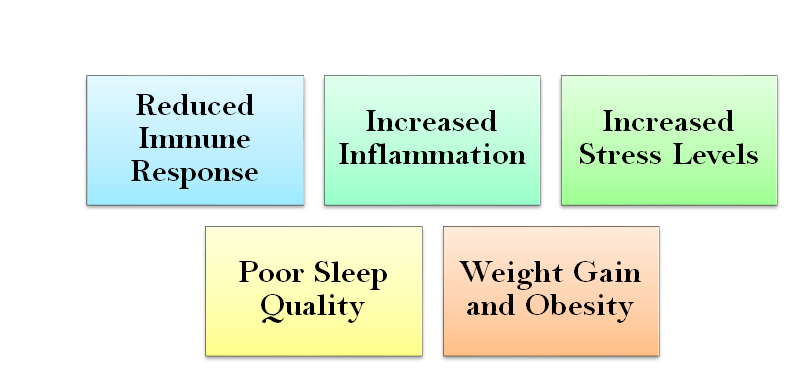
    As your body’s line of defense, your immune system fights off germs, viruses, and other threats to your health. However, insufficient exercise can weaken this defense mechanism and disrupt general health; this results in a number of alterations, such as:

    Lack of Exercise weakens immunity

    1. Reduced Immune Response: Lack of exercise leads to decreased circulation of immune cells that normally circulate throughout your bloodstream in order to detect and destroy harmful invaders, but without regular physical activity this response becomes slower and less efficient.

    2. Increased Inflammation: Exercise can help the body control inflammation more effectively and without it can lead to chronic diseases like diabetes, heart disease and even cancer – not to mention its negative impact on weakening your immune system over time.

    3. Increased Stress Levels: Lack of exercise can increase both anxiety and stress. High stress levels have been directly tied to weakening immunity as long-acting cortisol remains elevated for long enough periods to suppress immune responses, making it harder for your body to fight infections.

    4. Poor Sleep Quality: Exercise has long been proven to improve sleep quality; conversely, lack of physical activity often results in poor quality rest which in turn compromises one’s immune system and leads to reduced immunity. Restful slumber allows your body to repair itself; when that doesn’t happen enough, immune defenses become compromised and immunity takes a hit.

    5. Weight Gain and Obesity: Lack of exercise often leads to weight gain, with obesity having an immediate detrimental impact on our immune systems. Fat cells release pro-inflammatory chemicals which compromise defense mechanisms. Furthermore, obesity increases the risk of chronic illnesses that further stress out our immune systems.

    Long-Term Results of Not Exercising

    Lack of exercise can have major effects on the immune system over time. Less exercise increases the risk of infection and illness. If you are less active, you are  likely to get sick more often and recover from infections less quickly. If you have a lack of exercise, you may even be more open to diseases or cancer as your body’s defenses weaken with age.

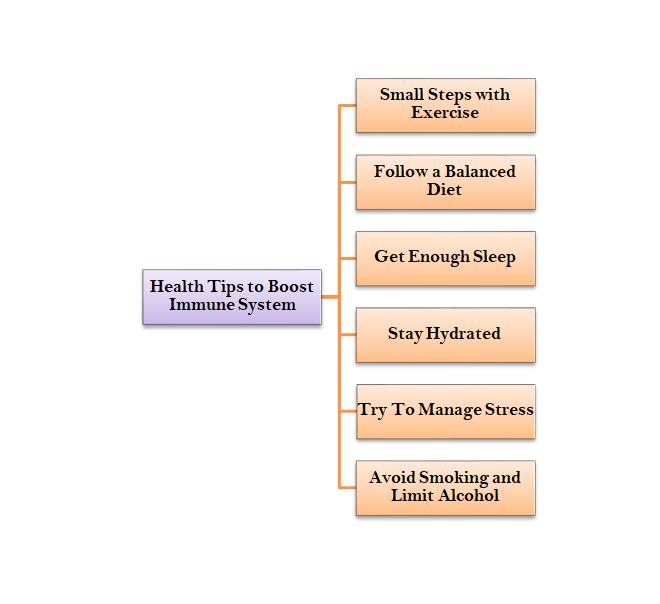
    Health Tips to Boost Immune System

    Now is never too late to begin taking care of your immune system! Implementing some healthy habits into your daily routine can significantly boost it and keep you healthy – here are some health tips that may help:

    1. Small Steps with Exercise: Even if you haven’t been exercising regularly, starting small can still help get the body moving and strengthen immune systems. Aim for at least 30 minutes of moderate physical activity at least 5 times each week like walking, cycling, swimming or dancing as part of your routine to strengthen both yourself and the immune system.

    2. Follow a Balanced Diet: Diet can play an essential part in supporting your immune system. Including plenty of fruits, vegetables, whole grains and lean proteins into your diet provides essential vitamins and minerals necessary for immune support; including Vitamin C, D3 and Zinc as particularly vital elements to enhance the functioning of your system. It is one of the best health tips to boost immune system.

    3. Get Enough Sleep: Proper rest is crucial to building and maintaining a strong immune system. Aim for at least 7-9 hours of quality rest each night. If you’re having difficulty sleeping, create a relaxing bedtime ritual, limit screen time before sleeping and make sure your sleeping environment is conducive.

    4. Stay Hydrated: Consuming enough water helps your body remain healthy and maintain an effective immune system by keeping cells functioning optimally. Aim for at least 8 glasses daily of fluid intake if physically active; more should be consumed if you exercise more intensely.

    5. Try To Manage Stress: Chronic stress can severely compromise your immune system, so practicing relaxation techniques like deep breathing, meditation or yoga to lower stress levels and keep your immune system functioning efficiently is key for maintaining its effectiveness.

    6. Avoid Smoking and Limit Alcohol: Smoking and excessive alcohol intake both have bad effects on immune health, so cutting back or quitting altogether could have a great positive effect on overall wellbeing and defense mechanisms of your body.

    Conclusion

    A lack of exercise can have a bad impact on your immune system, making it harder for it to fight infections, control inflammation and recover from illness. With simple health strategies such as regular exercise, eating balanced meals, managing stress effectively and getting adequate restorative sleep you can boost your body’s natural defenses and promote overall well-being.

    Your immune system requires daily support, and making even small lifestyle adjustments can make a big difference in your overall health. Follow the health tips to boost immune system of your body. 

    Don’t let lack of exercise be the reason you get sick more frequently–take steps now to strengthen your immunity and stay well!

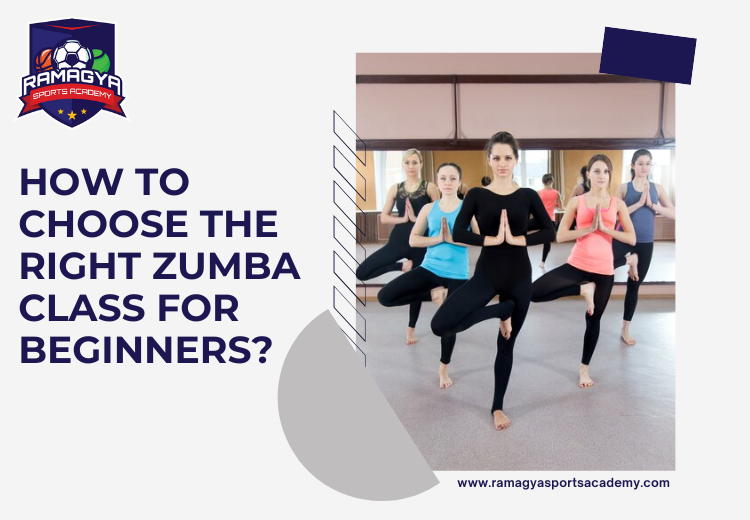
  • How to Choose the Right Zumba Class for beginners?

    How to Choose the Right Zumba Class for beginners?

    How to Choose the Right Zumba Class for beginners?

    Zumba has become one of the most popular forms of exercise worldwide. It’s an energetic, fun workout that mixes dance routines with fitness that make it enjoyable for all people of all different ages. Zumba classes aren’t just the perfect opportunity to get fit but are also well-known for their effectiveness in helping in weight loss. 

    If you’re an aspiring beginner, finding the ideal zumba class may seem overwhelming. In this article we’ll guide you through how to pick the right zumba class for beginners, and how it can aid in fitness goals such as weight loss.

    1. Understand What Zumba Is

    Before you can select the best class, it’s important to know the basics of what zumba is. Zumba is a kind of fitness through dance that is influenced from Latin songs and styles of dance such as salsa, merengue, reggaeton and the samba. zumba classes mix the dance moves with aerobic exercise, making it a stimulating and effective exercise. Many people enjoy zumba dance for weight loss because it helps burn calories quickly while allowing them to have fun.

    For people who are just beginning, zumba may feel like an intense workout, but it’s simple to follow after you master the basic movements. This is why picking the best zumba classes for beginners is crucial to ease you into the routine.

    1. Look for Zumba Classes Specifically for Beginners

    If you are looking for zumba classes for beginners, it is important to ensure it is created for those who are not familiar with zumba and group fitness. Classes for beginners typically move at an accelerated pace, which means you get time to master the basics before moving towards more complex routines.

    Why it’s important: Jumping into a high-intensity zumba class without prior experience might be overwhelming, which can discourage you from continuing. A beginner’s class helps build your confidence and gradually increases your endurance and skill.

    While looking for zumba classes for beginners, look for terms like “beginner-friendly,” “low-intensity,” or “introductory” in the class description.

    1. Check the Instructor’s Qualifications

    The instructor plays a major part in how efficient as well as enjoyable your zumba class will be, particularly in the beginning stages of getting started. Find instructors who are qualified to lead zumba classes because they are trained to help beginners and design classes that are enjoyable and appropriate for everyone’s fitness level.

    Why it’s important: An experienced instructor is able to adapt steps to suit different levels of fitness and make sure that everyone, even those who are new to the sport, are comfortable. They can help you learn zumba fun and easy.

    While attending zumba classes for beginners, having a supportive instructor who explains moves clearly and gives helpful tips will make your experience much smoother.

    1. Consider the Class Size and Atmosphere

    For those who are just beginning, it’s important to feel at ease within the classroom. Classes that are smaller usually offer the most personal attention, and allow the instructor to provide feedback on your movements. However, bigger classes typically have energy-filled atmospheres, which can be a great motivator if you are a fan of dancing in crowds.

    Why it’s important: Being at ease and supported during your zumba classes can ensure that you remain constant and motivated. A positive environment in the class is essential for newbies particularly when you’re learning new moves and increasing your fitness.

    Before signing up, it might be helpful to attend a trial session to get a feel for the atmosphere of different zumba classes.

    1. Find a Class That Fits Your Schedule

    Consistency is key when it comes to fitness, especially if you’re doing zumba dance for weight loss. Finding a class that fits well into your daily or weekly schedule will make it easier for you to stick to your routine.

    Why it’s important: When the class timings are not convenient it is more likely that you’ll skip classes, which can make it more difficult to see the outcomes from your zumba exercise. Select classes that are offered at the times you’re likely to attend regularly.

    Whether it’s morning, afternoon, or evening, try to find a class that aligns with your availability so you can stay consistent with your fitness journey.

    1. Pay Attention to the Style of Music

    Music is a large element that makes zumba enjoyable and efficient. Because zumba dance is built on Latin music, the majority of classes will include beats from merengue, salsa, and reggaeton tracks. However, different instructors might include a variety of music styles, like hip-hop, pop, or Bollywood beats.

    Why it’s important: Music helps keep the students motivated and sets the tone for the lesson. If you’re a fan of the music it’s more likely that you’ll enjoy yourself and remain engaged. In the event that you’re not a lover of a certain style of music this could reduce the enjoyment of your workout.

    For zumba classes for beginners, the music is usually upbeat but not too fast, making it easier to follow the dance moves. Some studios allow you to preview the class playlist or attend a trial session to see if you like the music.

    1. Choose Classes That Focus on Weight Loss

    If you are looking to lose weight, make sure the class is focused on helping the participants burn fat through intense workout routines. Zumba dance to lose weight* is extremely effective due to the fact that it incorporates cardio as well as toning exercises, which makes it an all-body exercise.

    Why it’s important: Certain zumba dance for weight loss might be specifically designed for enjoyment or socializing, whereas others are more focused on fitness particularly those that are geared towards weight loss. Be sure to look for classes that emphasize burning calories or high intensity cardio in case weight loss is what you are looking for.

    In general, zumba classes are great for shedding pounds, but some may include more strength-building exercises, which also help with long-term weight management.

    Discover the Joy of Zumba at Ramagya Sports Academy

    Zumba at the Ramagya Sports Academy is an enjoyable way to increase fitness through high and low-intensity workouts that improve cardiovascular health, balance and coordination. It doesn’t require any dance experience. Just take part and follow the music! 

    Many are reluctant to try zumba as they believe it’s a dance, however it’s an exercise for everyone. Our classes, in collaboration with Trikaal, start with a warm-up song that is followed by high-intensity workouts followed by songs to cool you down. The 60-minute workout burns 369 calories on average which makes it an excellent option for fat loss and toning. 

    Join the best zumba classes in Noida!

    Conclusion

    Selecting the best zumba classes for beginners is important to ensure an enjoyable and positive experience. It doesn’t matter if you’re looking to have fun, or increase your fitness, choosing a zumba dance for weight loss that is suitable for your needs and level is essential. 

    Be sure to search for classes that are suitable for beginners, certified instructors, a relaxing classroom, and sessions that work with your schedule. When you pick the best zumba class will set you up to be successful in your fitness journey and make exercise something you’re excited about every day!

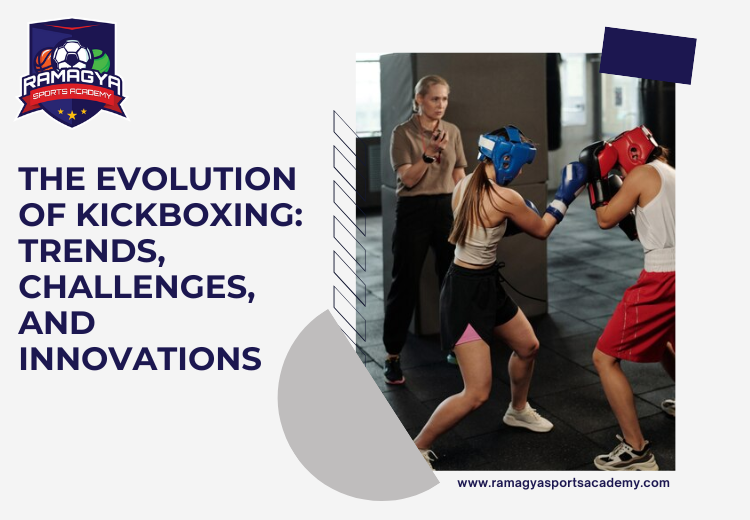
  • The Evolution of Kickboxing: Trends, Challenges, and Innovations

    The Evolution of Kickboxing: Trends, Challenges, and Innovations

    The Evolution of Kickboxing: Trends, Challenges, and Innovations

    The Evolution of Kickboxing: Trends, Challenges, and Innovations

    Kickboxing, a form of sport that combines boxing and martial arts has a rich and long history that goes back to the 1960s both in Japan as well as in the United States. Through the years it has seen a significant change and has adapted to the changing technological advancements, changing times and expectations of the public. This blog will look at the current state of kickboxing and its future direction as well as the challenges it will face as well as the exciting new developments which are influencing its direction.

    Understanding Kickboxing

    Kickboxing is a sport of combat which involves players using punches and kicks in order to gain points or slash their opponents. It blends elements of boxing, Karate, Muay Thai and different martial art disciplines.The sport gained attention due to its energy and excitement as well as the skilled skills displayed by its competitors.

    Current Trends in Kickboxing

    Current Trends in Kickboxing
    1. Global Growth: Kickboxing has grown beyond its roots within Japan as well as it has spread to the US to become an international phenomenon. Countries such as Thailand and the Netherlands and Brazil have come up with their own styles and created top athletes.
    2. Integration of technology: Technology has changed kickboxing moving from streaming live games to the latest training tools. The athletes now utilize video analysis, wearable technology as well as virtual training programs to improve their performance and strategies.
    3. Female Participation: Kickboxing for women has seen an increase in participation and interest. Events such as International Female Kickboxing Association (IFKA) World Championships highlight the ability and dedication of female athletes.
    4. Cross-Training:The practice of cross-training is common among kickboxers. train across a variety of disciplines, including Brazilian Jiu-Jitsu, wrestling and strength conditioning in order to enhance their overall fitness and levels.

    Challenges Faced in Kickboxing

    Challenges Faced in Kickboxing

    1. Insufficient recognition in mainstream media: As compared to other sports, such as boxing and MMA (Mixed Martial Arts) kickboxing has a tough time gaining mainstream media recognition and coverage in certain areas.

    2. Regulation Issues: Disparities in rules and regulations among countries and organizations can cause confusion, which can affect the consistency of the sport and its development.

    3. Injury Management: The impact nature of the sport creates questions about injuries in athletes. Training, medical assistance and safety procedures are crucial.

    4. Financial issues: A lot of kickboxers have financial issues, as they rely on prize money and sponsorships. Making sustainable careers is an obstacle of immense magnitude.

    Innovations- Shaping Kickboxing’s Future

    • Virtual Reality Training: Virtual reality (VR) lets athletes simulate sparring sessions and visualize strategies in a controlled setting improving their abilities and schema.
    • Augmented Reality: Augmented Reality is a great way to entertain spectators AR technologies offer fans an immersive experience, which includes live stats in real time of fighters, fighter profiles, and interactive content at live events.
    • Sustainable Events: Event organizers are looking at environmentally friendly methods including cutting down on carbon footprints and waste in order to make events more environmentally sustainable.
    • Rules that are adaptive: Organizations are trying out rule changes to make games more thrilling while also ensuring safety of athletes and fairness.

    The Future of Kickboxing

    In the future, kickboxing’s potential looks promising, thanks to continued innovation and a global audience. As the sport is gaining more recognition through digital platforms and international events, it’s attracting new generations of athletes and fans. The acceptance of diversity, technological advances along with sustainable techniques will play a major role in determining the evolution of kickboxing.

    Inside Ramagya Sports Academy’s Elite Kickboxing Training

    Ramagya Sports Academy, renowned for its quality and top-of-the-line facilities, offers a wide range of kickboxing training programs taught by skilled professionals. The academy has a partnership with the KNOCKOUT FIGHT CLUB offering more than 15 years of expertise in training to the sport.

    It is one of the best kickboxing academies in Noida giving the best kickboxing training. Join this kickboxing academy for the best kickboxing training. This is why you should think about joining:

    • Get expert instruction by certified kickboxing instructors in Noida. Our instructors have years of knowledge of the sport, and will provide top-quality instruction to help you develop your skills.
    • Our facilities of the highest quality include well-maintained facilities for training as well as modern amenities that enhance your learning experience.
    • Our kickboxing classes cater to all ages, and cover punches, kicks and knee strikes, as well as defensive moves to provide an extensive learning experience.
    • Our trainers give you individualized assistance and instruction that is specific to your needs and learning style, so that you receive the assistance needed to be successful in kickboxing.

    Conclusion

    The sport of kickboxing continues to grow as a sport that combines traditional with the latest. From its humble beginnings, to international recognition, the sport has faced challenges and accepted new technologies to remain relevant. As we progress in a more inclusive direction, addressing issues with regulatory compliance and making use of technology will be essential to the growth and sustainability of kickboxing. No matter if you’re an or an athlete this is a sport that will bring the possibility of excitement and growth worldwide.

    In the end the kickboxing sport isn’t merely an activity, it’s an exercise in skill strategies, determination, and perseverance and shaping its future with every kick and punch in boxing.