Author: SEO Executive

  • Football for Beginners: A Comprehensive Guide to Getting Started
    Football for Beginners: A Comprehensive Guide to Getting Started

    Football for Beginners: A Comprehensive Guide to Getting Started

    Football for Beginners
    Soccer, also known as football in some countries, is a popular sport that is played by millions of people worldwide. This article will walk you through all the information you’ll need to start your journey if you’re new to the game and want to learn more.

    Understanding the Basics of Football for beginners

    Football is played by two teams with eleven players on a rectangular field that has goal posts at both ends. The aim is simple: get more points than the opposition team by kicking towards their goals. The team that scores the most goals at the final game wins.

    Essential Equipments

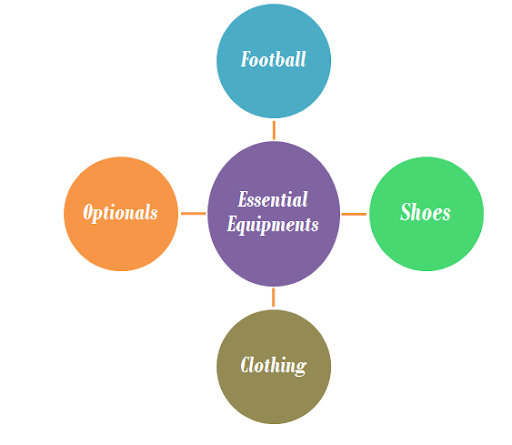
    For the first time you’ll require the following basics equipment:
    Essential Equipments

    • Football:  A round ball made of leather or synthetic material.
    • Shoes: Football shoes or cleats that have the studs or molded soles to provide grip on grass or turf.
    • Clothing: Wearing comfortable athletic clothing that includes a jersey shorts socks, the shin guards that protect your legs.
    • Optional Equipment: Goalkeeper gloves (if you are playing as goalkeeper) and a water bottle to hydrate.

    Learning the Rules

    Football’s unique guiding principles rule the game.The following guidelines are crucial for beginners:

    • Offside Standards: A player is considered to be offside if, when the ball is awarded to them, they are closer to the goals of their opponent than to the ball and the competitor who is in second place.
    • Penalties and Fouls: Incorrect actions, such as shoving, tripping, or handling the ball with the hands (apart from goalkeepers within their penalty area) may result in penalties or free kicks for the other team.
    • Toss-ins, corner kicks, and goal kicks: The methods for resuming play when the ball leaves the area of play or is struck by a member of the opposing team are throw-ins, corner kicks, and goal kicks.

    Getting Started: Basic Skills and Techniques
     

    1. Passing and Receiving

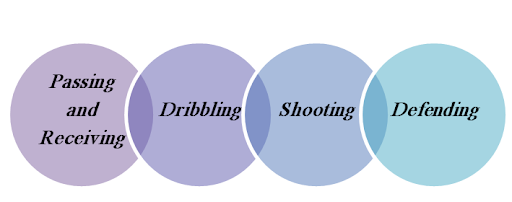
    Receiving and passing the ball with accuracy is essential in football. Train to pass with both sides of your foot to regulate your ball’s direction as well as speed. If you are receiving, use the sole or the inside part of your feet to absorb the ball’s impact and ensure that you have the ball.

    1. Dribbling

    Dribbling is the process of moving the ball over opponents while keeping it in control. Keep the ball at your feet with a few small strokes and swiftly change direction to avoid the opponents.

    1. Shooting

    It is vital to shoot accurately in order to score goals. Put your non-kicking foot in front of the ball, shoot with the outside of your shoe and follow up using your kick leg to create strength and accuracy.

    1. Defending

    Skills for defensive play include marking your opponent carefully, catching passes and tackling to gain possession. Concentrate on the ball, and then position yourself between the opposing player and your goal in order to stop their movements.

    Basic Drills and Exercises

    Do these exercises to enhance your soccer ability:

    • Passing Exercise: It is to pass the ball back and forward with a partner using various techniques (inside foot outside foot laces).
    • Dribbling: Make cones and try dribbling them through while keeping control of the ball.
    • Shooting Drill Goal: Shoot at various distances, paying attention to accuracy and power.
    • One-on-one defensive drill: Practice one-on-one protecting, focusing on remaining near to your attacker, but not making fouls.

    Developing Tactical Awareness

    Knowing the basics of tactics can help you improve your game

    • Positioning: Know your field position (e.g. defense or forward, midfielder) and perform your job efficiently.
    • Teamwork: Communicate with teammates, help each other offensively and defensively and keep a good distance across the field.

    Playing in a Team
    A local football league or team is a great opportunity to test your abilities in a setting that is competitive. Participating regularly with your teammates enhances your understanding of teamwork strategy, and game mechanics.
    Safety and Sportsmanship
    You should always do stretching and warm up before playing to avoid injuries.
    Fair Play
    Be respectful of the rules officials, players, and your teammates. Football is a game that demands respect and sportsmanship.

    Ramagya Sports Academy’s Football Classes

    How to play football for beginners is a frequently asked question. 

    • In Ramagya Sports Academy, we are proud to offer top-quality football lessons that cater to all levels of skill and different ages. 
    • If you’re just beginning your journey or already have prior experience on the field our academy offers an environment that is welcoming where you can improve and learn your soccer skills under the supervision of skilled coaches.
    • Our football classes concentrate on establishing a solid base that is based on fundamentals football like shooting, passing, dribbling and game-play strategies. We have faith in comprehensive training that emphasizes not just the technical aspects of football but also teamwork, self-control, and sportsmanship.
    • Our Academy makes sure that every student gets the attention and guidance they require to help them reach their full potential in a first-rate and outstanding way. 
    • Ramagya Sports Academy offers a structured instructional program that promotes players’ growth and a love of football, regardless of whether you’re wanting to play in a serious organization or are just playing for fun.

    Join us for our football lessons today and begin a fulfilling journey of improvement, learning and camaraderie on our field. Let’s begin your journey to football together with us at Ramagya Sports Academy!

    Conclusion

    Football for beginners is an exciting path of learning and development. You’ll be able to experience the passion of playing this amazing game once you master the fundamentals of football, understand the rules, and practice regularly. 
    Remember that playing football is about having fun, developing your skills, and enjoying the camaraderie and enjoyment of playing with other players. Whether you’re playing rivalry or kicking about a ball with friends, you should enjoy every moment and strive to be the best competitor. 
    Have fun with your football experience and keep the passion going!
     

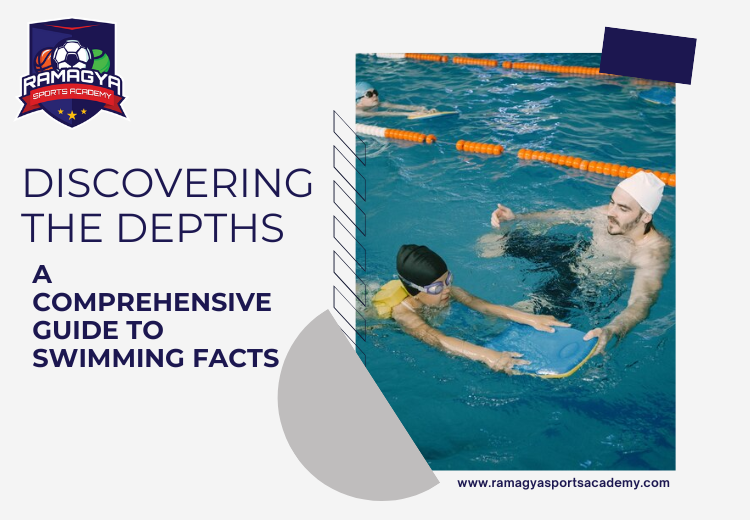
  • Discovering the Depths: A Comprehensive Guide to Swimming Facts

    Discovering the Depths: A Comprehensive Guide to Swimming Facts

    Discovering the Depths: A Comprehensive Guide to Swimming Facts

    Swimming Facts

    Swimming isn’t only a game, but an essential life saving skill and an excellent method to keep healthy. It doesn’t matter if you’re in the pool or competing in a competition, it has many advantages to both your physical and mental wellbeing. Let’s explore the realm of swimming, focusing on its basics such as types, historical context and benefits as well as the swimming facts.

    Some swimming facts are:

    • Swimming is among the most loved activities across the globe. All abilities and ages can take pleasure in swimming for fitness, enjoyment and to relax.
    • The human race has been swimming for a long time. Drawings and documents from the past show that swimming was a popular sport in ancient civilizations such as Egypt in addition to Greece.
    • The breaststroke is the oldest recorded swimming stroke, depicted in ancient Egyptian hieroglyphics dating back over 4,000 years.
    • Swimming has been part of the current Olympic Games since 1896. The athletes compete in a variety of swimming techniques, including breaststroke, backstroke, freestyle and butterfly, showing their speed and skills on the pool.

        History of Swimming

    • The Ancient Origins of Swimming: The practice of swimming has been practiced since the time of ancient civilizations, such as Egypt and Greece in which it was illustrated in art and was used for many purposes, including exercise and military training.
    • Initial Records The oldest accounts of swimming goes back from the Stone Age, with evidence of cave paintings found in Egypt.
    • Greco-Roman influence: In the past, in Greece and Rome swimming was not just an athletic pursuit, but also part of the religious ceremonies and even education. The Greeks had swimming competitions beginning in 776 BC like that of the Olympic Games.
    • Middle Ages and Renaissance: Middle Ages, interest in swimming declined across Europe due to changes in culture and the lack of access to clean water. However, during the Renaissance period there was a revival of interest in swimming, especially in Italy and Italy, where it was viewed as an exercise and also as a form of art.
    • Modern Age: Swimming returned to popularity in the 19th century particularly in England as people came to appreciate the health benefits of swimming and its recreational benefits. Swimming competitions were organized, which led to the creation of rules that were formalized along with the introduction of swim events at the first ever modern Olympic Games in 1896.
    • Technology Advancements: Over time, advances in equipment, swimming techniques and design of pools have led to faster times and safer conditions for amateur swimmers as well as athletes.


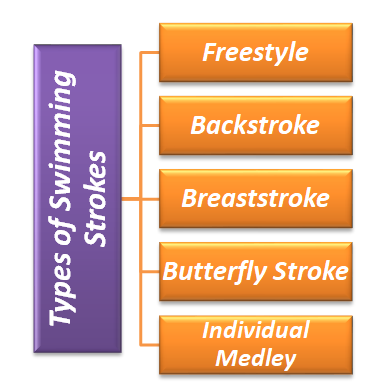
    Types of Swimming Strokes

    Swimming is a variety of different strokes each with its specific technique and goal. This is a brief explanation of the primary strokes of swimming:

    types of swimming

    • Freestyle (Front Crawl):

    Freestyle is the most efficient and popular technique used in competition swimming. The swimmers alternate arms using a whirlwind-like motion, while simultaneously kicking their legs with a flutter. Breathing is performed to the side as well as the stroke. renowned due to its swiftness and effectiveness in covering large distances. Its popularity makes it fall under the best swimming types.

    • Backstroke:

    Backstroke is the act of swimming backwards while changing your arms in a constant movement and kick with the Flutter kick. The swimmers breathe naturally over the water while the technique is admired because of its comfortable and relaxed position that allows swimmers to be aware of the direction they are heading. It is one of the swimming facts that this stroke has been here since people have started swimming.

    • Breaststroke:

    Breaststroke is distinguished by the simultaneous movement of both arms in a circular movement while doing the Frog-like kick. Swimmers breathe throughout every stroke, raising their heads off the water. It’s well-known for its sluggish, rapid pace, making it a favorite option for recreational and beginner swimmers.

    • Butterfly Stroke:

    The butterfly stroke requires the arms to be moved in a circular overhead motion that resembles a butterfly’s wings while doing the powerful dolphin kick. Swimming swimmers breathe through lifting their heads above the water in every stroke. It is known for its difficult nature and requires considerable endurance and coordination. It is one of the best swimming types.

    • Individual Medley (IM):

    It is a form of swimming that IM is a mixture of the four strokes (butterfly backstroke, breaststroke and freestyle) performed in a certain sequence during the course. The sequence usually begins with butterfly, then backstroke, breaststroke, and then freestyle. It shows a swimmer’s flexibility in a variety of strokes and distances in competition swimming.

    Advantages of swimming:

    • Full-Body Workout: When we exercise, your muscles are getting a good exercise without straining joints. It keeps you strong and flexible.
    • Cardiovascular Health: A swim can get the heart moving in a relaxing manner, increasing the health of your lungs and heart. It’s similar to providing your body with exercise.
    • Calorie Burner: Swimming can burn off lots of calories as it requires the entire body. It’s an enjoyable method of keeping your weight under control.
    • Stress Eliminator: The warm water’s hug can relax your mind and relieve stress. It’s like being able to escape from the stress of your day.
    • Social Games: Whether you are swimming with your group of friends or form an organization, swimming is the perfect method to make new acquaintances and to have fun with them.
    • Life Skills: Learning how to swim is crucial to ensure your safety in the water. It helps you feel confident in lakes, pools, and the ocean which makes it much easier to take pleasure in water sports without fear.
    • Mental Energy Boost: The endorphins released by swimming release these feel-good chemicals within your brain. It can improve your mood and make you feel happier and energized.

    If you’re swimming to have fun or competing during competitions, water can provide many advantages for both your mind and body as well as your social. Get in the water and discover the pleasure of swimming!

    Ramagya Sports Academy- Best Swimming Classes in Noida

    Have you ever wondered what it’s as if you could glide seamlessly over the water while mastering how to swim with confidence and ease? 

    Ramagya Sports Academy located in Noida provides much more than swimming lessons. We’re providing a transformational experience on the water. Imagine yourself on the deck of your pool with the hum of excitement, and inviting waters calling you to dive into. Our experienced instructors, with years in the field and zeal for teaching, are ready to help you through every step of the process.

    From learning the elegant butterfly stroke to mastering the powerful freestyle classes, we cater to all levels and age groups. If you’re a parent wanting to teach your child vital water safety techniques or an adult looking to get fitter through swimming, Ramagya offers tailored programs to meet your requirements.

    Connect with our vibrant and supportive community, where every splash takes you one step towards personal growth and accomplishment.

    Conclusion:

    In conclusion, swimming is an array of psychological well-being, as well as social interaction. When you’re learning how to swim to avoid injury or competing on an elite level the benefits are immense and numerous. Knowing the different strokes, their historical context and health benefits could increase your understanding of this enduring sport. So, get in and explore the water, and experience the joy of swimming!

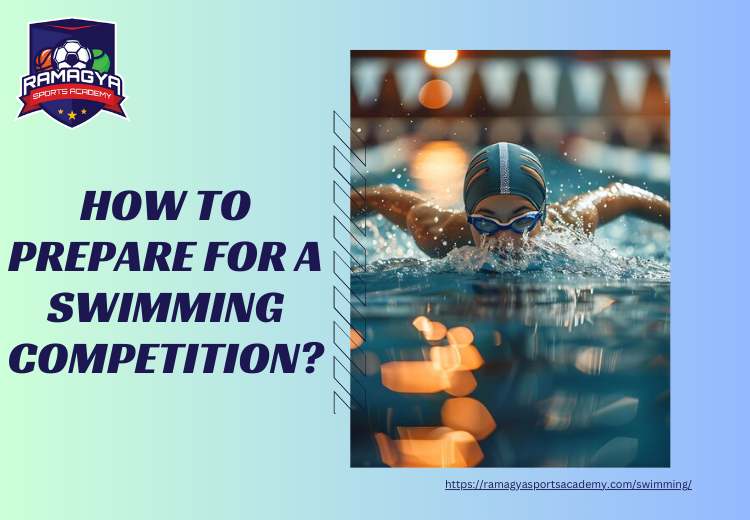
  • How to Prepare for a Swimming Competition?

    How to Prepare for a Swimming Competition?

    How to Prepare for a Swimming Competition?

    Swimming Competition
    The excitement of swimming competitions is exhilarating and requires a lot of dedication, planning and a strong mental attitude. If you’re an experienced swimmer or just a novice it is important to prepare properly for a successful day of the race. In this complete guide, we’ll cover the essential information you should learn to be prepared for a swimming event and increase your odds of winning.

    Setting Goals:

    Before you begin training, you must set clear and precise goals for the race. It doesn’t matter if you’re improving your personal best time or achieving a qualification for an advanced race, or simply getting through this race on a positive manner, setting objectives will help you stay in the right direction and on top of your training.

    Training Regimen

    A comprehensive training plan is vital to be prepared for a swimming competition. This includes a mixture of dry-land training, and rest days that let your body recover. Here’s a list of the most important elements to incorporate into your training program:

    • Pool Sessions: Plan regular swimming sessions to improve your techniques, endurance as well as speed. Concentrate on exercises that are specific to the distances you swim and your stroke and gradually increase your speed as the time for competition draws near.
    • Dry-Land Workouts: Integrate exercise for strengthening like weightlifting, resistance bands, as well as bodyweight exercise to increase muscle strength and increase overall fitness. Exercises that are core are essential to ensure stability and power on the water.
    • Rest and recuperation: Don’t underestimate the importance of rest and recuperation is part of your training plan. A restful night’s sleep as well as a healthy diet and active methods of recovery such as the stretching of foam rollers, and massage are crucial in preventing injury and increasing performance.

    Nutrition

    Nutrition plays an important part in fueling your body’s needs to train and compete. Follow these suggestions to maintain healthy and balanced eating habits:

    • Hydration: Drink plenty of water during the course of your day in order to remain hydrated, especially during the intense training sessions. Avoid caffeine and sugary drinks since they can result in dehydration.
    • Balanced Diet: Consume a balanced diet of healthy proteins that are lean and nutritious, as well as complex carbs and healthy fats, fruit and veggies. Your body needs nutrient-rich food items to boost your recovery of energy levels and improve your performance.
    • Pre-race nutrition: Eat an easy meal or snack that is high in carbohydrates and low in protein before the race to give you long-lasting energy. Avoid greasy or heavy foods that can cause discomfort in the stomach.
    • Post-race recovery: Refuel your body with the combination of carbohydrates along with protein, within 30 minutes after finishing the course to replenish glycogen storage and help with the repair of muscles. For example, a banana packed with chocolate milk, peanut butter or a protein-rich smoothie.

    Mental Preparation

    Alongside physical training, mental preparation is crucial to be successful during a competition. Here are some suggestions to aid you in preparing your mind for the race:

    • Visualization: Imagine yourself doing efficiently in the race from beginning to final. Imagine yourself making perfect strokes while staying focused, and reaching your targets.
    • Positive Affirmations: Make positive affirmations to increase confidence and soothe nerves. Repetition phrases like “I am strong,” “I am prepared,” and “I can do this” help reinforce a positive attitude.
    • Relaxation Techniques: Try relaxation techniques like deep breathing or progressive muscle relaxation or meditation to ease anxiety before races and clear your mind.
    • Strategy: Create your race plan with your strengths, weaknesses and your goals. Imagine how you’ll tackle each race, starting from the beginning to the finish line and turns.

    Competition Day Preparation

    It’s important to arrive at the race venue prepared and ready to go. Make sure to follow these steps for an enjoyable and smooth race day experience

    • Be Early: Get to the venue before 8 am to give ample time for warming-up and getting familiar with the swimming pool along with mental prep.
    • Warm-Up: Follow a rigorous warm-up to prepare your body and cardiovascular system to race. Include dynamic stretching, gentle swimming and turning and starting training.
    • Relax: Manage your race anxieties by remaining relaxed and focused. Beware of negative thoughts and distractions and concentrate on your race strategy and objectives.
    • Race Execution: Be confident in your race plan and training when you get into the starting blocks. Be focused, keep an excellent technique, and put in all your effort from start to finish.

    How to participate in a swimming competition?

    Participating in a competition for swimming requires a number of key steps to ensure that you have a successful fun experience.

    • Choose the race that is most suited to your talents and interests, be it an open-air sprint or a backstroke race or relay.
    • After deciding on the event, sign up for the event and be familiar with the rules and regulations.
    • It is crucial to prepare and you must follow a well-planned program to enhance your endurance, technique and speed with regular pool sessions and dry-land training.
    • Get to the location early enough to allow you to warm up thoroughly prior to your race. Also, be sure to take part in any race-related briefings that are organized by the race organizers.
    • While competing, be at ease, focused and confident. Follow your strategy to the best of your ability.
    • Following the event, assess your performance and congratulate yourself on your accomplishments, regardless of the results.

    Participating in a swimming contest is an enjoyable experience that requires commitment to training, preparation, and a positive attitude.

    Conclusion

    The preparation for a swimming competition requires discipline, dedication, and the right planning. By setting goals clearly by following a disciplined program of training, consuming the right diet, and paying attention to mental preparation to improve your performance and reach your goals at competition time. 
    Keep your focus on the optimistic, believe that you can do it and revel in the excitement of the race as you dive into the water to win. Have fun!

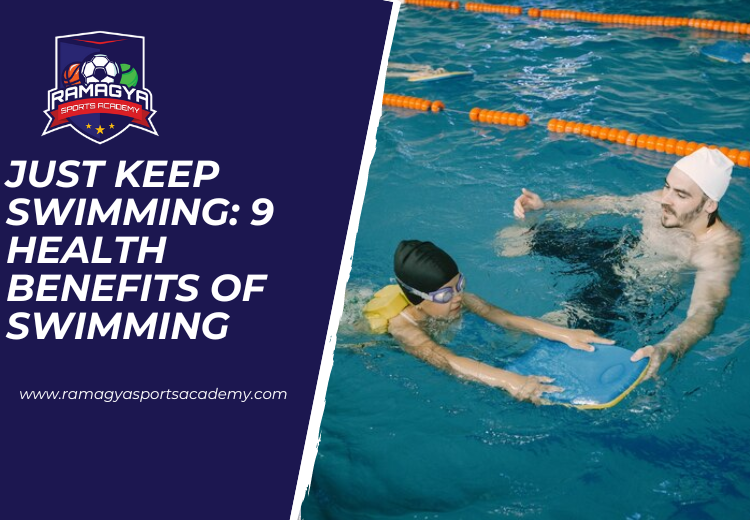
  • Just Keep Swimming: 9 Health Benefits of Water Workouts

    Just Keep Swimming: 9 Health Benefits of Water Workouts

    Just Keep Swimming: 9 Health Benefits of Water Workouts

    benefits of swimming

    Water exercises, often known as aqua workouts, are a fantastic way to maintain your fitness and health. These could include swimming, high-impact water exercise, and strolling on the water. These are known to provide an expert, low-impact practice suitable for people of all ages and wellness levels. 

    Physical benefits of swimming

    There are numerous health benefits of swimming which includes physical benefits of swimming as well:

    1. Low-Impact Exercise: One of the main benefits of exercising in the water is its minimal impact. They are kinder on the joints and muscles when they practice on the ground. The lightness of the water facilitates relaxation and relieves joint pressure, especially on the knees, hips, and spine.
      Why is Low-Impact Important?
      Low-impact exercises are essential for people suffering from injuries, joint pain or arthritis. They allow you to stay active and healthy, without causing further ailment to the conditions. Water exercise is perfect for people who are elderly or are finding traditional exercise too difficult. It is one of the great health benefits of swimming.
    1. Enhances Cardiovascular Health: Swimming can be a fantastic method to raise your level of cardiovascular fitness. Engaging in water aerobics raises your heart rate and improves heart and lung function. Participating in these activities on a regular basis will improve your overall performance and endurance.
      How does it work?
      If you’re active at the pool, your heart must be pumping blood since pressure from water boosts circulation. This could result in a healthier heart as also a lower blood pressure and a lower chance of developing heart disease. Water exercises can assist in enhancing lung capacity and effectiveness.
    1. Build Strength and Muscle Tone: Swimming is an excellent exercise to build muscle and build strength. The water’s resistance could force your muscles to perform more intensely and result in a full body exercise. Every water-based activity requires the involvement of various muscles, resulting in an improvement in power and strength.
      Muscle Groups Targeted
      Swimming, for example, is a great way to engage muscles in the arms, legs, back, and the core. Training in resistance with water, like water weights or resistance bands are designed to target specific muscle groups. This could aid in the development of all muscles.
    1. Enhances Flexibility and Range of Motion: Water exercises can drastically increase your flexibility and range of motion. The buoyancy of water can help assist your body and lets you move more easily and perform moves that can be difficult on the ground.
      Benefits of Improved Flexibility
      The increased flexibility leads to improved posture, less tension in muscles and lowers the risk of suffering injuries. Furthermore, it increases your ability to finish the tasks you have to do every day with ease.
    1. Aids in Weight Loss and Management: Water exercise can be a great way to lose weight and assist in managing weight. Exercises burn calories fast and aid in losing weight and keep your weight in check.
      Calorie Burning
      The amount of calories burned while exercising in the water depends on its duration and intensity. For example, depending on stroke and speed, swimming could burn between 400 and 700 calories in 60 minutes. It is one of the physical benefits of swimming.
    1. Lessens Tension and Stress: The water in the pool has the ability to relax the body and mind, which makes it a great place to decompress. The calming qualities of the water along with the faster stroke rate of swimming can help lower tension and anxiety.
      Advantages for Mental Health
      Engaging in water exercise increases endorphin levels, which typically result in happier moods. Engaging in these activities on a regular basis can improve mental health, promote more peaceful sleep, and lessen signs of stress and hopelessness.
    1. Improves Posture and Coordination Even More:
      Water exercises can aid in improving balance and coordination even more. The water’s buoyancy and resistance can test your body’s ability to remain stable, enhancing your overall coordination capabilities.
      Why Balance and Coordination Matter?
      Maintaining balance and improving coordination are essential for preventing falls, particularly in older adults. These skills also improve your ability to engage in many real-world activities outside of regular workouts.
    1. Provides a Cool and Refreshing Workout:
      One of the most beneficial advantages of water workouts is that they provide an ice-cold, refreshing way to exercise. This is especially beneficial in the summer months, since it allows you to stay active without getting too hot.
      Staying Comfortable
      The pool’s water helps keep your body temperature under control which makes you feel comfortable and stops excessive sweating. Exercise in the water is an appealing alternative for those who feel uncomfortable doing traditional workouts or hot.
    1. Suitable for All Fitness Levels:
      Water exercise is adaptable and can be adjusted to suit all levels of fitness. It doesn’t matter if you’re a novice or a professional athlete, you’ll be in a position to tailor your water workout to meet your goals and preferences.
      Customizing Your Workout
      You are able to alter the intensities and times of exercise to meet the fitness level of your. For instance, beginners may start by taking simple water walks, or even basic swimming strokes. Those who are more experienced may include high-intensity workout (HIIT) and resistance exercises.
      Looking for the best swimming classes?
      Experience the Best Swimming Classes at Ramagya Sports Academy
      Ramagya Sports Academy offers the most efficient swimming classes for swimmers from all ages and levels. If you’re just beginning or looking to enhance your swimming abilities, this is the best location to start.

    Here’s why:

    1. Top-Notch Facilities
      The pool is modern and offers an unrestricted and secure environment for anyone who takes a dip. The pool is maintained to the right temperature to provide you with a relaxing and enjoyable experience every time.
    2. Personalized Attention
      We have faith that individualized instruction will allow every swimmer to advance at their own rate. We make sure you get the one-on-one attention you need to get better at swimming and gain confidence in the water thanks to our small class sizes.
    3. Fun and Engaging
      Swimming is not only self-practice; it’s also a tomfoolery workout. Our courses are friendly and engaging, making learning to swim enjoyable for all of our students.

    Join Ramagya Sports Academy today and receive the most effective classes in swimming. Develop your abilities, stay fit, and have fun at the pool with us!

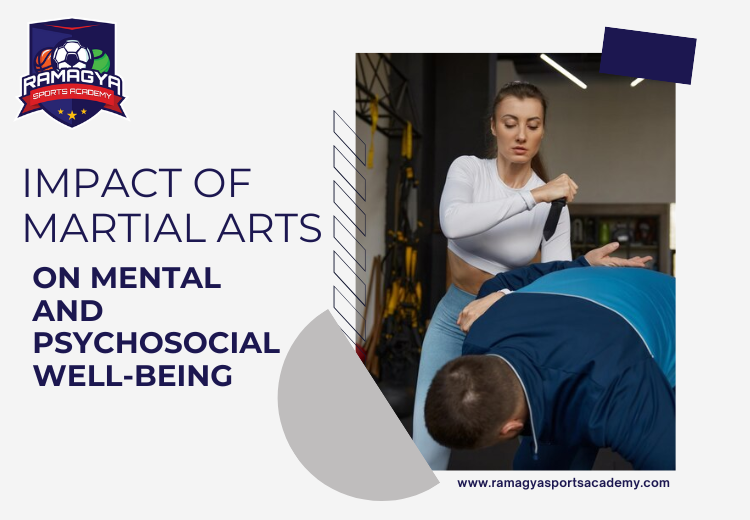
  • The Impact of Martial Arts on Mental and Psychosocial Well-being

    The Impact of Martial Arts on Mental and Psychosocial Well-being

    The Impact of Martial Arts on Mental and Psychosocial Well-being

    Impact of Martial Arts
    From their historical origins as defence training, martial arts have evolved into a comprehensive, holistic health approach in recent years. In addition to its physical advantages, such increased strength, flexibility, and coordination, martial arts training has been shown to have an essential favorable impact on mental and emotional well-being. Due to the fact that it provides new avenues for investigation into the psychological and emotional effects of martial arts training, this has gained the interest of both researchers and practitioners.

    We find the profoundly transforming nature of martial arts participation during this investigation into the psychological and mental health advantages of practice. Martial arts have several advantages that go well beyond their practice, from enhancing emotional control and resilience to fostering social skills and self-assurance. We will discover its many unseen benefits. One benefit would be a personal development method that goes beyond any dojo walls. By having the interaction of its physical movements, mental attention, and emotional management.

    Through precise instruction and focused practice, practitioners learn the skills to remain calm under pressure, giving them the tools to overcome obstacles on and off the mat. People with more resilience have a greater capacity for facing life’s challenges head-on with courage and strength. Training martial arts becomes mentally tough while cultivating a positive outlook and increasing self-assurance. This helps in increasing resilience and a positive mindset facilitates personal development.

    Some psychosocial concept of health that are improved by martial arts are as follows:

    1. Mental Resilience:
      • Martial arts practice has been shown to significantly improve mental resilience, an essential aspect of psychosocial concept of health. People develop resilience through intense exercise and focused activity, which helps them become capable of managing stress, setbacks, and challenges. Martial arts trainers help practitioners develop their mental toughness as well as their ability to remain composed under duress, adapt to changing conditions, and endure hardship. 
      • This strength is not limited to the dojo; it has a good effect on many facets of life, be it relationships, career, or personal goals. Martial arts can also strengthen the mind by fostering self-discipline, confidence, and self-worth. 
    2. Emotional Regulation: 
      • Martial arts training can help practitioners learn practical methods for controlling their emotions through training. People will learn self-control methods for recognizing and managing their feelings in productive ways that lessen impulsivity and boost emotional stability. Martial arts training often involves deep breathing, mindfulness, and meditation as techniques to help improve emotional regulation and emotional awareness. 
      • As they progress in their training, martial artists build resilience, which is their ability to maintain calm and make wise choices in stressful situations. Emotional resilience is beneficial outside the dojo in many areas of life, including relationships, jobs, and general well-being. It is one of the most important psychosocial concepts of health. 
    3. Stress Reduction: 
      • Martial arts offer significant stress-reduction advantages because of their comprehensive approach to physical and mental health. People who practice regularly find comfort from the stress they’ve built up from their everyday struggles. Martial arts training promotes calm and helps us focus, be mindful, and get rid of opposing ideas. 
      • Martial arts practitioners can improve their ability to regulate stress by practicing controlled breathing and meditation. Thanks to this, they will be able to handle stress better both on and off the mat. Martial arts practice creates a calm and quiet atmosphere that improves mental and psychological health and empowers people to handle life’s obstacles with more ease and self-assurance. Stress reduction is an essential aspect of the psychosocial concept of health.
    4. Promotes Self-Confidence: 
      • Martial arts involvement promotes self-confidence by providing chances for skill development, mastery, and personal advancement. People can develop a sense of confidence in their physical and mental talents. With consistent training and advancement, one boosts self-assurance. Learning martial arts gives people the courage and empowerment to push themselves beyond their comfort zones, face challenges, and break through obstacles. 
      • As students receive recognition for their efforts and accomplishments, martial arts schools help them develop positive self-images and self-esteem. They also help people become more confident and capable in all facets of their lives, which improves mental and psychosocial well-being.
    5. Social Integration: 
      • Martial arts can create meaningful social bonds by uniting people in a welcoming and cooperative environment. Martial arts schools are communities that bring together practitioners from all walks of life to train, share knowledge, and develop as a team. Participants develop a sense of friendship, companionship, and community. This happens by participating in partner drills, sparring sessions, and group activities. 
      • These social bonds offer emotional support and motivation, contributing to improved mental well-being and psychosocial health for all involved. Training martial arts requires teamwork, communication and cooperation that bolster social bonds and interpersonal skills. People who practice martial arts develop stronger social links within the community. The social links aid in increasing a sense of self, purpose, and interpersonal connection. It promotes psychological resilience and happiness in general. 

    Conclusion:

    Martial arts practitioners’ lives are profoundly enhanced by this practical and comprehensive approach to enhancing mental and psychological well-being. Through intense physical training, focused practice, and a study of martial philosophy, people set out on a life-changing path of self-awareness and development.

    Outside of the dojo, martial arts have a lot to offer. Following its holistic principles gives practitioners vital insights into the relationship between the mind, body, and spirit, empowering them to tackle life’s challenges confidently. It is clear that martial arts training has a lot of potential to improve general well-being when we take into account all of the good effects it has on mental and psychosocial health outcomes.  

    Martial arts may provide us with opportunities for personal development, resiliency, and fulfillment if we keep researching and applying its principles to our life. When we accept its transformative power, we set off on a fantastic journey of continuous development and growth that profoundly and profoundly meaningfully improves the lives of others around us and our own.

  • Joy of Dance: Why You Should Consider Taking Dance Lessons

    Joy of Dance: Why You Should Consider Taking Dance Lessons

    Joy of Dance: Why You Should Consider Taking Dance Lessons

    Dance Lessons
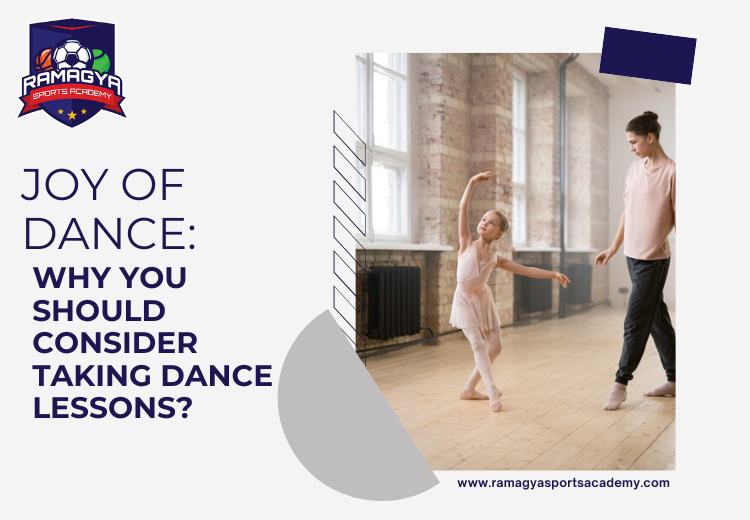
    Though you’re not sure if dancing is the right match for you, are you interested in taking classes? Questions concerning dancing are common and they also have a number of benefits that make them valuable to think about. The fact that dancing is a lot of fun should not be overlooked! Dance lesson is an enjoyable and thrilling activity that you may do in your living room or in a studio while listening to whatever music you like.
    Another benefit of attending dancing courses is that you can actually get wellness. Dancing is a full-body exercise that improves cardiovascular health, strength, and flexibility. In addition, it’s a fantastic way to relax and release tension after a stressful day. Your worries will eventually fade away as you lose yourself in the music and workout, leaving you with a sense of empowerment and self-assurance.
    The sense of place and association that dance drawings provide, meanwhile, may be their greatest asset. You can meet new people who are as passionate about dancing as you are by enrolling in a dance class. You will get close through your shared love of music and development, creating lifelong memories and kinships in the process.
    So if you’ve been thinking about taking dance lessons, don’t hesitate any longer! Embrace the opportunity to learn, grow, and experience the joy of dance firsthand.

    Benefits of dancing

    • Physical Fitness: Dancing can be an excellent way to develop flexibility, strength and endurance. Each dance style from ballet to salsa offers its own method for burning calories and toning muscle tissue.
    • Stress Relief: Dance can be a wonderful form of stress relief. Through music and movement, dancing allows one to escape their daily pressures and tensions through rhythmic patterns that calm the mind and promote relaxation.
    • Self- Confidence: As you master different routines and steps, your confidence and self-esteem will grow. Overcoming obstacles on the dancefloor will transfer over into other aspects of life.
    • Social Connection: Dance lessons offer an excellent way to meet people and make lasting friendships. Dance classes can help people meet new people while forging long-lasting bonds between classmates.
    • Mental Agility: Dancing requires concentration, coordination and memory – qualities which stimulate brain function and foster mental agility. Following rhythms and mastering choreography allows your brain to quickly adapt to new challenges as you continue dancing.
    • Self- Expression: Dancing allows us to express emotions and stories through movement. Dance is an invaluable way of exploring your artistic side – whether that means performing choreographed routines or freestyling solo.
    • Cultural Appreciation: Dance allows us to experience different cultures and traditions while discovering dance styles from around the world. Flamenco, hip-hop and Bollywood all give an insight into a particular culture’s culture and history.
    • Lifelong lessons: Dance is an endless journey of discovery, providing limitless opportunities to learn and grow as an artist. No matter your dance background or experience level, there is always something new to discover within this artform, such as mastering advanced techniques or discovering fresh styles.

    Discover Dance Through Different Types of Dancing

    Dance is an art form encompassing many styles and techniques that span from graceful ballet to energetic Hip-Hop, providing something for everyone to enjoy. Here are some popular forms of dance:

    • Ballet: Ballet is known for its graceful and elegant movements. It emphasizes grace, strength, and flexibility while dancers perform on their feet (en pointe) following traditional choreographies.
    • Jazz: Jazz dance is widely recognized for its fluid movements and syncopated rhythms, drawing from ballet, African dance and modern dance influences to produce dynamic or smooth styles of performance.
    • Hip- Hop: Hip-hop dance originated from urban street culture. This form of movement features moves such as popping, locking and breaking. Hip-hop music often serves as the soundtrack to this form of expression – further emphasizing individual style and expression.
    • Contemporary: Contemporary is an amalgamation of styles that fuses elements from both modern and ballet dance styles, featuring fluid movements, emotive expression, and imaginative choreography as its hallmarks.
    • Tap: Tap dance is all about rhythm and percussion. Dancers wear special shoes equipped with metal plates that produce sounds when struck against the floor, creating an energetic form of dance that often includes intricate footwork.

    Here are a variety of different dance forms, each with their own rich history, technique and cultural importance. There’s sure to be something here for every taste: graceful ballet; energetic hip-hop or contemporary dance…

    Conclusion:

    It even provides benefits to kids. Dance lessons for kids are really effective for their overall growth. From their physical health to mental health, dance lessons for kids are really effective and essential.
    Dance can provide many advantages to people of all ages. Take up dance classes to enhance your life in many ways – physical fitness, stress reduction or simply having some fun are just some of its many benefits. So put on your dancing shoes now and begin an amazing journey of joyous self-discovery through its transformative powers!

  • Guide to Teaching Yourself the Basics of Karate

    Guide to Teaching Yourself the Basics of Karate

    Guide to Teaching Yourself the Basics of Karate

    Basics of Karate
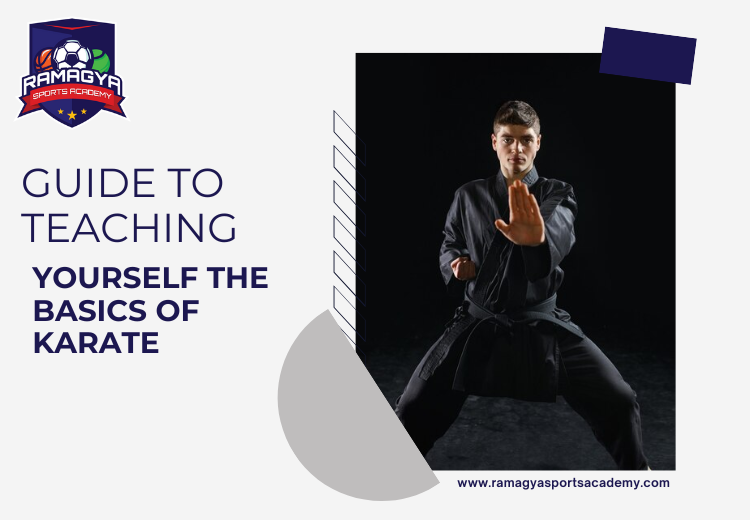
    Beyond only martial arts, karate is more. It is also a discipline that develops self-assurance, physical strength, and mental focus. Learn the fundamentals of Karate, and you can challenge yourself to focus on self-awareness, self-preservation, or wellness. Even while taking classes with a teacher is ideal for beginners, you may still teach yourself the fundamentals by being patient and dedicated. This blog will lead you through the fundamental strategies, pre-training methods, and mindset required to begin your Karate journey alone. It is essential to learn the Basics of Karate.

    What will we all go through in this blog?

    • Grasping Karate:  Karate is a traditional martial art from Japan that originated in Okinawa. It is characterized by the use of elbow and knee strikes in addition to punches and kicks. In addition, there is a focus on power, speed, and accuracy in the process execution.
      Karate experts, also known as karateka, follow a structured curriculum that includes combat (kumite), katas (structures), and fundamental techniques. You can advance in Karate by becoming an expert in the fundamental techniques.
    • Putting forth Objectives: Prior to jumping into preparing, finalizing your goals is fundamental. Would you like to learn Karate as a type of self-protection? Is it safe to say that you are keen on health, competition, or self-awareness? You will remain inspired and precise assuming you set clear, achievable objectives.
      Divide your objectives into short and long term goals. For example, following a particular method, further developing adaptability or moving up to the belt positions are instances of momentary objectives. Your objectives ought to be reasonable and ready to adjust to your own advancement and preferences.
    • Creating a Training Space: You should find a space that is suitable for practicing Karate safely and comfortably. This space should be large enough for you to move freely around without any obstacles. Remove any furniture or other objects that may pose a danger during training.
      To reduce the chance of injury, consider investing in a Karate Mat or using a non slippery surface. To enhance your training, ensure that you have adequate lighting and ventilation.
    • Basic Techniques: Become familiar with the essentials of positions like the normal position (shizen-tai), the front position, (zenkutsu dachi), or the horse riding position, (kiba dachi). Karate procedures are based on positions, which give strength, balance and power.
      • Punches: Practice fundamental punches like the straight punch (chokuzuki), uppercut punch (agezuki), and hook punch (kagizuki). Center around the proper arrangement, extension and withdrawal, as well as creating power with the hips.
      • Kicks: Become familiar with the key kicks like front kick (mae geri), roundhouse (mawashi geri) and sidekick (yoko geri). Keep your balance and focus on the extension, withdrawal, and chambering of the leg. 
      • Blocks – Learn the essential blocking techniques such as the inward (uchi) and outward (soto) block, as well as the downward. Practice the correct positioning of your arms and hands in order to effectively deflect incoming attacks.
    • Training Methods:
      • Solo Practice: Set aside time for solo sessions to improve your technique, build muscle memory, and improve coordination. Mirrors and video recordings can be used to check your technique and form.
      • Shadow Boxing Drills: Include shadow boxing drills in your training to simulate sparring situations and improve your fluidity. Visualize imaginary opponents, and practice punches and kicks with speed and accuracy.
    • Kata Practice: Learn and practice Karate Kata, which is a predetermined sequence of movements that simulates combat scenarios. Kata training improves coordination, balance, and concentration, while also teaching the principles of distance, timing, and rhythm.
      Strength training, flexibility exercises and cardiovascular workouts can be added to your Karate training. To improve your physical fitness, focus on functional strength, agility and endurance.
    • Mindset & Discipline: Karate is more than just physical techniques. It’s about developing the right mentality and discipline. Your training should be approached with humility, dedication and perseverance. Accept challenges as an opportunity for learning and growth.
      Even when the progress is slow or difficult, remain patient and persistent. To prevent injury, respect your body’s limitations and don’t push yourself past your limits. To improve your performance, cultivate self-awareness and mindfulness.
    • Requesting Feedback and Guidance: You can learn the basics of Karate by yourself, but seeking feedback and guidance from instructors or experienced practitioners will enhance your learning. To gain valuable insight, corrections and tips to improve, attend seminars, workshops or online courses taught by qualified instructors. Join local Karate communities or clubs to interact with other enthusiasts, share knowledge and receive mentorship. Open yourself up to constructive criticism, which can help you improve your technique and identify improvement areas.

    Conclusion:

    It is rewarding to teach Karate basics. This requires discipline, dedication and a growth-mindset. Understanding the fundamental techniques, methods of training, and mindset associated with Karate will help you lay a strong foundation for your personal journey to self-discovery. Set clear goals, create an environment conducive to training, and treat your training with patience and perseverance. Ask for guidance from instructors and experienced practitioners, and see challenges as an opportunity to grow. You can master the art of Karate with consistent practice and a positive attitude.
     

  • Karate: 5 Reasons Why Enrolling Your Child

    Karate: 5 Reasons Why Enrolling Your Child


    Karate for kids
    Choosing to teach your kids karate may turn out to be one of your best decisions ever. Beyond physical health and self-defense, karate has many other benefits, such as character development, confidence boosting, and teaching important basic skills.

    The advantages of karate for kids are given below:

    1. Increased Confidence and Self Esteem:
      Karate can help kids build self-confidence. Kids learn how to achieve their goals in the sport – whether that means mastering techniques or earning advanced belts – all the while increasing their sense of achievement and increasing self-esteem and confidence levels. It is one of the best advantages of karate.
      • Goal Setting and Achievement: In karate, progress is measured with a belt system. Children learn how to set goals for themselves as they strive for the next belt – an experience which they can transfer into academic studies or personal relationships.
      • Positive Reinforcement: Karate instructors encourage children by giving positive reinforcement and feedback, helping them believe in themselves and developing a positive sense of themselves. In such an environment, children will form positive associations between themselves and Karate for kids training.
      • Karate can help children face challenges: When they master difficult techniques and break boards, children become empowered. This experience often provides a much-needed boost of self-confidence and improves overall performance in school.
    1. Enhancing physical fitness and health:
      Karate for kids can be an ideal way to keep your kids physically fit. It provides a full-body exercise which improves strength, flexibility, and endurance.
      • Strength and Conditioning: Karate classes offer plenty of physical activity. From warm-ups, punches and kicks, and form practice to punches and kicks practice and form work, there is plenty happening during classes that helps strengthen both cardiovascular health and children’s physical strength.
      • Flexibility and Coordination: Karate for kids training requires precise movements that require coordination to improve flexibility and motor skills, while regular practice can improve balance and posture.
      • Healthy Habits: Engaging children in structured physical activities such as karate can help them form healthy habits early. Kids learn the value of regular exercise to create an overall healthier lifestyle as they age.
    1. Foster Discipline and Responsibilities:
      Karate training emphasizes discipline and responsibility. Children learn to respect both their teachers and peers while taking excellent care in maintaining their equipment.
      • Structure and Routine: Karate classes follow a structured routine designed to foster discipline and order among children. Children learn punctuality, correct uniform wear and respect for their dojo.
      • Self-Discipline: Karate practice requires hard work and perseverance from its participants, teaching children self-discipline by helping them appreciate that progress comes only with consistent practice and effort.
      • Responsibility: Karate helps children learn responsibility. From remembering to wear their gear for classes or practicing at home, karate teaches children the art of taking responsibility.
    1. Promotes Respect and Teamwork:
      Karate is built upon the foundations of respect and teamwork. Children learn to respect themselves, their teachers and fellow classmates while working together and supporting one another.
      • Mutual Respect: Karate fosters respect among its participants regardless of skill level or background. Children learn to bow before their instructors and each other as a sign of gratitude for sharing this training experience together.
      • Team Spirit: Although karate may appear to be an individual sport, its participation can bring many team-oriented activities and exercises for children. Children learn how to support each other, work collaboratively on techniques shared between techniques, and build an overall sense of teamwork and community spirit through this activity.
      • Solve Conflicts: Karate can help children learn to resolve conflicts peacefully, as it teaches them martial art isn’t about fighting, but about self-control.
    1. Self-Defense and Safety Awareness Skills:
      Karate can provide numerous advantages, with self-defense being one of the main draws. Both parents and children should learn to defend themselves when necessary.
      • Self-Defense: Karate can provide children with invaluable self-defense techniques that will equip them to defend themselves in case of an emergency situation, whether against bullies or any other dangers. These are indispensable abilities.
      • Awareness and Prevention: Karate training emphasizes awareness and prevention. Children learn to remain vigilant of potential dangers around them in order to stay out of potentially hazardous situations.
      • Confidence: Learning self-defense empowers children, building their sense of independence in emergency situations and making them less vulnerable to bullying or other dangers that target them. It is one of the most important advantages of karate for kids.

    Conclusion:

    There are numerous advantages to enrolling your child in karate that go well beyond the dojo. It’s an investment in their development as individuals, as well as in their physical and emotional wellbeing. Karate gives kids valuable life skills that will benefit them for the rest of their lives, from discipline and responsibility to confidence and self-esteem building. Karate is a decision you won’t regret making if you’re thinking about getting your child involved in an extracurricular activity.

    Read our Article: 7 Benefits of Karate and Martial Arts for Kids

  • Dance Class Etiquette: 10 Rules for Flawless Moves

    Dance Class Etiquette: 10 Rules for Flawless Moves

    Dance Class Etiquette: 10 Rules for Flawless Moves

    Dance Etiquette
    Entering a dance studio is like entering into another realm. Movement serves as both an art form and language in this setting. Stepping into a dance studio is like entering an oasis, where movement transcends as mere steps to express our souls. Dance class etiquette serves as the unspoken language to guide every dancer towards harmony and mutual respect on the dance floor, regardless of experience level or performance ability. To navigate it gracefully, dance etiquette must be upheld in all classes – regardless if you are an experienced dancer or taking your first steps into this arena. By adhering to these ten simple rules, the dancing floor remains an ocean of creativity, discipline, and joy for everyone involved:

    • Arrive Early: Being on time ensures a smoother start to class without interfering with warm-ups or choreography sessions. It also demonstrates respect for yourself, your fellow dancers, and your instructor. Being early to class not only guarantees that you won’t miss any important directions or explanations, but it also demonstrates your commitment to improving as a dancer. You show that you are committed to improving your abilities and that you are prepared to put in the necessary time and effort by being on time. By arriving on time, a positive atmosphere is set among class members that allows for learning while providing enjoyment as well.
    • Arrange Yourself Properly for Class: Being well prepared for dance class can help maximize your learning experience and honor both the instructor’s and other dancers’ efforts. To ensure the best class experience, this means wearing appropriate dance attire that allows for free movement and adhering to any dress codes set forth by your studio. In addition, make sure that you have all the necessary dance shoes and accessories, along with water for staying hydrated during class.
      Mental preparation is also vitally important. Arrive with an upbeat attitude, ready to fully engage in class activities and review previous material or choreography prior to classes to increase confidence and tackle new challenges with confidence. By arriving prepared, you demonstrate your dedication to making the most out of every moment spent in the studio, as well as contributing to an efficient and harmonious learning environment for everyone involved.
    • Listening to Your Instructor: Paying close attention to your instructor is integral to both your growth as a dancer and the success of your class as a whole. Paying attention to their guidance, corrections, and instructions ensures you understand the material being taught effectively and can execute it successfully. Make eye contact, nod in acknowledgement of understanding, and ask any necessary questions if clarification is required. Doing this demonstrates respect for their expertise and dedication to your growth as a student.
      To avoid disruptions ensure maximum engagement with your instructor, avoid distractions by making eye contact, nodding in confirmation and asking any pertinent queries when necessary. Don’t forget that your instructor is there to assist in helping you reach your potential and progress, so trust their expertise and follow their direction with an open mind and willingness to learn. Listening carefully and taking their lead not only increases your dance etiquette capabilities but also fosters an enjoyable class environment where all can thrive.
    • Respect Your Space: Ensuring a safe and conducive learning and practicing environment requires being conscious of one’s movements and spatial awareness in the dance studio in order to avoid collisions or disruptions between dancers. This can include being aware of any movements made that might collide with those around them and becoming disruptive to other dancers. Always place your belongings in designated areas and don’t scatter them around the studio, which could create hazards and clutter.
      Furthermore, be aware of your dance floor boundaries to prevent invading other dancers’ personal space. Respect any equipment or props provided by the studio by taking care to handle and return them after use. By showing consideration for both space and resources within it, you contribute to an atmosphere that encourages everyone involved to focus solely on training while enjoying every moment of their dance experience.
    • Stay Complimentary: Showing encouragement to fellow dancers is essential to creating an inspiring dance etiquette class environment. Show your classmates your support during performances or when they master difficult steps by cheering loudly for them and offering words of encouragement and constructive feedback when appropriate, appreciating their efforts and progress. Be mindful and attentive during partner or group exercises, cooperating with others and offering assistance when needed.
      Avoid negative criticism or judgmental behavior, which may undermine confidence and disincentivize students from fully engaging with the class. Opt instead for teamwork and camaraderie by realizing the individual strengths of all dancers within your studio and being supportive of them all. Doing this creates a nurturing atmosphere where everyone feels valued, respected and encouraged to reach their full potential.
    • Stay Concentrated: Staying concentrated during dance class is crucial to optimizing the learning experience and making the most of your studio experience. Try not to become distracted by checking your phone, engaging in side conversations, or letting your mind wander. These can all be distracting distractions that diminish learning experiences and lengthen studio visits.
      Instead, keep a tight focus on your instructor and the material being taught, taking in every nuance and detail of the choreography or technique taught. Attend classes attentively throughout, even during repetitive or review segments. There is always something new to learn or improve upon. Showing respect for your instructor, fellow dancers, and the art form demonstrates your etiquettes. Take each moment in class as an opportunity for growth and improvement by immersing yourself fully into dance practice – immerse yourself fully in movement’s joy!
    • Maintain Good Hygiene: Upholding good hygiene is not only necessary for personal comfort but is also an act of respect towards other dancers and the studio environment. Before attending dance class:
    1. Ensure that you are clean and fresh by showering or using deodorant.
    2. Bring along clean dance attire and bring a towel for wiping away sweat during breaks.
    3. Keep your dance shoes free from any unpleasant odors or perfumes, which could distract others or cause allergies in others. If you are feeling under the weather or suffering from a contagious illness, consider staying home to avoid spreading germs to others.
    4. Pay close attention to personal grooming habits like nail trimming and hair tying, as this will prevent injuries during class and reduce distractions.
      By practicing good hygiene, you contribute to creating an inviting and clean studio atmosphere and allow everyone involved in dance etiquette practice to concentrate fully on enjoying themselves!
    • Keep an open mind when receiving feedback: Incorporating feedback from both your instructor and peers as valuable opportunities to refine your technique and increase performance is integral to personal and artistic growth as a dancer. React appropriately when receiving feedback without becoming defensive or taking it personally, remembering that its purpose is to assist your growth. Be open-minded to suggestions for adjustments or corrections offered by others and ready to implement these into your practice.
      Engage with feedback proactively by seeking clarification or guidance when necessary, as well as actively soliciting the opinion of others regarding areas in which improvement may be needed. By showing humility and an eagerness to learn from feedback, you will not only accelerate your dancer’s development faster, but you will also contribute to an environment of mutual support within the dance community.
    • Respect Personal Boundaries: Recognizing and respecting personal boundaries are an integral component of creating an atmosphere conducive to safe dance studio practice. Be mindful of other dancers’ personal space while staying away from invading it without their express permission. When doing dancing routines or exercises, take care to avoid making physical contact with others and always get permission before doing so.
      You should be mindful of your peers’ emotional limits and avoid making improper or intrusive remarks about their personal lives, abilities, or attractiveness. Treat everyone with kindness, empathy, and respect in all of your encounters. Be nice, considerate, and courteous. Respecting your limits fosters a culture of trust among dance etiquette communities, which empowers all participants to express themselves fully via dance.
    • Make Sure You Enjoy Dancing: Above all else, remember to enjoy yourself while dancing! Dancing can be a joyful way of expressing movement and emotion, so take full advantage of all that dance offers by engaging fully with music, choreography, and fellow dancers while remaining positive and enthusiastic! Allow yourself to let go of inhibitions and self-doubt and fully immerse yourself in the joy of dancing. Don’t be embarrassed to laugh at yourself or make mistakes; that’s part of learning!
      Be proud of every small triumph and milestone achieved, such as mastering an unfamiliar step or experiencing music through your body. Celebrate every small success and success. Attracting dance classes with an atmosphere of fun and playfulness not only increases your enjoyment but also contributes to creating a lively and joyful studio space. So let go of any inhibitions, express yourself freely, and dance from the heart!

    Conclusion:

    Etiquette in dance is more than just rules; it demonstrates respect for art, instructors and fellow dancers. By adhering to these ten simple guidelines, dancers contribute to creating an uplifting and supportive environment where everyone can flourish. Let us honor dance traditions by including etiquette as part of our practice, ensuring every class not only offers lessons in technique but also builds camaraderie and mutual esteem between dancers.
    As we leave our dance studios behind us, let us remember the lessons of etiquette we learned there. May our dedication to dance class etiquette demonstrate our respect for the art form while building an inclusive community that upholds one another both on and off the dance floor.

    Read our Article: Art of Dance: The Universal Language of Expression