Category: Diet Tips

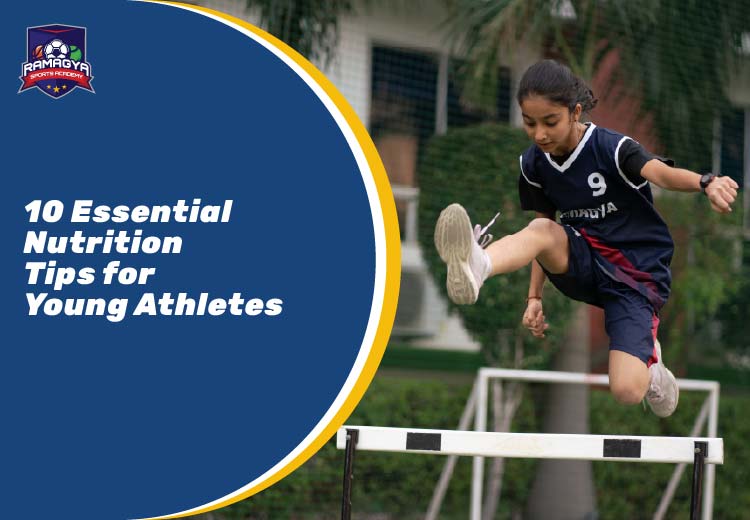
  • 10 Essential Nutrition Tips for Young Athletes

    10 Essential Nutrition Tips for Young Athletes

    Growing Strong Starts with Eating Right

    Athletes train for hours while learning new skills and putting their best effort in every day. Whether it’s running around in the fields, swimming, practicing in a sport or preparing for competitions, kids use lots of energy for staying active. Along with practice and discipline, their body also needs the right food to stay healthy and perform well. 

    Eating healthy can help kids stay more energetic, recover faster and be ready for their next workout. Small changes in eating habits everyday can have a big impact over time. That is why following the right nutritional tips becomes important for young athletes.

    Why Nutrition Matters for Young Athletes

    Children who regularly play sports need a balanced diet as their bodies are still growing. The right diet will help them:

    • Be active during training
    • Help to promote growth and development
    • Recover from hard exercises
    • Strengthen and increase stamina

    Sports and nutrition work best when they are in harmony with each other.

    Nutrition Tips for all the Athletes

    1. Never Skip Breakfast

    Breakfast is a great way to start the day. Kids who skip breakfast may feel:

    • Tired during practice
    • Less focused
    • Always low on energy

    A balanced breakfast can include milk, fruits, eggs, oatmeal, and whole grains. A good breakfast can help to boost your performance later in the day.

    1. Drink Enough Water

    Hydration is among the simplest, yet most important habits. Young athletes lose water while:

    • Running
    • Training
    • Playing Sports

    Drinking water consistently helps in staying hydrated and reducing fatigue. Children should drink plenty of water before, during, and after any physical activity.

    1. Include Protein in Daily Meals

    Protein is essential for muscles to recover from injury and get stronger. The best sources are:

    • Milk
    • Paneer
    • Eggs
    • Lentils
    • Yogurt

    Protein is especially beneficial after training sessions.

    1. Eat Fruits and Vegetables Every Day

    Fruits and vegetables provide vital nutrients that aid the body to in staying fit and healthy. They support:

    • Immunity
    • Recovery
    • Energy levels

    Adding colorful fruits and vegetables makes meals healthier and more balanced.

    1. Do Not Depend Too Much on Packaged Snacks

    Packaged snacks may feel easy but often do not provide lasting energy. They are not even healthy to consume on a regular basis. Instead, they can eat:

    • Fruits
    • Nuts
    • Homemade snacks
    • Yogurt

    Simple food choices help in improving performance.

    1. Add Healthy Carbohydrates

    Carbohydrates provide energy to train and play. The best options are:

    • Rice
    • Roti
    • Oats
    • Potatoes

    These meals help children in staying energetic, and reducing laziness for a longer period of time.

    1. Plan Meals Around Training Time

    A proper timing of meals can make young athletes feel better and comfortable during practice. Eating:

    • Light meals before training
    • Healthy meals after training

    Helps in better recovery of all the muscles in your body.

    1. Include Healthy Fats

    Healthy fats support overall growth. Children can include:

    • Nuts
    • Seeds
    • Whole milk dairy
    • Avocado

    Balanced eating supports long-term development. 

    1. Do Not Ignore Recovery Meals

    After a workout, your body requires food to recover itself. Simple post-workout meals can consist of:

    • Protein rich diet
    • Fruit and milk
    • Sandwiches
    • Yogurt bowls
    • Berries
    • Sweet Potatoes

    Recovery meals help prepare the body for future training sessions.

    1. Build Healthy Eating Habits Slowly

    Diet should feel practical and easy to follow. Children do not need strict diets. Small changes can help:

    • Consuming meals on a regular basis
    • Drinking enough water
    • Making healthy food choices

    Consistency is more important than gaining perfection. It will give you better results in the long run. These nutrition tips are very easy to follow. Even adults can follow these tips and stay healthy.

    Food and Performance Work Together

    Sporting skills do not develop only through training sessions.The food that kids eat each day plays a significant role when it comes to how their bodies feel, perform, and recover. 

    Make sure they eat the right food when needed, to boost endurance, nutrients and make children be more energized during physical activities. When healthy eating and regular practice go together, children are able to enjoy sports more comfortably and continue improving step by step.

    Parents Play an Important Role

    Young athletes form their habits at their home, which is why parents are a crucial part of their training. Children often follow what they see around them such as eating habits and meal schedules. Parents can help children by creating a healthy eating environment and encouraging healthy choices instead of focusing on restrictions.

    Parents can support young athletes by:

    • Providing adequate sleep and diet
    • Encouraging eating at the right time
    • Offering healthy snacks during busy days
    • Making kids understand the importance of hydration in daily routine
    • Taking care of their health and nutritional values

    Such choices can help kids stay fit, active and well-prepared for their athletic journey. Healthy eating, adequate water intake and regular meals aid in the growth of children and make training more effortless. 

    Simple, consistent habits, and best nutrition tips at home given by parents can help children develop a positive relationship with food and understand the importance of nutrition while growing.

    FAQs

    1. Why is nutrition important for young athletes? 

    Nutrition helps support growth, energy, recovery, strength, and overall sports performance.

    1. What should young athletes eat before practice? 

    Light meals with carbohydrates and balanced nutrition help provide energy before training. 

    1. Is hydration important for children in sports? 

    Yes, drinking enough water helps maintain energy and supports better physical performance. 

    1. Are protein-rich foods important for young athletes? 

    Yes, protein supports muscle recovery and helps children stay stronger during training. 

    1. What are some simple nutritional tips for young athletes? 

    Eat balanced meals, stay hydrated, avoid skipping breakfast, and choose healthier snack options regularly.

  • How to Eat Healthy Without Compromising Your Fitness Goals?

    How to Eat Healthy Without Compromising Your Fitness Goals?

    It’s easy to eat healthy however when you are trying to match it with your fitness goals, it might seem complicated. A lot of people believe that eating healthy means eating less, removing all of the tasty food from your life or following a strict diet. The reality is different. Healthy eating is about the right balance, making smart decisions, and knowing what your body needs. 

    In this blog, we will learn how to eat well while staying consistent with your fitness goals, and how to enjoy your meals without guilt. We will also explore how balance is more important than limitations and how even tiny everyday steps can help you get long-term results.

    Healthy eating doesn’t need complex recipes. Choose food that is close to its natural form: fruits, vegetables, whole grains, nuts, seeds, dairy, and lean protein. These foods provide your body with the energy required to perform your workout. Simple foods help keep your stomach hydrated, aids in digestion and helps in the recovery of muscles. If you eat well your body feels energetic instead of tired.

    Timing is a major factor in a healthy diet. For achieving your fitness goals, the body requires to be fuelled at the correct time. Before you exercise, choose the best pre workout snack to do an effective workout. It can be something lighter but still energizing such as the banana, peanut butter toast, some nuts, or yogurt. This can help you feel energetic when exercising, without feeling heavy.

    Even after training, your body still requires carbs and protein in order to replenish itself. A healthy diet in the right amount could alter your performance.

    Also read: What to Eat Before and After Your Workout?

    Healthy eating doesn’t mean removing carbs or eating just proteins. Your plate should have a mix of:

    Balancing your plate means taking care of all the important nutrients in your body. Your plate should have all the required carbs, fats, proteins and minerals so that you will not feel weak during your fitness journey. Focus on slow and steady growth instead of rushing into a diet routine that you won’t be able to follow after some time.

    Water is the most basic but most neglected aspect of eating a balanced diet. Dehydration can slow down your metabolism, weaken your body and cause you to feel exhausted all the time. Sometimes you might feel like you are craving for food but actually it could also be a way of your body asking for water. Drink plenty of water all day long, and not just when you are thirsty. Hydration aids in recovering your muscles faster and makes digestion healthy.

    Many people believe that eating less calories will improve their fitness. Fitness requires strength, and strength is derived from nutrition. A healthy diet means consuming the right foods, but without limiting your intake too much. Make sure you control your portions instead of starving yourself.

    Eating too little will reduce your energy levels, slow your metabolism down, and make workouts harder than normal. You could experience dizziness, cravings or constant tiredness if your nutrition drops too far below expectations. Instead of eating less, focus on eating smart.

    Making plans helps you avoid making last minute unhealthy eating choices. If you plan meals or snacks in advance you are more aware of what you’re eating. This helps you in eating a balanced diet easily without putting too much pressure on yourself.

    1. Don’t Overthink Food

    Healthy eating is easier once you don’t stress about it. Pay attention to your body. Eat whenever you feel hungry, stop eating when you have eaten enough, and avoid emotional eating. Make it simple. A relaxed mindset will help to eat more effectively.

    Healthy Fitness Snack Ideas

    1. Peanut Butter + Banana

    A classic mix. It gives you quick energy, healthful fats and keeps you full, without feeling heavy.

    2. Greek Yoghurt with Honey

    Rich in protein and great for muscle recovery. Add a drizzle of honey for natural sweetness. Protein-rich and excellent for muscle recovery. Add a drizzle of honey to give it a natural sweetness.

    3. Handful of Mixed Nuts

    Almonds, walnuts and cashews are rich in healthy fats that keep your energy levels stable throughout the day.

    4. Protein Smoothie

    Blend milk or yoghurt, with a fruit and one tablespoon of protein powder (optional). It is a very filling and ideal post-workout snack.

    5. Sprouts Chaat

    A refreshing, light bowl of fibre and protein. Add onions, lemon and tomatoes to enhance the flavour.

    6. Cottage Cheese (Paneer) Cubes

    It is high in protein and very satisfying. You can add a pinch of spice or Chaat masala.

    7. Apple Slices with Nut Butter

    Crunchy, sweet and energising. It’s the best for pre-workouts.

    8. Boiled Eggs

    Protein-rich, easy to carry and great for those times when you need something fast.

    9. Roasted Chana

    It is a very affordable and healthy snack that is a source of High fibre and keeps you full for a longer period of time.

    10. Oats Bowl

    Mix oats and milk with water. Add fruit or nuts. Light, filling, and great for digestion.

    FAQs

    Q1. Is healthy eating expensive?

    Not really. Basic foods like fruits, vegetables, dal, eggs, sprouts, and homemade snacks are cheap and healthier than packed food.

    Q2. What is the best pre workout snack for energy?

    A banana, yoghurt, peanut butter toast, or a handful of nuts are great options. They give quick energy without making you feel heavy.

    Q3. How much water should I drink?

    You should drink at least 2-3 litres of water everyday. Drink more if you sweat a lot or work out. Listen to your body.

    Q4.  Is snacking bad?

    Snacking is fine if you choose healthy options like nuts, fruits, sprouts, eggs, or yoghurt. Avoid packaged snacks.