Category: Blogs

  • Exploring the Diversity of Hip Hop Dance: A Journey through Styles, and Origins
    Exploring the Diversity of Hip Hop Dance: A Journey through Styles, and Origins

    Exploring the Diversity of Hip Hop Dance: A Journey through Styles, and Origins

    Hip Hop Dance
    Hip-hop dance has quickly taken the world by storm, captivating viewers with its infectious beats and innovative innovations. In this blog we’ll introduce various styles of hip hop dance along with their histories.
    Hip hop dancing has evolved into an intricate fine art with many diverse styles and techniques over time. Anyone can discover their perfect hip-hop dance form – be it the energetic style of Krumping or fluid footwork of House Dance.
    As we explore each of the five styles of hip hop dancing in greater depth in subsequent sections, highlighting their distinct traits, historical context, and cultural relevance – so get ready to experience hip hop’s rhythm! So put on your dancing shoes and prepare to move!

    What Is Hip Hop Dance?

    Hip-hop dance is more than a series of steps; it is an expression of creativity and experience from its practitioners, reflecting their individual experiences and individual styles of expression ranging from breaking, locking and popping (Krumping), each with their own distinctive steps and feel.  Artists utilize their bodies to convey feelings, and thoughts, frequently drawing motivation from their own lives and connections. From freestyle battles on street corners to choreographed routines on stage, dance gives a stage to performers to feature their ability and connectwith crowds on a more profound level. 

    Origins of Hip Hop Dance:

    The roots of hip-hop dance can be traced back to New York City’s Bronx in the 1970s. Dance emerged as a source of inspiration for marginalized groups, particularly among African American youth and Latino youth who used it as a means of self-expression. The artists combined physicality, athleticism and rhythm with storytelling to create unique styles and movements.
    The artists created unique styles and movements that mirrored their urban environment and cultural heritage, combining physicality, athleticism, rhythm, and storytelling. Over time, these casual social occasions advanced into coordinated dance contests and exhibits, establishing the groundwork for the hip-hop dance scene we know today.
    Despite its humble beginnings, hip hop dance immediately gained popularity spreading to the urban cities across the US and eventually around the world. Today, it remains a vibrant and influential form of artistic expression, inspiring countless dancers and shaping popular culture across continents. There are many types of hip hop dance. 

    Five Types of Hip Hop Dance:

    1. Breaking: Breakdancing is a hip-hop dance style that has been around for ages. The New York City street dance began in the 1970s. It is characterized by dynamic movements, acrobatics and improvisation. Breakers or B-girls perform unpredictable footwork and twists. They often freeze and twist in time with the beat of the music. Breaking is a hip-hop genre that is known for its physicality and innovative spirit. It is one of the types of hip hop dance. 
    2. Popping: A unique hip-hop style, popping is defined by quick movements called pops or hits. Artists contract their muscles and relax them in a rhythmic manner to create the illusion of locking or popping joints. Beginning during the 1970s, it gained fame close to other hip hop dance styles. It emphasizes accuracy, control, and musicality, frequently integrating robotic movements and confinements. Popping features the dancer’s capacity to control their body in a state of harmony with the music’s beat and rhythm.
    3. Locking: Locking is a dynamic and vigorous style of hip hop dance that began during the 1970s. Dancers perform particular movements called locks, where they freeze in specific poses and then continue with fluid movements. This form creates a sense rhythm and groove focusing on the timed beats of the music. Locking is described by its perky and expressive nature, frequently integrating components of comedy and storytelling into the movement. It’s a high-energy dance structure that supports uniqueness and self-expression.
    4. Krumping: Krumping is an electrifying style of hip hop dance that emerged in the mid 2000s. It’s known for its aggressive and expressive developments, frequently described by swift, jerky movements and serious looks. Krumping is well established in the feelings and encounters of the artists, filling in as a type of therapy. Dancers participate in “battles,” where they showcase their abilities and imagination through improvised movements, making a raw and strong dance experience.
    5. House Dance: House dance is a dynamic and lively style that started in the clubs of Chicago and New York City during the 1980s. It has components of jazz, funk, and Latin dance, represented by smooth motions, footwork, and unpredictable advances. House dancers frequently dance to the beat of house music, creating a dynamic and irresistible enthusiasm on the dance floor. This style stresses the opportunity for articulation and inventiveness, making it a popular choice for dancers hoping to improvise with the music and communicate their thoughts through movements.

    Conclusion:

    All in all, hip hop dance is significantly more than simply a type of entertainment. It is a strong  cultural phenomenon that has risen above limits and united individuals from varying backgrounds. By embracing the variety of these dance styles, learning its beginnings, and encountering its all round benefits, people can set out on an extraordinary journey of self-discovery, imagination, and strengthening.
  • Exploring the Benefits of Indoor Physical Activities for Kids

    Exploring the Benefits of Indoor Physical Activities for Kids

    Exploring the Benefits of Indoor Physical Activities for Kids

    Physical Activities For Kids

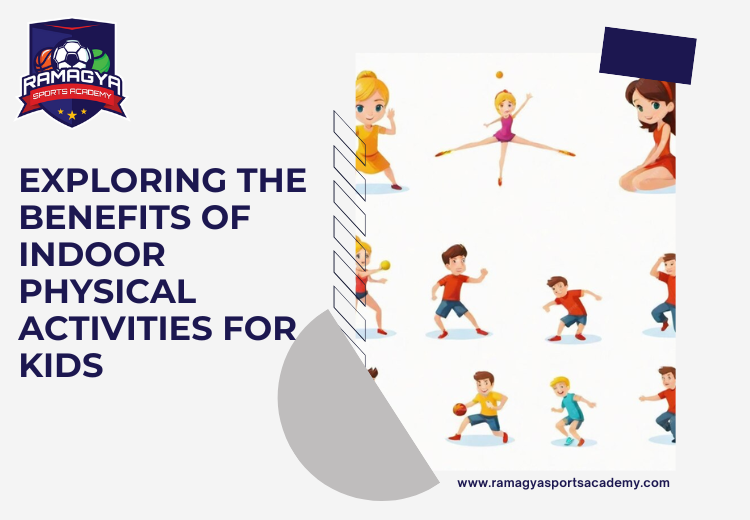
    In the current era of fast-paced digital technology with screens that seem to rule the most in children’s lives, the importance of physical activities for kids can’t be overemphasized. While outdoor play is an activity with irresistible appeal, indoor activities provide a myriad of advantages that are often ignored.
    From offering a secure haven whatever the weather, to helping foster the development of social skills and cognitive abilities indoor spaces provide the perfect environment for the growth and development of children. In this piece, we dive into the treasures hidden in indoor sports and discover the reasons why they are crucial to the overall health of children.

    Benefits of Indoor Physical Activities for Kids

    Take part in our discussion as we explore the many benefits that children can reap in the world of indoor play

    1. All-Weather Accessibility:

    One of the main benefits of physical activity in the indoor environment is their accessibility regardless of the weather. No matter the weather, hot, warm or cold wind indoor spaces are an environment that is safe for children where they can enjoy physical activities without a hindrance. This ensures that kids keep their active lifestyles all year round, which promotes greater health and wellbeing.

    1. Safety and Security:

    Indoor areas provide a controlled and safe environment for children to play and discover. Parents can feel secure knowing your children will be safe from hazards outside like traffic and strangers or even rough terrain. In addition indoor facilities are typically outfitted with safeguards, such as padding flooring or age-appropriate equipment which reduce the chance of injuries occurring during the time of play.

    1. Diverse Activity Options:

    From obstacle courses to dance parties, to yoga sessions or indoor games, the selection of activities that can be done indoors is almost endless. This variety allows kids to discover a variety of areas of interest and develop new hobbies while staying active. If it’s a formal class or play for free, indoor spaces provide plenty of opportunities for children to take part in activities that are tailored to their needs and preferences.

    1. Social Interaction and Team Building:

    Physical activities for kids  indoors encourage collaboration and social interaction by fostering abilities that go beyond games. When they are working together on a project with a group or cheering on each other in a sporting event, kids gain valuable lessons in co-operation, communication and empathy. These activities establish the foundation for healthy interpersonal relationships and the skills that are crucial to succeed in both academic and social situations.

    1. Cognitive Development:

    Physical activity isn’t only beneficial to the body but it also enhances cognitive development and improves brain functioning. Activities that require problem-solving and strategizing or creative thinking are a great source of mental exercises for children. When they’re on the course of an obstacle or creating new dance routines, children are always engaging their minds as they have fun, increasing their cognitive skills and improving their academic performance.

    1. Stress Relief and Emotional Well-being:

    In our fast-paced society children aren’t in a position to avoid anxiety and stress. Outdoor activities are natural outlets for the release of tension and energy that has been stored up that promotes well being and relaxation. It doesn’t matter if it’s jumping on the trampoline, focusing on mindfulness with yoga, or just a dance to their favorite tunes children can relax to recharge and relax in a supportive and nurturing space.

    1. Family Bonding Opportunities:

    Indoor activities provide great chances to bond as a family and spend time with each other. It doesn’t matter if it’s a game on the weekend indoors or taking a fun family fitness class, taking part in activities that are physically challenging as a family can strengthen relationships and help create lasting memories. These experiences together create feelings of family and connection, which is essential in the modern world of distractions.

    1. Holistic Development:

    Physical activities indoors help children develop in a variety of ways. They help children become strong and healthy. Children learn to play with their peers and become friends. Indoor activities help to make them more thinking and imaginative. They also feel happier and less stressed. Families can play together and have fun creating strong bonds. When they play indoors, kids establish good habits that remain throughout their lives. Moving isn’t just about a simple thing and growing, but it’s about advancing to the fullest extent possible!

    Why is physical activity so important for children?

    Physical activity is essential for the overall health of children and their growth for a variety of reasons:

    1. Physical health: Regular physical exercise aids children in building healthy bones, muscle and joints, which promotes the growth of healthy children and their development. It also lowers the risk of being overweight as well as type 2 diabetes, heart disease and other chronic illnesses later in life. 
    2. Motor Skills: The act of engaging in physical activities for kids like running, jumping and climbing help children build fundamental motor skills, such as coordination, agility, and balance which are vital for daily tasks as well as playing sports.
    3. Cognitive Performance: Physical Activity has been associated with improved cognitive performance, which includes more concentration, focus, and memory. It boosts brain development and improves neural connections which positively affect academic performance.
    4. Emotional well-being: The release of endorphins is neurotransmitters that help to promote feelings of well-being and happiness which reduce stress, anxiety and depression among children. Physical exercise also gives you an effective outlet for managing emotions and dealing with difficulties.
    5. Social Skills: Engaging in physical activities promotes cooperation, teamwork, and communication, which helps build friendships and social skills. While playing team sports or participating with others in activities that involve groups, kids acquire valuable lessons on cooperation and the resolution of conflicts.

    Conclusion:

    In the end, indoor physical activities provide a wealth of advantages for children including physical health and development of the brain, as well as emotional wellbeing, and social abilities. Through providing a safe and comfortable environment to play in indoors, children are able to develop strong muscles, sharp minds, and strong connections. From improving the ability to move, to encouraging cooperation and stress relief, these activities play a vital part in encouraging long-term habits of health and wellbeing. Incorporating the hidden gems of indoor play will ensure that children are healthy physically as well as socially, setting the stage for a better and more exciting future.

  • A Beginner’s Guide for Squash: Getting started with the sport

    A Beginner’s Guide for Squash: Getting started with the sport

    A Beginner’s Guide for Squash: Getting started with the sport

    Squash Court

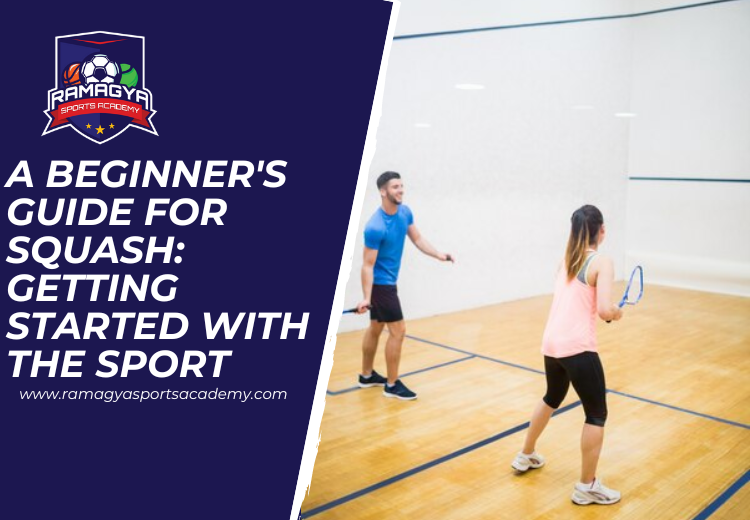
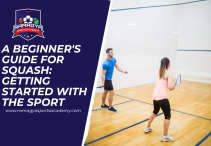
    In an enclosed court, squash is an intense tennis game that combines skill, strategy, and mobility. Due to its physical and mental demands, this English-born sport has spread around the world and drawn participants of all ages. Squash is an entertaining game for both new and seasoned players, whether you want to play for enjoyment, improve your skills, or increase your level of fitness.

    Introduction to Squash

    • Squash is played by the two participants (singles) as well as four people (doubles) inside an enclosed court with a length of 32 feet and 21 feet wide. 
    • The court’s walls and floors are constructed of sturdy materials that can resist the force of the ball. Players bounce back and forth with the rackets.
    • The goal of squash players is to beat your opponent by striking the ball on the wall above the “tin”(a lower boundary line) so that the opponent cannot return it until it has bounced twice. 
    • Points are awarded when a player fails to return the ball properly or surrenders an error because of an interference or other rule violation.

    Physical and Mental Benefits for young children

    Mental Benefits:

    Some mental benefits are:

    Mental Benefits

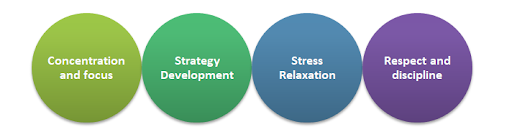
    • Concentration and focus: Squash requires constant attention to the ball’s movements and your opponents’ movements, thus improving the ability to concentrate.
    • Strategy Development: Players need to anticipate shots and adjust strategies in the course of play improving their problem-solving skills.
    • Stress Relaxation: Physical activity releases endorphins, which reduce stress and increase a sense of overall well-being.
    • Respect and discipline: Squash requires players to be disciplined in their practices and matches, and patience while looking for a moment to make a strategic move. This helps develop qualities like determination and self-control.

    Physical Benefits:

    Some physical benefits include:

    Physical Benefits

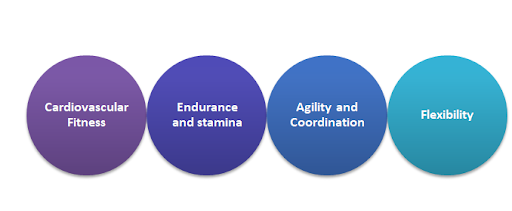
    • Cardiovascular Fitness: Squash is an intense aerobic exercise that improves the endurance of your heart and improves your health.
    • Endurance and stamina: Speed and endurance racket exercises in squash boost muscle strength, particularly in the leg muscles and arms.
    • Agility and Coordination: Squash improves reflexes, agility, and hand-eye coordination through rapid movements in direction of the precise shot.
    • Flexibility: The vigorous stretching and movements that are included in squash help to increase flexibility, which increases flexibility in joints, while decreasing the chance of injuries.

    Ramagya Sports Academy’s Squash classes

    Ramagya Sports Academy offers comprehensive squash programs that are designed to suit players of all ages and levels of skill. It is located at Noida Sec-50, our state-of-the-art facilities include:

    • Coaching: Our well trained coaches utilize advanced teaching methods to help players improve their skills in strokes, footwork, tactics, and game strategies. Each lesson is centered around individual training plans that are tailored to each player’s specific strengths and areas for improvement.
    • Junior Programs: Our junior programs emphasize youngsters’ development with our specialized junior squash programs that emphasize the development of technique, sportsmanship and competitive capability.
    • Unbeatable Squash Courts in Noida: Ramagya Sports Academy offers state-of-the art squash courts that create the ideal conditions for an unforgettable experience. The facility has multiple courts with the latest technology, providing a relaxing and professional setting for players of all ages.
    • Facilities beyond the courts: Ramagya Sports Academy is not only about squash courts or coaching; it provides a full sporting experience. The facility offers modern amenities like locker rooms for changing, gym facilities and a fully-equipped gym to enhance your squash instruction.

    The reason why Squash’s popularity is growing:

    The rising popularity of squash could be attributed to a number of reasons:

    • Accessibility: Courts for squash games are becoming more common in gyms, schools, and sports facilities which makes it more attainable to people from a variety of backgrounds.
    • Health and Fitness Trends: The importance of fitness and physical activity is growing, squash’s popularity as a full-body workout that is intense is a major factor in its popularity.
    • Professional Endorsement: The accomplishment of squash professionals at the international level has raised the profile of the sport and enthused aspiring athletes around the world.
    • Social and competitive engagement: Squash offers opportunities for social interaction as well as competitive engagement that appeal to those who are looking for friendship and a challenge for themselves.
    • Flexibility: Squash game can be played all year round and is able to accommodate a variety of levels of ability which makes it a popular option for athletes who want to keep their fitness levels and speed of advancement.

    In the end, squash isn’t just a physical activity that improves athletic fitness and sharpness as well as social interaction. No matter if you’re starting this squash adventure as a newbie or aiming to develop your abilities, Ramagya Sports Academy provides an ideal setting to study to grow, improve, and excel in this thrilling sport.

    Discover the joy in squash court now and discover the many possibilities squash has for personal growth and enjoyment!

  • 5 Benefits of Pilates That Might Convince You to Add It to Your Workout Regimen

    5 Benefits of Pilates That Might Convince You to Add It to Your Workout Regimen

    5 Benefits of Pilates: Reasons to Add It to Your Workout Routine

    Benefits of Pilates
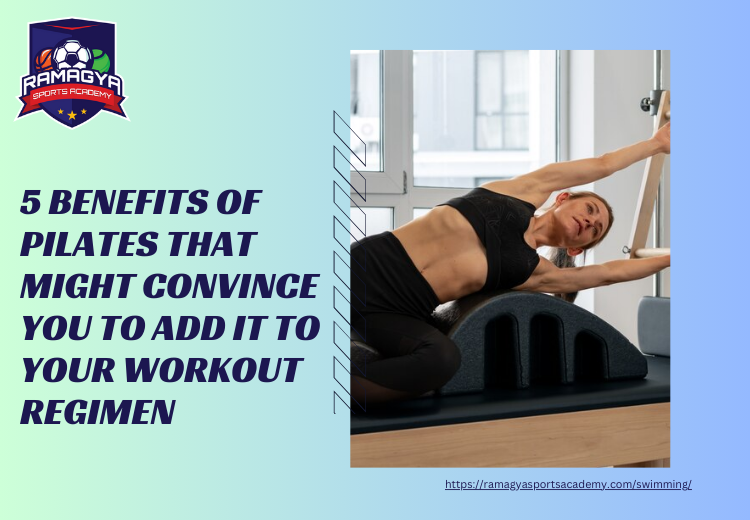
    There are many benefits of Pilates as it is a physical fitness practice that specializes in strengthening core muscles while increasing flexibility and body awareness. Now renowned as a popular training program due to its mind-body transformational effects, Pilates has quickly become one of the world’s premier training methods. Pilates is a fitness method that focuses on flexibility, strength and overall health. It is designed to help you build muscle throughout your body, especially in the lower back, hips, and abdomen. Pilates uses core muscles to help maintain posture and balance. By engaging these core muscles through Pilates practice, one can improve balance, posture and alignment to reduce the risk of injury while increasing physical fitness overall. 
    Pilates exercises focus on controlling breathing and movement, with practitioners learning to coordinate both in order to complete exercises using either resistance from their body weight, such as using equipment like the reformer, Cadillac and chair or by using your weight as resistance. Pilates is highly adaptable, making it suitable for people of all fitness levels–from novices to experts–and is simple to modify to meet individual needs. Pilates is well known for placing emphasis on quality over quantity of movements, encouraging participants to concentrate on precision and alignment rather than number of moves performed. Pilates helps develop mind-body connections to strengthen mindfulness and reduce stress by insisting every exercise be completed with awareness and control.

    1. Improved Core Strength: 

    Pilates’ primary principle is strengthening of the core, providing the foundation for all other exercises. Pilates also has the power to stimulate and strengthen deep abdominal muscles such as pelvic floor muscles, multifidus abdominis and transverse abdominal musculature. Pilates is an exercise program that strengthens and stretches the entire core from classic techniques such as Hundred and Teaser to more challenging ones such as Plank or Side Plank. Participants have reported better posture, less lower back pain, increased endurance and strength gains as a result of practising Pilates. Overall, Pilates provides an effective means of increasing both general fitness and core strength simultaneously with exercises suitable for every fitness level and increasing body awareness while working those deeper within core muscles.

    1. Enhanced Flexibility:

    Pilates focuses on simultaneously lengthening and strengthening muscles are among its major benefits. Pilates emphasizes expanding muscles and strengthening them. This results in a more slimming, flexible body than the traditional strength exercises, which can lead to bigger muscles and less flexibility. Flexibility is a crucial but often overlooked aspect of fitness and health. Pilates increases flexibility through various stretching and lengthening movements that increase joint and muscle mobility. Pilates improves mobility and flexibility in the entire body by strengthening muscles, relaxing tension, and increasing flexibility through regular exercise. Pilates prevents stiffness and muscle imbalances through the use of controlled movements and alignment. This helps with movement and reduces injury risk.

    1. Increased Body Awareness:

    Pilates helps to establish a strong connection between body and mind through a series of controlled and precise exercises that help increase consciousness of alignment, muscle activation, and movements. Concentration, which entails maintaining a conscious mind throughout the workout and keeping your attention on every move, is among the fundamental aspects of Pilates. With increased awareness of the body, students can identify weak points, areas of stress or imbalance. Pilates is a method of encouraging people to complete exercises with the correct posture and alignment by focusing on precise control in each move. The practice teaches people to utilize certain muscle groups while reducing unnecessary tension or strain by moving slowly and mindfully. This focus on precision encourages a greater understanding of the activation of muscles and movement mechanics, which improves body awareness as time passes.

    1. Injury Prevention:

    Pilates is well known for its ability to improve body awareness, increase flexibility and strengthen muscles – all key factors for avoiding injuries. Pilates can be an extremely low-impact yet highly effective way to reduce the risk of common musculoskeletal ailments, whether you are an athlete, fitness enthusiast or recovering from an accident. People can lower the risk of acute and chronic injuries by learning how to prevent excess strain on joints and tissues through appropriate form and alignment during workouts. Pilates offers an effective approach for staying injury-free and experiencing life’s joys through movement and activity, whether your goal is preventing sports-related injuries, recovering from past accidents, or simply maintaining optimal musculoskeletal health. By using appropriate form and alignment while exercising, people can lessen the needless pressure on their bodies and guarantee a risk-free activity.

    1. Stress Relief and Mental Well-being:

    Pilates is good for mental health, stress management and physical conditioning. Stress has become a part of modern life in our fast-paced world. This can cause a variety of physical and mental health problems. Pilates is a holistic health approach that combines deliberate breathing with conscious movement. It helps people to manage stress and improve their mental state. Pilates helps to stretch tense muscles and reduce discomfort. This physical release can have a direct effect on mental health, encouraging feelings of ease and relaxation. It is an excellent opportunity to disconnect from the outside and concentrate on yourself and your body. This is a great opportunity to focus on your own body and disconnect from the world. It is important to take time out for yourself and your self-analysis, especially with the pace of life today.

  • Fitness for all: Tailoring Workouts for Different Fitness Levels

    Fitness for all: Tailoring Workouts for Different Fitness Levels

    Fitness for all: Tailoring Workouts for Different Fitness Levels

    Fitness
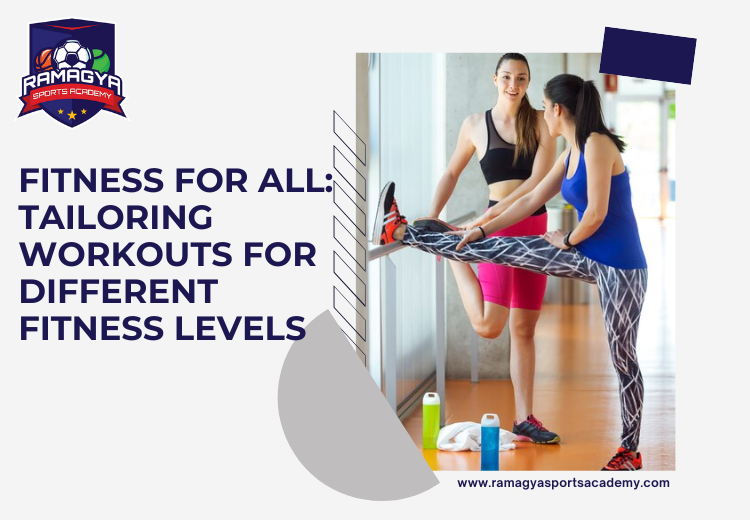
    Being fit today involves more than just keeping an amazing appearance. It is also about having fun and taking proper care of your health and living your life to the highest degree. At Ramagya Sports Academy, we think that everyone can achieve health and wellness, regardless of where they are in life.
    We’ll support you every step of the way, whether you’re just starting out on the correct track to health or an accomplished contender looking to amp up your game. 

    Assess your fitness levels:

    Before you begin any exercise routine, it’s essential to assess your fitness level. This allows us to create an individual plan that is tailored to your specific desires and needs. Here at Ramagya Sports Academy, we begin by evaluating several important elements of fitness

    • Cardiovascular Endurance: It’s about how your lungs and your heart collaborate to provide the body with oxygen when you exercise. We’ll evaluate your stamina using routines like walking at a fast pace, cycling, or jogging.
    • Muscle and Strength Tone: The strength of your body is vital for daily routines as well as to keep your body fit and healthy. Strength of the muscles can be evaluated through exercises like push-ups, Squats, or lifting weights.
    • Mobility and flexibility: Flexibility can prevent injuries and enhance mobility overall. Check your flexibility by assessing how much you can stretch joints and move them throughout their entire mobility.
    • Personal Goals: Understanding the goals you wish to accomplish and what workouts you like helps us create an exercise program that keeps you engaged and enthusiastic in your exercise journey.

    Enhance Your Fitness Journey with Ramagya Sports Academy:

    • A customized workout plan for you:

    After we’ve evaluated your fitness level and objectives, our professional trainers will develop a customized exercise program just for you. We tailor our plans to meet the requirements of various fitness levels:
    Beginners: If you’re just beginning to get into exercise Don’t be worried! The program will begin with gentle exercises to establish an enduring foundation:

    • Cardio: Begin with gentle exercise like walking or running on the treadmill. Gradually increase the duration and intensity as you improve your fitness.
    • Strength: Invest in basic exercises like bodyweight movements (e.g. lunges, squats, etc.) to improve endurance and strength.

    Intermediate: For those who are familiar with fundamental exercises we’ll offer challenging and varied exercises:

    • Cardio: Engage in activities such as swimming, running or cycling to build endurance and cardiovascular fitness.
    • Strength: Start using equipment that can be used to strengthen your body, like resistance bands or dumbbells to build strength and improve your overall body tone.

    Advanced: If you’re seeking to take you fitness level to highest step, then our advanced fitness programs can help you reach your the highest level of performance:

    • High-Intensity Interval Training (HIIT): Alternate between intense workouts and short recovery times to maximize the burning of calories and increase endurance.
    • Specialized Training: Personalize your training sessions with advanced techniques such as plyometrics, Olympic lifting and sports-specific exercises to achieve the specific goals of your sport.

    • Diet Plans to Optimal Health

    Fitness isn’t just about exercising, it’s important to fuel your body with proper nutrients. Our nutritionists from Ramagya Sports Academy will work together with you to develop an individual diet plan that will help you achieve your fitness goals.
    We will provide you with diet plans according to your health issues, calorie intake and well being. You can always consult our dietitian who will always be looking out for you as to how to give you a perfect die pan.

    • Balanced Nutrition: Focus on the importance of a balanced diet that’s with lean proteins Whole grains, fruits and vegetables that will boost your fitness and overall health.
    • Hydration: Drink plenty of water prior to, during, and following exercise to help support your performance and recovery.

    • Safety and Progression

    Here at Ramagya Sports Academy, your security is our top priority. We stress proper warm-up practices along with cooldowns and proper exercise methods to avoid injuries and encourage recuperation:

    • Warm-Up and Cool Down: Begin every session by doing dynamic stretches and exercises to get your muscles ready for exercises. Then, you can finish with static stretching to improve flexibility and decrease the soreness of your muscles.
    • Gradual Progression: At our gym, the goal is to gradually increase the intensity and difficulty of your training as your fitness increases to ensure steady progress and avoid limitations.

    • Training in Strength and Cardio for all

    We provide you strength and cardio training according to your fitness level. They are crucial parts of a complete fitness regimen:

    • Cardiovascular Exercise: Enhance the health of your heart and burn calories through exercises like cycling, jogging, zumba or you can use cardio machines.
    • Strength Training: Develop muscle and bone density and boost your metabolism by doing exercises like weightlifting, resistance training and bodyweight exercises.
    • Supportive Environment

    Participating in Ramagya Sports Academy means becoming part of a welcoming community that’s committed to health and well-being:

    • Expert guidance: Our trainers will motivate to guide and assist you in each exercise, while ensuring that you are using the right technique and form.
    • Motivation and Encouragement: Join a community of fellow members who are on the same experience, celebrating your accomplishments and sharing challenges.

    • Keep track of your progress

    The feeling of progressing is both inspiring and rewarding. We at Ramagya Sports Academy, we’ll assist you in tracking your accomplishments and milestones:

    • Fitness Assessments: Continually assess your fitness levels to determine the improvement in endurance, strength and flexibility.
    • Goal Setting: Establish realistic goals that are achievable and achievable with the help of our trainers. They will keep your focus and motivation.

    Are you ready to join us in Ramagya Sports Academy to begin on your journey towards fitness?

    We’ll help you through all the way regardless of whether you want to build strength, lose weight or just feel more relaxed overall. 
    Join us at our gym, where everyone is able to get fit and we can all make a difference in your life through reaching your fitness goals. To begin your road towards a better and happier version of yourself, get in touch with us right now to schedule your personal fitness evaluation!

  • History of Indian Classical Dance

    History of Indian Classical Dance

    History of Indian Classical Dance

    Classical Dance
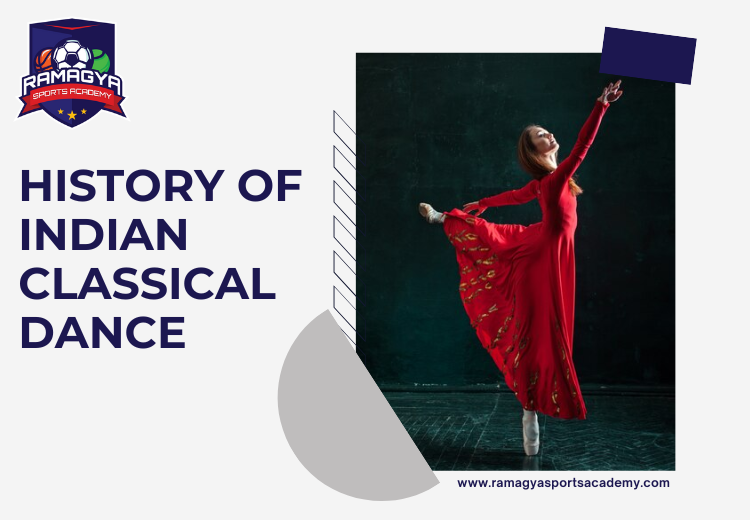
    Indian traditional dances are colorful, energetic dance forms that have evolved over thousands of years, showcasing the country’s rich history and variety. They have their roots in old manuscripts and religious customs on the Indian subcontinent. There are many different kinds of Indian classical dance, each having its own techniques, aesthetics, and cultural significance.
    History of classical dance has its roots in ancient manuscripts and illustrations from the Indus Valley Civilization, when dance forms were depicted on seals and ceramics. In several parts of India, dancing has developed over time as an essential component of religious rites, narratives, and cultural expression.
    Bharatanatyam is one of the oldest traditional dance forms. It was developed inside Tamil Nadu’s temples and is distinguished by its elaborate dancers, elegant motions, and emotive expressions. Similar to this, Odissi, which has its roots in the temples of Odisha, is well known for its graceful movements, expressive stances, and poetic narration.
    Other classical dance styles include Andhra Pradesh’s Kuchipudi, Kerala’s Mohiniyattam, and Manipur’s Manipuri. Each has its own unique form and style. Every Indian classical dance style, despite regional variations, shares basic features such as rhythmic patterns, abhinaya (expression), and hand gestures used by dancers.
    In the present, Indian classical dance has gone beyond the traditional boundaries, earning acceptance and recognition on the international and national stage. The world’s most renowned choreographers and dancers continue to develop and adapt traditional dance forms to current themes, guaranteeing their vitality and relevance in the 21st century.

    Origins and Ancient Roots:

    History of classical dance traces its roots to ancient scriptures, religious rituals, and other cultural practices passed through generations throughout this Indian subcontinent. The origins of classical dance can be traced to the Vedas, which are old Hindu texts dating back to about 1500 BCE that contain references to dancing as a means of worship and expression. In addition, dance is a form of expression in Natya Shastra, a Sanskrit treatise about performing arts attributed to the Sage Bharata Muni, believed to be the primary source of Indian classical dance. It contains specific instructions on dance moves, aesthetics, gestures and movements.
    Dance has been a significant element in Indian culture for a long time, and various regional styles have emerged and changed as time has passed. Temples were the leading centres for the protection and promotion of dance. Devadasis (temple dancers) danced there as part of festivals and religious celebrations. The ancient dance forms were profoundly rooted in spiritual storytelling and mythology and served to communicate moral and philosophical philosophies.
    Ancient artifacts, paintings, literature, and other works offer valuable insight into the rich history and variety of Indian classical dance. From intricate carvings of temple wall paintings to poems of epics from the past, such as the Mahabharata and the Ramayana, dance is described as a sacred artistic form that transcends all boundaries and connects us to the spiritual. Therefore, the roots of Indian classical dance are deeply within the cultural fabric of past India and have shaped its culture and its legacy throughout the millennia.

    Influence and impact:

    The influence and impact that come from Indian classical dance go well beyond its significance in the context of culture in shaping society, the arts and the spirituality of the Indian subcontinent. With time, social dance has been a potent means of expressing emotion in a way, telling stories, and keeping cultural traditions. Its influence is witnessed in many facets of daily life, from religious ceremonies and social rituals to literature, music and the visual arts.
    One of Indian ballet’s most considerable effects is its contribution to creating a sense of community and identity among various ethnic groups. Dance events, festivals, and workshops connect people and encourage their understanding of and appreciation for other cultures. Furthermore, History of classical dance bridges the gap between the past and present, connecting contemporary viewers to ancient traditions and timeless wisdom.
    In addition, Indian classical dance has created a new generation of musicians, artists, filmmakers and choreographers. And has influenced the development of other forms of art and cultural expressions. Its aesthetics, rhythmic patterns, and expressive movements have found a place across various creative disciplines and have enriched the visual landscape of India and around the globe.
    Furthermore, classical dance plays crucial roles in personal and spiritual development, providing practitioners with the opportunity to express their feelings, meditate, and self-discover. Through disciplined training and diligent studying, dancers develop skills like patience, discipline, and mindfulness, all of which are vital to the success of their professional and personal lives.

    Conclusion: Celebrating the Legacy of Indian Classical Dance

    In conclusion, the rich history of Indian classical dance is a testimony to the rich heritage of culture and the artistic heritage of Indian dance. Indian subcontinent. From its earliest roots in rituals of religious significance and rituals of temples to contemporary manifestations on the world stage, classical dance has transformed into a vibrant and diverse artistic form of art that crosses the boundaries of space, time, and culture. Through the ages, the classical dance form has been a potent instrument for telling stories, expression, and spiritual discovery, as well as for expressing India’s various cultural traditions and convictions.
    Additionally, Indian classical dance has had a significant impact on society, defining social identity, fostering cohesion, and sparking creative innovation across different disciplines. The influence of classical dance can be seen throughout life, including music and literature, cinema, theatre, and more.
    Additionally, the art of classical dance continues to flourish and develop in the modern world as dancers and lovers continue to preserve and innovate on old traditions while embracing new forms that allow for collaboration and expression. 
    As the custodians of this incredibly vast cultural heritage and heritage, it is our collective responsibility to recognize, protect, and promote Indian classic dances for the upcoming generations, making sure it’s beauty as well as importance remain for the ages to come.

  • Beyond the Boundary: Exploring the World of Cricket

    Beyond the Boundary: Exploring the World of Cricket

    Beyond the Boundary: Exploring the World of Cricket

     
    World of Cricket
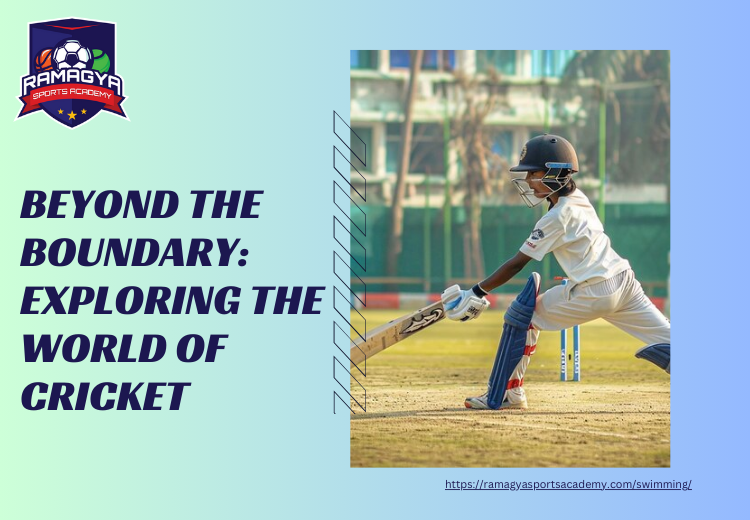
    In India, cricket is often regarded as a religion. It has now become a part of our society. Cricket unites people of all ages, genders, and orientations, from dusty town fields to glittery urban arenas, like no other sport. This blog will give you a comprehensive look at the game of cricket in India. We’ll examine how it inspires young people, its importance in community, and initiatives such as Ramagya Sports Academy’s collaboration with Crickingdom, led by none other than Rohit Sharma himself! 

    Cricket’s Rise to Popularity in India

    Cricket’s journey in India was one of excitement, enthusiasm and unending affection. It was introduced during the British Colonial era, and immediately captured the hearts of Indians. Over time, the game became more than just a sport. It became a noble sensation for the people. The game’s legendary triumphs, tragic defeats and the legends have all contributed to its position as the nation’s favorite pastime.

    The Unifying Power of Cricket

    Cricket is unique in its ability to overcome obstacles. Cricket is a game where everyone on the field is equal, regardless of whether you’re rich or poor, urban or rural. Families gather around TVs to watch matches. Friends talk endlessly about players and teams, and strangers become friends over their shared love of the game. Cricket is a game that has the ability to unite people. It encourages a sense of community and friendship unmatched.

    Inspiring the Young Generation: Impact Famous Young Cricketers in India

    Some of the inspiring cricketers are:

    • Rohit Sharma: The Hitman of Cricket

    Rohit Sharma is known in Indian cricket as “the Hitman” for his effortless stroke play and ability to score big runs. The fact that he has gone from being a promising cricketer to setting world records in limited-overs is a testament to his dedication and expertise. Rohit inspires young cricketers through his calm disposition in stressful situations and his ability to change coordinates with his batting abilities. His success shows young players that flexibility, consistency, and a love for the game are all necessary to achieve great things.

    • Virat Kohli: The Firebrand Leader

    Virat Kohli began his journey to fame at a very young age. Virat is also called “the King of Cricket.” His dedication, passion, energy and unwavering determination have helped him become a well-known name. Kohli is admired by teenagers for his batting skills, as well as his competitiveness and leadership qualities. Innumerable young cricketers have been inspired by his journey from a talented teen to the captain of the Indian cricket team. 

    • Smriti Mandhana: Breaking Barriers

    Smriti Mandhana is a pioneer of women’s cricket in India.  Known for her elegant stroke play and consistent performances, she has shattered stereotypes and proved that gender is no barrier to success in cricket. Mandhana’s rise to prominence very early in her career has inspired young women all over the country to take cricket seriously and pursue their passion for the sport. Her success is a sign of encouragement and strength, showing young girls that they can also achieve significance on the field.

    • Shafali Verma: The Teenage Sensation

    Shafali verma is one of the youngest players to represent India in cricket. She is a role model for young cricketers who are looking to improve their game. Her fearless attitude and ability to hit boundaries have inspired a new generation of female cricketers with confidence and enthusiasm. Verma’s early success in cricket is a reminder that age doesn’t matter when it comes to achieving significance.

    • Hardik Pandya: The All-Rounder Sensation

    Hardik Pandya’s dynamic and all-round skills have captured the imagination of young cricketers. Hardik Pandya’s ability to coordinate with the bat and the ball is a great example for aspiring all-rounders. Hardik’s journey from playing street cricket to representing India at the highest level resonates with youngsters who dream of making a mark in the sport. Hardik’s bravery and confidence on the field inspire young cricketers to improve their skills and seize every opportunity.

    Impact on Young Minds

    The journeys of such cricketers have left a lasting impression on the young personalities in India. These cricketers have demonstrated that anyone can progress in the game of cricket with dedication, confidence, and hard work. They have raised the bar for the game and inspired a new generation to believe in themselves and pursue their dreams of playing cricket. Whether on dusty playgrounds or in state-of-the-art academies, their stories motivate young cricketers to strive for greatness and embrace the values of sportsmanship, teamwork, and resilience.

    The Ramagya-Crickingdom Cricket Partnership

    Ramagya Sports Academy and Crickingdom (the cricket foundation founded by Rohit Sharma) have teamed up to provide an exceptional cricket program in Noida, Sec-50. Ramagya Sports Academy offers master training and best-in-class facilities for different sports, including cricket. It is one of the best academies for Cricket. 
    Their cricket program focuses on holistic development, covering technical skills, physical fitness, mental conditioning, and strategic understanding of the game.
    Crickingdom’s joint effort brings together elite preparation methods and Rohit Sharma’s expertise. Together, they aim to maintain youthful ability and offer aspiring cricketers the best opportunities to improve their skills and pursue their cricketing ambitions. 
    This organization improves the standards of training and gives youth the opportunity to be successful in the world of serious cricket.

  • Exploring the Diversity of Hip Hop Dance: A Journey through Styles, and Origins

    Exploring the Diversity of Hip Hop Dance: A Journey through Styles, and Origins

    Exploring the Diversity of Hip Hop Dance: A Journey through Styles, and Origins

    Hip Hop Dance
    Welcome to the world of hip hop dance! Hip-hop dance has quickly taken the world by storm, captivating viewers with its infectious beats and innovative innovations. In this blog we’ll introduce various styles of hip hop dance along with their histories.
    Hip hop dancing has evolved into an intricate fine art with many diverse styles and techniques over time. Anyone can discover their perfect hip-hop dance form – be it the energetic style of Krumping or fluid footwork of House Dance.
    As we explore each of the five styles of hip hop dancing in greater depth in subsequent sections, highlighting their distinct traits, historical context, and cultural relevance – so get ready to experience hip hop’s rhythm! So put on your dancing shoes and prepare to move!

    What Is Hip Hop Dance?

    Hip-hop dance is more than a series of steps; it is an expression of creativity and experience from its practitioners, reflecting their individual experiences and individual styles of expression ranging from breaking, locking and popping (Krumping), each with their own distinctive steps and feel.  Artists utilize their bodies to convey feelings, and thoughts, frequently drawing motivation from their own lives and connections. From freestyle battles on street corners to choreographed routines on stage, hip hop dance gives a stage to performers to feature their ability and connectwith crowds on a more profound level. 

    Origins of Hip Hop Dance:

    The roots of hip-hop dance can be traced back to New York City’s Bronx in the 1970s. Dance emerged as a source of inspiration for marginalized groups, particularly among African American youth and Latino youth who used it as a means of self-expression. The artists combined physicality, athleticism and rhythm with storytelling to create unique styles and movements.
    The artists created unique styles and movements that mirrored their urban environment and cultural heritage, combining physicality, athleticism, rhythm, and storytelling. Over time, these casual social occasions advanced into coordinated dance contests and exhibits, establishing the groundwork for the hip-hop dance scene we know today.
    Despite its humble beginnings, hip hop dance immediately gained popularity spreading to the urban cities across the US and eventually around the world. Today, it remains a vibrant and influential form of artistic expression, inspiring countless dancers and shaping popular culture across continents. There are many types of hip hop dance. 

    Five Types of Hip Hop Dance:

    1. Breaking: Breakdancing is a hip-hop dance style that has been around for ages. The New York City street dance began in the 1970s. It is characterized by dynamic movements, acrobatics and improvisation. Breakers or B-girls perform unpredictable footwork and twists. They often freeze and twist in time with the beat of the music. Breaking is a hip-hop genre that is known for its physicality and innovative spirit. It is one of the types of hip hop dance. 
    2. Popping: A unique hip-hop style, popping is defined by quick movements called pops or hits. Artists contract their muscles and relax them in a rhythmic manner to create the illusion of locking or popping joints. Beginning during the 1970s, it gained fame close to other hip hop dance styles. It emphasizes accuracy, control, and musicality, frequently integrating robotic movements and confinements. Popping features the dancer’s capacity to control their body in a state of harmony with the music’s beat and rhythm.
    3. Locking: Locking is a dynamic and vigorous style of hip hop dance that began during the 1970s. Dancers perform particular movements called locks, where they freeze in specific poses and then continue with fluid movements. This form creates a sense rhythm and groove focusing on the timed beats of the music. Locking is described by its perky and expressive nature, frequently integrating components of comedy and storytelling into the movement. It’s a high-energy dance structure that supports uniqueness and self-expression.
    4. Krumping: Krumping is an electrifying style of hip hop dance that emerged in the mid 2000s. It’s known for its aggressive and expressive developments, frequently described by swift, jerky movements and serious looks. Krumping is well established in the feelings and encounters of the artists, filling in as a type of therapy. Dancers participate in “battles,” where they showcase their abilities and imagination through improvised movements, making a raw and strong dance experience.
    5. House Dance: House dance is a dynamic and lively style that started in the clubs of Chicago and New York City during the 1980s. It has components of jazz, funk, and Latin dance, represented by smooth motions, footwork, and unpredictable advances. House dancers frequently dance to the beat of house music, creating a dynamic and irresistible enthusiasm on the dance floor. This style stresses the opportunity for articulation and inventiveness, making it a popular choice for dancers hoping to improvise with the music and communicate their thoughts through movements.

    Conclusion:

    All in all, hip hop dance is significantly more than simply a type of entertainment. It is a strong  cultural phenomenon that has risen above limits and united individuals from varying backgrounds. By embracing the variety of these dance styles, learning its beginnings, and encountering its all round benefits, people can set out on an extraordinary journey of self-discovery, imagination, and strengthening.
  • Best Basketball Drills for Beginners

    Best Basketball Drills for Beginners

    Best Basketball Drills for Beginners

    Basketball Drills
    Basketball is a fun sport that everyone can master and enjoy, no matter if you’re just beginning or trying to enhance your skills. Beginning with the basics, and progressing slowly will make a significant improvement in your performance. Regular practice is essential to improving your skills and performance in basketball.
    We’ll take a look at some of the most effective basketball drills that beginners can learn, that are designed to help you improve your skill development.

    Importance of Basketball Drills for Beginners

    Basketball skills are crucial as they assist beginners to develop fundamental skills of basketball like shooting, dribbling, passing and defending. They also help improve coordination, fitness and teamwork. When you practice these drills regularly beginner players will gain confidence and build a solid base for their basketball career.
    These drills will aid in the your skill development:

    Ball Handling Drills

    • Stationary Dribbling: Sit in a place and play with both hands, focusing on control while maintaining your head high.
    • Figure 8 Dribbling: Roll the ball in your legs, in a figure eight pattern, switching hands.
    • Dribble Tag: Join forces with a friend and attempt to tag one another while dribbling, focusing on the speed of it and controlling.

    Shooting Drills

    • Form Shooting: Stand next to the basket, and focus on correct shooting form, grip the stance, follow-through, and grip.
    • Spot shooting: Shoot from different spots around the key, with a focus on accuracy and consistency.
    • Layup Drills: Begin under the basket, and then practice layups with both hands, and focusing on using the backboard.

    Passing Drills

    • Chest Passes: Sit with your partner to practice passing the ball with the chest pass technique with a focus on strength and accuracy.
    • Overhead Passes: Try using the overhead pass in order to simulate passing over the defenders
    • Outlet Passing: Begin by putting your feet under the basket, and then try passing the ball over to a player on the other side of the court. with a focus on distance and accuracy.

    Footwork Drills

    • Defensive Slides: Work on doing laterally while keeping your body in a low position and keeping your body in the middle of the basketball and the offensive player.
    • Jump Stops: These are a good way to practice stopping rapidly and in a controlled manner by being able to land on both feet to keep the balance, and get ready for shooting or passing.
    • Pivot Drills: Exercise pivots both feet in order to change direction and shield the ball from the defenders.

    Rebounding Drills

    • Box out drill: Work on getting yourself in the middle of the basket and the player to make sure you are secure with rebound.
    • Tap Drills: Tap the ball against the backboard and practice gripping the rebound using both hands.
    • Team Rebounding: Collaborate with your teammates to create game-like scenarios where you are competing for rebounds.

    Game Situational Drills

    • 3 on 3 Scrimmages: Play games with small sides to test offensive and defensive skills in a safe environment.
    • Speed Breaks Drills: Train in transitioning between offense and defense in a short time with a focus on passing and finishing with a basket.
    • Shots Under Pressure: Shoot with either a defender or duration limit in order to mimic the pressure of a game.

    Conditioning Drills

    • Suicides: The best way to prevent suicide is to run through the center of the court to reach the free-throw line, return to baseline back to half-court, then return to the baseline, focussing on endurance and speed.
    • Interval Sprints: Alternate between sprinting, and jogging to increase endurance and cardiovascular fitness.

    Tips for Effective Practice

    The practice of these drills can aid in developing fundamental skills of basketball.

    • Training and Strength: Include strength-training exercises that are specific to basketball, like leg exercises to help you jump with explosive force and core exercises to build endurance and stability. A solid foundation in your physical fitness will greatly improve your performance. It is among the most essential elements of the fundamental basketball skills.
    • Set Goals: Create short-term and long-term objectives for your basketball skills as well as overall performance. Set goals that are specific and measurable will help you monitor the progress you make and keep you focused through your training.
    • Relaxation and Recovery: Give yourself enough time for recuperation and rest between practices and games. Resting your muscles allows them to recover, decreases the chance of injury, and makes sure that you are at your peak during competitions and practices.
    • Nutrition: Keep a healthy diet that includes plenty of vegetables, fruits protein, lean proteins, as well as whole grains. A healthy diet fuels your body to perform at its best on the court and aids in the recovery of muscles after workouts that are intense.
    • Game Awareness: Build a solid knowledge of basketball rules strategies, tactics, and game scenarios. A good understanding of the game’s flow as well as defensive and offensive tactics and court position improves your ability to make decisions and improves overall performance as a player.
      Implementing these suggestions in your basketball routine, along with practices and drills will help your progress and achievement in the sport. Continue to work hard and have fun on your basketball experience!

    Conclusion

    Incorporating these basketball drills in your routine of practice to improve your game and enjoy playing more. Remember that basketball is more than the physical skills of players. It’s about teamwork, strategy and enjoying yourself.
    When you’re shooting hoops in the company of teammates or participating in a tournament These drills can aid you in becoming more proficient and enjoy the game to the maximum.
    Be consistent, keep practicing and watch your abilities increase!