Category: Blogs

  • 15 Intriguing Indoor Activities to Maintain Your Fitness at Home

    15 Intriguing Indoor Activities to Maintain Your Fitness at Home

    15 Intriguing Indoor Activities to Maintain Your Fitness at Home

    Indoor Sports It may be challenging to find the time and space to have fun in outdoor activities in this growing and developing world of today. However, building a healthy lifestyle and staying active depend on many factors other than just the outside weather and facility accessibility. Indoor games and sports provide an accessible alternative that keeps bodies active. Indoor sports offer the ideal way to stay fit while having a blast and connecting with family and friends without leaving the comfort of your own home.  From cardiovascular workouts to just relaxing after a long day at work, there’s an indoor sport out there perfect for everyone. There’s something to suit any sports enthusiast at home – from classic table tennis and basketball shootout to unique activities such as indoor climbing and yoga. We will explore 15 indoor games and sports that you can easily play in your living space – giving inspiration and ideas on how to turn your living area into an arena of athletic fun and enjoyment!
    1. Table Tennis: For players of all ages, table tennis is a dynamic indoor activity that never stops being exciting. Table tennis can fit easily into any size home because all you need is a table, paddles and ball to set it up. This fast-paced sport builds reflexes, hand-eye coordination and mental agility for hours of fun competition with family or alone! Whether you’re playing singles or doubles, table tennis offers endless entertainment and excitement, making it a popular choice for indoor recreation at home. Its accessibility and adaptability make it a popular choice for fans of indoor sports all around the world, encouraging happiness and companionship in the comfort of your own home.
    1. Yoga:  Recognized for both its physical and mental well-being benefits, yoga stands out among indoor games and sports as one of the premier practices. Requiring only a yoga mat and peaceful space, this timeless discipline offers an oasis of serenity within your home. From gentle stretching sessions to invigorating flows, this ancient art promotes relaxation, stress relief, inner balance, and peace within each practitioner. It ends up creating harmony among body, mind, and spirit. At the same time, you practice in the comfort of your own home!
    1. Dance Fitness:  Dance fitness, the lively combination of exercise and entertainment, has rapidly grown as one of the premier indoor sports. All it takes to transform your home into an authentic dance studio is a music playlist and an open space. Dance fitness offers an effective full-body workout with infectious rhythms and movements. For cardio, strength training, coordination training, choreographed sequences or freestyling you can choose music that you enjoy as your playlist for dance fitness routines. Whether taking online classes or freestyling to your tunes, dance fitness offers enjoyable full body workouts all within the comfort and convenience of home!
    1. Mini Golf: Mini golf brings the excitement of the fairway right into your living room for an engaging indoor sports experience. By using household items such as cups, cardboard and putters to build a mini golf course yourself at home you can challenge both your skills and competitive spirit in this fun game. Mini golf provides endless entertainment for players of all ages, offering precision cutting or maneuvering around tricky obstacles as well as friendly competition. Construct a course complete with twists, turns and hazards and get set for hours of family fun or friendly competition! Mini golf offers an immersive way to experience the excitement of golf without ever leaving home, all while cultivating creativity through designing your course layout and customizing its features – providing an outlet for your imagination. Furthermore, mini golf helps develop focus, hand-eye coordination and strategic thinking skills as you try for that elusive hole-in-one! Get set for an indoor golfing adventure like no other!
    1. Martial Arts:
    Renowned for both its physical and mental benefits, martial arts is an acclaimed indoor sport. All it requires to start training is a designated space with basic equipment like mats and training gear. Just imagine being able to practice different disciplines like Karate, Taekwondo or Judo from your home! Martial arts training always provides you discipline, focus, self-confidence and physical well-being while strengthening your strengths, flexibility and coordination. From forms, drills or sparring techniques – martial arts is an all-inclusive workout for both the body and mind! Furthermore, self-defence skills developed from this art form empower individuals to protect themselves in different situations – and promote them further with martial arts mastery right within your living room! So, take up this challenge of self-improvement to begin your martial arts journey right now.
    1. Trampoline Jumping: 
    A thrilling indoor activity that provides enjoyment right in your own home is trampoline jumping! All you need is a strong trampoline and lots of space to start your exhilarating, high-flying adventure and get an intense workout in the process! In addition to improving cardiovascular health, trampoline jumping works the arms, legs, and core muscles. It’s a low-impact method that works well for developing proprioception, balance, and coordination. Just remember safety precautions when watching kids to make sure everyone has a fun time jumping!
    1. Pilates: 
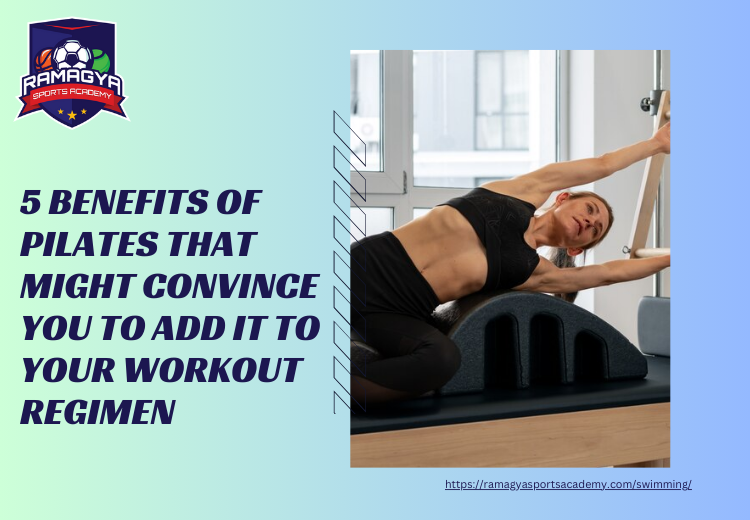
    Pilates, an increasingly well-liked kind of indoor exercise, provides a thorough workout with an emphasis on building flexibility, strengthening core muscles, and raising body awareness in general. All you need is a mat and some basic equipment, such as Pilates rings or resistance bands, to do a variety of targeted muscle group exercises. Pilates emphasizes controlled movements, proper breathing techniques, and precise alignment. Thus by making it suitable for individuals of all fitness levels. Pilates can provide both beginners and seasoned practitioners with a challenging yet low-impact workout that promotes both physical and mental well-being. Pilates can transform your home fitness regimen by helping to improve posture, reduce back pain and increase overall body strength and stability. Explore its mind-body connection for yourself and experience all its transformative advantages as an indoor sport!
    1. Boxing: 
    Boxing can add excitement and variety to any home fitness regimen. Armed with just a punching bag, gloves, and some open space, you can unleash your inner fighter for an intense cardio and strength training workout. This engages multiple muscle groups simultaneously while improving agility, coordination, endurance, stress relief and empowerment. Whether shadowboxing solo or sparring with others – boxing at home delivers an incredible fitness experience!
    1. Hula Hooping: 
    A fun indoor activity you can do at home is hula hooping, which provides a dynamic workout that strengthens your core, enhances your coordination, and promotes cardiovascular health. Get a hoop and some room, and observe how a dynamic workout challenges muscles, strengthens the core, enhances cardiovascular health, and engages people of all ages and fitness levels. It even infuses daily routines with playful movement and injects creativity and fun into workouts!
    1. Charades: 
    A timeless indoor game that will provide hours of amusement and laughter for friends and family alike is Charades. This timeless guessing game, which requires no equipment at all, encourages creativity and communication skills as players pretend to be words or phrases without speaking between rounds and have teams guess them in the allotted amount of time. Charades promote teamwork, quick thinking, improvisation and team spirit, making it ideal for parties or cozy nights. With every round offering new surprises – such as film titles, animals or landmarks- it brings new surprises while creating memories together that’ll last a lifetime!
    1. Pillow Fort Building: 
    Pillow Fort building is an enjoyable childhood pastime that transforms any living space into an imaginative retreat. Utilizing blankets, pillows and furniture you can craft elaborate structures using blankets, pillows and furniture that spark creativity while encouraging teamwork. Building a pillow fort also develops problem-solving skills as you design and construct your very own hideaway!  Once completed, it provides the perfect environment for storytelling, reading, or simply relaxing with loved ones – providing hours of creative play at home that foster bonding, imaginative play and endless fun – perfect for bonding time indoors! So gather your materials, unleash your creativity and embark upon this whimsical adventure right in your own home!
    1. Balloon Volleyball: 
    Balloon volleyball is an entertaining indoor game that can bring the thrills of court volleyball right into your own home! Simply with a balloon and some makeshift boundaries, you can set up a thrilling match that tests agility and teamwork. Players volley back and forth using either their hands or makeshift paddles to keep it aloft! It suits players of all ages and skill levels alike. It promotes hand-eye coordination as well as physical activity for improved hand-eye coordination as well as bonding opportunities among family and friends alike!
    1. Jump Rope: 
    Without taking up much room, jump rope is a well-known and effective indoor workout that offers a pleasant method to improve coordination and cardiovascular fitness. A jump rope and some open floor space are all you need to get started. Skip rope is great for people of all ages and fitness levels as it works several muscle groups, strengthens agility, and improves endurance. Suitable for all ages and fitness levels alike, it offers a high-intensity cardio workout tailored specifically for you based on personal pace/goals achieved and practice basic jumps. Jump rope is a dynamic way to stay active at home while also staying healthy!
    1. Twister: 
    Twister, the classic game of physical skill and flexibility, brings laughter and fun to indoor gatherings. Using its colourful mat and spinner, this entertaining game challenges players to contort their bodies without falling over in order to reach specific spots without falling. Twister promotes balance, coordination, and core strength, making it popular with both children and adults. Whether bending, stretching or twisting, Twister offers an exhilarating way to stay active indoors–perfect for family game nights, parties or any time when movement and laughter are encouraged!
    1. Chair Exercise:
    It provides a practical and affordable way to maintain an active lifestyle, especially for people with restricted space or mobility. You can perform a range of muscle-targeting exercises that enhance strength, flexibility, and cardiovascular health while using a chair. Chair exercises can be tailored to accommodate individuals with varying fitness levels and abilities. These exercises include arm circles, marches, leg lifts, and chair squats. Whether you’re seeking to fit in a quick workout in between meetings or add low-impact rehabilitation exercises for recovery, chair exercises are a fantastic kind of a workout to incorporate fitness into your daily routine. Chair workouts are a convenient and safe approach to keep up your fitness level at home.

    Conclusion:

    Indoor sports provide an accessible, enjoyable way to stay physically and mentally engaged regardless of external conditions. No matter your skill level or family size, these indoor activities offer endless opportunities for enjoyment, fitness and fulfillment. From indoor soccer’s adrenaline rush to yoga’s tranquility, each sport provides its own distinct set of benefits and rewards. So don’t wait–clear some space, gather your gear, and begin an exploration journey of indoor athleticism! With dedication, enthusiasm, and creativity at your side, your home can become an amazing arena of sporting excitement and adventure – get ready to up your indoor game and embrace its boundless possibilities!
  • Top Health Benefits Of Playing Badminton

    Top Health Benefits Of Playing Badminton

    Top Health Benefits Of Playing Badminton

    Health Benefits Of Playing Badminton The game of badminton is not simply a hobby. It’s a very potent source of positive effects for physical and mental health that enhance overall health. Engaging in regular badminton play, playing for fun with your buddies or participating in tournaments that are competitive or as a solo or double player, can greatly enhance your physical and mental wellbeing. There are many health benefits of badminton as well as the mental benefits of badminton.

    A few things about badminton:

    • It’s a rewarding and fun sport that anyone is able to learn. To begin you’ll require shuttlecocks, a racket and a net and the court. It is separated by a net in two halves. Each part has a distinct boundary marked by lines.
    • This game is played in one-on-one (one person against the other) as well as doubles (two players per side). 
    • The scoring in badminton is simple scoring points by the time the shuttlecock is placed on the court of an opponent. Games typically consist of best-of-three games, and each game is being played up to 21 points.

    How to play badminton?

    How to play badminton is the first question that comes up in every beginner’s mind. Players hit the shuttlecock back and forth over the net, aiming to keep it in play. The objective is to score points by forcing the opponent to miss or hit the shuttlecock into the net or out of bounds. In the course of play, players move between them, employing various strokes like backhand, forehand as well as overhead smashes, to maintain the shuttlecock on the move.  The footwork is crucial to establishing and aiming the shuttlecock correctly. Serving is the first part of every game, and is vital that the shuttlecock be shot over the net and into the opponent’s court of service. Sportsmanship is a must in badminton. It is important to respect your opponents, abide by the rules, and have an eye on the court to be able to avoid obstruction.  Most importantly, it’s an enjoyable sport that is about enjoying the physical exercise along with the challenge that it provides. If you’re playing for fun or in competition, it’s an exercise that helps improve fitness, skill development along with social engagement. Let’s look at the most important benefits to health and psychological wellbeing of playing badminton in simple, easy to understand terms. 

    Health Benefits of Badminton:

    There are many health benefits of badminton. Some of them are:
    • Cardiovascular health: The cardiovascular fitness of playing badminton involves continuous, fast bursts of speed, also endurance aerobics. This will help to build the muscle of your heart, improve blood flow, and boost cardiovascular fitness overall.
    • Muscle Strength and Endurance: The repetitive movements that require hitting your racket as well as reaching out for your shuttlecock strengthen muscles throughout your body, with a particular focus on your legs, arms, shoulders, core muscles, and legs. This boosts the muscle strength as well as the endurance of your muscles and helps in toning.
    • Calorie Burning: Badminton can be a calorie-burning game that can help to manage your weight effectively. A single activity is capable of burning many calories, making it an ideal choice for people who wish to shed some weight or keep the ideal body shape.
    • Greater Flexibility and Agility: The stretching and dynamic exercises that are an integral part of playing badminton improve flexibility and agility and coordination. Regular exercise helps to keep joints and muscles flexible and increases overall athletic performance.
    • Bone Health: Participating in weight-bearing sports like badminton can help maintain bone density and strength in the right place. This lowers the likelihood of developing osteoporosis as well as fractures. This is essential to ensure your bone health as you grow older.
    • Improved Respiratory Function: The game of badminton enhances the breathing capacity and enhances the performance that the respiratory system performs over the course of time. This could increase the intake of oxygen and distribution throughout the body, and increase overall endurance.
    • Lower risk of chronic diseases: Regular exercise such as playing badminton lowers the risk of suffering from chronic illnesses like diabetes, heart disease and hypertension. It increases overall well-being and extends life.

    Mental Benefits of Badminton:

    There are many mental benefits of badminton. Some of them are:
    1. Physical activity: Sports like Badminton could stimulate the release of endorphins hormone. They are chemical substances in the brain that function as natural mood boosters. This may help lower anxiety levels and improve feelings of well-being.
    2. Mental health and mood improvement: Badminton has been proven to improve mood, ease symptoms of anxiety and depression and enhance overall mental wellbeing.
    3. Increased Concentration and Focus: The speed of play in badminton requires quick decision-making, hand-eye coordination and also strategic thinking. Regular practice improves concentration, focus and mental performance.
    4. Improve Self-Esteem and Confidence: Being confident in your abilities, achieving your goals, enhancing your skills and winning games of badminton boost self-confidence and confidence. Positive reinforcement may extend beyond the courtroom and into other areas in your daily life.
    5. Stress Management: The sport of badminton helps develop important stress management skills that include determination, endurance and the ability to keep calm when under stress. These skills can be beneficial in and out of the court.
    1. Social Interaction and Connectivity in groups: Whether it’s with families, friends or in clubs promotes teamwork, social interaction and camaraderie. It can help develop connections and strengthen social bonds.
    2. Mental Relaxation and Mindfulness: Focused play and concentration in badminton games can be a source of mindfulness, helping to promote mental relaxation and helping rid the mind of everyday stressors.

    Conclusion

    Ultimately, there are a number of mental and physical benefits to playing badminton that can lead to a happier, better quality of life. If your intentions are to improve your physical and mental well-being, manage stress, sharpen your mental skills, or just have fun with the social aspect of the game, it provides a variety of activities and a flexible approach to reaching these objectives.  Assuming you schedule regular badminton practice sessions into your schedule, you can benefit from increased physical well-being, more stable muscles, reduced stress, and improved mental prosperity. Take rackets, hit your ball, and witness yourself the positive effects that playing badminton brings into your daily life!
  • A Journey into the World of Basketball

    A Journey into the World of Basketball

    A Journey into the World of Basketball

    History of Basketball Basketball, a wildly popular sport, is an exciting sport that blends agility, strategy, and collaboration. The game is played on a rectangular field with hoops at both ends and a goal that is easy, scoring more points than your opponent’s group by passing a ball over the opponent’s hoops. The thing that makes basketball so captivating is its speedy and dynamic play. Players pass, dribble and shoot with a speedy pace. From its humble beginnings, history of basketball has grown into an international phenomenon, attracting viewers across all continents and different diverse cultures. From playgrounds for kids to modern arenas the sport continues to motivate players from all ages and backgrounds by fostering competition and camaraderie as well.  If it’s played with friends casually or on a professional arena, basketball is an example of the power of sports in uniting people and embracing the spirit of sportsmanship and teamwork.

    History of Basketball

    The beginnings for basketball go to 1891 the year that it was discovered by Dr. James Naismith, a Canadian physical education instructor created the sport to keep his students engaged in the frigid Massachusetts winters. Utilizing a soccer ball as well as two peach baskets for targets, Naismith devised a set of 13 rules that were the basis for basketball that laid the groundwork for what would later become one of the most loved games. The first basketball match was played on the 21st of December 1891. The teams consisted of nine players. The sport soon gained recognition in YMCA associations throughout the United States and eventually spread internationally. The year 1893 saw the first female basketball match held in Smith College, marking an important step towards inclusion in sports.

    Major breakthroughs in basketball

    Basketball has witnessed a number of major advancements in its time, each of which contributed to the development and growth of the game. Here are five major breakthroughs: Major breakthroughs in basketball
    • The establishment of National Basketball Association (NBA) Established in 1946, the NBA[1] changed professional basketball into an internationally recognized and lucrative sport both in the United States and globally. The league offered a platform for elite athletes to show their talents, and it became associated with top sports and entertainment.
    • Introduction to the Shot Clock In 1954, the NBA created the shot clock. It was a technology that transformed basketball strategies. The shot clock placed limitations on the time that a team could have the ball and not attempt shots, which resulted in the speed of play and a more exciting game.
    • Globalization of Basketball Basketball’s popularity surpassed national boundaries and led to the creation of international leagues and competitions. The sport has gained popularity across the globe with stars like Yao Ming from China and Dirk Nowitzki from Germany becoming famous worldwide.
    • Acceptance of the Three-Point Line In 1979, the NBA created the line of three points, which extended the scoring zone beyond conventional two-point goals. The new technology allowed teams to integrate long-range shooting into their offensive plans which added excitement and variety for the players.

    The impact of basketball Analytics

    The development of advanced analytics and statistics in basketball has transformed the evaluation of players, game strategies and analysis of performance. The metrics like Player Efficiency Ratings (PER) as well as Efficient Field Goal percent (EFG percentage) and usage rate are essential in understanding and optimizing the contribution of players as well as team dynamic. These developments have not only transformed the game of basketball in its current form but have also influenced its global appeal and its ongoing development. Each of these innovations has increased the competitiveness of basketball, its entertainment value, as well as its importance in the culture, making basketball and long-lasting popularity across the globe of sports.

    The impact on Technology as well Analytics

    Technology advancements as well as data analysis have transformed basketball strategies and the development of players. From wearable technology that tracks the performance of players to advanced statistical analysis, teams use data-driven information to improve training programs, boost strategies for playing, and increase the potential of players.

    Recent news and achievements in Basketball

    Global Achievements:

    • NBA The Most Valuable player (MVP) 2024: Giannis Antetokounmpo with the Milwaukee Bucks was named the NBA MVP for the 2023-2024 basketball season, for his outstanding performance.
    • NBA Player of the Year in 2024: Jabari Smith Jr. who plays with the Detroit Pistons, was named the NBA Rookie of the Year after his outstanding debut season.
    • EuroLeague Final Four MVP 2024: Mike James from CSKA Moscow was given as the EuroLeague Final Four MVP, which highlights his part in CSKA’s championship win.
    • FIBA World Cup 2023: Spain took home at the FIBA World Cup 2023 held in the Philippines beating Argentina at the end of the tournament providing evidence of the global basketball elite beyond the continental championships.

    Indian Achievements:

    • Satnam Singh Bhamara: The first player of Indian origin to be selected for the NBA. Satnam Singh Bhamara continued to help promote basketball in India by coaching and mentoring instilling the future generations of Indian players.
    • NCAA Representative: Many Indian players have secured the opportunity to participate in NCAA Division I basketball and have contributed to the rising awareness of Indian talents in the American NCAA system.
    • FIBA Asia Cup 2023: The Indian national basketball team had an impressive show at the FIBA Asia Cup 2023, making it to the quarterfinals and showing their potential on the Asian basketball arena.
    These achievements highlight the numerous and significant changes in basketball worldwide and in India during the 2023-2024 seasons and reflect the growing popularity of basketball and the growing importance of Indian players on the international scene.

    Thrill of Basketball Today

    The appeal of basketball is not just in its fast-paced action or athletic spirit, however, it also has the capacity to connect communities and motivate people across the globe. Played in playgrounds for kids schools, gyms for kids or modern arenas, basketball continues to draw attention of fans from all backgrounds and ages by transcending the boundaries of culture and creating a sense of unity among players and fans alike.

    Conclusion

    When we look back at the rich past, major advancements, recent successes and the ever-changing basketball landscape there is one thing that remains constant: its impact goes well from the basketball court. Since its start in the earliest days until its global acclaim today basketball is the embodiment of teamwork, athleticism and perseverance.  Looking forward, we can expect an even greater amount of excitement, creativity and unforgettable moments of the game that is so beloved. No matter if you’re a long-time sports fan or just trying basketball on your first visit, come join us in celebrating the beauty of hoops and all the infinite possibilities they provide. Let’s continue to play, shoot and score up to new heights!
  • How does Football Benefit Kids’ Development?

    How does Football Benefit Kids’ Development?

    How does Football Benefit Kids’ Development?

    playing football Football, which is also referred to as soccer in a few regions around the globe, isn’t simply a pastime, it’s a sport that offers a wealth of advantages to kids. It doesn’t matter if they are aspiring to score goals just like their heroes or simply love running around the field, soccer offers many more benefits than physical fitness. In this article, we’ll look at the benefits of playing football for kids and the reasons why registering at Ramagya Sports Academy can enhance these benefits, as well as address some of the most frequently asked questions about football for children.

    7 Benefits of Kids Playing Football

    There are many benefits of playing football. Some of the benefits include:
    • Physical fitness: Football is a great method for children to remain active and build physical strength. Dribbling, running and kicks to the ball help increase cardiovascular endurance and muscular strength, coordination and agility. Regularly practicing on the field improves general well-being and lowers the risk of being overweight in childhood.  
    • Social Skills: Football is a team sport that demands cooperation, communication and collaboration. When they play football, kids learn to work together with other players, solve conflicts, and form friendships. They learn crucial social skills that are beneficial both in and out of the field. It is one of the main benefits of playing football. 
    • Focus and discipline: For a successful football career youngsters must master concentration and discipline. They must follow the guidelines, stick to the schedule of practice, and remain focused on the field during games. These skills can be applied into academic settings as well as other areas of daily life, encouraging the discipline required to accomplish objectives and tasks.
    • Self-Confidence: As they improve their football abilities and contribute to the team’s success, confidence in themselves increases. Becoming resilient, learning from mistakes and receiving encouragement from teammates and coaches improves their self-esteem.
    • Resilience to Stress: Football can teach youngsters to remain resilient when faced with defeats. If they lose the game or commit an error while playing, they are taught to recover, remain optimistic, and continue to strive to improve. These experiences help build mental strength and endurance.
    • Leadership Skills: When playing football, players are often required to assume leadership roles, either as captains of teams or by encouraging and supporting their teammates. Children learn to model leadership and make tough decisions and also motivate others. These are skills that will prove crucial in later leadership roles in life.
    • Fun and Laughter: The most important thing is that football is enjoyable! It gives kids an opportunity to engage in physical exercise, share memories with their friends and feel the thrill of engaging in a sport they love. The feeling of achievement and camaraderie that football brings can enrich their childhood memories.

    Some FAQs:

    Q1. Do you think football is safe for children? The answer is yes, as long as it is playing under supervision and with the right equipment it typically is safe to children. The coaches from Ramagya Sports Academy ensure safety protocols are in place to reduce the risk. Q2. What is the possibility of girls playing football with Ramagya Sports Academy? Absolutely! Ramagya Sports Academy encourages girls and boys alike to play football. They offer inclusive training programs designed to meet the needs of each child’s skill level and passion. Q3. How will playing football impact my child’s education? Balancing sport and academics is crucial. The football program is played at Ramagya Sports Academy promotes time management skills, and it can improve academic performance by enhancing focus and discipline. Q4. What should I do if the child I’m raising hasn’t ever played football before? No worries! Ramagya Sports Academy offers beginner-friendly programs that allow children to learn the fundamentals of football in a safe and positive atmosphere.

    How Will It Benefit Kids to Get Enrolled in Ramagya Sports Academy for Football?

    Enrolling your child at Ramagya Soccer Academy provides a variety of distinct advantages: Benefit Kids
    • Expert Coaching: Highly experienced trainers from Ramagya Sports Academy provide personalized instruction that focuses on the development of skills in tactical awareness, as well as physical conditioning.
    • Modern Facilities: The school offers top-of-the-line facilities with clean fields, the latest equipment, and a comfortable setting for learning and playing.
    • Holistic Development: In addition to the skill playing on the pitch, Ramagya Sports Academy emphasizes character building, teamwork and leadership traits through their football programs.
    • Opportunities to Compete: Students are able to take part in regional and local tournaments that will increase their competitive spirit as well as exposure to various styles of playing.
    • A Supportive Community: Becoming a part of the Ramagya Sports Academy means joining an inclusive team of coaches, teammates and parents who share an interest in football and the development of youth.

    Conclusion

    Football is much more than an activity for children. It’s an avenue to physical and social fitness, determination, and happiness. Inscribing your child into Ramagya Sports Academy for football will not only increase these benefits, but also gives them a safe and structured environment in which they can flourish both athletically as well as personally.  It doesn’t matter if they are aspiring to score winning goals or simply wish to play with their friends playing football, Ramagya Sports Academy offers a rewarding experience of growth and success for every child. Investing in your child’s soccer experience with Ramagya Sports Academy isn’t solely about playing the game; it’s about fostering their potential and helping them prepare for a successful future both on and off the pitch.
  • Football for Beginners: A Comprehensive Guide to Getting Started

    Football for Beginners: A Comprehensive Guide to Getting Started

    Football for Beginners: A Comprehensive Guide to Getting Started

    Football for Beginners Soccer, also known as football in some countries, is a popular sport that is played by millions of people worldwide. This article will walk you through all the information you’ll need to start your journey if you’re new to the game and want to learn more.

    Understanding the Basics of Football for beginners

    Football is played by two teams with eleven players on a rectangular field that has goal posts at both ends. The aim is simple: get more points than the opposition team by kicking towards their goals. The team that scores the most goals at the final game wins.

    Essential Equipments

    For the first time you’ll require the following basics equipment: Essential Equipments
    • Football:  A round ball made of leather or synthetic material.
    • Shoes: Football shoes or cleats that have the studs or molded soles to provide grip on grass or turf.
    • Clothing: Wearing comfortable athletic clothing that includes a jersey shorts socks, the shin guards that protect your legs.
    • Optional Equipment: Goalkeeper gloves (if you are playing as goalkeeper) and a water bottle to hydrate.

    Learning the Rules

    Football’s unique guiding principles rule the game.The following guidelines are crucial for beginners:
    • Offside Standards: A player is considered to be offside if, when the ball is awarded to them, they are closer to the goals of their opponent than to the ball and the competitor who is in second place.
    • Penalties and Fouls: Incorrect actions, such as shoving, tripping, or handling the ball with the hands (apart from goalkeepers within their penalty area) may result in penalties or free kicks for the other team.
    • Toss-ins, corner kicks, and goal kicks: The methods for resuming play when the ball leaves the area of play or is struck by a member of the opposing team are throw-ins, corner kicks, and goal kicks.

    Getting Started: Basic Skills and Techniques

     
    1. Passing and Receiving
    Receiving and passing the ball with accuracy is essential in football. Train to pass with both sides of your foot to regulate your ball’s direction as well as speed. If you are receiving, use the sole or the inside part of your feet to absorb the ball’s impact and ensure that you have the ball.
    1. Dribbling
    Dribbling is the process of moving the ball over opponents while keeping it in control. Keep the ball at your feet with a few small strokes and swiftly change direction to avoid the opponents.
    1. Shooting
    It is vital to shoot accurately in order to score goals. Put your non-kicking foot in front of the ball, shoot with the outside of your shoe and follow up using your kick leg to create strength and accuracy.
    1. Defending
    Skills for defensive play include marking your opponent carefully, catching passes and tackling to gain possession. Concentrate on the ball, and then position yourself between the opposing player and your goal in order to stop their movements.

    Basic Drills and Exercises

    Do these exercises to enhance your soccer ability:
    • Passing Exercise: It is to pass the ball back and forward with a partner using various techniques (inside foot outside foot laces).
    • Dribbling: Make cones and try dribbling them through while keeping control of the ball.
    • Shooting Drill Goal: Shoot at various distances, paying attention to accuracy and power.
    • One-on-one defensive drill: Practice one-on-one protecting, focusing on remaining near to your attacker, but not making fouls.

    Developing Tactical Awareness

    Knowing the basics of tactics can help you improve your game
    • Positioning: Know your field position (e.g. defense or forward, midfielder) and perform your job efficiently.
    • Teamwork: Communicate with teammates, help each other offensively and defensively and keep a good distance across the field.
    Playing in a Team A local football league or team is a great opportunity to test your abilities in a setting that is competitive. Participating regularly with your teammates enhances your understanding of teamwork strategy, and game mechanics. Safety and Sportsmanship You should always do stretching and warm up before playing to avoid injuries. Fair Play Be respectful of the rules officials, players, and your teammates. Football is a game that demands respect and sportsmanship.

    Ramagya Sports Academy’s Football Classes

    How to play football for beginners is a frequently asked question. 
    • In Ramagya Sports Academy, we are proud to offer top-quality football lessons that cater to all levels of skill and different ages. 
    • If you’re just beginning your journey or already have prior experience on the field our academy offers an environment that is welcoming where you can improve and learn your soccer skills under the supervision of skilled coaches.
    • Our football classes concentrate on establishing a solid base that is based on fundamentals football like shooting, passing, dribbling and game-play strategies. We have faith in comprehensive training that emphasizes not just the technical aspects of football but also teamwork, self-control, and sportsmanship.
    • Our Academy makes sure that every student gets the attention and guidance they require to help them reach their full potential in a first-rate and outstanding way. 
    • Ramagya Sports Academy offers a structured instructional program that promotes players’ growth and a love of football, regardless of whether you’re wanting to play in a serious organization or are just playing for fun.
    Join us for our football lessons today and begin a fulfilling journey of improvement, learning and camaraderie on our field. Let’s begin your journey to football together with us at Ramagya Sports Academy!

    Conclusion

    Football for beginners is an exciting path of learning and development. You’ll be able to experience the passion of playing this amazing game once you master the fundamentals of football, understand the rules, and practice regularly.  Remember that playing football is about having fun, developing your skills, and enjoying the camaraderie and enjoyment of playing with other players. Whether you’re playing rivalry or kicking about a ball with friends, you should enjoy every moment and strive to be the best competitor.  Have fun with your football experience and keep the passion going!  
  • Discovering the Depths: A Comprehensive Guide to Swimming Facts

    Discovering the Depths: A Comprehensive Guide to Swimming Facts

    Discovering the Depths: A Comprehensive Guide to Swimming Facts

    Swimming Facts

    Swimming isn’t only a game, but an essential life saving skill and an excellent method to keep healthy. It doesn’t matter if you’re in the pool or competing in a competition, it has many advantages to both your physical and mental wellbeing. Let’s explore the realm of swimming, focusing on its basics such as types, historical context and benefits as well as the swimming facts.

    Some swimming facts are:

    • Swimming is among the most loved activities across the globe. All abilities and ages can take pleasure in swimming for fitness, enjoyment and to relax.
    • The human race has been swimming for a long time. Drawings and documents from the past show that swimming was a popular sport in ancient civilizations such as Egypt in addition to Greece.
    • The breaststroke is the oldest recorded swimming stroke, depicted in ancient Egyptian hieroglyphics dating back over 4,000 years.
    • Swimming has been part of the current Olympic Games since 1896. The athletes compete in a variety of swimming techniques, including breaststroke, backstroke, freestyle and butterfly, showing their speed and skills on the pool.

        History of Swimming

    • The Ancient Origins of Swimming: The practice of swimming has been practiced since the time of ancient civilizations, such as Egypt and Greece in which it was illustrated in art and was used for many purposes, including exercise and military training.
    • Initial Records The oldest accounts of swimming goes back from the Stone Age, with evidence of cave paintings found in Egypt.
    • Greco-Roman influence: In the past, in Greece and Rome swimming was not just an athletic pursuit, but also part of the religious ceremonies and even education. The Greeks had swimming competitions beginning in 776 BC like that of the Olympic Games.
    • Middle Ages and Renaissance: Middle Ages, interest in swimming declined across Europe due to changes in culture and the lack of access to clean water. However, during the Renaissance period there was a revival of interest in swimming, especially in Italy and Italy, where it was viewed as an exercise and also as a form of art.
    • Modern Age: Swimming returned to popularity in the 19th century particularly in England as people came to appreciate the health benefits of swimming and its recreational benefits. Swimming competitions were organized, which led to the creation of rules that were formalized along with the introduction of swim events at the first ever modern Olympic Games in 1896.
    • Technology Advancements: Over time, advances in equipment, swimming techniques and design of pools have led to faster times and safer conditions for amateur swimmers as well as athletes.


    Types of Swimming Strokes

    Swimming is a variety of different strokes each with its specific technique and goal. This is a brief explanation of the primary strokes of swimming:

    types of swimming

    • Freestyle (Front Crawl):

    Freestyle is the most efficient and popular technique used in competition swimming. The swimmers alternate arms using a whirlwind-like motion, while simultaneously kicking their legs with a flutter. Breathing is performed to the side as well as the stroke. renowned due to its swiftness and effectiveness in covering large distances. Its popularity makes it fall under the best swimming types.

    • Backstroke:

    Backstroke is the act of swimming backwards while changing your arms in a constant movement and kick with the Flutter kick. The swimmers breathe naturally over the water while the technique is admired because of its comfortable and relaxed position that allows swimmers to be aware of the direction they are heading. It is one of the swimming facts that this stroke has been here since people have started swimming.

    • Breaststroke:

    Breaststroke is distinguished by the simultaneous movement of both arms in a circular movement while doing the Frog-like kick. Swimmers breathe throughout every stroke, raising their heads off the water. It’s well-known for its sluggish, rapid pace, making it a favorite option for recreational and beginner swimmers.

    • Butterfly Stroke:

    The butterfly stroke requires the arms to be moved in a circular overhead motion that resembles a butterfly’s wings while doing the powerful dolphin kick. Swimming swimmers breathe through lifting their heads above the water in every stroke. It is known for its difficult nature and requires considerable endurance and coordination. It is one of the best swimming types.

    • Individual Medley (IM):

    It is a form of swimming that IM is a mixture of the four strokes (butterfly backstroke, breaststroke and freestyle) performed in a certain sequence during the course. The sequence usually begins with butterfly, then backstroke, breaststroke, and then freestyle. It shows a swimmer’s flexibility in a variety of strokes and distances in competition swimming.

    Advantages of swimming:

    • Full-Body Workout: When we exercise, your muscles are getting a good exercise without straining joints. It keeps you strong and flexible.
    • Cardiovascular Health: A swim can get the heart moving in a relaxing manner, increasing the health of your lungs and heart. It’s similar to providing your body with exercise.
    • Calorie Burner: Swimming can burn off lots of calories as it requires the entire body. It’s an enjoyable method of keeping your weight under control.
    • Stress Eliminator: The warm water’s hug can relax your mind and relieve stress. It’s like being able to escape from the stress of your day.
    • Social Games: Whether you are swimming with your group of friends or form an organization, swimming is the perfect method to make new acquaintances and to have fun with them.
    • Life Skills: Learning how to swim is crucial to ensure your safety in the water. It helps you feel confident in lakes, pools, and the ocean which makes it much easier to take pleasure in water sports without fear.
    • Mental Energy Boost: The endorphins released by swimming release these feel-good chemicals within your brain. It can improve your mood and make you feel happier and energized.

    If you’re swimming to have fun or competing during competitions, water can provide many advantages for both your mind and body as well as your social. Get in the water and discover the pleasure of swimming!

    Ramagya Sports Academy- Best Swimming Classes in Noida

    Have you ever wondered what it’s as if you could glide seamlessly over the water while mastering how to swim with confidence and ease? 

    Ramagya Sports Academy located in Noida provides much more than swimming lessons. We’re providing a transformational experience on the water. Imagine yourself on the deck of your pool with the hum of excitement, and inviting waters calling you to dive into. Our experienced instructors, with years in the field and zeal for teaching, are ready to help you through every step of the process.

    From learning the elegant butterfly stroke to mastering the powerful freestyle classes, we cater to all levels and age groups. If you’re a parent wanting to teach your child vital water safety techniques or an adult looking to get fitter through swimming, Ramagya offers tailored programs to meet your requirements.

    Connect with our vibrant and supportive community, where every splash takes you one step towards personal growth and accomplishment.

    Conclusion:

    In conclusion, swimming is an array of psychological well-being, as well as social interaction. When you’re learning how to swim to avoid injury or competing on an elite level the benefits are immense and numerous. Knowing the different strokes, their historical context and health benefits could increase your understanding of this enduring sport. So, get in and explore the water, and experience the joy of swimming!

  • How to Prepare for a Swimming Competition?

    How to Prepare for a Swimming Competition?

    How to Prepare for a Swimming Competition?

    Swimming Competition The excitement of swimming competitions is exhilarating and requires a lot of dedication, planning and a strong mental attitude. If you’re an experienced swimmer or just a novice it is important to prepare properly for a successful day of the race. In this complete guide, we’ll cover the essential information you should learn to be prepared for a swimming event and increase your odds of winning.

    Setting Goals:

    Before you begin training, you must set clear and precise goals for the race. It doesn’t matter if you’re improving your personal best time or achieving a qualification for an advanced race, or simply getting through this race on a positive manner, setting objectives will help you stay in the right direction and on top of your training.

    Training Regimen

    A comprehensive training plan is vital to be prepared for a swimming competition. This includes a mixture of dry-land training, and rest days that let your body recover. Here’s a list of the most important elements to incorporate into your training program:
    • Pool Sessions: Plan regular swimming sessions to improve your techniques, endurance as well as speed. Concentrate on exercises that are specific to the distances you swim and your stroke and gradually increase your speed as the time for competition draws near.
    • Dry-Land Workouts: Integrate exercise for strengthening like weightlifting, resistance bands, as well as bodyweight exercise to increase muscle strength and increase overall fitness. Exercises that are core are essential to ensure stability and power on the water.
    • Rest and recuperation: Don’t underestimate the importance of rest and recuperation is part of your training plan. A restful night’s sleep as well as a healthy diet and active methods of recovery such as the stretching of foam rollers, and massage are crucial in preventing injury and increasing performance.

    Nutrition

    Nutrition plays an important part in fueling your body’s needs to train and compete. Follow these suggestions to maintain healthy and balanced eating habits:
    • Hydration: Drink plenty of water during the course of your day in order to remain hydrated, especially during the intense training sessions. Avoid caffeine and sugary drinks since they can result in dehydration.
    • Balanced Diet: Consume a balanced diet of healthy proteins that are lean and nutritious, as well as complex carbs and healthy fats, fruit and veggies. Your body needs nutrient-rich food items to boost your recovery of energy levels and improve your performance.
    • Pre-race nutrition: Eat an easy meal or snack that is high in carbohydrates and low in protein before the race to give you long-lasting energy. Avoid greasy or heavy foods that can cause discomfort in the stomach.
    • Post-race recovery: Refuel your body with the combination of carbohydrates along with protein, within 30 minutes after finishing the course to replenish glycogen storage and help with the repair of muscles. For example, a banana packed with chocolate milk, peanut butter or a protein-rich smoothie.

    Mental Preparation

    Alongside physical training, mental preparation is crucial to be successful during a competition. Here are some suggestions to aid you in preparing your mind for the race:
    • Visualization: Imagine yourself doing efficiently in the race from beginning to final. Imagine yourself making perfect strokes while staying focused, and reaching your targets.
    • Positive Affirmations: Make positive affirmations to increase confidence and soothe nerves. Repetition phrases like “I am strong,” “I am prepared,” and “I can do this” help reinforce a positive attitude.
    • Relaxation Techniques: Try relaxation techniques like deep breathing or progressive muscle relaxation or meditation to ease anxiety before races and clear your mind.
    • Strategy: Create your race plan with your strengths, weaknesses and your goals. Imagine how you’ll tackle each race, starting from the beginning to the finish line and turns.

    Competition Day Preparation

    It’s important to arrive at the race venue prepared and ready to go. Make sure to follow these steps for an enjoyable and smooth race day experience
    • Be Early: Get to the venue before 8 am to give ample time for warming-up and getting familiar with the swimming pool along with mental prep.
    • Warm-Up: Follow a rigorous warm-up to prepare your body and cardiovascular system to race. Include dynamic stretching, gentle swimming and turning and starting training.
    • Relax: Manage your race anxieties by remaining relaxed and focused. Beware of negative thoughts and distractions and concentrate on your race strategy and objectives.
    • Race Execution: Be confident in your race plan and training when you get into the starting blocks. Be focused, keep an excellent technique, and put in all your effort from start to finish.

    How to participate in a swimming competition?

    Participating in a competition for swimming requires a number of key steps to ensure that you have a successful fun experience.
    • Choose the race that is most suited to your talents and interests, be it an open-air sprint or a backstroke race or relay.
    • After deciding on the event, sign up for the event and be familiar with the rules and regulations.
    • It is crucial to prepare and you must follow a well-planned program to enhance your endurance, technique and speed with regular pool sessions and dry-land training.
    • Get to the location early enough to allow you to warm up thoroughly prior to your race. Also, be sure to take part in any race-related briefings that are organized by the race organizers.
    • While competing, be at ease, focused and confident. Follow your strategy to the best of your ability.
    • Following the event, assess your performance and congratulate yourself on your accomplishments, regardless of the results.
    Participating in a swimming contest is an enjoyable experience that requires commitment to training, preparation, and a positive attitude.

    Conclusion

    The preparation for a swimming competition requires discipline, dedication, and the right planning. By setting goals clearly by following a disciplined program of training, consuming the right diet, and paying attention to mental preparation to improve your performance and reach your goals at competition time.  Keep your focus on the optimistic, believe that you can do it and revel in the excitement of the race as you dive into the water to win. Have fun!
  • Just Keep Swimming: 9 Health Benefits of Water Workouts

    Just Keep Swimming: 9 Health Benefits of Water Workouts

    Just Keep Swimming: 9 Health Benefits of Water Workouts

    benefits of swimming

    Water exercises, often known as aqua workouts, are a fantastic way to maintain your fitness and health. These could include swimming, high-impact water exercise, and strolling on the water. These are known to provide an expert, low-impact practice suitable for people of all ages and wellness levels. 

    Physical benefits of swimming

    There are numerous health benefits of swimming which includes physical benefits of swimming as well:

    1. Low-Impact Exercise: One of the main benefits of exercising in the water is its minimal impact. They are kinder on the joints and muscles when they practice on the ground. The lightness of the water facilitates relaxation and relieves joint pressure, especially on the knees, hips, and spine.
      Why is Low-Impact Important?
      Low-impact exercises are essential for people suffering from injuries, joint pain or arthritis. They allow you to stay active and healthy, without causing further ailment to the conditions. Water exercise is perfect for people who are elderly or are finding traditional exercise too difficult. It is one of the great health benefits of swimming.
    1. Enhances Cardiovascular Health: Swimming can be a fantastic method to raise your level of cardiovascular fitness. Engaging in water aerobics raises your heart rate and improves heart and lung function. Participating in these activities on a regular basis will improve your overall performance and endurance.
      How does it work?
      If you’re active at the pool, your heart must be pumping blood since pressure from water boosts circulation. This could result in a healthier heart as also a lower blood pressure and a lower chance of developing heart disease. Water exercises can assist in enhancing lung capacity and effectiveness.
    1. Build Strength and Muscle Tone: Swimming is an excellent exercise to build muscle and build strength. The water’s resistance could force your muscles to perform more intensely and result in a full body exercise. Every water-based activity requires the involvement of various muscles, resulting in an improvement in power and strength.
      Muscle Groups Targeted
      Swimming, for example, is a great way to engage muscles in the arms, legs, back, and the core. Training in resistance with water, like water weights or resistance bands are designed to target specific muscle groups. This could aid in the development of all muscles.
    1. Enhances Flexibility and Range of Motion: Water exercises can drastically increase your flexibility and range of motion. The buoyancy of water can help assist your body and lets you move more easily and perform moves that can be difficult on the ground.
      Benefits of Improved Flexibility
      The increased flexibility leads to improved posture, less tension in muscles and lowers the risk of suffering injuries. Furthermore, it increases your ability to finish the tasks you have to do every day with ease.
    1. Aids in Weight Loss and Management: Water exercise can be a great way to lose weight and assist in managing weight. Exercises burn calories fast and aid in losing weight and keep your weight in check.
      Calorie Burning
      The amount of calories burned while exercising in the water depends on its duration and intensity. For example, depending on stroke and speed, swimming could burn between 400 and 700 calories in 60 minutes. It is one of the physical benefits of swimming.
    1. Lessens Tension and Stress: The water in the pool has the ability to relax the body and mind, which makes it a great place to decompress. The calming qualities of the water along with the faster stroke rate of swimming can help lower tension and anxiety.
      Advantages for Mental Health
      Engaging in water exercise increases endorphin levels, which typically result in happier moods. Engaging in these activities on a regular basis can improve mental health, promote more peaceful sleep, and lessen signs of stress and hopelessness.
    1. Improves Posture and Coordination Even More:
      Water exercises can aid in improving balance and coordination even more. The water’s buoyancy and resistance can test your body’s ability to remain stable, enhancing your overall coordination capabilities.
      Why Balance and Coordination Matter?
      Maintaining balance and improving coordination are essential for preventing falls, particularly in older adults. These skills also improve your ability to engage in many real-world activities outside of regular workouts.
    1. Provides a Cool and Refreshing Workout:
      One of the most beneficial advantages of water workouts is that they provide an ice-cold, refreshing way to exercise. This is especially beneficial in the summer months, since it allows you to stay active without getting too hot.
      Staying Comfortable
      The pool’s water helps keep your body temperature under control which makes you feel comfortable and stops excessive sweating. Exercise in the water is an appealing alternative for those who feel uncomfortable doing traditional workouts or hot.
    1. Suitable for All Fitness Levels:
      Water exercise is adaptable and can be adjusted to suit all levels of fitness. It doesn’t matter if you’re a novice or a professional athlete, you’ll be in a position to tailor your water workout to meet your goals and preferences.
      Customizing Your Workout
      You are able to alter the intensities and times of exercise to meet the fitness level of your. For instance, beginners may start by taking simple water walks, or even basic swimming strokes. Those who are more experienced may include high-intensity workout (HIIT) and resistance exercises.
      Looking for the best swimming classes?
      Experience the Best Swimming Classes at Ramagya Sports Academy
      Ramagya Sports Academy offers the most efficient swimming classes for swimmers from all ages and levels. If you’re just beginning or looking to enhance your swimming abilities, this is the best location to start.

    Here’s why:

    1. Top-Notch Facilities
      The pool is modern and offers an unrestricted and secure environment for anyone who takes a dip. The pool is maintained to the right temperature to provide you with a relaxing and enjoyable experience every time.
    2. Personalized Attention
      We have faith that individualized instruction will allow every swimmer to advance at their own rate. We make sure you get the one-on-one attention you need to get better at swimming and gain confidence in the water thanks to our small class sizes.
    3. Fun and Engaging
      Swimming is not only self-practice; it’s also a tomfoolery workout. Our courses are friendly and engaging, making learning to swim enjoyable for all of our students.

    Join Ramagya Sports Academy today and receive the most effective classes in swimming. Develop your abilities, stay fit, and have fun at the pool with us!

  • The Impact of Martial Arts on Mental and Psychosocial Well-being

    The Impact of Martial Arts on Mental and Psychosocial Well-being

    The Impact of Martial Arts on Mental and Psychosocial Well-being

    Impact of Martial Arts
    From their historical origins as defence training, martial arts have evolved into a comprehensive, holistic health approach in recent years. In addition to its physical advantages, such increased strength, flexibility, and coordination, martial arts training has been shown to have an essential favorable impact on mental and emotional well-being. Due to the fact that it provides new avenues for investigation into the psychological and emotional effects of martial arts training, this has gained the interest of both researchers and practitioners.

    We find the profoundly transforming nature of martial arts participation during this investigation into the psychological and mental health advantages of practice. Martial arts have several advantages that go well beyond their practice, from enhancing emotional control and resilience to fostering social skills and self-assurance. We will discover its many unseen benefits. One benefit would be a personal development method that goes beyond any dojo walls. By having the interaction of its physical movements, mental attention, and emotional management.

    Through precise instruction and focused practice, practitioners learn the skills to remain calm under pressure, giving them the tools to overcome obstacles on and off the mat. People with more resilience have a greater capacity for facing life’s challenges head-on with courage and strength. Training martial arts becomes mentally tough while cultivating a positive outlook and increasing self-assurance. This helps in increasing resilience and a positive mindset facilitates personal development.

    Some psychosocial concept of health that are improved by martial arts are as follows:

    1. Mental Resilience:
      • Martial arts practice has been shown to significantly improve mental resilience, an essential aspect of psychosocial concept of health. People develop resilience through intense exercise and focused activity, which helps them become capable of managing stress, setbacks, and challenges. Martial arts trainers help practitioners develop their mental toughness as well as their ability to remain composed under duress, adapt to changing conditions, and endure hardship. 
      • This strength is not limited to the dojo; it has a good effect on many facets of life, be it relationships, career, or personal goals. Martial arts can also strengthen the mind by fostering self-discipline, confidence, and self-worth. 
    2. Emotional Regulation: 
      • Martial arts training can help practitioners learn practical methods for controlling their emotions through training. People will learn self-control methods for recognizing and managing their feelings in productive ways that lessen impulsivity and boost emotional stability. Martial arts training often involves deep breathing, mindfulness, and meditation as techniques to help improve emotional regulation and emotional awareness. 
      • As they progress in their training, martial artists build resilience, which is their ability to maintain calm and make wise choices in stressful situations. Emotional resilience is beneficial outside the dojo in many areas of life, including relationships, jobs, and general well-being. It is one of the most important psychosocial concepts of health. 
    3. Stress Reduction: 
      • Martial arts offer significant stress-reduction advantages because of their comprehensive approach to physical and mental health. People who practice regularly find comfort from the stress they’ve built up from their everyday struggles. Martial arts training promotes calm and helps us focus, be mindful, and get rid of opposing ideas. 
      • Martial arts practitioners can improve their ability to regulate stress by practicing controlled breathing and meditation. Thanks to this, they will be able to handle stress better both on and off the mat. Martial arts practice creates a calm and quiet atmosphere that improves mental and psychological health and empowers people to handle life’s obstacles with more ease and self-assurance. Stress reduction is an essential aspect of the psychosocial concept of health.
    4. Promotes Self-Confidence: 
      • Martial arts involvement promotes self-confidence by providing chances for skill development, mastery, and personal advancement. People can develop a sense of confidence in their physical and mental talents. With consistent training and advancement, one boosts self-assurance. Learning martial arts gives people the courage and empowerment to push themselves beyond their comfort zones, face challenges, and break through obstacles. 
      • As students receive recognition for their efforts and accomplishments, martial arts schools help them develop positive self-images and self-esteem. They also help people become more confident and capable in all facets of their lives, which improves mental and psychosocial well-being.
    5. Social Integration: 
      • Martial arts can create meaningful social bonds by uniting people in a welcoming and cooperative environment. Martial arts schools are communities that bring together practitioners from all walks of life to train, share knowledge, and develop as a team. Participants develop a sense of friendship, companionship, and community. This happens by participating in partner drills, sparring sessions, and group activities. 
      • These social bonds offer emotional support and motivation, contributing to improved mental well-being and psychosocial health for all involved. Training martial arts requires teamwork, communication and cooperation that bolster social bonds and interpersonal skills. People who practice martial arts develop stronger social links within the community. The social links aid in increasing a sense of self, purpose, and interpersonal connection. It promotes psychological resilience and happiness in general. 

    Conclusion:

    Martial arts practitioners’ lives are profoundly enhanced by this practical and comprehensive approach to enhancing mental and psychological well-being. Through intense physical training, focused practice, and a study of martial philosophy, people set out on a life-changing path of self-awareness and development.

    Outside of the dojo, martial arts have a lot to offer. Following its holistic principles gives practitioners vital insights into the relationship between the mind, body, and spirit, empowering them to tackle life’s challenges confidently. It is clear that martial arts training has a lot of potential to improve general well-being when we take into account all of the good effects it has on mental and psychosocial health outcomes.  

    Martial arts may provide us with opportunities for personal development, resiliency, and fulfillment if we keep researching and applying its principles to our life. When we accept its transformative power, we set off on a fantastic journey of continuous development and growth that profoundly and profoundly meaningfully improves the lives of others around us and our own.