
We are delighted to announce that Garvit Jain, a brilliant mind from Class VI-E, has secured the Gold Medal in the Under-10 Age Category at the prestigious 1st Maharathi International FIDE Rapid Rating Chess Tournament, held at SG Public Sr. Sec. School, Ghaziabad on 12th–13th April 2025.
Garvit showcased outstanding talent and tactical expertise, earning an impressive overall rank of 33 in an open field of seasoned participants. His accomplishment was further honored with a cash prize, affirming his position as one of the most promising young chess players on the circuit.
We extend our sincere gratitude to his coach Mr. Shashank Kumar for his expert mentorship and constant encouragement.
At Ramagya School, we take immense pride in nurturing champions who exemplify focus, discipline, and excellence in every move.

Ramagya Sports Academy –
A Preferred Choice for Athletes
Find out why
Ramagya Sports Academy is a top multi-sports center located in the middle of Delhi-NCR. If you’re an athlete aiming for the top or someone who wants to lead your lifestyle with a healthier one through sports, Ramagya Sports Academy offers everything you require to follow your passion.
State-of-the-Art Facilities at Ramagya Sports Academy
Ramagya Sports Academy stands out as a top training facility for Delhi-NCR providing a range of modern amenities designed to accommodate athletes of different ages and abilities. We’ll take a closer overview of the amenities which are what make Ramagya Sports Academy a preferred choice for athletes:
Ideal for those who love football. It ensures constant playing conditions, regardless of the weather.
The synthetic turf pitches located at Ramagya Sports Academy are meticulously maintained to recreate the performance and feel like natural grass. Specially designed for football, these fields have a flat and even surface that is constant all through the year. No matter the weather, raining or shining, players can play in optimum conditions without having to worry about uneven patches of mud. Artificial turf not just improves play, but also reduces injuries due to its stable and cushioning surface.
From basketball to badminton our indoor courts are built to be in line with international standards and provide the perfect setting to practice and compete.
The indoor facilities at the Sports Centre are fitted with courts that conform to international standards, so that athletes can compete and train at the highest level. No matter if you’re interested in basketball or badminton our courts have professional-grade flooring and equipment to aid your athletic pursuits. The indoor setting provides well-controlled conditions, without external weather elements, allowing for continuous training sessions and matches all through the season.
Enjoy the excitement of squash matches on our specially designed courts, created to help you improve your playing.
Squash players who play at Ramagya Sports Academy can enjoy dedicated squash courts designed to increase the intensity and fun of the sport. Our courts are equipped with high-end flooring and walls that allow for rapid movement and precise ball movement, essential to play competitively. If you’re just a beginner beginning to learn the basics, or an experienced player hone your abilities, our squash courts are the ideal place for competitive matches and development of skills.
Get your reflexes sharpened and precision with our table tennis facilities that are well-equipped.
The table tennis facility in the Ramagya Sports Academy is designed to accommodate players at all levels, from amateurs to competitive players. Our tables are top of the line as well as paddles of professional quality, with ample space for practice as well as tournaments. If you’re playing on your own or participating in friendly games or playing in organized tournaments the table tennis area offers the perfect environment to improve your hand-eye coordination, reflexes, along with overall table tennis abilities.
Get the adrenaline of cricket inside our indoor box-cricket arena that is suitable for both friendly games and competitive matches.
The fans of cricket can experience the thrill of playing in our indoor box cricket arena. It was designed to replicate the excitement of playing outside in a controlled, safe environment; the arena has artificial pitches and boundary markings that resemble traditional cricket fields. If you’re playing with your players for fun or taking part in matches that are competitive, the box cricket stadium provides a safe and thrilling location to enjoy one of the most popular sports in India.
Comprehensive Amenities
We know that convenience and comfort are important to have a positive sporting experience. This is the reason Ramagya Sports Academy offers:
Hudle App for Easy Booking
Making reservations for your sports activities with Ramagya Sports Academy is never so easy. Thanks to the unique Hudle App, you can reserve your slot with only two taps on your phone. No matter if you’re planning a private exercise session, casual game with your friends or a group event using the Hudle App puts you in control of your calendar.
A Variety of Sports to Choose From
Ramagya Sports Academy provides an array of activities to satisfy every ability and level of interest:
Discover a broad selection of additional sports like swimming, chess, gyming, etc. that will allow everybody to participate and excel during your time at Ramagya Sports Academy.
Community and Excellence
Beyond the amenities and facilities, Ramagya Sports Academy is an organization that is committed to encouraging improvement and excellence in sport. Our highly skilled coaches and staff will assist athletes to achieve their goals, whether it’s developing a new skill or getting fitter or playing at the highest level.
Why Choose Ramagya Sports Academy?
Conclusion
Ramagya Sports Academy is more than an arena to play sports, it’s an area in which dreams can be nurtured, and where champions are created. No matter if you’re hoping to make it in the professional ranks or just seeking to enjoy yourself and remain healthy, our school has the perfect setting to assist you in your pursuit.
Visit us to experience the amazing facilities, the friendly group of people, as well as the dedication to excellence that defines Ramagya Sports Academy. Join us as we celebrate the pleasure of sport and the excitement of competition.

Proven Techniques That Work
Do you want to punch harder in boxing? You are not alone. Many boxers want to know how to increase punching power in boxing. A strong punch can help you win fights, stop your opponent, and feel more confident in the ring.
In this blog, we will share easy tips that really work. You’ll also learn how boxing classes and training at a good boxing academy can help you become a better boxer.
How to Increase Punching Power in Boxing: Learn the Basics First
Punching the right way is essential to getting more power. Power is not just in your arms. Power comes from the feet and moves up through your hips and legs to your hand.
Here are some basic tips:

Good boxing classes teach these basics. You can increase your punching power by practicing these techniques daily.
Build Strength and Speed for Powerful Punches
Every good boxing school teaches these basics. You can increase your punching power by practicing these techniques daily:
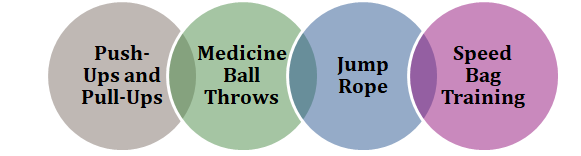
These exercises are part of daily training in many boxing academies. Doing them regularly in your boxing classes will help a lot.
Practice Punching on Different Targets
Training on different equipment helps build punching power.
All these are used in well-planned boxing classes and taught step-by-step in a good boxing academy.
Use Both Hands and Improve Balance
These are all used in well-planned classes of boxing and are taught step by step by a good academy
Focus on Breathing and Timing
These small tips make a big difference when learning how to increase punching power in boxing.
Eat Healthy and Stay Fit
Most good boxing academies also give tips on fitness and diet during your boxing classes.
Rest and Recover
If you don’t rest, your body gets tired and your punches get weaker.
How Boxing Classes and Boxing Academy Help
Still asking how to increase punching power in boxing? The answer is simple–train regularly with experts in boxing classes. A boxing academy gives you:
This is the smart and safe way to learn boxing and grow stronger.
Train at Ramagya Sports Academy
If you are looking for a great place to learn boxing, Ramagya Sports Academy is a top choice. They offer world-class boxing classes for kids, teens, and adults. Their expert coaches teach you how to increase punching power in boxing with the best methods.
At Ramagya Sports Academy, you’ll find:
Whether you want to box for fitness or become a champion, this boxing academy is the right place for you.
Conclusion
Train smart to punch harder. You should learn good technique, improve your strength, increase speed, rest, and practice frequently. Joining boxing classes with a trusted academy such as Ramagya Sports Academy is the best way to achieve all of this. It is the best way to improve your punching power and to become confident and strong in the ring.

How the game builds resilience
Chess is not just an exercise; it’s also a mental workout that will improve your resiliency and thinking ability. If you’re a novice or an experienced player playing the game of chess can provide benefits that go far beyond the board. Let’s take a look at the ways that learning how the game of chess involves engaging in chess competitions and reaping the rewards of this classic game can improve your mental toughness and endurance.
How to Play Chess?
Learning how to play chess is like embarking on a journey of discovery.
To begin, each type of chess piece moves differently. The pawn moves forward but captures diagonally. Knights move in an L-shape, bishops diagonally, rooks horizontally or vertically, and the queen combines the movements of both rooks and bishops. The king moves one square in any direction.
The game unfolds through alternating turns where players strategize to control the board, capture enemy pieces, and ultimately, checkmate the opponent’s king.
The benefits of playing Chess
Chess has numerous advantages which improve cognitive ability and boost resilience:
Chess Competition
Chess competitions let players test their abilities to the challenge in a competition. The participation in tournaments provides numerous advantages.
Building resilience through Chess
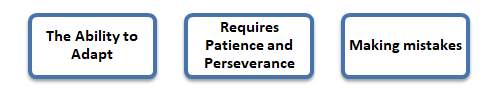
Resilience is the capacity to bounce back from setbacks or setbacks and also adversity. Chess can build resilience in a variety of ways:
Explore the Ramagya Sports Academy’s Chess Community
The academy hosts a range of activities, including tournaments, workshops and interactive sessions that promote a sense that encourages healthy competition and sportsmanship and collaboration between players.
No matter if you’re just starting out or looking to improve your capabilities, our comprehensive program is designed to accommodate everyone of all ages and levels of knowledge.
In Ramagya Sports Academy, you’ll receive exceptional coaching by knowledgeable coaches who are dedicated to fostering the potential of each student. Our mission is to provide an environment in which chess enthusiasts can excel, develop and grow in their strategic thinking as well as mental ability.
Overall, it was a testimony to the long-lasting popularity and value for education of Chess. This event helped bring together a diverse group of players that was devoted to the game, and encouraged friendship and respect between both supporters and players.
When we look back on this uplifting event and look at the future with anticipation of the development and growth of chess players from all over the world.
Conclusion
In the end, chess is an effective method for building mental strength and endurance. In addition to its recreational benefits it also enhances cognitive abilities as well as improves concentration and memory and offers a chance for personal development through competition and participation in the community. It doesn’t matter if you’re a beginner acquiring the basics or an experienced player who is striving to become a master.
The lessons you’ve learned from chess — strategic thinking, resiliency under pressure and learning from mistakes are essential in dealing with the challenges of life. Play the game, improve abilities, and learn the many benefits of chess, both in and out of the board.

Your Path to Becoming the Next PV
Sindhu
Do you love badminton? Do you dream of becoming a champion like PV Sindhu? If yes, then Ramagya Sports Academy is the perfect place for you! Known as the best badminton academy, we provide world-class badminton training to help players improve their game and achieve their dreams.
We, at Ramagya Sports Academy, believe that each player has the ability to achieve success. We help players of any age and ability level grow and develop their talents with expert coaching, top class facilities, and an organized training program. Our academy can take your game to the next stage, whether you’re a novice or an advanced player.
Badminton is more than just a sport. It is also a game that requires speed, power and strategy. You need to get the best badminton coaching and training if you want to become a player as good as PV Sindhu. Ramagya Sports Academy is a place that produces champions.
Why choose Ramagya Sports Academy for your child?
Ramagya Sports Academy has many reasons to be considered as the best badminton Academy for players looking to improve and achieve new heights. We focus on high-quality training to help every player become confident, strong and skilled.
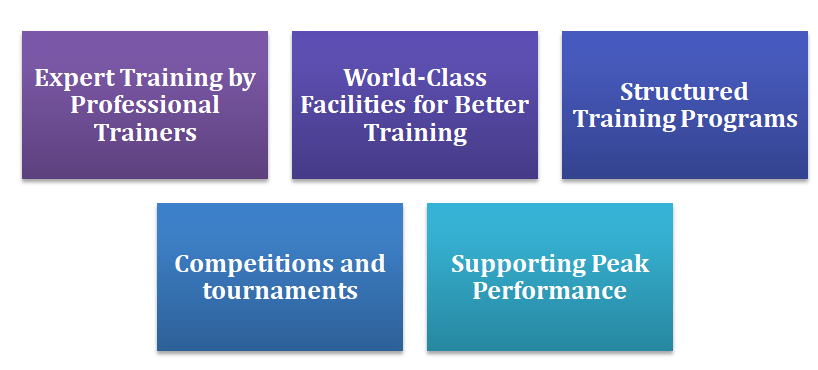
Expert Training by Professional Trainers
A good coach can make a huge difference to a player. At Ramagya Sports Academy, our expert coaches provide:
We have also partnered with Padukone Sports Management, led by the legendary Prakash Padukone, to offer the best badminton training to our students. With expert guidance, our players learn the techniques and skills needed to succeed at higher levels.
World-Class Facilities for Better Training
For a player to grow, he or she needs a good training environment. Our best badminton academy offers:
Structured Training Programs
The training includes:
Our structured programs will help every athlete become a confident, skilled and competent athlete.
Competitions and tournaments
Playing matches and competing in competitions is the best way to improve your badminton. We organize the following events at Ramagya Sport Academy:
Supporting Peak Performance through Sports Science
Becoming a great badminton player is not just about playing the game. Fitness, nutrition and injury prevention are also important. We provide the following services at Ramagya Sport Academy:
The right support can help players stay in shape and perform their best.
Importance Of Good Badminton Coaching
Badminton is a sport that requires proper training to become a champion. Ramagya Sports Academy is the best badminton training academy for players.
Professional coaches are available to provide you with expert advice.
Success in sports is largely determined by the player’s ability to practice regularly, be dedicated, and have the right coach.
How Ramagya Sports Academy Can Help You Become A Champion
Not everyone receives the proper training and guidance to become a top badminton player. Ramagya Sports Academy ensures that each student gets the best possible coaching and support in order to reach their goals.

Ramagya Sports Academy will help you develop the discipline and confidence necessary to be a successful badminton athlete.
Join Ramagya Sports Academy Today!
If you dream of becoming the next PV Sindhu, this is your chance! Ramagya Sports Academy is the best badminton academy to help you achieve your goals. With high-quality badminton training, experienced coaches, and excellent facilities, we will help you become a strong and skilled badminton player.
Take the first step towards your badminton journey. Join us today and start your path to success!
Don’t wait–become a champion with Ramagya Sports Academy!

Want to Be the Next Ronaldo?
Ramagya Sports Academy Can Make It Happen!
If you love football and dream of becoming a great player, Ramagya Sports Academy is the place for you! Football is not just a sport; it is a passion that brings excitement, teamwork, and discipline.
Ramagya Sports Academy is the best football academy as we provide the perfect platform for aspiring footballers to develop their football skills and grow into confident athletes. We are one of the best football academies in Noida, helping young players improve their football training and become better athletes. Our structured football training programs are designed for all age groups and skill levels, ensuring everyone gets the best guidance and practice.
At Ramagya Sports Academy, we focus on making football training fun and effective. Our expert coaches, top-class facilities, and structured training programs ensure that every player learns and improves. Whether you are just starting or already have experience, we help you grow into a skilled footballer.
Our football training programs are designed for beginners as well as advanced players. We focus on:
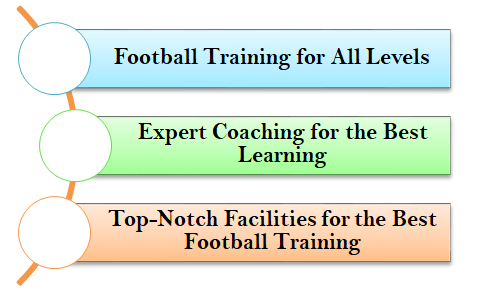
We have highly experienced football coaches who train players in the best way possible. Our coaches:
To become a great footballer, you need great facilities. At Ramagya Sports Academy, we provide:
Joining our football academy in Noida gives you more than just training. It helps you in many ways:

We are proud to be partnered with the famous Bhaichung Bhutia Football Academy (BBFS). This partnership gives our players access to top-quality coaching, better training programs, and more chances to grow in the football world.
If you want to learn football, improve your football skills, and train in the best football academy, Ramagya Sports Academy is the best football academy to be!
Ramagya Sports Academy is the best football academy in Noida for players who want to improve their football skills and train under expert coaches. Our academy provides the perfect blend of structured football training, top-notch facilities, and strong mentorship to help young players reach their full potential.
Football is not just about talent; it’s about dedication, practice, and the right training. With Ramagya Sports Academy by your side, you can turn your passion into a real career. Let’s play, learn, and grow together at Ramagya Sports Academy!

Ramagya Sports Academy-
A Preferred Choice for Athletes
Find out why
Ramagya Sports Academy is a top multi-sports center located in the middle of Delhi-NCR. If you’re an athlete aiming for the top or someone who wants to lead your lifestyle with a healthier one through sports, Ramagya Sports Academy offers everything you require to follow your passion.
State-of-the-Art Facilities at Ramagya Sports Academy
Ramagya Sports Academy stands out as a top training facility for Delhi-NCR providing a range of modern amenities designed to accommodate athletes of different ages and abilities. We’ll take a closer overview of the amenities which are what make Ramagya Sports Academy a preferred choice for athletes:
Ideal for those who love football. It ensures constant playing conditions, regardless of the weather.
The synthetic turf pitches located at Ramagya Sports Academy are meticulously maintained to recreate the performance and feel like natural grass. Specially designed for football, these fields have a flat and even surface that is constant all through the year. No matter the weather, raining or shining, players can play in optimum conditions without having to worry about uneven patches of mud. Artificial turf not just improves play, but also reduces injuries due to its stable and cushioning surface.
From basketball to badminton our indoor courts are built to be in line with international standards and provide the perfect setting to practice and compete.
The indoor facilities at the Sports Centre are fitted with courts that conform to international standards, so that athletes can compete and train at the highest level. No matter if you’re interested in basketball or badminton our courts have professional-grade flooring and equipment to aid your athletic pursuits. The indoor setting provides well-controlled conditions, without external weather elements, allowing for continuous training sessions and matches all through the season.
Enjoy the excitement of squash matches on our specially designed courts, created to help you improve your playing.
Squash players who play at Ramagya Sports Academy can enjoy dedicated squash courts designed to increase the intensity and fun of the sport. Our courts are equipped with high-end flooring and walls that allow for rapid movement and precise ball movement, essential to play competitively. If you’re just a beginner beginning to learn the basics, or an experienced player hone your abilities, our squash courts are the ideal place for competitive matches and development of skills.
Get your reflexes sharpened and precision with our table tennis facilities that are well-equipped.
The table tennis facility in the Ramagya Sports Academy is designed to accommodate players at all levels, from amateurs to competitive players. Our tables are top of the line as well as paddles of professional quality, with ample space for practice as well as tournaments. If you’re playing on your own or participating in friendly games or playing in organized tournaments the table tennis area offers the perfect environment to improve your hand-eye coordination, reflexes, along with overall table tennis abilities.
Get the adrenaline of cricket inside our indoor box-cricket arena that is suitable for both friendly games and competitive matches.
The fans of cricket can experience the thrill of playing in our indoor box cricket arena. It was designed to replicate the excitement of playing outside in a controlled, safe environment; the arena has artificial pitches and boundary markings that resemble traditional cricket fields. If you’re playing with your players for fun or taking part in matches that are competitive, the box cricket stadium provides a safe and thrilling location to enjoy one of the most popular sports in India.
Comprehensive Amenities
We know that convenience and comfort are important to have a positive sporting experience. This is the reason Ramagya Sports Academy offers:
Hudle App for Easy Booking
Making reservations for your sports activities with Ramagya Sports Academy is never so easy. Thanks to the unique Hudle App, you can reserve your slot with only two taps on your phone. No matter if you’re planning a private exercise session, casual game with your friends or a group event using the Hudle App puts you in control of your calendar.
A Variety of Sports to Choose From
Ramagya Sports Academy provides an array of activities to satisfy every ability and level of interest:
Discover a broad selection of additional sports like swimming, chess, gyming, etc. that will allow everybody to participate and excel during your time at Ramagya Sports Academy.
Community and Excellence
Beyond the amenities and facilities, Ramagya Sports Academy is an organization that is committed to encouraging improvement and excellence in sport. Our highly skilled coaches and staff will assist athletes to achieve their goals, whether it’s developing a new skill or getting fitter or playing at the highest level.
Why Choose Ramagya Sports Academy?
Conclusion
Ramagya Sports Academy is more than an arena to play sports, it’s an area in which dreams can be nurtured, and where champions are created. No matter if you’re hoping to make it in the professional ranks or just seeking to enjoy yourself and remain healthy, our school has the perfect setting to assist you in your pursuit.
Visit us to experience the amazing facilities, the friendly group of people, as well as the dedication to excellence that defines Ramagya Sports Academy. Join us as we celebrate the pleasure of sport and the excitement of competition.