Blog

  • Shield Yourself: Essential Self-Defense Techniques Unveiled
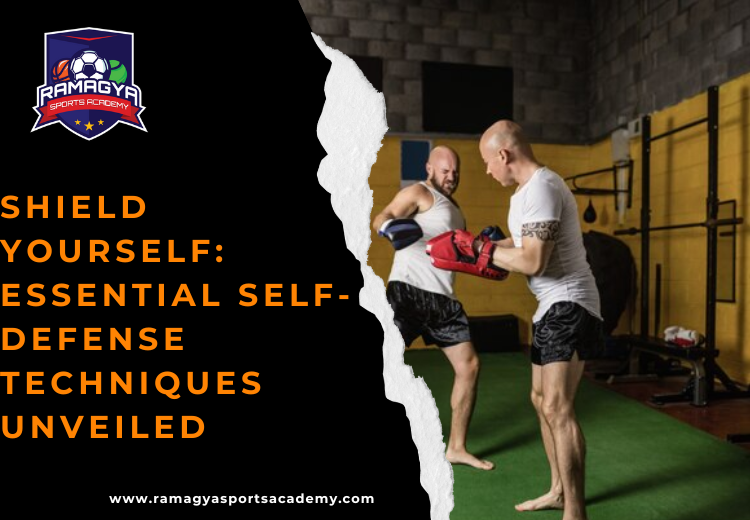
    Shield Yourself: Essential Self-Defense Techniques Unveiled

    Shield Yourself: Essential Self-Defense Techniques Unveiled

    Self-defense
    Beyond offering defense on a bodily level, building self-assurance and confidence requires the ability to defend oneself. Your sense of self-worth and confidence will soar if you can protect yourself against harm. Furthermore, learning self-defense techniques aids in developing life qualities like confidence, self-assurance, and efficient communication, all of which are advantageous in various spheres of one’s existence.
    Self-defense requires more than physical prowess. It also requires strategic planning and mental agility. By becoming more aware of their surroundings and developing efficient threat assessment and reaction skills, people can reduce dangers and improve their security in stressful situations.
    This blog will go over the essential self-defense strategies that all should be aware of. From basic strikes and escape strategies to verbal de-escalation and physical defense, these methods give you the foundation to self-protection and self-defense.

    Awareness and Prevention:

    • Be aware of your surroundings and rely on your instincts, which will often help you in avoiding dangers completely. 
    • Be aware of your surroundings especially in secluded or remote areas. Be aware of your surroundings and stay clear of situations or people who make you feel uncomfortable. 
    • If you are vigilant and alert that you are, you can be proactive in avoiding possible threats and stay protected. Keep in mind that prevention is the best defense against self-defense. Stay alert, stay safe.

    Verbal De-Escalation: 

    • Verbal de-escalation is an essential skill for self-defense training. It requires clearly and confident communication to calm potentially dangerous situations. 
    • When confronted by an adversary, be calm and composed. Be confident and assertive by establishing clear boundaries and express your intention to stay clear of conflict. 
    •  Avoid using provocative or aggressive words, since this could increase tension. Instead, try to maintain an empathetic and calm manner and firmly declare your  right to security. 
    • If you can effectively communicate your limits and intentions it is possible to calm tensions and stop these from turning into physical fights.

    Maintain a distance from your adversaries: 

    • Keeping the distance between you and your adversaries is an essential element of self-defense. When you keep an appropriate distance from your attacker, you create a buffer zone which allows you to evaluate the situation and take appropriate action. 
    • If you are approached by someone who is aggressive then step back and put distance between yourself and the person who could be threatening. This gives you more time to analyze the situation and determine the next steps.
    • If you keep your distance, you enhance the chance of avoiding physical injury and provide you with chances for escape, or seeking assistance should you need it. Keep in mind that distance is a good friend when it comes to self-defense.

    Escape Techniques: 

    • Escape techniques are essential in self-defense situations. If an attacker grabs you or holds you in a position learning how to get free could save your life. 
    • Try out techniques like release of the wrist, escape for elbows and groin strikes, to create openings, escape holds, or grabs. Keep alert and focused, looking over your surroundings for possible escape avenues.
    • Make use of lean and speed to advantage, looking for areas that are vulnerable to your attacker and give them an opportunity for escape. When you master escape techniques enable you to avoid danger and seek refuge in dangerous situations.

    Ground Defense: 

    • Ground defense is essential for self-defense training, particularly if you’re forced to fall down in the course of an attack. Learn the fundamentals of bragging, squirting and striking the ground to make space, and then get back to your feet. If you practice these strategies you will be able to protect yourself and avoid further injury while lying on the ground. 
    • Concentrate on staying aware of your surroundings and remaining calm under stress. If you are properly trained and prepared you will increase your chance of escaping potentially dangerous situations and taking back control over the situation. 
    • Remember that ground defense is a crucial element of a comprehensive self-defense training.

    Get Professional Training: 

    • Getting professional instruction is vital to learning self-defense training. Participate in self-defense classes or martial arts classes with qualified instructors. 
    • They can offer training in the hands-on, personal feedback, and real-world training that will help you to develop proficient self-defense abilities. 
    • They can also help you to recognize the threat, respond in a stressful situation, as well as remain protected in all scenarios. 
    • If you take part in professional instruction, you will gain the skills, confidence and experience to safeguard yourself and others with confidence. Self-defense is an art that needs training and instruction from experts to learn.

    Conclusion:

    • The conclusion is that mastering the fundamentals of self-defense are vital for all people regardless of gender, age or physical capability. By incorporating awareness and preventive strategies into your everyday life it is possible to stay clear of dangerous situations and reduce the chance of injury. 
    • Skills for de-escalation in the spoken word allow you to manage conflicts in a peaceful manner and keeping a safe distance from threats allows you the chance to think about and react effectively. 
    • Knowing escape strategies and ground defense will ensure that you are protected should physical confrontation become inevitable.
    • Getting professional instruction from experienced instructors is a great way to improve your self-defense abilities and build confidence in your abilities to defend both yourself as well as others. 
    • Through consistent practice and determination you can build the skills, knowledge, and attitude needed to remain protected in any situation. 
    • Be aware that self-defense isn’t about fighting back, but the ability to react with confidence to any threat and guarantee your security. 
    • When you master these self-defense skills to improve your personal security, increase your confidence and travel the world with more security. 
    • Keep an eye on the situation, be vigilant, and be sure to prioritize your security at all times.

     

  • Vaidik Shah Shines with Bronze Medal at Indian Challengers Cup Karate Championship!

    Vaidik Shah Shines with Bronze Medal at Indian Challengers Cup Karate Championship!


    We are pleased to announce that Vaidik Shah, a Grade 4 student, has achieved a Bronze Medal at the 8th International Karate Championship, Indian Challengers Cup. The competition took place at the Netaji Indoor Stadium in Kolkata on July 28th.
    Vaidik’s outstanding performance is a testament to his dedication and skill in karate. His achievement reflects not only his technical abilities but also his unwavering commitment and discipline in the sport. This accolade highlights his hard work and perseverance, marking a significant milestone in his karate journey.
    We extend our heartfelt congratulations to Vaidik for this remarkable accomplishment. His success is a source of pride, and we eagerly anticipate his future endeavors.

  • How Martial Arts Promotes Discipline and Self-Control

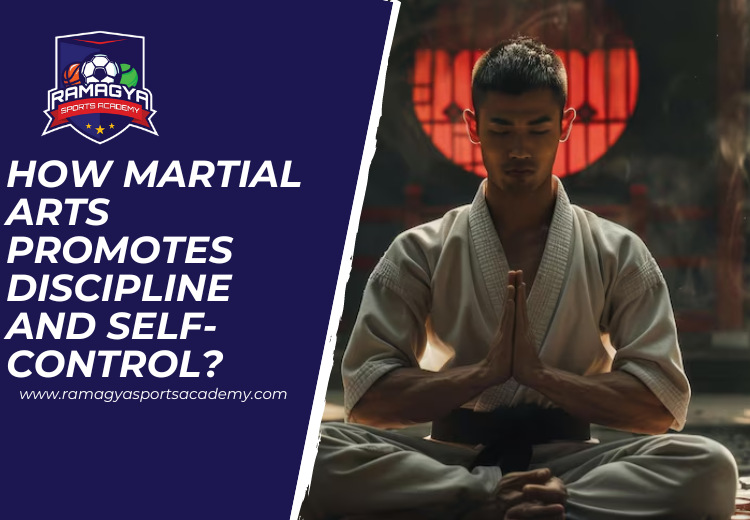
    How Martial Arts Promotes Discipline and Self-Control

    How Martial Arts Promotes Discipline and Self-Control?

    martial arts discipline

    Martial arts is more than simply learning how to defend yourself or fight a fright, it’s an exercise that helps develop important life skills like the discipline of self control. It doesn’t matter if you’re pursuing karate, the taekwondo or judo forms, or any other type of discipline of Martial arts , the concepts and techniques taught in Martial arts go beyond the physical aspect. 

    In this article we’ll look at how Martial arts training helps develop discipline and self-control for people of all age groups.

    Understanding Martial Arts Training

    Martial arts training covers various disciplines that were developed from the ancient practices of combat. Nowadays, Martial arts classes are designed to teach methods but also fundamental principles like respect, perseverance and humility. Students move through levels and earn belts to show their progress and mastery as a practitioner.

    The Role of Discipline in Martial Arts

    1. Regular Practice: Martial art requires consistent attendance and regular practice. Students are urged to attend classes regularly, which helps instill an attitude of discipline at an early stage. Regular practice is crucial to improving techniques and moving up the levels.
    2. Respect for the Rules and Authority: The classes in martial arts are guided by rules and protocol that students are required to follow. This includes bowing before instructors, adhering to the etiquette of the dojo and a respect for the other students. These rules help students understand how important it is to respect the authority of their instructors and follow them with strictness.
    3. Setting Goals and Achieving Them: The progress in martial arts is measured through the attainment of various rank levels, or belts. Students establish goals specific to themselves and then work hard to meet them. The process of setting goals teaches students the importance of persistence, hard work and keeping their eyes on the longer-term goals.

    Learning self-control through Martial Arts

    1. Resilience to Emotions: Martial arts training is focused on the management of emotions, particularly in competitions or sparring. Students are taught to stay cool and calm, even when under extreme pressure. The ability to manage feelings extends well beyond dojo into everyday life, helping individuals deal with stress and conflicts effectively.
    2. Physical Control: The Martial arts practices demand precise coordination and movements. Through repetition students learn to develop the ability to control their bodies, enhancing their flexibility, balance and agility. This physical discipline results in greater control of the movements and actions of one’s body in various settings.
    3. Conflict Resolution: Martial arts emphasizes peaceful conflict resolution strategies. The students are instructed to employ their abilities only for self-defense and avoid confrontation when it is possible. This strategy encourages peaceful conflict resolution, and also helps students to think before they react in a hurry.

    Benefits of Martial Arts Beyond Discipline and Self-Control

    1. Physical Fitness: Training regularly in Martial arts classes increases cardiovascular health, strength and endurance. Techniques such as punching, kicking and grappling give you the entire body with a workout that increases the overall fitness level. It is one of the best ways to boost physical fitness.
    2. Mental Acuity: Training in martial arts enhances cognitive capabilities such as concentration, focus and problem-solving. Learning new techniques and strategies stimulates the mind and enhances the mental acuity of a person.
    3. Self-confidence: When students advance in their martial art, they develop confidence in their skills and establish a positive image of themselves. The ability to overcome challenges and achieve goals improves self-esteem as well as empowers individuals in and out of the dojo.

    Practical Tips for Parents and Students

    1. Inspire Consistency: Consistent attendance is vital in gaining the advantages of training in martial arts. Your child should be encouraged to be consistent in attending classes to develop discipline and observe the progress.
    2. Reinforce respect and etiquette: Make it a priority to emphasize that it is important to respect your instructors as well as fellow students and the martial arts community. Respect and etiquette in the dojo helps to develop discipline and promotes positive conduct.
    3. Discuss the values learned: Discuss regularly with your child the lessons they’re learning through martial arts like discipline as well as self-control and perseverance. Apply these principles to daily situations in order to reinforce their use in everyday life.

    Conclusion

    In the end, Martial arts classes are an effective tool to promote self-control and discipline across all ages. Through regular training and a respect for rules as well as authority, and the development of physical and emotional control students acquire life-changing abilities that go beyond the confines of the dojo. 

    If you’re a kid or an older adult, lessons you learn in martial arts classes will positively impact all aspects in your daily life transforming you into more disciplined, focused and self-aware.

    Take on the challenge of training in martial arts classes and discover the transformative impact it can bring to your life!

  • Rabeeb Ali Khan Wins Silver at Tennis Premier League Championship

    Rabeeb Ali Khan Wins Silver at Tennis Premier League Championship


    We are pleased to announce that Rabeeb Ali Khan from Class 7C has achieved remarkable success by securing the Silver Medal in Lawn Tennis at the Tennis Premier League Championship. This prestigious event took place at AD in Tennis, Diwan Chand Arya Sr. Sec. School, New Delhi, from July 20-21, 2024. He competed in the U-12 Boys category and showcased exceptional talent and determination, earning the second position.
    Rabeeb’s achievement reflects his dedication to the sport and the high level of skill he has developed under the guidance of Coach Mr. Nitin Kumar. This accomplishment is a significant milestone and a source of pride for our school.
    Congratulations, Rabeeb!

  • The Evolution of Indoor Sports : A Historical Perspective

    The Evolution of Indoor Sports : A Historical Perspective

    The Evolution of Indoor Sports : A Historical Perspective

    History of Indoor Sports
    Indoor sports have a long tradition that spans centuries beginning with simple recreational activities to competitive events that attract millions of people around the world. This fascinating journey in the history of indoor sports provides insight into the growth of the sport, its significance, and the impact of indoor sports on society.

    Ancient Origins:

    Indoor sports have a long history dating back to times of old when people wished to have fun and physical exercise in indoor spaces. Imagine old Egyptians sitting around playing Senet which is a board game that combines luck and strategy, or participating in Mehen the game, which symbolizes faith that they would be reincarnated. 
    Similar to this, the early Chinese dynasties were fond of indoor games such as Jianzi which was akin to the hacky sack of today, encouraging the ability to balance and agility.
    These old-fashioned pastimes laid the foundation that would later become the indoor sport we enjoy today. They established the seeds of camaraderie and competition that are still flourishing in the modern gyms and arenas. 
    Starting with humble foundations like Senet as well as Mehen to the hysterical courts of volleyball and basketball indoor sports have transcended the boundaries of time by connecting us to our past and forming our sporting tradition.

    Medieval Europe:

    In the Middle Ages, indoor sports were thriving in popularity, with archery, bowling and fencing becoming popular among the nobility as well as commoners. Halls and courts indoors were places for social gatherings as well as sporting events, encouraging friendship and competition among communities.

    Industrial Revolution:

    The Industrial Revolution of the 18th and 19th centuries brought about significant technological advancements and urbanization, which influenced the growth of sports that were played indoors. As indoor facilities like gyms, arenas and recreation clubs, sports like volleyball, basketball and badminton were able to be played as organized indoor activities that provided ways to exercise and play in urban environments.

    Modern Era:

    The 20th century saw the expansion of commercialization and globalization indoor sports, which was fueled by advances in transportation, communication, and the media. Tournaments, leagues, and championships were normal, elevating sport in the indoor arena to top of global athletics and entertainment. iconic venues such as Madison Square Garden and the Staples Center became synonymous with indoor sports, hosting elite events that thrilled audiences across the globe.

    Cultural Impact of Indoor Sports

    Indoor sports have left a permanent impact on all cultures around the world that have shaped norms for society as well as values and identities. From ancient times to contemporary societies outdoor sports played a crucial part in shaping the cultural landscape and in fostering a sense of community.

    • Bridging Divides: Indoor sports provide an opportunity for people of diverse backgrounds can meet, transcending the boundaries of age, gender or ethnicity. If it’s a game of fun in the gym at home, or a game with table tennis in the indoor arena, games offer opportunities for interactions and mutual respect.
    • Celebrating Tradition: A lot of indoor sports have deeply rooted traditions and rituals that go to them, which reflect the culture of their heritage. For instance Kabaddi, a Japanese practice of Sumo wrestling as well as The Indian Kabaddi game Kabaddi are rooted in tradition, and are accompanied by ceremonies and rituals that acknowledge their importance to culture.
    • Fostering Identity: Indoor sports are often an expression of self-confidence and national identity as countries adopt certain sports as part of their heritage. Basketball is, for example, closely associated with American culture, and cricket is a position in the minds of a large number of South Asians.
    • Promoting Inclusivity: Indoor sports encourage inclusion by offering opportunities to people of all backgrounds to take part and perform. For example, whether it’s adaptive sports programs designed for people who have disabilities or initiatives that aim to increase women’s participation in indoor sports, they strive to build an inclusive and fair society.
    • Inspiring Creativity: Indoor sports foster the ability to think and innovate and innovation, as athletes continuously seek ways to beat their competitors. From tricks shot in the water to amazing movements within gymnastics. These games inspire people to push the limits of what is possible.

    Health and Wellness:

    Indoor sports play a significant part in improving well-being and health, providing individuals with the opportunity to fitness, socialization, as well as stress relief. In fact, playing activities in the indoor environment has been proven to lead to numerous mental and physical health benefits, including better overall health and fitness, improved coordination, and a lower likelihood of contracting chronic diseases. 
    Additionally, indoor sports offer ways to grow personally in skill development, as well as teamwork, fostering values of determination, discipline and sportsmanship among athletes from all age groups.

    Future Outlook:

    In the future indoor sports are set to evolve and change to the ever-changing demands and preferences of society. Technology advancements like virtual real-time and augmented reality could revolutionize how indoor sports are viewed and enjoyed, providing immersive and engaging experiences for athletes as well as fans. 
    In addition, initiatives that promote inclusiveness as well as diversity and sustainability in indoor sports are likely to spur development and innovation over the next few years making sure that indoor sports will remain relevant and influential in the 21st century, and beyond.

    Conclusion:

    In the end, the development of indoor sports reflects the dynamic interaction between innovation and tradition, the business world and the culture, as well as athletics and entertainment. From ancient pastimes to current spectacles indoor sports have stood the test of time as a symbol of the inherent human spirit of friendship, camaraderie and excellence. 
    In the years ahead, we will celebrate the history of indoor sports and the potential of indoor sports. Let’s celebrate the path that took us to the point we are now and take a leap into the future.

  • Agrima Singh Wins Gold at Sub Jr.U.P. State 1st Major Badminton Tournament

    Agrima Singh Wins Gold at Sub Jr.U.P. State 1st Major Badminton Tournament

    We are delighted to celebrate the outstanding achievement of Agrima Singh from Class VIII E, who has won the Gold Medal at the prestigious Yonex Sunrise Kanhiya Lal Maha Devi Agarwal Memorial Sub Jr. U.P. State Badminton Tournament. The tournament, held in Noida from July 18th to July 21st, 2024, featured top talent from across the state, and she excelled in the Girls Under 15 Singles category.

    Her remarkable performance, marked by exceptional skill and determination, earned her the top position, reflecting her dedication to the sport. We extend our sincere gratitude to Coach Shubhangi Sinha for her invaluable guidance and support throughout the tournament.

    Agrima’s victory is a significant milestone and a source of immense pride for our school.

  • Empower Your Child: Five Reassuring Arguments to Consider Martial Arts Training

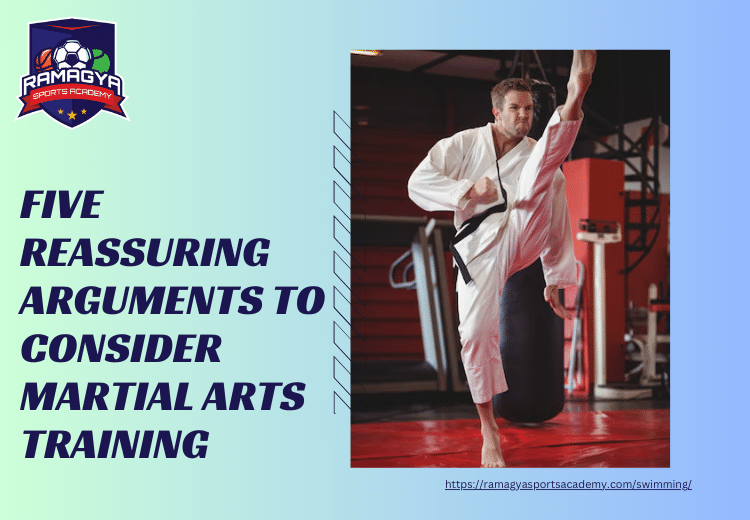
    Empower Your Child: Five Reassuring Arguments to Consider Martial Arts Training

    Empower Your Child: Five Reassuring Arguments to Consider Martial Arts Training

    Martial Arts Training
    With today’s society requiring self-control, resilience, and confidence from its residents, parents frequently look for ways to help their kids develop these essential traits. Martial arts offer unique benefits: They teach intellectual clarity, emotional resilience, physical conditioning, and holistic development. It ends up as a powerful instrument for the holistic growth of students. Martial arts also impart priceless life lessons outside of the classroom. For example, children learn priceless life lessons outside of school through the focused practice of traditional methods or enjoyable striking sessions.
    As soon as students step onto the dojo floor, a journey in martial arts training begins. Skilled instructors and a friendly community greet them. Progressive training helps trainees become more focused and concentrated both physically and psychologically, in addition to teaching them self-defense techniques and qualities like patience, self-control, and respect. 
    Martial arts training benefits kids psychologically and physically. For example, it teaches kids how to face challenges head-on and grow stronger. Martial arts fans acquire the bravery, tenacity, and ability to see obstacles as chances for personal development to meet the barriers head-on. This helps people create a growth mindset.

    Martial Arts for Your Child: Discover its Advantages Now:

    1. Enhance Physical Fitness: Martial arts offer a comprehensive approach to enhancing physical fitness, encompassing cardiovascular stamina, muscle mass, softness, and rhythm. Children who regularly learn martial arts courses can practice dynamic movements that contribute to the development of their general conditioning. In martial arts programs, children who prioritize physical fitness improve their sports performance and develop lifelong wellness and exercise habits. It is one of the most important benefits of martial arts.
    2. Develop Self-Defense Skills: Enrolling your child in martial arts provides them with invaluable self-defence abilities that could be useful during various situations. Martial arts training equips children with the tools to defend themselves effectively against threats and escape dangerous situations. Through martial arts practice, children develop confidence in themselves to protect themselves. They are ultimately contributing to an increase in overall safety and security. Learning self-defence gives children a sense of empowerment and self-assurance, helping them navigate life with greater ease and resilience.
    3. Discipline and Focus: Martial arts offer children invaluable life skills beyond the training mat, including discipline and focus. Children learn to uphold the values and principles of martial arts through consistent practice. Students must follow structured routines, respect instructors and stay focused during practice sessions for maximum results. By cultivating discipline and focus through martial arts, children gain essential tools to set goals, overcome obstacles and stay on task. These essential qualities translate seamlessly to academic studies, personal relationships and career advancement. All this makes martial arts an invaluable source of holistic development.
    4. Build Confidence and Self-Esteem: Children who train in martial arts gain self-esteem and confidence, which improves their perspective on life and themselves. Children develop a sense of self-worth and achievement with regular practice and hitting benchmarks like receiving belts or perfecting techniques. Children who learn martial arts can grow resilient, face their fears, and conquer obstacles in a supportive environment. Children eventually develop the confidence and self-defence abilities necessary to defend themselves in an emergency. Your child’s increased self-assurance comes from far more than just the dojo; it helps with homework, social situations, and personal goals. This is why it is one of the significant benefits of martial arts.
    5. Foster Respect and Character Development: Through the practice of self-honor, respect for peers and teachers, and character development, martial arts impart values to youth. Children learn how important it is to respect authority figures while being friendly and demonstrating goodwill toward others through martial arts code of conduct, etiquette practices, and bowing traditions. The principles of integrity, determination, and sincerity are emphasized in martial arts instruction to mould kids into mature, morally upright adults who can lead by example in their community.

    Children who acquire these values grow morally and become great role models both inside and outside of themselves. Martial arts practices promote the growth of qualities that lead to increased compassion, such as patience, resilience, and empathy. Enrolling your child in martial arts develops character traits that will help them face life challenges with honour, grace, and functional self-defence abilities.

    Conclusion:

    Martial arts training offers numerous benefits to your child beyond enhancing their physical well-being and capacity for self-defence. Through consistent practice and devotional sessions, martial arts provide a comprehensive approach to human growth by cultivating virtues, including discipline, respect, confidence, resilience, and tenacity.  
    Children benefit from this in terms of their mental toughness and emotional intelligence, as well as their physical strength and coordination.Kids who learn martial arts have an excellent chance to acquire essential life skills in a nurturing environment. Students quickly gain self-control and concentration, which improves their behavior both inside and outside of the dojo and their scholastic achievement.
    Martial arts build community and camaraderie among practitioners and create an environment of teamwork and mutual respect. Kids also learn to appreciate diversity while appreciating differences, creating an inclusive culture in their schools. Overall, enrolling your child in martial arts training is an investment in their health and future success.
     

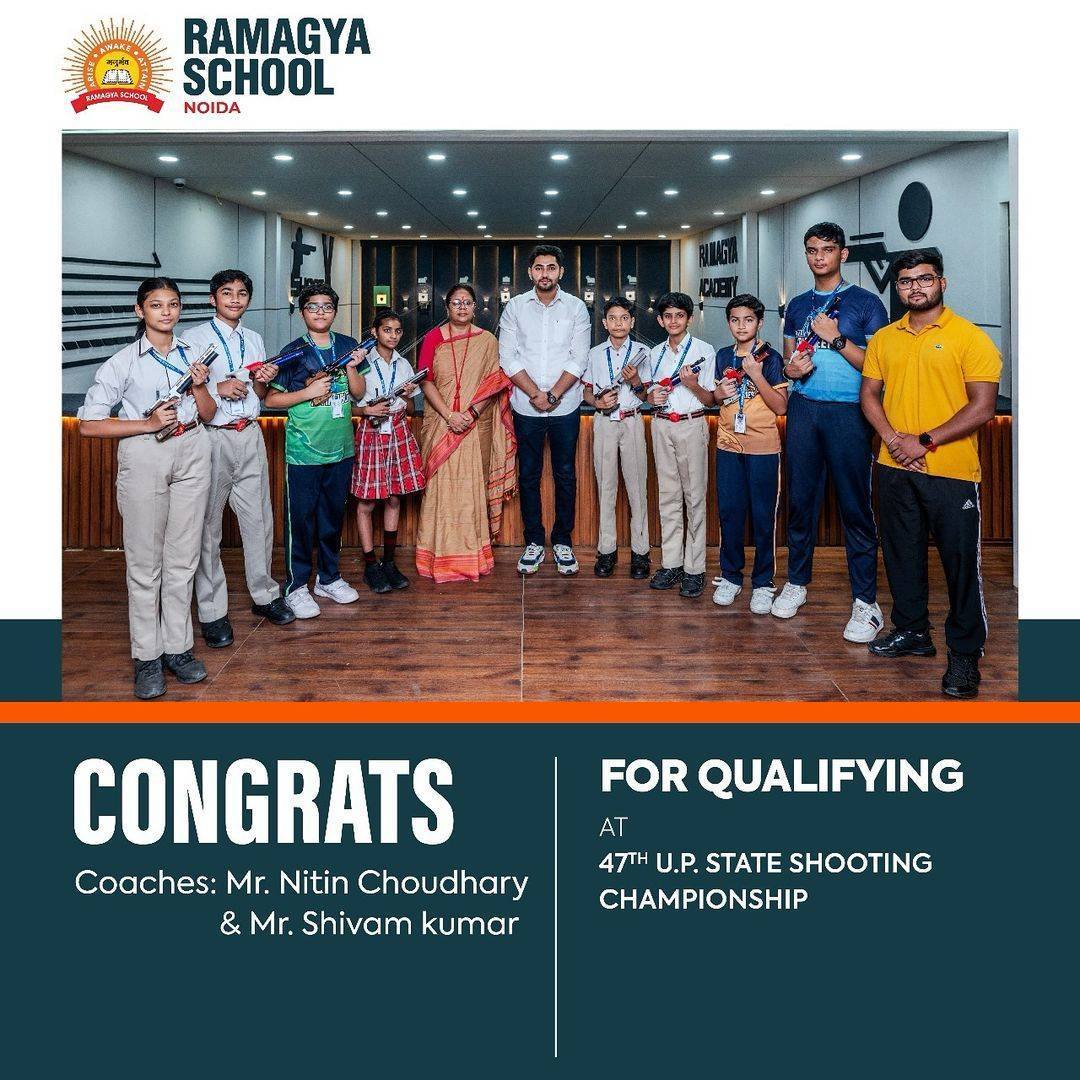
  • Our shooters qualified for Pre-Nationals at the 47th U.P. State Shooting Championship.

    Our shooters qualified for Pre-Nationals at the 47th U.P. State Shooting Championship.


    Ramagya School shooters continued their remarkable performance at the 47th U.P. State Shooting Championship held at Dr. Karni Singh Shooting Range, New Delhi, from July 5 to July 14, 2024. Many of our talented shooters secured qualifications for the upcoming prestigious Pre-National event scheduled in Goa & Pune from August 18 to August 28, 2024. Under the mentorship of Nitin Choudhary and Shivam Kumar, students Rudra, Anay, Mansvi, Raghav, and Shaurya displayed exceptional marksmanship and unwavering dedication.
    This achievement highlights Ramagya School’s commitment to fostering sports excellence and holistic development among its students. Beyond the academics, our school aims to instill values of discipline and resilience, preparing young athletes for success both on and off the field.

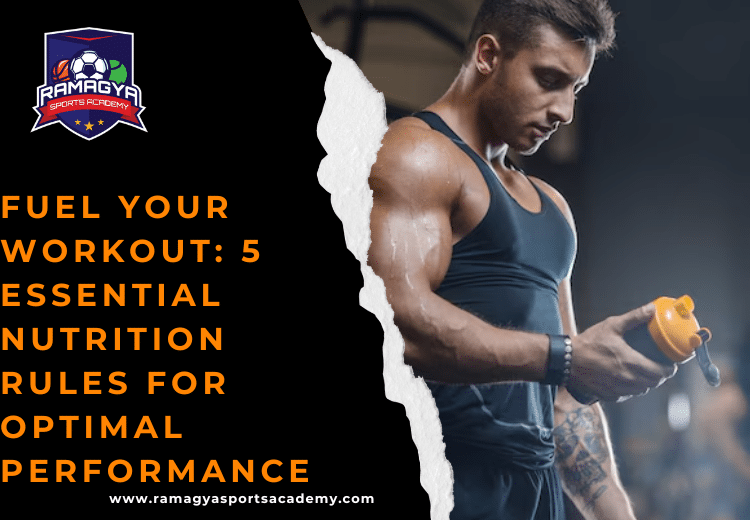
  • Fuel Your Workout: 5 Essential Nutrition Rules for Optimal Performance

    Fuel Your Workout: 5 Essential Nutrition Rules for Optimal Performance

    Fuel Your Workout: 5 Essential Nutrition Rules for Optimal Performance

    Fuel Your Workout

    Exercise and performance enhancement are greatly helped by proper nutrition. People can increase their energy levels, support muscular growth, and facilitate post-exercise recovery by following specific rules whether a beginner or a seasoned athlete, achieving your fitness objectives depends on understanding pre- and post-workout nutrition.
    This blog offers crucial nutritional suggestions that will optimize the effectiveness of your exercise. From figuring out the optimal nutritional ratio to carefully organizing your mealtimes, You can perform better in sports overall and maintain long-term health and fitness if you include these rules in your everyday practice.

    5 Essential Nutrition Rules for Optimal Performance

    • Hydration is the Key:
      • Hydration is vital to work out at your peak. Dehydration can affect brain functioning, cause cramping in muscles and hinder performance. All of which make it difficult to work for long periods of time. It is essential to drink plenty of water throughout the day. You should boost your intake prior to, after, and even during exercise.
      • Drinks with electrolytes are able to aid in restoring minerals lost by sweating during intense or long-term physical exercise.
      • Maintaining fluid balance, enhancing cardiovascular function, and building overall endurance all come from being appropriately hydrated, which enables you to provide your best effort and recuperate from exercise more quickly.
    • Prioritize Protein:
      • Protein is vital to fuel your workout as well as supporting the development of muscles as well as their repair. Consuming enough protein prior to and following workouts will aid in the recuperation of muscles, decrease soreness and improve overall endurance and strength.
      • In your post- and pre-workout meals, you should include quality protein sources such as eggs, lean meats and eggs and fish, as well as legumes, poultry dairy products and protein-rich plant sources.
      • Protein-rich snacks or shakes are a great choice to fuel muscles and speed up the process of protein synthesis. When you prioritize protein intake, you’ll increase your body’s capacity to recover and adjust in response to demands from exercise, eventually improving your workout results.
    • Carbohydrates for Energy:
      • Carbs provide the energy needed to fuel exercise effectively. Your muscles rely on carbs as their primary energy source while exercising for prolonged or intense sessions. So ensure your pre-workout meal or snack contains complex carbs for continuous energy release and less fatigue.
      • Whole grain options like oatmeal, brown rice, quinoa, and sweet potatoes provide adequate carb intake. Alongside other veggies and fruits, they support performance during each workout and help you reach fitness objectives faster.
    • Don’t Forget Fat:
      • After carbs, to maintain energy levels and enhance nutrient absorption during physical activity, include healthy fats such as avocados, seeds, nuts and olive oil in your meals and snacks for an energizing and fulfilling workout experience.
      • Integrating fats into your diet may provide an ideal and balanced approach for optimizing overall performance, health and fitness levels.
    • Timing is Everything:
      • A key component of optimizing the advantages of your exercise diet is timing. Eating the proper foods at the correct times can make a big difference in how well you perform, how energetic you are, and how quickly you recover.
      • For maximum energy and to support muscle maintenance, eat a well-balanced meal with carbohydrates, proteins, and fats at least two hours before working out.
      • Additionally, to aid with muscle regeneration and restore glycogen stores, you should refuel within an hour of doing out by consuming meals or snacks high in protein. If you are especially mindful of the timing of your meals and snacks and your workout schedule, you may optimize your diet and reach optimal results.

    Foods to fuel your workout:

    • The food you select to consume during your workout can significantly affect your performance and recovery because you consume the energy you need. A balanced diet that includes a mixture of carbohydrates, protein and healthy fats prior to and after exercising can boost the energy level of your body, muscle development, and overall performance in the sport.
    • For fuel to your workout, you should focus on eating complex carbs that could give you long-term energy sources like fruits, whole grain cereals and various other vegetables. These foods boost glycogen storage in muscles. They also provide continuous energy throughout your workout.
    • Also, incorporating an occasional amount of proteins from sources which are nutrient-rich on your menu prior to, or immediately following an exercise snack can aid in the growth and recovery in your muscle mass. It is crucial to concentrate to replenish your energy level by taking in protein and carbs following your workout in order to help with recovery from muscle strain and replenish nutritional stores.
    • By incorporating healthy fats into your diet will improve your overall health and experience a surge in energy. If you exercise, eat food items that contain healthy fats such as avocados, almonds and olive oil and seeds to feel more energized and content. Choosing foods that are high in nutrients and supply enough macronutrients can help you achieve your goals and help you meet your fitness goals.

    Conclusion:

    Following these guidelines for nutrition will dramatically enhance your fitness performance and workout. Making sure you are hydrated, focusing on the consumption of protein, carbs to boost fuel, healthy fats and the appropriate timing of meals will give your body the energy it needs to function effectively to recover fast.
    Keep in mind that balance and a consistent approach are crucial and you must incorporate these principles as part of your routine every day to help you maximize your training and achieve the fitness goals you’ve set. If you’re getting the right nutrition, you will feel more energetic and powerful when you exercise and you’ll also notice improvements and progress in time.

    Read our Article: Top 5 Workout Tips for Beginners