Blog

  • How to Eat Healthy Without Compromising Your Fitness Goals?

    How to Eat Healthy Without Compromising Your Fitness Goals?

    It’s easy to eat healthy however when you are trying to match it with your fitness goals, it might seem complicated. A lot of people believe that eating healthy means eating less, removing all of the tasty food from your life or following a strict diet. The reality is different. Healthy eating is about the right balance, making smart decisions, and knowing what your body needs. 

    In this blog, we will learn how to eat well while staying consistent with your fitness goals, and how to enjoy your meals without guilt. We will also explore how balance is more important than limitations and how even tiny everyday steps can help you get long-term results.

    Healthy eating doesn’t need complex recipes. Choose food that is close to its natural form: fruits, vegetables, whole grains, nuts, seeds, dairy, and lean protein. These foods provide your body with the energy required to perform your workout. Simple foods help keep your stomach hydrated, aids in digestion and helps in the recovery of muscles. If you eat well your body feels energetic instead of tired.

    Timing is a major factor in a healthy diet. For achieving your fitness goals, the body requires to be fuelled at the correct time. Before you exercise, choose the best pre workout snack to do an effective workout. It can be something lighter but still energizing such as the banana, peanut butter toast, some nuts, or yogurt. This can help you feel energetic when exercising, without feeling heavy.

    Even after training, your body still requires carbs and protein in order to replenish itself. A healthy diet in the right amount could alter your performance.

    Also read: What to Eat Before and After Your Workout?

    Healthy eating doesn’t mean removing carbs or eating just proteins. Your plate should have a mix of:

    Balancing your plate means taking care of all the important nutrients in your body. Your plate should have all the required carbs, fats, proteins and minerals so that you will not feel weak during your fitness journey. Focus on slow and steady growth instead of rushing into a diet routine that you won’t be able to follow after some time.

    Water is the most basic but most neglected aspect of eating a balanced diet. Dehydration can slow down your metabolism, weaken your body and cause you to feel exhausted all the time. Sometimes you might feel like you are craving for food but actually it could also be a way of your body asking for water. Drink plenty of water all day long, and not just when you are thirsty. Hydration aids in recovering your muscles faster and makes digestion healthy.

    Many people believe that eating less calories will improve their fitness. Fitness requires strength, and strength is derived from nutrition. A healthy diet means consuming the right foods, but without limiting your intake too much. Make sure you control your portions instead of starving yourself.

    Eating too little will reduce your energy levels, slow your metabolism down, and make workouts harder than normal. You could experience dizziness, cravings or constant tiredness if your nutrition drops too far below expectations. Instead of eating less, focus on eating smart.

    Making plans helps you avoid making last minute unhealthy eating choices. If you plan meals or snacks in advance you are more aware of what you’re eating. This helps you in eating a balanced diet easily without putting too much pressure on yourself.

    1. Don’t Overthink Food

    Healthy eating is easier once you don’t stress about it. Pay attention to your body. Eat whenever you feel hungry, stop eating when you have eaten enough, and avoid emotional eating. Make it simple. A relaxed mindset will help to eat more effectively.

    Healthy Fitness Snack Ideas

    1. Peanut Butter + Banana

    A classic mix. It gives you quick energy, healthful fats and keeps you full, without feeling heavy.

    2. Greek Yoghurt with Honey

    Rich in protein and great for muscle recovery. Add a drizzle of honey for natural sweetness. Protein-rich and excellent for muscle recovery. Add a drizzle of honey to give it a natural sweetness.

    3. Handful of Mixed Nuts

    Almonds, walnuts and cashews are rich in healthy fats that keep your energy levels stable throughout the day.

    4. Protein Smoothie

    Blend milk or yoghurt, with a fruit and one tablespoon of protein powder (optional). It is a very filling and ideal post-workout snack.

    5. Sprouts Chaat

    A refreshing, light bowl of fibre and protein. Add onions, lemon and tomatoes to enhance the flavour.

    6. Cottage Cheese (Paneer) Cubes

    It is high in protein and very satisfying. You can add a pinch of spice or Chaat masala.

    7. Apple Slices with Nut Butter

    Crunchy, sweet and energising. It’s the best for pre-workouts.

    8. Boiled Eggs

    Protein-rich, easy to carry and great for those times when you need something fast.

    9. Roasted Chana

    It is a very affordable and healthy snack that is a source of High fibre and keeps you full for a longer period of time.

    10. Oats Bowl

    Mix oats and milk with water. Add fruit or nuts. Light, filling, and great for digestion.

    FAQs

    Q1. Is healthy eating expensive?

    Not really. Basic foods like fruits, vegetables, dal, eggs, sprouts, and homemade snacks are cheap and healthier than packed food.

    Q2. What is the best pre workout snack for energy?

    A banana, yoghurt, peanut butter toast, or a handful of nuts are great options. They give quick energy without making you feel heavy.

    Q3. How much water should I drink?

    You should drink at least 2-3 litres of water everyday. Drink more if you sweat a lot or work out. Listen to your body.

    Q4.  Is snacking bad?

    Snacking is fine if you choose healthy options like nuts, fruits, sprouts, eggs, or yoghurt. Avoid packaged snacks.

  • Why Am I Not Losing Weight Even With Exercise?

    Why Am I Not Losing Weight Even With Exercise?

    You’ve been working out regularly, eating well and keeping a consistent routine yet your weight isn’t moving. If this sounds familiar, you’re not alone. A lot of people wonder, “Why am I not losing weight?” even though they have done everything they can. It’s true that weight loss isn’t only about exercising hard, but it’s about knowing how your body functions and making small, but effective changes.

    In this blog, we’ll look at common reasons behind slow weight loss, share practical exercise tips for weight loss, and explain how the proper balance between eating, rest, and exercise can be the key to success.

    One of the primary reasons why people don’t notice an increase in weight is because they’re growing muscle mass. Muscle is denser than fat, and so, even though your body is burning calories, it could be weighing the same, or even a little bit more.

    If your clothes fit better, your body feels tighter, and you feel an increased energy level, they are excellent indications that your exercise routine is going well, even if your scale isn’t showing it yet.

    Tip: Focus on how you feel and how your body looks instead of only checking numbers.

    Many people think that eating less food will help in weight loss. However, if you eat too little, your body enters the “survival phase” and begins to store fat. On the other hand, eating too much even healthy food can delay results. 

    Exercise tips for weight loss:

    Your diet can fuel your workout, so be sure you’re eating enough calories to keep your energy levels high without overdoing it.

    The same exercise routine everyday can stop showing results after a little while. Once your body is used to a particular exercise, it burns less calories during that exercise. This is known as the plateau.

    To break through it, try these exercise tips for weight loss:

    Such things will challenge your body and your progress will be steady. 

    If you’re working out but are often exhausted or sleep deprived the body will produce a hormone called cortisol. High cortisol levels can cause fat storage particularly around the stomach.

    Be sure to have at least 7 to 8 hours of sleep each night, and look for ways to relax. Stretching, meditation or listening to music could help.

    Even when you are eating healthy snacks such as extra sauces, sugary drinks and frequent snacks can make a difference. In some cases, you could be taking in more calories than you think you are.

    Simple fix: Track what you eat for a week. It’s not necessary to track every calorie. Just be alert of when and what to eat.

    Cardio is fantastic for burning calories, however, if you’re not including strength training, you’re missing out. Muscle building helps your body to burn more calories, even when you’re resting.

    Make sure to mix cardio and strength-based shoulder, core, and leg workouts. This will not only aid in weight loss but also boosts stamina and tone.

    7. Be Patient with the Process

    Weight loss takes time! The best and long lasting results won’t be achieved in a single day. Instead of stressing about how fast the weight drops, focus on building healthy habits that last. Remember, the goal isn’t to just lose weight, it’s to feel energetic, strong and satisfied in your own body.

    Ramagya Sports Academy – The Best Gym in Noida for Real Results

    If you’re looking for the best gym in Noida, Ramagya Sports Academy stands out because of its comprehensive fitness program. It’s not only about workouts or machines, but knowing your body’s specific needs.

    The trainers at Ramagya Sports Academy focus on helping members by creating personalized fitness programs based on their diet, lifestyle and goals. No matter if you’re just beginning your journey, trying to lose weight,  improve endurance, the experts can guide you through every step of the process.

    They blend modern training methods along with nutritional advice and motivational coaching to make fitness a habit and not just a daily routine. It’s a place where exercise can be enjoyable, inspiring and empowering.

    The Bottom Line

    If you’ve been wondering, “Why am I not losing weight?”, remember your body is unique and it takes time to see results. Follow consistent exercise tips for weight loss, concentrate on rest, nutrition and never lose your motivation. By balancing your work and expert advice from the best gym in Noida, your hard work will surely pay off.

    FAQs

    Q1. Is diet more important than exercise for losing weight?
    Both matter. Exercise burns calories and builds strength, while a good diet gives energy and helps recovery. The right balance gives the best results.

    Q2. How can I stay motivated when I don’t see progress?
    Set small goals, notice other wins like better energy or mood, and remember progress takes time. Staying regular always works.

    Q3. Can drinking more water really help with weight loss?
    Yes. Water helps digestion, reduces hunger, and improves workout results. It also keeps your metabolism healthy.

    Q4. Is rest important for weight loss?
    Yes. Rest helps muscles recover and keeps your body balanced, which makes it easier to burn fat.

  • Anaisha Rathore Wins Gold and Silver at the CBSE North Zone-I Cluster XIX Roller Skating Tournament-2025

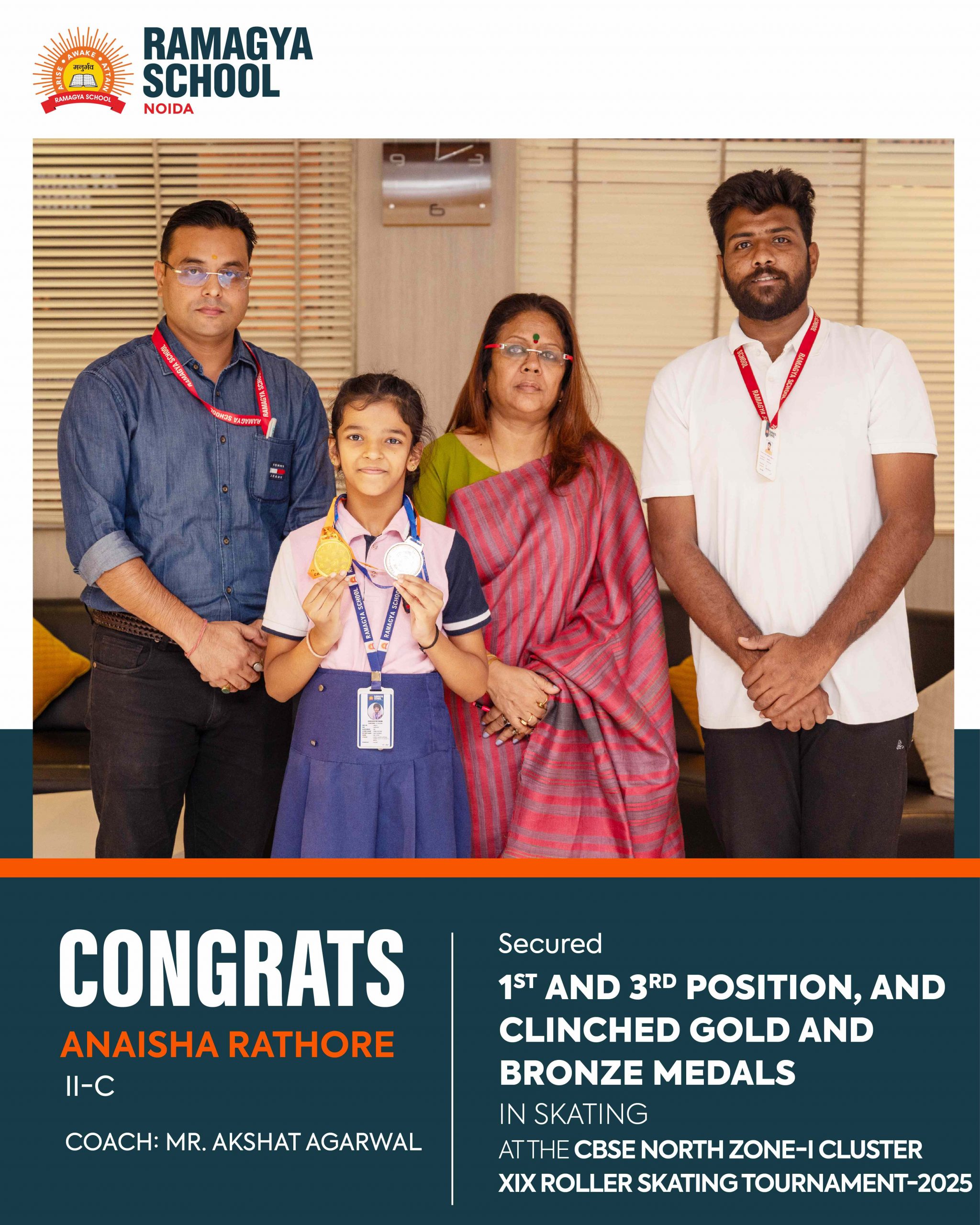
    Anaisha Rathore Wins Gold and Silver at the CBSE North Zone-I Cluster XIX Roller Skating Tournament-2025

    We are delighted to celebrate the wonderful achievement of Anaisha Rathore of Class II-C, who delivered an impressive performance at the CBSE North Zone-I Cluster XIX Roller Skating Tournament 2025, held at the JSR Banked Track, Chipiyana Buzurg.

    Competing in the Under-9 category, Anaisha secured 1st place (Gold) in the 1 Lap Road event and 2nd place (Silver) in the 300m Time Trial. Her confidence on the track and her steady focus made each race truly remarkable, especially for someone so young.

    Anaisha’s success reflects her discipline, enthusiasm, and the joy she brings to the sport of skating. A warm appreciation goes to Coach Mr. Akshat Agarwal, whose patient guidance and encouragement greatly supported her journey.

    Her achievement is a proud moment and a beautiful reminder that dedication at any age can lead to extraordinary results.

  • Pranjal Rawat Wins Gold at AAHWAAN Inter-School Tennis Tournament

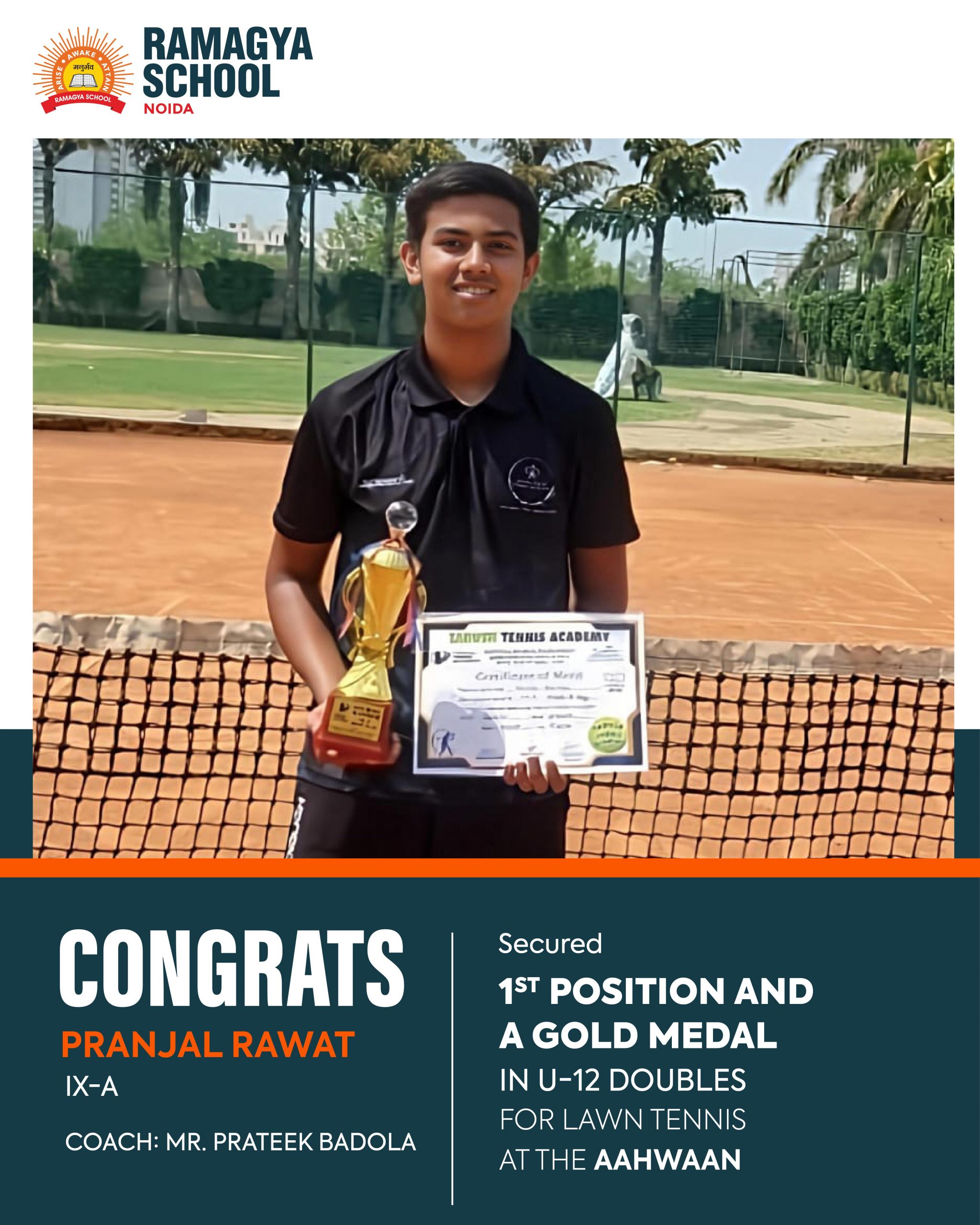
    Pranjal Rawat Wins Gold at AAHWAAN Inter-School Tennis Tournament

    Pranjal Rawat of Class IX-A showcased exceptional talent and determination at the AAHWAAN Inter-School Tennis Tournament held at JBM Global School, Noida. Competing in the Under-16 Doubles category, Pranjal secured the 1st position and was awarded the Gold Medal for his outstanding performance.

    This remarkable achievement highlights his dedication to the sport and his ability to perform under pressure. A special thanks to his coach, Mr. Prateek Badola, for guiding and supporting him throughout the tournament.

    Pranjal’s success is a proud moment and an inspiring example of focus, teamwork, and passion for lawn tennis.

  • Aariv Gupta Wins Doubles Title at AITA National Series

    Aariv Gupta Wins Doubles Title at AITA National Series

    Aariv Gupta from Class 7-F has achieved a great milestone by winning the Doubles title in the AITA National Series for the Under-12 category. Held in Jassowal, this national-level tournament saw Aariv competing against some of the best young tennis players from across the country. With focus, determination, and smart gameplay, he clinched the Gold medal, making this a proud moment for his family, friends, and mentors.
    The guidance and encouragement of his coach, Mr. Prateek Badola, played an important role in helping Aariv prepare and perform at his best. Congratulations to him for bringing home this remarkable victory and showcasing the spirit of sportsmanship at the national level!

  • Simple Shoulder Workout Routine for Beginners

    Simple Shoulder Workout Routine for Beginners

    When someone starts their fitness journey one of the areas they usually are looking to strengthen and shape is the shoulders. Strong shoulders do not just give your upper body a more well-defined look, but they also assist you with everyday tasks such as carrying groceries, lifting objects, and can even improve your posture. So, if you’re not used to exercising, this blog will help you understand a simple shoulder workout routine for beginners. We’ll walk you through each step so that you know how to complete each move properly and safely.

    Before you begin, make sure you warm up. Warm-ups can be as simple as arm circles, shoulder rotations or a few light stretches. This will help avoid injury or pain later.

    Also read: CrossFit Workout Explained: Benefits, Tips, and Techniques

    Understanding the Shoulder Muscles

    Your shoulders are mainly made up of three parts:

    In order to build strong and well-balanced shoulders, your shoulder exercises must target all the three areas equally. The majority of beginners make the common mistake and that is they only train the front portion. This can lead to poor posture and weakness. We should, therefore, concentrate on a balanced workout.

    Watch: https://www.instagram.com/p/C03IM-FShnW/?next=%2Framagyaschool_noidaextension%2F

    Best Shoulder Workout for Beginners (Step-by-Step)

    Here’s a quick and easy routine to follow. You can do this shoulder exercise at home or at the gym. Begin with lighter weights. Form matters more than weight. 

    This is among the most effective shoulder exercises for overall strength. 

    How to do:

    Reps: 3 sets of 10-12 repetitions.

    This exercise targets the shoulder in front and helps build a foundation for strength.

    This will help to shape the sides of your shoulders which makes them look broader.

    How to do:

    Reps: 3 sets of 10 repetitions.

    Keep your elbows a little bent, and don’t swing your body.

    This targets the front of the shoulder.

    How to do:

    Reps: 3 sets of 10 repetitions.

    Use light weights to prevent strain.

    This is essential to maintain balance in the back part of the shoulder.

    How to do:

    Reps: 3 sets of 10-12 reps.

    This increases shoulder stability and posture.

    This is focused on the shoulder’s upper part and can help to improve shoulder and neck support.

    How to do:

    The exercise targets all three areas of the shoulder, front, side and back, making it a highly beneficial addition to your exercise routine.

    How to do:

    Reps: 3 sets of 8-12 repetitions.

    The Upright Row concentrates on strengthening shoulders and upper traps which helps in building an energised and stronger upper body.

    How to do:

    Reps: 3 sets of 10-12 repetitions.

    Why Consistency Matters

    Repeating these shoulder exercises just once or twice a week is not enough. If you are looking for visible results make sure you do this routine at least 3 to 4 times in a month. Gradually increase the weight when you feel stronger. Get a good rest and drink plenty of fluids.

    Ramagya Sports Academy – Best Gym in Noida

    If you’re looking for the best gym in Noida, Ramagya Sports Academy is unique because they are focused on actual progress and not just equipment or pictures. Most gyms only provide machines, but Ramagya focuses on personal attention, guidance, and growth. Their trained trainers focus on your posture, movements, your progress and even your level of comfort. The environment is disciplined and friendly, so that beginners do not feel judged. The trainers provide you scientific and easy to follow instructions even if you’ve never worked out before. 

    This is what makes Ramagya Sports Academy the best gym in Noida for those who want to improve their strength in a sustainable and healthy method.

    FAQs

    Q1. Do I need a personal trainer to start shoulder workouts?
    No, you can start on your own. Watch good videos or follow easy guides. If you’re not sure about your posture, a trainer can help you do it safely.

    Q2. What is the best time of day to do shoulder workouts?
    Any time that suits you. Some like mornings, some like evenings. Just try to do it at the same time every day.

    Q3. How much weight should a beginner lift for shoulder workouts?
    Start with light weights you can lift 10 to 12 times without pain. When it feels easy, add a little more. Don’t start lifting heavy weights too soon.

    Q4. Can I do shoulder workouts at home without any equipment?
    Yes. You can use water bottles, resistance bands, or do simple moves like arm circles and wall push-ups. What matters most is being regular.

  • Aarna Rathore Excels at the CBSE North Zone-I Cluster XIX Roller Skating Tournament 2025

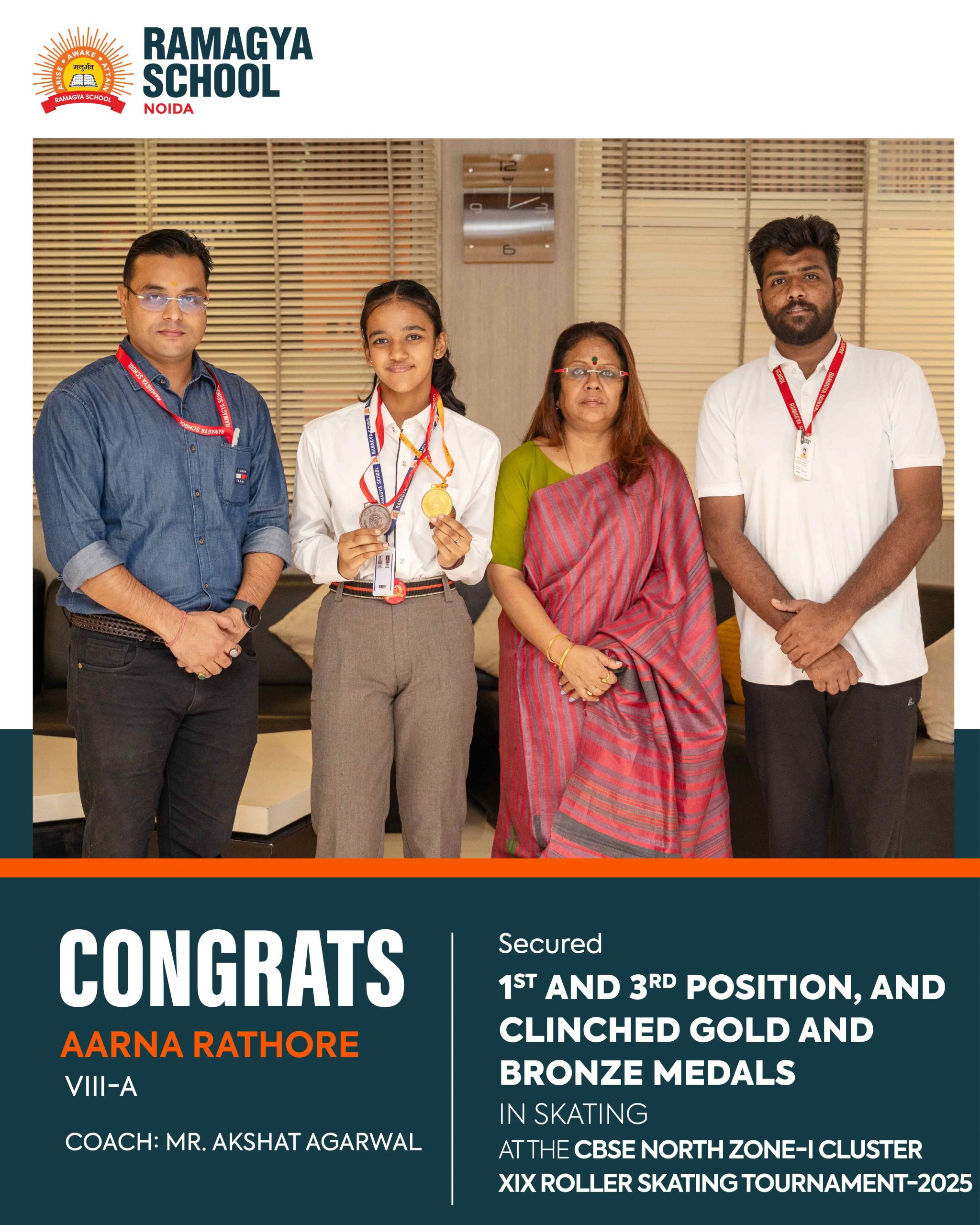
    Aarna Rathore Excels at the CBSE North Zone-I Cluster XIX Roller Skating Tournament 2025

    We are proud to share the achievement of Aarna Rathore of Class VIII-A, who delivered an outstanding performance at the CBSE North Zone-I Cluster XIX Roller Skating Tournament 2025 held at JSR Banked Track, Chipiyana Buzurg.

    Aarna secured 1st place with a Gold medal in the 500m Rink event and 3rd place with a Bronze medal in the 1 Lap Road event in the Under-14 category. Her hard work, focus, and love for skating were clearly visible in both races, making this achievement truly special.A heartfelt appreciation goes to Coach Mr. Akshat Agarwal for his constant support, guidance, and encouragement, which played an important role in her success.

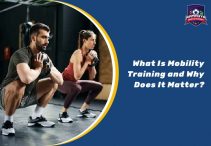
  • What is Mobility Training and Why Does it Matter?

    What is Mobility Training and Why Does it Matter?

    Do you feel stiff after sitting in a position for a long time and noticed that it takes you a while to walk without difficulty when you get up? It’s because muscles and joints require movement, flexibility and care. This training isn’t just about lifting heavy weights but rather allowing your body to move freely at a comfortable, efficient, and free level. 

    In this blog, we’ll look at what is mobility training, how a mobility workout will benefit you, and the exercises for joint mobility you can do to improve your health every day.

    Understanding Mobility Training

    What is mobility training? At its core, it refers to exercises and movements that improve how your joints and muscles work together so that you move easily and with control. 

    It’s more than just being flexible, mobility training helps build strength, control, balance along with joint health. If you incorporate mobility workout sessions into your daily routine, you’re not just improving your fitness and sporting performance but also enhancing daily movements such as reaching, bending, walking, and getting up from a seat.

    Why Mobility Training Matters

    Here are a few reasons to consider why training in mobility is important:

    • Improves joint health and range of motion. When you exercise regularly your joints are healthier and you can move more easily.
    • Reduces risk of injury and pain. If your muscles and joints don’t work properly then you’re more likely to be injured. The training for mobility helps in repairing those issues.
    • Makes daily activities easier. Things like climbing stairs, reaching for shelves, or even tying shoes are easier after having completed joint mobility exercises.

    • Boosts athletic performance and posture. A good mobility level helps you perform better during your workouts, and also reduces stress on your hips, back and shoulders.
    • Supports long-term health and aging well. As you age, maintaining mobility can help you remain active and independent. 

    A mobility workout isn’t just a luxury, it’s a great addition to any exercise or fitness routine.

    What Are Joint Mobility Exercises?

    When you hear joint mobility exercises, the first thing that you think of is arm circles, ankle rotations, hip swings – these kinds of exercise and you’re right! These exercises are easy, focus on joints, muscles, as well as your movement. Some examples are:

    • Leg swings or hip circles in order to relax hip joints
    • Arm circles and shoulder rolls to increase shoulder movement
    • Ankle circles or foot bends to support lower legs and ankles
    • Controlled squats or lunges to move hips, knees and ankles together

    They are very simple but effective. They are included in a mobility workout to help improve your overall movement quality.

    How to Start with Mobility Training

    Here’s an easy step to get started:

    1. Warm up gently: Spend 5 minutes doing light movements (like arm swings and lifting your legs).
    2. Pick 2-3 joint areas where you feel stiffness (hips, ankles, shoulders).
    3. Do 5-10 minutes of joint mobility exercises – slowly, controlled, and feel the movements.
    4. Include such exercises three times a week, or include it into your workout routine.
    5. Be consistent: Even the smallest mobility sessions can be beneficial. 

    Make sure to focus on your posture, control, form and your body’s connection.

    Tips to Get the Most from Mobility Training

    • Use body awareness: Notice the way your body is moving, how it feels tight, or restrained.
    • Avoid rushing: Mobility is about smooth, controlled moving, not speed.
    • Include it regularly: Pair it with your regular exercise routine or during rest days.
    • Keep equipment minimal: Using a mat, an exercise ball or a resistance band could help.
    • Monitor progress: Can you bend your body better, lean easily, or move with less stiffness? Little changes are important.

    Conclusion

    The importance of mobility training is all about freedom of movement. When you know what is mobility training, practice a mobility workout, and frequently do joint mobility exercises, the body gets more comfortable and secure. When you’re working out, walking through the day or trying to stay active throughout your life, these actions are crucial. Start small, be consistent and allow your body to move effortlessly and strengthen.

    FAQs

    Q1. Do I need to be flexible before starting mobility training?
    No. You become flexible because of mobility training. It helps you move more easily over time.

    Q2. How often should I do joint mobility exercises?
    Start 2-3 times a week for about 5 to 10 minutes. You can increase it slowly if you feel good.

    Q3. Is mobility training only for athletes or older people?
    No. Everyone can benefit – students, office workers, beginners, athletes, and seniors.

    Q4. Can I do mobility exercises at home without equipment?
    Yes. Most basic mobility exercises use just your body and simple movements.

    Q5. There is a lot of pain in my joints. Can I still do mobility exercises?
    If there is pain or injury, ask a doctor or trainer first. Then do gentle movements under guidance.

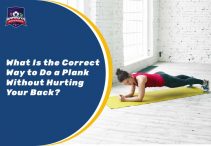
  • What is the Correct Way to do a Plank Without Hurting Your Back?

    What is the Correct Way to do a Plank Without Hurting Your Back?

    What is the Correct Way to do a Plank Without Hurting Your Back?

    The plank is among the most simple and efficient exercises to build the core strength. Although it looks easy, a lot of people do it incorrectly. If your posture is not right, it could cause shoulder strain, back pain and discomfort, instead of helping your body. This is the reason why  learning the correct plank form is crucial.

    If you’re working out at home or working out at a gym in Noida, knowing how to do a plank correctly will help make your workout routine secure and efficient. We will discuss the correct ways to do it and the mistakes you should avoid.

    Why Planks Are Important

    Planks strengthen the core muscles. These include:

    • Abdomen (stomach muscles)
    • Lower back
    • Hips
    • Chest and shoulder support
    • Pelvic muscles

    A solid foundation can aid you:

    • Maintain a straight posture
    • Reduce lower back pain
    • Enhance your daily movement
    • Gain balance and stability

    It makes planking an extremely effective exercise for professionals, students, athletes, and for anyone who wants to stay fit.

    Step-by-Step: How to Do a Plank Correctly

    Follow these steps to ensure the correct plank form:

    1. Start by lying on your stomach on a mat.
    2. Your elbows should be directly under your shoulders. Forearms should be flat on the floor.
    3. Lift your body off the floor using your elbows and toes.
    4. Keep your body straight from your head to the heels.
    5. Do not lift or fall on your hips. Hips should be in a neutral position and stable.
    6. The belly should be pulled slightly inwards. Imagine pulling your navel towards your spine.
    7. Keep your neck neutral. Don’t look upwards or let your head hang down.
    8. Hold the position while breathing slowly, but do not hold your breath.

    Begin with 15-20 seconds, and gradually increase it until you can hold it for 45 seconds or 1 minute. Your core will become stronger gradually. This is how to do a plank correctly without putting pressure on your back.

    Common Mistakes That Cause Back Pain

    Even minor mistakes can make the exercise less effective or even painful. Beware of these:

    MistakeWhy It’s WrongCorrection
    Hips too highReduces the core workKeep your hips aligned with your shoulder
    Hips too lowPressure is on the lower backEngage your core and raise a little
    Looking up or down too muchStrains neckKeep your eyes softly down
    Holding breathCauses tensionBreathe slowly and steadily
    Doing it for too longCauses shaking and bad postureIncrease the duration slowly

    Remember: Quality matters more than the duration.

    If You Feel Back Pain While Planking

    Don’t ignore the pain. Make sure to stop and look:

    • Are your hips too low?
    • Are you tightening your core?
    • Are your shoulders straining?

    Always ensure that you are in the correct posture. It is more beneficial to keep the plank in place for 20 seconds in the correct posture rather than 1 minute incorrectly.

    Modified Plank for Beginners

    If a full plank feels difficult at first, you can consider this method:

    1. Put your knees to the floor.
    2. Make sure your elbows are in place and keep your upper body posture the same.
    3. Hold it for at least 20-30 seconds.

    It builds strength slowly, and in a safe way.

    Where to Learn Proper Plank Form and Training Support

    If you’re looking for a guided practice, joining a gym in Noida will help you develop posture, flexibility & strength while under the supervision of a professional.

    Ramagya Sports Academy, a well-known and reputable gym that provides expert fitness advice for adults, children, and even beginners. Trainers teach exercises such as planks step-by-step and focus on proper form to ensure that the body is fit and free of injuries. Their approach to training is patient, welcoming, and they adapt to each person’s individual needs which makes learning secure and enjoyable.

    It doesn’t matter if you’re strengthening your core, enhancing stamina, or starting an exercising journey for the first time, the right advice can make a big impact.

    Benefits of Doing Planks Regularly

    • Reduces the risk of back discomfort
    • Improves body posture
    • Improves hips and shoulders
    • Balance and coordination are improved.
    • It assists in everyday chores with ease

    A few minutes every day will show visible improvement.

    Conclusion

    Planks are strong, easy and efficient when performed properly. When you focus on the correct plank form, you will ensure your back is protected and your core is strengthened. If you’re working out at home or at the gym in Noida make sure to start slowly, be mindful of your correct posture, and gain strength gradually. A strong core, steady breath and correct posture are crucial to mastering how to do a plank correctly in a safe and secure manner.

    FAQs

    Q1. How long should I hold a plank?
    You can start with 15-20 seconds. Increase the time slowly as you get stronger. Good posture is more important than how long you hold it.

    Q2. Should I do planks every day?
    Yes, doing short planks daily is fine, as long as your form is correct.

    Q3. Why does my back hurt during a plank?
    If your back hurts, your hips are likely dropping down. Lift your hips a little and tighten your core.

    Q4. Can beginners do planks?
    Yes. Beginners can start with a knee-plank or hold the plank for a shorter time.