Blog

  • The Evolution of Indoor Sports : A Historical Perspective

    The Evolution of Indoor Sports : A Historical Perspective

    The Evolution of Indoor Sports : A Historical Perspective

    History of Indoor Sports Indoor sports have a long tradition that spans centuries beginning with simple recreational activities to competitive events that attract millions of people around the world. This fascinating journey in the history of indoor sports provides insight into the growth of the sport, its significance, and the impact of indoor sports on society.

    Ancient Origins:

    Indoor sports have a long history dating back to times of old when people wished to have fun and physical exercise in indoor spaces. Imagine old Egyptians sitting around playing Senet which is a board game that combines luck and strategy, or participating in Mehen the game, which symbolizes faith that they would be reincarnated.  Similar to this, the early Chinese dynasties were fond of indoor games such as Jianzi which was akin to the hacky sack of today, encouraging the ability to balance and agility. These old-fashioned pastimes laid the foundation that would later become the indoor sport we enjoy today. They established the seeds of camaraderie and competition that are still flourishing in the modern gyms and arenas.  Starting with humble foundations like Senet as well as Mehen to the hysterical courts of volleyball and basketball indoor sports have transcended the boundaries of time by connecting us to our past and forming our sporting tradition.

    Medieval Europe:

    In the Middle Ages, indoor sports were thriving in popularity, with archery, bowling and fencing becoming popular among the nobility as well as commoners. Halls and courts indoors were places for social gatherings as well as sporting events, encouraging friendship and competition among communities.

    Industrial Revolution:

    The Industrial Revolution of the 18th and 19th centuries brought about significant technological advancements and urbanization, which influenced the growth of sports that were played indoors. As indoor facilities like gyms, arenas and recreation clubs, sports like volleyball, basketball and badminton were able to be played as organized indoor activities that provided ways to exercise and play in urban environments.

    Modern Era:

    The 20th century saw the expansion of commercialization and globalization indoor sports, which was fueled by advances in transportation, communication, and the media. Tournaments, leagues, and championships were normal, elevating sport in the indoor arena to top of global athletics and entertainment. iconic venues such as Madison Square Garden and the Staples Center became synonymous with indoor sports, hosting elite events that thrilled audiences across the globe.

    Cultural Impact of Indoor Sports

    Indoor sports have left a permanent impact on all cultures around the world that have shaped norms for society as well as values and identities. From ancient times to contemporary societies outdoor sports played a crucial part in shaping the cultural landscape and in fostering a sense of community.
    • Bridging Divides: Indoor sports provide an opportunity for people of diverse backgrounds can meet, transcending the boundaries of age, gender or ethnicity. If it’s a game of fun in the gym at home, or a game with table tennis in the indoor arena, games offer opportunities for interactions and mutual respect.
    • Celebrating Tradition: A lot of indoor sports have deeply rooted traditions and rituals that go to them, which reflect the culture of their heritage. For instance Kabaddi, a Japanese practice of Sumo wrestling as well as The Indian Kabaddi game Kabaddi are rooted in tradition, and are accompanied by ceremonies and rituals that acknowledge their importance to culture.
    • Fostering Identity: Indoor sports are often an expression of self-confidence and national identity as countries adopt certain sports as part of their heritage. Basketball is, for example, closely associated with American culture, and cricket is a position in the minds of a large number of South Asians.
    • Promoting Inclusivity: Indoor sports encourage inclusion by offering opportunities to people of all backgrounds to take part and perform. For example, whether it’s adaptive sports programs designed for people who have disabilities or initiatives that aim to increase women’s participation in indoor sports, they strive to build an inclusive and fair society.
    • Inspiring Creativity: Indoor sports foster the ability to think and innovate and innovation, as athletes continuously seek ways to beat their competitors. From tricks shot in the water to amazing movements within gymnastics. These games inspire people to push the limits of what is possible.

    Health and Wellness:

    Indoor sports play a significant part in improving well-being and health, providing individuals with the opportunity to fitness, socialization, as well as stress relief. In fact, playing activities in the indoor environment has been proven to lead to numerous mental and physical health benefits, including better overall health and fitness, improved coordination, and a lower likelihood of contracting chronic diseases.  Additionally, indoor sports offer ways to grow personally in skill development, as well as teamwork, fostering values of determination, discipline and sportsmanship among athletes from all age groups.

    Future Outlook:

    In the future indoor sports are set to evolve and change to the ever-changing demands and preferences of society. Technology advancements like virtual real-time and augmented reality could revolutionize how indoor sports are viewed and enjoyed, providing immersive and engaging experiences for athletes as well as fans.  In addition, initiatives that promote inclusiveness as well as diversity and sustainability in indoor sports are likely to spur development and innovation over the next few years making sure that indoor sports will remain relevant and influential in the 21st century, and beyond.

    Conclusion:

    In the end, the development of indoor sports reflects the dynamic interaction between innovation and tradition, the business world and the culture, as well as athletics and entertainment. From ancient pastimes to current spectacles indoor sports have stood the test of time as a symbol of the inherent human spirit of friendship, camaraderie and excellence.  In the years ahead, we will celebrate the history of indoor sports and the potential of indoor sports. Let’s celebrate the path that took us to the point we are now and take a leap into the future.
  • Agrima Singh Wins Gold at Sub Jr.U.P. State 1st Major Badminton Tournament

    Agrima Singh Wins Gold at Sub Jr.U.P. State 1st Major Badminton Tournament

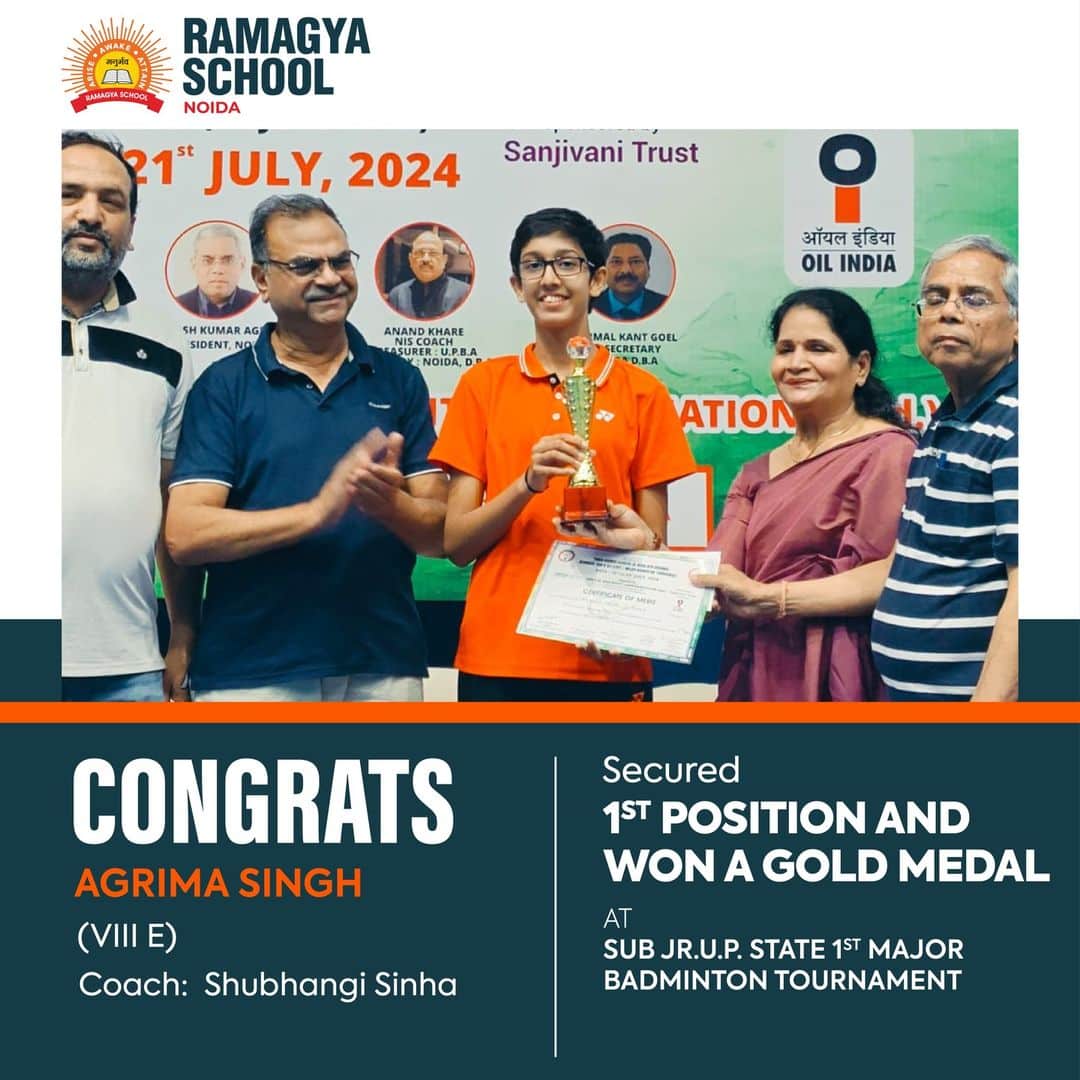
    We are delighted to celebrate the outstanding achievement of Agrima Singh from Class VIII E, who has won the Gold Medal at the prestigious Yonex Sunrise Kanhiya Lal Maha Devi Agarwal Memorial Sub Jr. U.P. State Badminton Tournament. The tournament, held in Noida from July 18th to July 21st, 2024, featured top talent from across the state, and she excelled in the Girls Under 15 Singles category.

    Her remarkable performance, marked by exceptional skill and determination, earned her the top position, reflecting her dedication to the sport. We extend our sincere gratitude to Coach Shubhangi Sinha for her invaluable guidance and support throughout the tournament.

    Agrima’s victory is a significant milestone and a source of immense pride for our school.

  • Empower Your Child: Five Reassuring Arguments to Consider Martial Arts Training

    Empower Your Child: Five Reassuring Arguments to Consider Martial Arts Training

    Empower Your Child: Five Reassuring Arguments to Consider Martial Arts Training

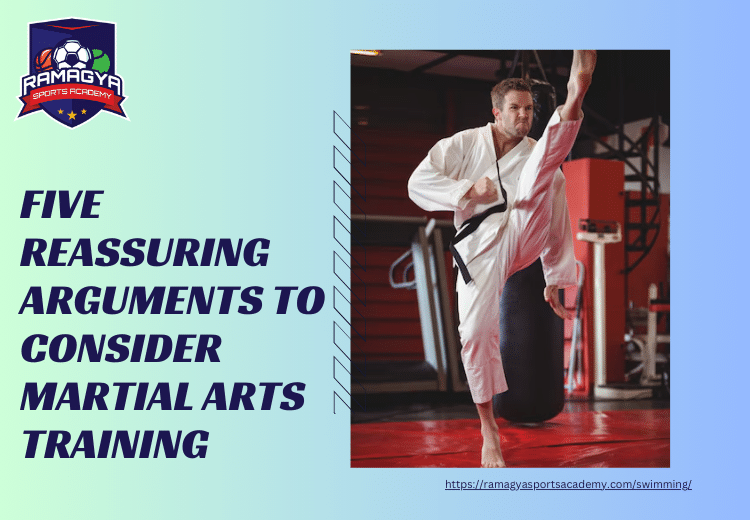
    Martial Arts Training With today’s society requiring self-control, resilience, and confidence from its residents, parents frequently look for ways to help their kids develop these essential traits. Martial arts offer unique benefits: They teach intellectual clarity, emotional resilience, physical conditioning, and holistic development. It ends up as a powerful instrument for the holistic growth of students. Martial arts also impart priceless life lessons outside of the classroom. For example, children learn priceless life lessons outside of school through the focused practice of traditional methods or enjoyable striking sessions. As soon as students step onto the dojo floor, a journey in martial arts training begins. Skilled instructors and a friendly community greet them. Progressive training helps trainees become more focused and concentrated both physically and psychologically, in addition to teaching them self-defense techniques and qualities like patience, self-control, and respect.  Martial arts training benefits kids psychologically and physically. For example, it teaches kids how to face challenges head-on and grow stronger. Martial arts fans acquire the bravery, tenacity, and ability to see obstacles as chances for personal development to meet the barriers head-on. This helps people create a growth mindset.

    Martial Arts for Your Child: Discover its Advantages Now:

    1. Enhance Physical Fitness: Martial arts offer a comprehensive approach to enhancing physical fitness, encompassing cardiovascular stamina, muscle mass, softness, and rhythm. Children who regularly learn martial arts courses can practice dynamic movements that contribute to the development of their general conditioning. In martial arts programs, children who prioritize physical fitness improve their sports performance and develop lifelong wellness and exercise habits. It is one of the most important benefits of martial arts.
    2. Develop Self-Defense Skills: Enrolling your child in martial arts provides them with invaluable self-defence abilities that could be useful during various situations. Martial arts training equips children with the tools to defend themselves effectively against threats and escape dangerous situations. Through martial arts practice, children develop confidence in themselves to protect themselves. They are ultimately contributing to an increase in overall safety and security. Learning self-defence gives children a sense of empowerment and self-assurance, helping them navigate life with greater ease and resilience.
    3. Discipline and Focus: Martial arts offer children invaluable life skills beyond the training mat, including discipline and focus. Children learn to uphold the values and principles of martial arts through consistent practice. Students must follow structured routines, respect instructors and stay focused during practice sessions for maximum results. By cultivating discipline and focus through martial arts, children gain essential tools to set goals, overcome obstacles and stay on task. These essential qualities translate seamlessly to academic studies, personal relationships and career advancement. All this makes martial arts an invaluable source of holistic development.
    4. Build Confidence and Self-Esteem: Children who train in martial arts gain self-esteem and confidence, which improves their perspective on life and themselves. Children develop a sense of self-worth and achievement with regular practice and hitting benchmarks like receiving belts or perfecting techniques. Children who learn martial arts can grow resilient, face their fears, and conquer obstacles in a supportive environment. Children eventually develop the confidence and self-defence abilities necessary to defend themselves in an emergency. Your child’s increased self-assurance comes from far more than just the dojo; it helps with homework, social situations, and personal goals. This is why it is one of the significant benefits of martial arts.
    5. Foster Respect and Character Development: Through the practice of self-honor, respect for peers and teachers, and character development, martial arts impart values to youth. Children learn how important it is to respect authority figures while being friendly and demonstrating goodwill toward others through martial arts code of conduct, etiquette practices, and bowing traditions. The principles of integrity, determination, and sincerity are emphasized in martial arts instruction to mould kids into mature, morally upright adults who can lead by example in their community.
    Children who acquire these values grow morally and become great role models both inside and outside of themselves. Martial arts practices promote the growth of qualities that lead to increased compassion, such as patience, resilience, and empathy. Enrolling your child in martial arts develops character traits that will help them face life challenges with honour, grace, and functional self-defence abilities.

    Conclusion:

    Martial arts training offers numerous benefits to your child beyond enhancing their physical well-being and capacity for self-defence. Through consistent practice and devotional sessions, martial arts provide a comprehensive approach to human growth by cultivating virtues, including discipline, respect, confidence, resilience, and tenacity.   Children benefit from this in terms of their mental toughness and emotional intelligence, as well as their physical strength and coordination.Kids who learn martial arts have an excellent chance to acquire essential life skills in a nurturing environment. Students quickly gain self-control and concentration, which improves their behavior both inside and outside of the dojo and their scholastic achievement. Martial arts build community and camaraderie among practitioners and create an environment of teamwork and mutual respect. Kids also learn to appreciate diversity while appreciating differences, creating an inclusive culture in their schools. Overall, enrolling your child in martial arts training is an investment in their health and future success.  
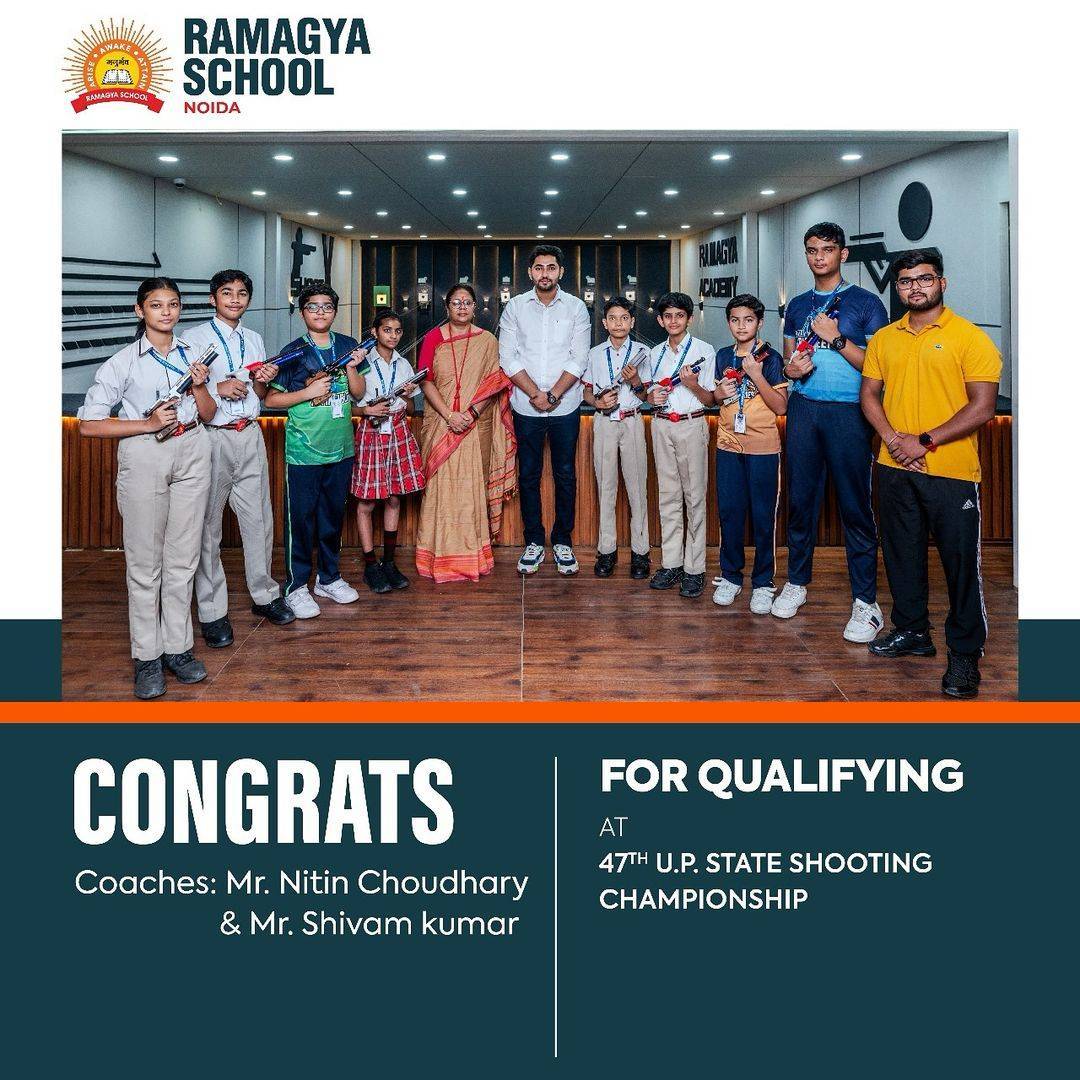
  • Our shooters qualified for Pre-Nationals at the 47th U.P. State Shooting Championship.

    Our shooters qualified for Pre-Nationals at the 47th U.P. State Shooting Championship.

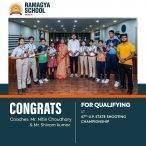
    Ramagya School shooters continued their remarkable performance at the 47th U.P. State Shooting Championship held at Dr. Karni Singh Shooting Range, New Delhi, from July 5 to July 14, 2024. Many of our talented shooters secured qualifications for the upcoming prestigious Pre-National event scheduled in Goa & Pune from August 18 to August 28, 2024. Under the mentorship of Nitin Choudhary and Shivam Kumar, students Rudra, Anay, Mansvi, Raghav, and Shaurya displayed exceptional marksmanship and unwavering dedication. This achievement highlights Ramagya School’s commitment to fostering sports excellence and holistic development among its students. Beyond the academics, our school aims to instill values of discipline and resilience, preparing young athletes for success both on and off the field.
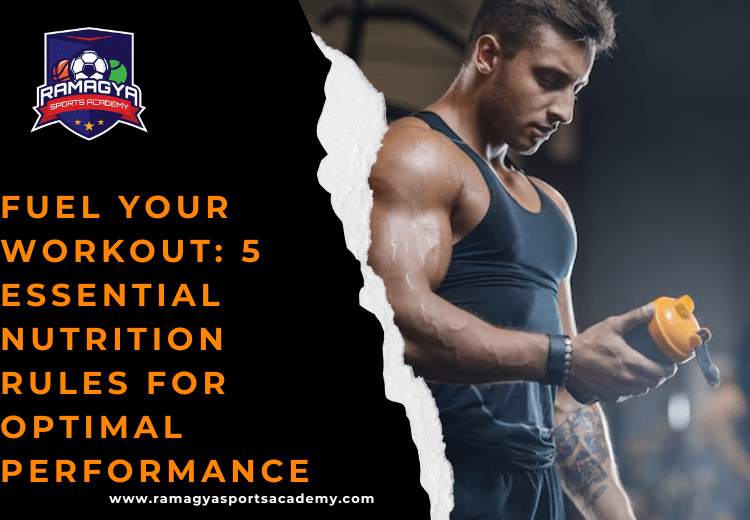
  • Fuel Your Workout: 5 Essential Nutrition Rules for Optimal Performance

    Fuel Your Workout: 5 Essential Nutrition Rules for Optimal Performance

    Fuel Your Workout: 5 Essential Nutrition Rules for Optimal Performance

    Fuel Your Workout

    Exercise and performance enhancement are greatly helped by proper nutrition. People can increase their energy levels, support muscular growth, and facilitate post-exercise recovery by following specific rules whether a beginner or a seasoned athlete, achieving your fitness objectives depends on understanding pre- and post-workout nutrition.
    This blog offers crucial nutritional suggestions that will optimize the effectiveness of your exercise. From figuring out the optimal nutritional ratio to carefully organizing your mealtimes, You can perform better in sports overall and maintain long-term health and fitness if you include these rules in your everyday practice.

    5 Essential Nutrition Rules for Optimal Performance

    • Hydration is the Key:
      • Hydration is vital to work out at your peak. Dehydration can affect brain functioning, cause cramping in muscles and hinder performance. All of which make it difficult to work for long periods of time. It is essential to drink plenty of water throughout the day. You should boost your intake prior to, after, and even during exercise.
      • Drinks with electrolytes are able to aid in restoring minerals lost by sweating during intense or long-term physical exercise.
      • Maintaining fluid balance, enhancing cardiovascular function, and building overall endurance all come from being appropriately hydrated, which enables you to provide your best effort and recuperate from exercise more quickly.
    • Prioritize Protein:
      • Protein is vital to fuel your workout as well as supporting the development of muscles as well as their repair. Consuming enough protein prior to and following workouts will aid in the recuperation of muscles, decrease soreness and improve overall endurance and strength.
      • In your post- and pre-workout meals, you should include quality protein sources such as eggs, lean meats and eggs and fish, as well as legumes, poultry dairy products and protein-rich plant sources.
      • Protein-rich snacks or shakes are a great choice to fuel muscles and speed up the process of protein synthesis. When you prioritize protein intake, you’ll increase your body’s capacity to recover and adjust in response to demands from exercise, eventually improving your workout results.
    • Carbohydrates for Energy:
      • Carbs provide the energy needed to fuel exercise effectively. Your muscles rely on carbs as their primary energy source while exercising for prolonged or intense sessions. So ensure your pre-workout meal or snack contains complex carbs for continuous energy release and less fatigue.
      • Whole grain options like oatmeal, brown rice, quinoa, and sweet potatoes provide adequate carb intake. Alongside other veggies and fruits, they support performance during each workout and help you reach fitness objectives faster.
    • Don’t Forget Fat:
      • After carbs, to maintain energy levels and enhance nutrient absorption during physical activity, include healthy fats such as avocados, seeds, nuts and olive oil in your meals and snacks for an energizing and fulfilling workout experience.
      • Integrating fats into your diet may provide an ideal and balanced approach for optimizing overall performance, health and fitness levels.
    • Timing is Everything:
      • A key component of optimizing the advantages of your exercise diet is timing. Eating the proper foods at the correct times can make a big difference in how well you perform, how energetic you are, and how quickly you recover.
      • For maximum energy and to support muscle maintenance, eat a well-balanced meal with carbohydrates, proteins, and fats at least two hours before working out.
      • Additionally, to aid with muscle regeneration and restore glycogen stores, you should refuel within an hour of doing out by consuming meals or snacks high in protein. If you are especially mindful of the timing of your meals and snacks and your workout schedule, you may optimize your diet and reach optimal results.

    Foods to fuel your workout:

    • The food you select to consume during your workout can significantly affect your performance and recovery because you consume the energy you need. A balanced diet that includes a mixture of carbohydrates, protein and healthy fats prior to and after exercising can boost the energy level of your body, muscle development, and overall performance in the sport.
    • For fuel to your workout, you should focus on eating complex carbs that could give you long-term energy sources like fruits, whole grain cereals and various other vegetables. These foods boost glycogen storage in muscles. They also provide continuous energy throughout your workout.
    • Also, incorporating an occasional amount of proteins from sources which are nutrient-rich on your menu prior to, or immediately following an exercise snack can aid in the growth and recovery in your muscle mass. It is crucial to concentrate to replenish your energy level by taking in protein and carbs following your workout in order to help with recovery from muscle strain and replenish nutritional stores.
    • By incorporating healthy fats into your diet will improve your overall health and experience a surge in energy. If you exercise, eat food items that contain healthy fats such as avocados, almonds and olive oil and seeds to feel more energized and content. Choosing foods that are high in nutrients and supply enough macronutrients can help you achieve your goals and help you meet your fitness goals.

    Conclusion:

    Following these guidelines for nutrition will dramatically enhance your fitness performance and workout. Making sure you are hydrated, focusing on the consumption of protein, carbs to boost fuel, healthy fats and the appropriate timing of meals will give your body the energy it needs to function effectively to recover fast.
    Keep in mind that balance and a consistent approach are crucial and you must incorporate these principles as part of your routine every day to help you maximize your training and achieve the fitness goals you’ve set. If you’re getting the right nutrition, you will feel more energetic and powerful when you exercise and you’ll also notice improvements and progress in time.

    Read our Article: Top 5 Workout Tips for Beginners

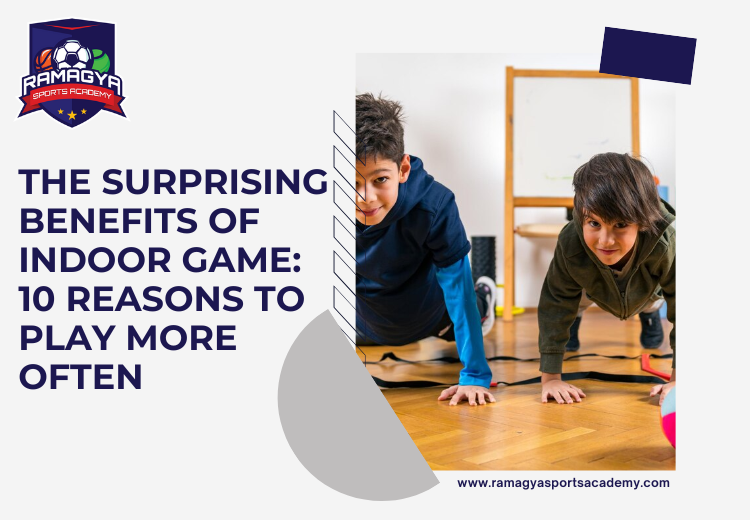
  • The Surprising Benefits of Indoor Game: 10 Reasons to play more often

    The Surprising Benefits of Indoor Game: 10 Reasons to play more often

    The Surprising Benefits of Indoor Game: 10 Reasons to play more often

    Benefits of Indoor Games Finding time for leisure activities is increasingly essential in our fast paced lives, and indoor games offer a fantastic way to do just that. Playing indoor games provides physical and mental benefits for individuals of all ages; cognitive function improves, social skills flourish, stress reduces, creativity blooms. Here in this blog, we will highlight all of these positive impacts of gaming indoors in different aspects of our life – board games, virtual simulations or puzzles. We invite you all to discover this fascinating world and learn how indoor games can lead to happier, healthier lifestyles! Join us as we uncover this fascinating world and uncover how they can contribute towards happier, healthier living!

    Benefits of Indoor Games:

    1. Enhance Cognitive Skills: Indoor games such as chess and puzzles stimulate the brain, stimulating memory, problem-solving and critical thinking capabilities while providing mental acuity benefits that may even prevent age-related cognitive decline.
    2. Promote social interaction: They foster closeness among friends and family. Participating in these activities, whether a friendly game night with neighbors or card tournament with colleagues, fosters camaraderie and communication between those playing. It is one of the main benefits of indoor games.
    3. Combat Stress: Indoor games are a fantastic way to combat stress and anxiety, providing distraction from everyday worries while stimulating relaxation and releasing feel-good endorphins that reduce tension. This helps combat both tension and anxiety levels in turn reducing overall levels.
    4. Enhancing Concentration and Focus: Indoor games like strategy games and word puzzles require concentration and attention, which can be strengthened through playing. Through playing games, these skills can be developed further.
    5. Innovativeness Is Encouraged: Indoor games, for example, pretenses and ad lib charades and improvisation cultivate creative mind and inventiveness, giving players an outlet to release their inner creative genius while considering some fresh possibilities, as well as exploring new points of view and thoughts.
    6. Enhances Motor Skills:  Hand-eye coordination and fine motor skills are improved by playing indoor games. For example, table tennis or darts consistently improve eye and hand coordination. Doing this consistently can help with creating coordination, mastery and reflexes over the long run.
    7. Teaches Patience and Resilience: Indoor games can frequently give players disappointments and difficulties to be overwhelmed with flexibility and persistence, creating fundamental abilities like tirelessness, versatility and emotional regulation.
    8. Foster Healthy Competition: Healthy competition is a basic part of numerous indoor games, empowering players to strive  for excellence while maintaining sportsmanship and keeping up with fair play. Contenders benefit from cordial rivalry which builds their confidence, creates a sense of achievement and cultivates self-improvement.
    9. LeisureTime: Indoor games offer a great way to relax and have a good time with family or friends. From Scrabble or Clue that offers suspenseful gameplay to fun charades games with friends, indoor games create lasting memories for everyone involved.
    10. Opportunities: Indoor games provide endless opportunities for skill building and ongoing growth. Participants engage in an ongoing cycle of discovery – whether learning a strategy, understanding rules of a game or trying out various tactics.

    Healthy Bodies, Informed Minds: Indoor Sports in Schools

    Indoor sports play an invaluable role in supporting physical activity at schools and the wellbeing of their students. Indoor sports provide multiple benefits, from improving fitness regardless of weather to developing key motor skills like agility and coordination as well as encouraging teamwork through games. Participating in indoor sports helps students build self-confidence, discipline and perseverance by accomplishing goals, overcoming obstacles and meeting new people – not to mention improve interpersonal skills! Indoor sports offer students a fantastic way to socialize. Indoor sports release endorphins that reduce stress, anxiety and depression – improving mental health overall. Furthermore, these sports contribute significantly to child development by encouraging physical fitness while teaching life lessons.

    What are the examples of indoor games for kids?

    Indoor games can provide hours of entertainment while simultaneously building skills in strategic thinking and decision-making. 
    • Monopoly and Scrabble provide great examples, providing hours of enjoyment while at the same time helping children develop these essential lifelong capabilities.
    • Card games such as Uno, Crazy Eights and Go Fish are easy to learn and promote social interactions among children of all ages. Jigsaw puzzles and brain teasers challenge children’s patience and problem-solving skills while testing their patience and problem-solving ability.
    • Building blocks like LEGO sets promote children’s creativity and imagination as they construct various structures and designs with building blocks, while hide-and-seek, Simon Says, musical chairs are great games to foster socialization while improving listening skills, coordination and agility. 
    • Indoor scavenger hunting or charades also allow children to explore, be creative and communicate freely.
    These indoor games are fun for the whole family while helping children develop essential social, cognitive and physical skills.

    Conclusion:

    Indoor games offer us much more than entertainment; they have a significant effect on our mental, physical and emotional well-being. Playing indoor games not only offers entertainment value; it can have profound positive ramifications on mental, physical and emotional well-being as well. They can improve cognitive function, encourage social interactions between members, reduce stress levels and foster creativity – providing opportunities for growth and learning of all ages. Give it a try now whether it’s playing charades or chess with friends or just solving puzzles alone: you will enjoy fun, laughter and meaningful relationships that come with playing indoor games – let’s make playtime an integral part of life’s journey! Indoor games offer great relaxation as well as enjoyment – let’s make this an integral part of life!

    Read our Article: 15 Intriguing Indoor Activities to Maintain Your Fitness at Home

  • Pilates Essentials: Beginner’s Guide to Core Strengthening and Toning

    Pilates Essentials: Beginner’s Guide to Core Strengthening and Toning

    Pilates for Beginners Guide to Core Strengthening and Toning

    Pilates for Beginners Precision and control are fundamental tenets of Pilates for beginners. Movements should be executed deliberately with intention and awareness, emphasizing quality over quantity. In order to maximize effectiveness while decreasing injury risk, practitioners are advised to pay particular attention to alignment, form, and muscle engagement during each exercise session. Pilates can be practiced on either a mat or using specific equipment like the Cadillac, reformer, and chair; each provides resistance and support that enhance the intensity and effectiveness of each Pilates workout session. Pilates for beginners can be tailored to suit the fitness levels and needs of people of all ages and levels of fitness. Pilates provides a comprehensive yet versatile fitness solution. It provides an exciting, transformative journey towards stronger, healthier bodies and minds. To maximize its full benefits, practice Pilates either in group classes, with private instructors, or at home – and always listen to what works for your own body – progress at your own pace and seek guidance from qualified instructors if necessary.

    Bridge:

    The Bridge is a basic exercise in Pilates for beginners that targets core stability and lower-body strength. For the Bridge exercise, lay on your back, knees bent, feet hip-width, and arms by your side. Exhale and inhale while you contract your abdominal muscles. Press your feet through to lift your hips to the ceiling. Avoid excessively tucking your pelvis or overarching your spine. As you hold this position, engage your glutes and your hamstrings to form a straight line. Avoid excessive hip or lower back movement by focusing on your core stability. As you return to your starting position, inhale while lowering your hips with control. A bridge helps strengthen muscles in the lower back, buttocks, and core. It also improves posture and stability. This exercise is a great choice for beginners because of its simplicity and effectiveness. It provides a solid base for more advanced Pilates exercises as confidence and strength grow. The Bridge is a great way to tone your glutes, lower back, and hamstrings. This exercise helps to promote spinal mobility and relieve tension in the lower spine, which is why it’s particularly beneficial for those with sedentary lives or who spend a lot of time sitting. This is a great exercise to build a strong, resilient body. With regular practice and progression you can use it as the cornerstone for challenging Pilates exercises as your practice progresses.

    Single Leg Stretch:

    Single Leg Stretch is an essential Pilates exercise. It targets the abs while also engaging the core and improving spinal flexibility. Start by lying backward with your feet raised off the mat and your knees bent. To support your legs, place your hands just below your knees on your shins. Exhale while you contract your core muscles, extend one leg at a 45-degree angle, and pull the other knee toward your chest. Your upper body should be relaxed, and your shoulders should be kept away from your ears. Exhale when you return to your starting position. Inhale again to get back to the original position. Continue to alternate legs in a controlled and smooth motion while coordinating your breathing. Avoid excessive movements or arching of the lower back. Focus on stabilizing your core and pelvis. As you reach and twist towards each leg, the Single Leg Stretch targets not only the rectus abdominalis (front abs) but also the obliques.  This exercise improves abdominal strength, coordination, endurance, and also promotes spinal stability and mobility. If you are a beginner and experience neck strain, you should modify the Single Leg stretch by keeping your head and shoulders on the mat or bending the leg slightly. Single Leg Stretch, when practiced regularly, can build a solid foundation for more advanced Pilates exercises, resulting in improved core strength, better posture, and an increased awareness of the body.

    Swan Dive Prep:

    Swan Dive Prep, a Pilates foundational exercise, is particularly beneficial for beginners. It emphasizes core engagement, spinal mobility, and back strength. Start by lying face-down with your arms overhead and your legs hip-width distance apart. Exhale while lifting your chest, head, and arms, keeping a straight spine and a forward gaze. Use your abdominals as a support for your lower back. Avoid overarching. Hold for a few seconds, feeling the gentle stretch in your front body. Inhale and lower yourself down slowly, maintaining control.  This exercise targets upper and middle back muscles including the erector spinae while engaging the glutes, hamstrings, and for stability. This exercise promotes spinal extension and helps to strengthen the muscles that support the spine. It also improves posture. Beginners can modify the exercise by lifting the upper body only or reducing range of motion. Prioritize form and quality over quantity. Swan Dive Prep helps beginners to develop a strong back and improve overall core strength with consistent practice. This will set the foundation for Pilates progressions and improved fitness.

    Seated Spine Twist:

    The Seated Spine twist is an easy-to-do Pilates for beginners exercise that strengthens your core, increases spinal flexibility, and engages your obliques. Sit tall, with your legs outstretched and your arms extended to the side. Exhale while you turn your torso one way, placing one arm behind you and the other on the outside thigh. Maintain a long spine by keeping both hips firmly planted. Hold for a few seconds, feeling the gentle stretch in your spine and side. Exhale and twist the other way, returning to the center. Repeat the exercise. This exercise targets core muscles, obliques in particular, and improves flexibility and mobility of the spine. This exercise helps relieve tension in the shoulders and back, improving posture. Beginners can modify the exercise by reducing the range of motion or using props to support them. Focus on breathing rhythm and alignment throughout. Seated Spine Twist, with consistent practice, contributes to a more balanced and stronger core, as well as improved body awareness. It is a foundational exercise for more advanced Pilates movements that incorporate twisting motions, and it’s essential for a comprehensive Pilates program for beginners.

    Chest Lift:

    The Chest Lift is an excellent Pilates exercise for beginners. It targets the abdominal muscles while engaging the entire core. Start by lying flat on your back, with your knees bent and feet hip-width apart. Put your elbows out wide and your hands behind your back. Exhale while you lift your neck, shoulders, and head off the mat. Inhale to prepare. Avoid any neck strain by keeping your gaze upwards. Hold the raised position for a few seconds, feeling your abdominal muscles contract. As you inhale, lower yourself back down slowly and controllably while maintaining core engagement throughout the movement. The Chest lift strengthens both the front abdominals (rectus abdominis) and the side abdominals (obliques) in order to stabilize the torso. The Chest Lift promotes spinal flexion, strengthens muscles that support the spine, and improves posture. Beginners may modify the exercise to reduce the range of motion or place a small towel beneath the head if necessary. Maintain proper alignment and breathing throughout the movement. Chest Lifts can build a resilient core and help you achieve toned abs with regular practice.

    Single Leg Kick:

    The Single Leg Kick is a fundamental Pilates exercise for beginners. This exercise works the core muscles – particularly the abs – while also working the glutes, hamstrings, and thighs. Start by lying on your back on the mat, with your feet straight behind you and your head resting on your palms. Use your abdominal muscles to stabilize your pelvis and protect your lower spine. Next, bend your knees and bring your heel to your glutes while keeping your knee in line with the hip. Then, pulsate the heel twice towards your glutes while simultaneously kicking the leg gently towards the ceiling. Focus on keeping your hips level and maintaining stability in your core as you kick. Repeat the exercise on the opposite leg and alternate sides to get a balanced workout.  The Single Leg kick not only improves hip flexibility and body awareness but also strengthens abdominal muscles. Beginners should start slowly and controllably, paying attention to proper alignment and form. As you get more comfortable, gradually increase the intensity. The Single Leg Kick can be incorporated into your Pilates program to help build a solid foundation for more advanced Pilates exercises while also toning and shaping your lower body and abs.

    Conclusion:

    Pilates can help increase core strength, tone muscles, and develop body awareness. Pilates exercises emphasize precise movements with controlled breath control and correct alignment to engage muscles efficiently without risk of injury. Beginners can benefit greatly from practicing Pilates regularly. Benefits include improved core stability and flexibility, better posture, reduced stress levels, and an overall increase in a sense of well-being. Each exercise can be customized and altered to accommodate various fitness levels and individual needs and to allow beginners to progress safely. Plus, Pilates can easily fit into daily life schedules for beginners! Beginners can advance to more difficult exercises as their strength, flexibility, and confidence increase, deepening the mind-body connection further. Pilates can transform both body and mind if practiced consistently and diligently; embark on this incredible journey today and change your life!  
  • Embracing the Essence: Why Classical Dance Should Be an Experience, Not Just a Performance

    Embracing the Essence: Why Classical Dance Should Be an Experience, Not Just a Performance

    Rediscovering the Magic of Classical Dance

    classic dance

    What is classical dance? Classical dance isn’t only about performing intricate dance moves or dazzling audiences with their technical skills. It’s about communicating emotions, telling stories and connecting with the audience at a deeper level. When dancers concentrate only on technique and perfectionism they can lose sight of the essence of their art and the ability to stir emotions and create memories.

    In the elegant movements of classical dance is a story that is waiting to be shared, a journey that is waiting to be relived. However, in the modern age the beauty and depth of the ancient art are often overlooked in the quest for excellence and spectacle. It’s high time to change our focus and see the classical form of dance more than an entertainment event. It should be an experience that penetrates hearts and souls.

    In a world that is crowded with interruptions and fleeting moments, classical dance is a place of refuge. It’s a place where time slows and we can engage our minds in the present. It’s about taking in the subtleties of each step, feeling the music immerse throughout our bodies and allowing ourselves to get transferred into a realm that is full of wonder and delight.

    The Heart of Classical Dance: Sharing Feelings and Tales

    Classical dance isn’t only about fancy footwork and stunning moves. It’s about sharing stories and sharing emotions. Dancers who gracefully move around the stage they’re not simply doing their best, but sharing feelings and stories with the audience.

    Consider it this way: When you see the classical dance show it’s not just watching people dancing. You’re watching a variety of emotions play out in front of your eyes. From love and joy to sorrow and longing every move tells a story.

    Imagine a graceful dancer floating through the air, her moves smooth and graceful. Every step they express the intensity of their emotions, pulling the audience into the world of their characters and letting you feel what they are feeling.

    This is the essence of classical dance. It’s all about engaging with the audience in the deepest sense and communicating the emotions of human beings. It’s about communicating things that words alone cannot convey, and touching hearts with a way that is truly captivating.

    When you next take in a classical dance performance be sure to pay more attention than just the dance steps. Pay attention to the music and experience the emotions and let yourself be carried off by the stories told. This is where the real beauty of classical dance is in its ability to captivate us, excite us to remind us about the ability to express ourselves.

    Creating Sacred Spaces: Immersing Ourselves and Building Bonds

    Classical dance isn’t only about the stage, it’s about creating a unique space where we can be lost to the present and be connected to others. Imagine a room brimming with soft lights and soothing music, with dancers moving effortlessly and gracefully. In this setting, the pace of time seems to slow down and we are able to completely immerse ourselves in the beauty of dance.

    These moments of complete immersion are like tiny spaces of wonder, where we can completely forget about the world outside and be completely focused on the moment unfolding in front of us. It’s an opportunity to release the stress and worries of life and just be in the present moment.

    However, it’s not just about taking part in the show, but also about establishing connections with people. When we share the joy of classical dancing with other people, we build an atmosphere of belonging and community. We might not be known to the person next to us however, at that point we are connected because of our common love for this art form.

    The next time you’re in a dance class make sure to fully immerse yourself in the moment. Take a break from distractions, and open your eyes to the wonder that is unfolding in front of you and allow yourself to be in touch with the people in the crowd.

    Shifting Mindsets: Getting Involved and Connecting

    It’s not just watching and sitting back, it’s about engaging and being involved with the dance. Instead of looking from a distance you can actually engage in the event.

    When we shift our focus from passive watching to active involvement by engaging in the classical dance. We can open ourselves to a world of possibilities. Instead of just watching the dancers, we are able to feel the music flowing through our veins. We can let the emotions flow over us and allow ourselves to be taken into the awe-inspiring beauty that is the dance.

    Engaging dancers on a higher level

    Instead of merely admiring their technique and skills we are able to feel their feelings, comprehend their story and appreciate the art behind their moves.

    For classical dance to become something to be experienced, it needs an adjustment in perspective, not just from the dancers but from the audience too. Instead of watching from a distance, we need to actively participate in the show by allowing us to be captivated and enthralled by the stories being told before us.

    Embracing Imperfection: Honoring Individuality

    Within the realm of classical dancing, accepting imperfections means recognizing the unique characteristics that every dancing artist brings on stage. Instead of aiming to be uniform and precise, dancers must take pride in their individuality and show themselves in a unique way.

    If dancers let themselves fail, they allow viewers into their real emotions and pure expression. In those times of vulnerability, real connections are made when audiences feel the honesty and authenticity of the dance.

    By celebrating imperfections, dancers are also free from the pressure to achieve unrealistic expectations of perfection. Instead of focusing solely on flawless technique, they are able to focus on the art of storytelling and artistic expression and create performances emotional and meaningful.

    We must shift our focus and acknowledge imperfections as a necessary element of the classical dance experience. In honoring individuality and embracing authenticity, we can make performances that are not just technically stunning, but also touching and truly human.

    Conclusion: Rediscovering the Wonder of Classical Dance

    In the captivating world of classical dancing, the real magic is not in flawless performances, instead, it is in the raw emotions and genuine expression dancing artists bring to their stage. By shifting our attention on technical excellence to engaging experiences, we can find what is the core of classic dancing and discover its true beauty.

    When we take classical dance as a journey instead of merely a show it opens us up to a new world of fascination and delight. We let ourselves be taken in through the emotions, stories and connections that unfold in front of us, extending beyond the boundaries of culture and language.

    Let’s celebrate imperfections and embrace authenticity. Let’s celebrate individuality in the realm that is classical dancing. Let’s create sacred places that are a place of connection and immersion where the audience can be lost in the moment, and dancers can freely express themselves and honestly.

    Let’s all reclaim the beauty of classical dance and discover the pleasure and excitement that can bring into our daily lives. As we do we can not just enrich our personal experience but help to preserve and appreciate this art form that has been around for future generations.

  • 15 Intriguing Indoor Activities to Maintain Your Fitness at Home

    15 Intriguing Indoor Activities to Maintain Your Fitness at Home

    15 Intriguing Indoor Activities to Maintain Your Fitness at Home

    Indoor Sports It may be challenging to find the time and space to have fun in outdoor activities in this growing and developing world of today. However, building a healthy lifestyle and staying active depend on many factors other than just the outside weather and facility accessibility. Indoor games and sports provide an accessible alternative that keeps bodies active. Indoor sports offer the ideal way to stay fit while having a blast and connecting with family and friends without leaving the comfort of your own home.  From cardiovascular workouts to just relaxing after a long day at work, there’s an indoor sport out there perfect for everyone. There’s something to suit any sports enthusiast at home – from classic table tennis and basketball shootout to unique activities such as indoor climbing and yoga. We will explore 15 indoor games and sports that you can easily play in your living space – giving inspiration and ideas on how to turn your living area into an arena of athletic fun and enjoyment!
    1. Table Tennis: For players of all ages, table tennis is a dynamic indoor activity that never stops being exciting. Table tennis can fit easily into any size home because all you need is a table, paddles and ball to set it up. This fast-paced sport builds reflexes, hand-eye coordination and mental agility for hours of fun competition with family or alone! Whether you’re playing singles or doubles, table tennis offers endless entertainment and excitement, making it a popular choice for indoor recreation at home. Its accessibility and adaptability make it a popular choice for fans of indoor sports all around the world, encouraging happiness and companionship in the comfort of your own home.
    1. Yoga:  Recognized for both its physical and mental well-being benefits, yoga stands out among indoor games and sports as one of the premier practices. Requiring only a yoga mat and peaceful space, this timeless discipline offers an oasis of serenity within your home. From gentle stretching sessions to invigorating flows, this ancient art promotes relaxation, stress relief, inner balance, and peace within each practitioner. It ends up creating harmony among body, mind, and spirit. At the same time, you practice in the comfort of your own home!
    1. Dance Fitness:  Dance fitness, the lively combination of exercise and entertainment, has rapidly grown as one of the premier indoor sports. All it takes to transform your home into an authentic dance studio is a music playlist and an open space. Dance fitness offers an effective full-body workout with infectious rhythms and movements. For cardio, strength training, coordination training, choreographed sequences or freestyling you can choose music that you enjoy as your playlist for dance fitness routines. Whether taking online classes or freestyling to your tunes, dance fitness offers enjoyable full body workouts all within the comfort and convenience of home!
    1. Mini Golf: Mini golf brings the excitement of the fairway right into your living room for an engaging indoor sports experience. By using household items such as cups, cardboard and putters to build a mini golf course yourself at home you can challenge both your skills and competitive spirit in this fun game. Mini golf provides endless entertainment for players of all ages, offering precision cutting or maneuvering around tricky obstacles as well as friendly competition. Construct a course complete with twists, turns and hazards and get set for hours of family fun or friendly competition! Mini golf offers an immersive way to experience the excitement of golf without ever leaving home, all while cultivating creativity through designing your course layout and customizing its features – providing an outlet for your imagination. Furthermore, mini golf helps develop focus, hand-eye coordination and strategic thinking skills as you try for that elusive hole-in-one! Get set for an indoor golfing adventure like no other!
    1. Martial Arts:
    Renowned for both its physical and mental benefits, martial arts is an acclaimed indoor sport. All it requires to start training is a designated space with basic equipment like mats and training gear. Just imagine being able to practice different disciplines like Karate, Taekwondo or Judo from your home! Martial arts training always provides you discipline, focus, self-confidence and physical well-being while strengthening your strengths, flexibility and coordination. From forms, drills or sparring techniques – martial arts is an all-inclusive workout for both the body and mind! Furthermore, self-defence skills developed from this art form empower individuals to protect themselves in different situations – and promote them further with martial arts mastery right within your living room! So, take up this challenge of self-improvement to begin your martial arts journey right now.
    1. Trampoline Jumping: 
    A thrilling indoor activity that provides enjoyment right in your own home is trampoline jumping! All you need is a strong trampoline and lots of space to start your exhilarating, high-flying adventure and get an intense workout in the process! In addition to improving cardiovascular health, trampoline jumping works the arms, legs, and core muscles. It’s a low-impact method that works well for developing proprioception, balance, and coordination. Just remember safety precautions when watching kids to make sure everyone has a fun time jumping!
    1. Pilates: 
    Pilates, an increasingly well-liked kind of indoor exercise, provides a thorough workout with an emphasis on building flexibility, strengthening core muscles, and raising body awareness in general. All you need is a mat and some basic equipment, such as Pilates rings or resistance bands, to do a variety of targeted muscle group exercises. Pilates emphasizes controlled movements, proper breathing techniques, and precise alignment. Thus by making it suitable for individuals of all fitness levels. Pilates can provide both beginners and seasoned practitioners with a challenging yet low-impact workout that promotes both physical and mental well-being. Pilates can transform your home fitness regimen by helping to improve posture, reduce back pain and increase overall body strength and stability. Explore its mind-body connection for yourself and experience all its transformative advantages as an indoor sport!
    1. Boxing: 
    Boxing can add excitement and variety to any home fitness regimen. Armed with just a punching bag, gloves, and some open space, you can unleash your inner fighter for an intense cardio and strength training workout. This engages multiple muscle groups simultaneously while improving agility, coordination, endurance, stress relief and empowerment. Whether shadowboxing solo or sparring with others – boxing at home delivers an incredible fitness experience!
    1. Hula Hooping: 
    A fun indoor activity you can do at home is hula hooping, which provides a dynamic workout that strengthens your core, enhances your coordination, and promotes cardiovascular health. Get a hoop and some room, and observe how a dynamic workout challenges muscles, strengthens the core, enhances cardiovascular health, and engages people of all ages and fitness levels. It even infuses daily routines with playful movement and injects creativity and fun into workouts!
    1. Charades: 
    A timeless indoor game that will provide hours of amusement and laughter for friends and family alike is Charades. This timeless guessing game, which requires no equipment at all, encourages creativity and communication skills as players pretend to be words or phrases without speaking between rounds and have teams guess them in the allotted amount of time. Charades promote teamwork, quick thinking, improvisation and team spirit, making it ideal for parties or cozy nights. With every round offering new surprises – such as film titles, animals or landmarks- it brings new surprises while creating memories together that’ll last a lifetime!
    1. Pillow Fort Building: 
    Pillow Fort building is an enjoyable childhood pastime that transforms any living space into an imaginative retreat. Utilizing blankets, pillows and furniture you can craft elaborate structures using blankets, pillows and furniture that spark creativity while encouraging teamwork. Building a pillow fort also develops problem-solving skills as you design and construct your very own hideaway!  Once completed, it provides the perfect environment for storytelling, reading, or simply relaxing with loved ones – providing hours of creative play at home that foster bonding, imaginative play and endless fun – perfect for bonding time indoors! So gather your materials, unleash your creativity and embark upon this whimsical adventure right in your own home!
    1. Balloon Volleyball: 
    Balloon volleyball is an entertaining indoor game that can bring the thrills of court volleyball right into your own home! Simply with a balloon and some makeshift boundaries, you can set up a thrilling match that tests agility and teamwork. Players volley back and forth using either their hands or makeshift paddles to keep it aloft! It suits players of all ages and skill levels alike. It promotes hand-eye coordination as well as physical activity for improved hand-eye coordination as well as bonding opportunities among family and friends alike!
    1. Jump Rope: 
    Without taking up much room, jump rope is a well-known and effective indoor workout that offers a pleasant method to improve coordination and cardiovascular fitness. A jump rope and some open floor space are all you need to get started. Skip rope is great for people of all ages and fitness levels as it works several muscle groups, strengthens agility, and improves endurance. Suitable for all ages and fitness levels alike, it offers a high-intensity cardio workout tailored specifically for you based on personal pace/goals achieved and practice basic jumps. Jump rope is a dynamic way to stay active at home while also staying healthy!
    1. Twister: 
    Twister, the classic game of physical skill and flexibility, brings laughter and fun to indoor gatherings. Using its colourful mat and spinner, this entertaining game challenges players to contort their bodies without falling over in order to reach specific spots without falling. Twister promotes balance, coordination, and core strength, making it popular with both children and adults. Whether bending, stretching or twisting, Twister offers an exhilarating way to stay active indoors–perfect for family game nights, parties or any time when movement and laughter are encouraged!
    1. Chair Exercise:
    It provides a practical and affordable way to maintain an active lifestyle, especially for people with restricted space or mobility. You can perform a range of muscle-targeting exercises that enhance strength, flexibility, and cardiovascular health while using a chair. Chair exercises can be tailored to accommodate individuals with varying fitness levels and abilities. These exercises include arm circles, marches, leg lifts, and chair squats. Whether you’re seeking to fit in a quick workout in between meetings or add low-impact rehabilitation exercises for recovery, chair exercises are a fantastic kind of a workout to incorporate fitness into your daily routine. Chair workouts are a convenient and safe approach to keep up your fitness level at home.

    Conclusion:

    Indoor sports provide an accessible, enjoyable way to stay physically and mentally engaged regardless of external conditions. No matter your skill level or family size, these indoor activities offer endless opportunities for enjoyment, fitness and fulfillment. From indoor soccer’s adrenaline rush to yoga’s tranquility, each sport provides its own distinct set of benefits and rewards. So don’t wait–clear some space, gather your gear, and begin an exploration journey of indoor athleticism! With dedication, enthusiasm, and creativity at your side, your home can become an amazing arena of sporting excitement and adventure – get ready to up your indoor game and embrace its boundless possibilities!