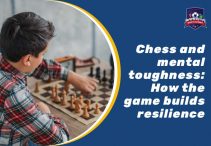
How the game builds resilience
Chess is not just an exercise; it’s also a mental workout that will improve your resiliency and thinking ability. If you’re a novice or an experienced player playing the game of chess can provide benefits that go far beyond the board. Let’s take a look at the ways that learning how the game of chess involves engaging in chess competitions and reaping the rewards of this classic game can improve your mental toughness and endurance.
How to Play Chess?
Learning how to play chess is like embarking on a journey of discovery.
- Chess can be played with a square board that is divided into 64 squares with alternating shades.
- Each player starts with 16 pieces: one king, one queen, two rooks, two knights, two bishops, and eight pawns.
- The aim is straightforward but challenging: Checkmate your opponent’s queen by putting it under attack in an order that it can’t escape being taken.
To begin, each type of chess piece moves differently. The pawn moves forward but captures diagonally. Knights move in an L-shape, bishops diagonally, rooks horizontally or vertically, and the queen combines the movements of both rooks and bishops. The king moves one square in any direction.
The game unfolds through alternating turns where players strategize to control the board, capture enemy pieces, and ultimately, checkmate the opponent’s king.
The benefits of playing Chess
Chess has numerous advantages which improve cognitive ability and boost resilience:

- Improved cognitive abilities: Chess can be an exercise for your brain, which can improve abilities like problem-solving as well as critical thinking and pattern recognition. Every move requires players to look over the board and anticipate their opponent’s moves and devise their strategy in line with.
- Improved Concentration: To be successful at chess, players need to remain focused throughout the game. The ability to focus completely on one task can translate into increased concentration and focus in other aspects of daily life.
- Increased Memory: Practicing openings, tactics, and endgame strategies improves memory retention and recall capabilities. This mental exercise can be advantageous for younger and more experienced players alike.
Chess Competition
Chess competitions let players test their abilities to the challenge in a competition. The participation in tournaments provides numerous advantages.
- Skills Development: Competing against players with varying levels of skill requires players to constantly enhance their skills. The process of preparing for tournaments includes reviewing different strategies, practicing openings, and reworking strategies.
- Resilience: Chess tournaments may be extremely intense, with games that last for hours. The players must remain calm, take decisions under pressure and bounce back from defeats or setbacks. This is a great lesson in resilience.
- Community and Camaraderie: Chess tournaments unite players of all backgrounds, who share an interest in the game. This type of community building creates bonds of friendship, sportsmanship and respect between players.
Building resilience through Chess
Resilience is the capacity to bounce back from setbacks or setbacks and also adversity. Chess can build resilience in a variety of ways:
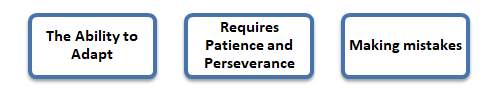
- The Ability to Adapt: Each game of chess poses new problems. Players have to adjust their strategies according to the moves of their opponents, the piece’s position, and the dynamic changes of the game.
- Requires Patience and Perseverance: Games can take a long time which requires patience and determination to endure until the very final. The endurance required to overcome difficult situations or regaining a lost streak can build mental strength and perseverance.
- Making mistakes: Chess is a game in which the chances of making mistakes will be there. Recognizing mistakes, analyzing losses when playing strategy and gaining knowledge from these mistakes are crucial to improve and grow.
Explore the Ramagya Sports Academy’s Chess Community
The academy hosts a range of activities, including tournaments, workshops and interactive sessions that promote a sense that encourages healthy competition and sportsmanship and collaboration between players.
No matter if you’re just starting out or looking to improve your capabilities, our comprehensive program is designed to accommodate everyone of all ages and levels of knowledge.
In Ramagya Sports Academy, you’ll receive exceptional coaching by knowledgeable coaches who are dedicated to fostering the potential of each student. Our mission is to provide an environment in which chess enthusiasts can excel, develop and grow in their strategic thinking as well as mental ability.
- The Global Sports Academy Chess Festival which was held in collaboration with Mindgames Chess Academy at Ramagya School It was an amazing event that demonstrated the strategic skills and skills of the newest chess players.
- In the course of the chess competition, children experienced intense and stimulating games, where every move was a reflection of the players’ strategic thinking and problem-solving abilities. Beyond the competitive aspect, the event emphasized important life lessons such as patience, resilience, and sportsmanship–values that are integral to both chess and personal growth.
Overall, it was a testimony to the long-lasting popularity and value for education of Chess. This event helped bring together a diverse group of players that was devoted to the game, and encouraged friendship and respect between both supporters and players.
When we look back on this uplifting event and look at the future with anticipation of the development and growth of chess players from all over the world.
Conclusion
In the end, chess is an effective method for building mental strength and endurance. In addition to its recreational benefits it also enhances cognitive abilities as well as improves concentration and memory and offers a chance for personal development through competition and participation in the community. It doesn’t matter if you’re a beginner acquiring the basics or an experienced player who is striving to become a master.
The lessons you’ve learned from chess — strategic thinking, resiliency under pressure and learning from mistakes are essential in dealing with the challenges of life. Play the game, improve abilities, and learn the many benefits of chess, both in and out of the board.