Navratri is a time when many people fast to honor the goddess Durga. Fasting can be a spiritual experience, but it can also affect your body if not done properly. It’s important to know how to eat, exercise, and take care of your health during these nine days. By following a proper plan, you can stay healthy, energetic, and enjoy the festival fully.
What to Eat in Navratri Fast
The right food choices are important to having the healthiest fast. During Navratri, people avoid grains, certain vegetables, and non-vegetarian food. Here are some foods you can include in your Navratri fast diet plan:
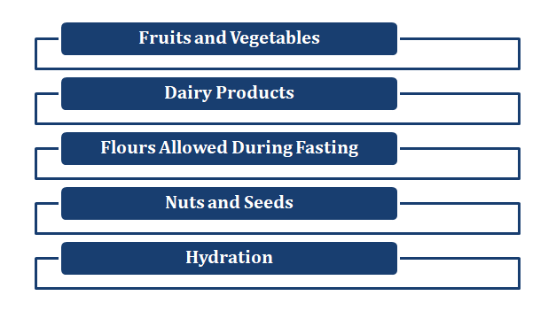
- Fruits and Vegetables: Apples, bananas, papaya, carrots, spinach, and cucumbers provide nutrients and energy.
- Dairy Products: Milk, yogurt and paneer help your body stay nourished and provide protein.
- Flours Allowed During Fasting: The Buckwheat Flour (kuttu ka atta) and water chestnut flour (singhara atta) as well as tapioca flour (sabudana) can be used to make chapatis or snacks.
- Nuts and Seeds: Almonds, walnuts and pumpkin seeds can help preserve energy levels and help prevent fatigue.
- Hydration: Drink plenty of water as well as coconut water, or herbal teas, to stay well-hydrated and avoid dizziness.
A healthy diet that is balanced and light every day ensures your body is healthy and prevents fatigue during the fast.
Exercise While Fasting
Many people wonder whether they can exercise while fasting. The answer is yes, but it should be done carefully:
- Light workouts: Workouts like walking, yoga or stretching are all great for fasting. Avoid intense workouts or heavy cardiovascular exercise, especially in the afternoon.
- Timing: The ideal timing to exercise is early in the morning, or following some small meals at night.
- Pay attention to your body: If you feel faint or weak, take a break! Don’t overdo it.
Regular exercise helps you strengthen your body, helps in digestion and keeps your mind sharp.
Tips for a Healthy Navratri Fast Diet Plan
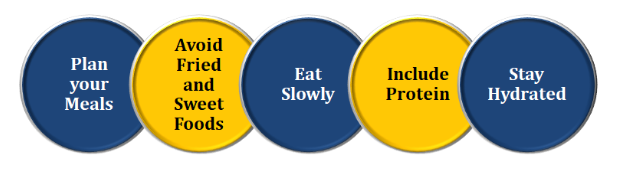
- Plan your Meals: Decide beforehand what you’ll have for each meal. This will prevent you from eating too much in one sitting and also helps to keep your energy levels high.
- Avoid Fried and Sweet Foods: Fried snacks and sweets could make you feel heavy and exhausted. Pick roasted, boiled, or steamed alternatives.
- Eat Slowly: Chew it carefully and eat slowly in order to ease digestion.
- Include Protein: Nuts, yogurt, milk, & paneer are great for maintaining muscles and boost energy.
- Stay Hydrated: Drink water regularly, particularly when you’re doing light exercises.
These tips will ensure that your body is getting sufficient nutrients, while keeping the spirit of fasting in tact.
Ramagya Sports Academy – Best Dietician in Noida
If you’re looking for personal guidance during fasting Ramagya Sports Academy stands out as the best dietician in Noida. They offer customized Navratri fasting plans as well as advice on what to eat when fasting, and suggest exercises that are suitable for fasting days.
The expert dietician will guide you step-by-step and ensure you don’t feel tired or weak while you are on your fast. No matter if you’re doing it to improve your health, for spirituality or for commitment, Ramagya Sports Academy provides useful advice to balance your diet, energy levels, and overall health. Join us and get the best dietician in Noida for yourself today!
Additional Tips for a Healthy Fast
- Break your fast with light meals like fruits or milk instead of heavy foods.
- Avoid staying in direct sun for too long to prevent dehydration.
- Get enough sleep to keep your body and mind active.
- Include a variety of allowed flours, fruits, and vegetables to prevent boredom and nutrient deficiency.
Conclusion
Fasting during Navratri can be healthy and refreshing physically and spiritually if you do it correctly. If you follow a Navratri fasting diet and know what foods to eat during the fast, and engage in low paced exercises you can keep your health in check and get those spiritual advantages of fasting.
With the help of experts such as Ramagya Sports Academy – the best dietician in Noida and the surrounding areas, it is possible to ensure that your fast is more efficient, healthy, balanced, and satisfying. Stay hydrated, eat the recommended food, and pay attention to your body for an enjoyable and healthy Navratri.
FAQs
Q1. Can I exercise during Navratri fasting?
Yes, light exercises like yoga or walking are safe. Avoid heavy workouts to prevent fatigue.
Q2. What are the best foods to eat during a Navratri fast?
Fruits, vegetables, dairy, nuts, seeds, and flours like buckwheat (kuttu ka atta), water chestnut (singhara atta), and tapioca (sabudana) are ideal.
Q3. How can I avoid weakness while fasting?
Eat small, balanced meals, stay hydrated, and include protein-rich foods like milk, paneer, and nuts.
Q4. Can children and elderly follow Navratri fasting?
Yes, but they should follow a light and balanced diet and avoid long fasting hours.
Q5. Who can guide me for a healthy Navratri fast?
Ramagya Sports Academy, as the best dietician in Noida, provides personalized guidance and safe diet plans for fasting.