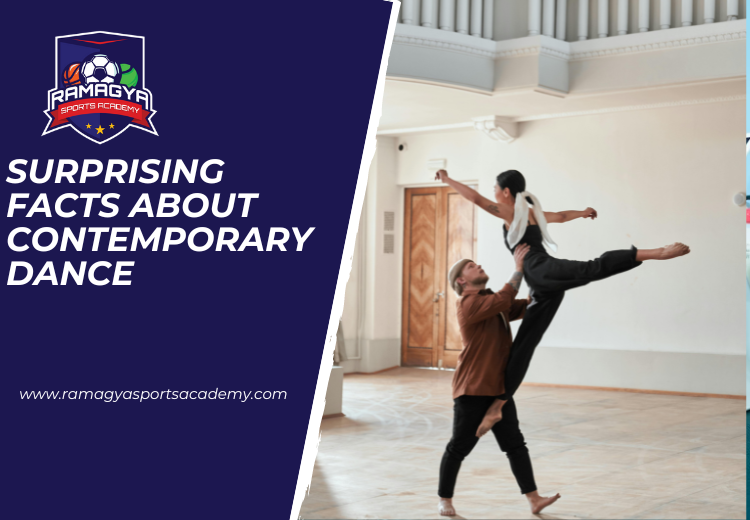
 Contemporary dance has quickly gained the interest of audiences around the world within the performing arts community. It embodies individual expression, originality, and fluidity of movement while drawing from multiple styles and traditional techniques. Contemporary dance differs significantly from more conventional forms by emphasizing individual expression, freedom of movement and experimentation with diverse approaches; its broad scope combines jazz ballet, modern and even street dance techniques.
Contemporary dance is defined by fluidity, creativity and authenticity at its core. Dancers look for their own interpretation and verbal expression with a wide range of movements, from complex motions and delicate jumps to large leaps and floor work. Modern choreography can be abstract, narrative-driven, or philosophical to represent the diverse viewpoints of both dancers and choreographers.
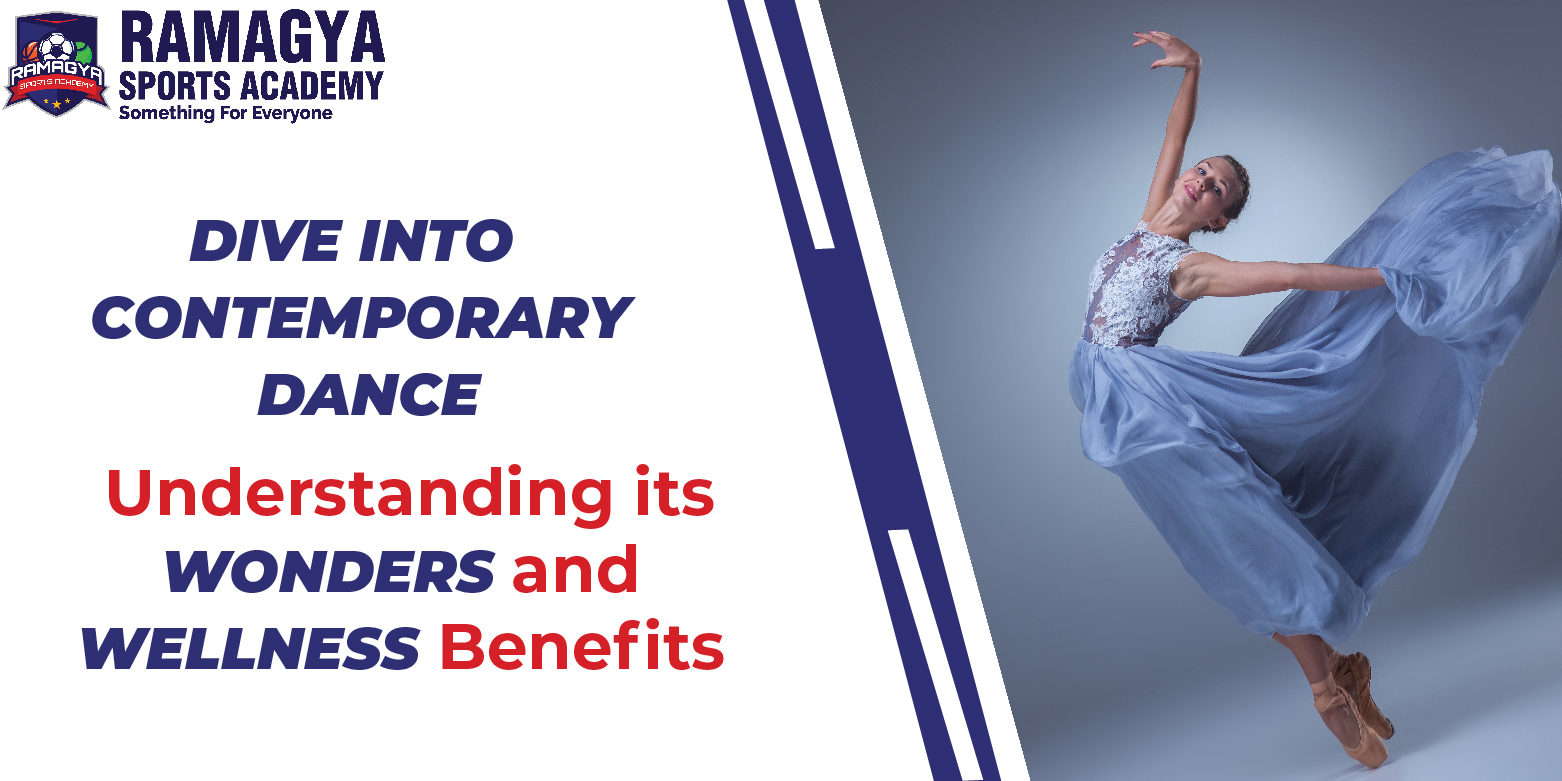
Contemporary dance has quickly gained the interest of audiences around the world within the performing arts community. It embodies individual expression, originality, and fluidity of movement while drawing from multiple styles and traditional techniques. Contemporary dance differs significantly from more conventional forms by emphasizing individual expression, freedom of movement and experimentation with diverse approaches; its broad scope combines jazz ballet, modern and even street dance techniques.
Contemporary dance is defined by fluidity, creativity and authenticity at its core. Dancers look for their own interpretation and verbal expression with a wide range of movements, from complex motions and delicate jumps to large leaps and floor work. Modern choreography can be abstract, narrative-driven, or philosophical to represent the diverse viewpoints of both dancers and choreographers.
Types of contemporary dance:
- Release Technique: The contemporary dance style known as Release Technique places a strong emphasis on movement’s flexibility, fluidity, and relaxation. Dancers experiment with releasing tension from their bodies to produce natural, free movements. They frequently switch between movements easily to give the idea that the movements are connected and continuous.
- Improvisation: Contemporary dance relies heavily on improvisation, which gives dancers the flexibility and unpredictability needed to experiment with movement in an intuitive and free-form manner. Dancers respond in real-time to both outside events and their inner impulses by drawing inspiration from music, imagery, or specific prompts. This allows for freedom of expression, creativity, and risk-taking while also encouraging spontaneous and creative responses.
- Fusion Styles: In fusion type of contemporary dance, fusion styles incorporate aspects from several genres, including hip-hop, jazz, ballet, and ethnic dance styles[1]. To create a dynamic style, dancers blend various techniques, vocabulary, and cultural influences. This method promotes diversity in movement expression as well as exploration and invention. Dancers use a variety of movement elements and cultural allusions in their choreography by drawing inspiration from a variety of sources.
- Gaga: Gaga is a contemporary dance style that uses movement to explore feelings, ideas, and sensations. Dancers use their bodies’ feelings and natural reactions as a starting point for a guided improvised approach. In order to create new movement options and broaden their expressive range, Gaga pushes dancers to establish a strong connection with their bodies.
Benefits of Contemporary Dance:
It offers the given physical, Psychological and emotional:Physical Benefits:
- Strength and Flexibility: Contemporary dance offers many physical benefits for its practitioners, including developing muscular strength. Dancers engage in exercises designed to strengthen various muscle groups, including core, legs, arms and back; these techniques not only increase muscular strength but also help them maintain physically demanding choreography for longer periods. Contemporary dance promotes flexibility by including movements with full ranges of motion. Dancers engage in stretching exercises and dynamic movements that increase flexibility in muscles and joints, increasing mobility while decreasing risk. Greater flexibility also enables dancers to transition smoothly between movements for a greater expressive range in performances.
- Cardiovascular Health: This dance routine mirrors the intensity of cardiovascular exercises such as running or cycling in their continuous and rhythmic nature. It similarly promotes heart and lung function over time. When dancers move through choreographed sequences, their cardiovascular system is challenged, leading to improved heart and lung function over time. Regular participation in contemporary dance classes or rehearsals helps strengthen heart muscles, increase blood flow, and boost oxygen uptake efficiency. Dancers efficiently engage different energy systems within their bodies by switching between periods of lower-intensity activity and bursts of high-intensity activity. People can get the physical benefits of better heart health, including enhanced endurance, stamina and a lower risk of diseases. Thus, by including cardiovascular exercise in their dance practice, they can improve the health level of their overall body.
- Posture and Alignment: Dancers aim to achieve the correct posture on and off the dance floor through proper alignment of their spine, shoulders, hips, limbs, and other body parts – an effort designed to relieve muscle imbalances while preventing postural disturbances that may cause discomfort or injury. This focus on alignment helps dancers reduce muscular imbalances as well as avoid postural deviations that could cause discomfort or harm to themselves or others. Modern dance emphasizes core strength as an important element in maintaining stability and alignment, engaging core muscles to support spine and pelvis alignment, creating a solid center of gravity, and developing a more upright and balanced posture on stage while at the same time strengthening performance quality through efficient movements that promote increased confidence offstage.
- Coordination and Motor Skills: Dancers perform Complex and detailed movements that require precise timing and coordination among various body parts. From footwork to arm gestures or transitioning smoothly between movements, dancers develop an unparalleled level of coordination that leads to expressive performances that flow with ease and grace. Contemporary dance helps dancers develop fine motor skills such as dexterity and agility, honing their ability to move in space with precision and grace while mastering intricate sequences of movements with skill. Dancers gain an increased body awareness that benefits various aspects of life for overall physical and mental wellness.
Psychological and Emotional Benefits:
- Stress Relief and Emotional Release: Contemporary dancers can relieve physical and mental strain held in their bodies by releasing it via their rhythmic and fluid movements, which encourages relaxation and a sense of well-being. Dancers feel a deep sense of release and escape from the stresses of everyday life as they lose themselves in the moment. Furthermore, contemporary dance offers a secure environment for expressing and exploring emotions. In order to process and let go of negative emotions like grief, rage, or worry, dancers are urged to go deeply into their feelings and express them using movement. Contemporary dance fosters a sense of connection and community, providing dancers with a supportive environment to express themselves authentically and connect with others on an emotional level. Whether performing solo or in a group, dancers share their stories and experiences through movement, fostering empathy, understanding, and emotional resilience.
- Mindful presence development: Through deep attention to the sensations of movement, breath, and rhythm, dancers become fully engrossed in the present moment. They let go of distractions and worries while dancing their heart out. Additionally, contemporary dance cultivates a sense of presence, encouraging dancers to inhabit their bodies fully and express themselves authentically. As dancers connect with the music and their surroundings, they tap into a deeper sense of embodiment and self-awareness, allowing them to express their emotions and experiences with greater depth and authenticity. Furthermore, contemporary dance provides a platform for self-expression and exploration, allowing dancers to delve into their inner worlds and connect with their emotions on a visceral level. Through movement and expression, dancers cultivate a greater sense of emotional intelligence and resilience, empowering them to navigate life’s challenges with grace and authenticity.
- Creative Expression and Self-Discovery: Contemporary dance serves as a powerful medium for creative expression and self-discovery, offering individuals a place to explore what they feel inside, including all the emotions and experiences through dance. As dancers immerse themselves in the creative process, they embark on a journey of self-discovery, uncovering new layers of their identity and expressing themselves authentically. By improving themselves and their choreography, dancers have the freedom to experiment with movement and explore their unique artistic voice. This process allows them to communicate their emotions, stories, and perspectives in a deeply personal and meaningful way, fostering a sense of liberation and empowerment. As dancers engage in movement exploration and self-reflection, they gain insight into their bodies, minds, and emotions, uncovering hidden strengths, vulnerabilities, and truths. Dancers can develop a deeper awareness of who they are and where they fit in the world through this process of self-discovery, which promotes personal growth and transformation.
- Community and Connection: Dancers come together to create and perform, supporting one another through challenges and celebrating each other’s successes. This sense of community creates a supportive network where individuals feel valued, accepted, and understood, fostering a deep sense of belonging and connection. Additionally, contemporary dance promotes interpersonal connections and social interaction. Dancers collaborate with others to create choreography, share ideas, and express themselves through movement. This collaborative process fosters communication, empathy, and teamwork, strengthening relationships and building trust within the dance community. The dance gives people the chance to interact with a larger community of audiences, choreographers, and dancers. The people who dance come in contact with all of those who share the same love for dance and creativity by taking part in classes, festivals, or performances. Within the dance community, this sense of connection breaks down the barriers and, in conclusion, promotes a sense of unity and togetherness.
Conclusion:
It overcomes physical constraints to give people a fully realistic, comprehensive experience that promotes mental health and personal growth. Contemporary dance offers a platform to explore, express, and connect profoundly and meaningfully—whether it is for stress release, artistic expression, or community connection. Dancers who participate in the style experience comfort, empowerment, and a stronger sense of self and the wider world. The emphasis on creativity and individual expression in contemporary dance has led to its rapid rise to prominence as a major global art form. This art form continues to explore cultural standards and push the limits of mobility as it changes and evolves with contemporary culture. Contemporary dance captivates spectators and inspires dancers to explore new possibilities in themselves and society at large. It is a performance art as well as a way of self-expression.Read our Article: Surprising Facts About Contemporary Dance