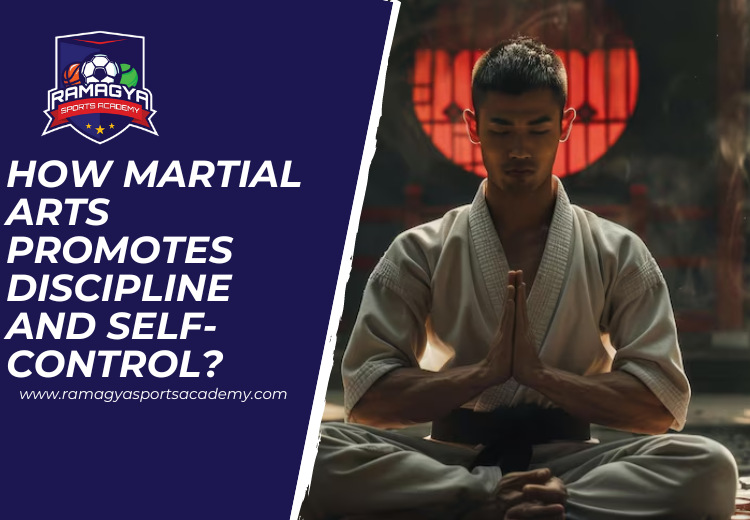
Martial arts is more than simply learning how to defend yourself or fight a fright, it’s an exercise that helps develop important life skills like the discipline of self control. It doesn’t matter if you’re pursuing karate, the taekwondo or judo forms, or any other type of discipline of Martial arts , the concepts and techniques taught in Martial arts go beyond the physical aspect.
In this article we’ll look at how Martial arts training helps develop discipline and self-control for people of all age groups.
Understanding Martial Arts Training
Martial arts training covers various disciplines that were developed from the ancient practices of combat. Nowadays, Martial arts classes are designed to teach methods but also fundamental principles like respect, perseverance and humility. Students move through levels and earn belts to show their progress and mastery as a practitioner.
The Role of Discipline in Martial Arts
- Regular Practice: Martial art requires consistent attendance and regular practice. Students are urged to attend classes regularly, which helps instill an attitude of discipline at an early stage. Regular practice is crucial to improving techniques and moving up the levels.
- Respect for the Rules and Authority: The classes in martial arts are guided by rules and protocol that students are required to follow. This includes bowing before instructors, adhering to the etiquette of the dojo and a respect for the other students. These rules help students understand how important it is to respect the authority of their instructors and follow them with strictness.
- Setting Goals and Achieving Them: The progress in martial arts is measured through the attainment of various rank levels, or belts. Students establish goals specific to themselves and then work hard to meet them. The process of setting goals teaches students the importance of persistence, hard work and keeping their eyes on the longer-term goals.
Learning self-control through Martial Arts
- Resilience to Emotions: Martial arts training is focused on the management of emotions, particularly in competitions or sparring. Students are taught to stay cool and calm, even when under extreme pressure. The ability to manage feelings extends well beyond dojo into everyday life, helping individuals deal with stress and conflicts effectively.
- Physical Control: The Martial arts practices demand precise coordination and movements. Through repetition students learn to develop the ability to control their bodies, enhancing their flexibility, balance and agility. This physical discipline results in greater control of the movements and actions of one’s body in various settings.
- Conflict Resolution: Martial arts emphasizes peaceful conflict resolution strategies. The students are instructed to employ their abilities only for self-defense and avoid confrontation when it is possible. This strategy encourages peaceful conflict resolution, and also helps students to think before they react in a hurry.
Benefits of Martial Arts Beyond Discipline and Self-Control
- Physical Fitness: Training regularly in Martial arts classes increases cardiovascular health, strength and endurance. Techniques such as punching, kicking and grappling give you the entire body with a workout that increases the overall fitness level. It is one of the best ways to boost physical fitness.
- Mental Acuity: Training in martial arts enhances cognitive capabilities such as concentration, focus and problem-solving. Learning new techniques and strategies stimulates the mind and enhances the mental acuity of a person.
- Self-confidence: When students advance in their martial art, they develop confidence in their skills and establish a positive image of themselves. The ability to overcome challenges and achieve goals improves self-esteem as well as empowers individuals in and out of the dojo.
Practical Tips for Parents and Students
- Inspire Consistency: Consistent attendance is vital in gaining the advantages of training in martial arts. Your child should be encouraged to be consistent in attending classes to develop discipline and observe the progress.
- Reinforce respect and etiquette: Make it a priority to emphasize that it is important to respect your instructors as well as fellow students and the martial arts community. Respect and etiquette in the dojo helps to develop discipline and promotes positive conduct.
- Discuss the values learned: Discuss regularly with your child the lessons they’re learning through martial arts like discipline as well as self-control and perseverance. Apply these principles to daily situations in order to reinforce their use in everyday life.
Conclusion
In the end, Martial arts classes are an effective tool to promote self-control and discipline across all ages. Through regular training and a respect for rules as well as authority, and the development of physical and emotional control students acquire life-changing abilities that go beyond the confines of the dojo.
If you’re a kid or an older adult, lessons you learn in martial arts classes will positively impact all aspects in your daily life transforming you into more disciplined, focused and self-aware.
Take on the challenge of training in martial arts classes and discover the transformative impact it can bring to your life!