

If you’re looking to lose weight, you might have come across the term “calorie deficit.” But what does it really mean, and how does it work for weight loss?
In this blog, we will break down the concept of calorie deficit, explain how it works, and offer tips on creating a calorie deficit diet plan that is effective and sustainable.
Understanding Calorie Deficit
A calorie deficit is when you consume less calories than what your body needs. In simple terms, if you need 2,000 calories per day to maintain your current weight, but you consume only 1,500 calories, then you are in a shortfall of about 500 calories. This deficit is vital to losing weight because it makes your body make use of stored fats for energy, which leads to decrease in weight in the course of time.
How Calorie Deficit Works?
Today, we will answer the first question that comes to your mind i.e. how calorie deficit works? When you consistently consume less calories than you need and it starts looking for alternatives to energy sources. The body stores energy through fat and will begin breaking down these fat stores in order to fulfill its energy needs. This leads to weight loss.
It’s crucial to recognize that achieving a deficit in calories does not mean you need to be starving yourself. Instead, it’s about making better choices with your food and being aware of the size of your portions. The aim is to create an appropriate balance, which allows you to have fun with your meals and still lose weight.
Creating a Calorie Deficit Diet Plan
To design a low-calorie diet take these steps:
- Calculate Your Caloric Needs: First, determine the amount of calories you require to keep its current weight. It is possible to use an online calculator that takes into account your gender, age, your weight, height and level of activity. This will give you a base number.
- Set a Realistic Goal for Calories: When you have a clear idea of your caloric requirements set a goal for a daily consumption of calories that results in a deficit. The most common advice is to target the deficit to be between 500 and 1,000 calories per day that can result in the safe loss of 1 to 2 pounds each week.
- Plan Balanced Meals: Focus on whole, nutrient-rich food items like fruits vegetables, lean proteins, lean vegetables Whole grains, as well as healthy fats. These foods are less calories, but are rich in nutrients, making you feel fuller and content. A balanced diet is crucial in a calorie deficit diet plan.
- Monitor Portion Sizes: Even nutritious foods can cause weight gain when you consume excessively. Utilize measuring cups, or a food scale to manage your portions. This will help you stay within your calories-per-day limit.
- Stay Hydrated: Sometimes, our bodies confuse thirst with hunger. Make sure you drink enough water throughout the day. Staying hydrated can also help you feel fuller, which may prevent overeating.
- Include Physical Activity: Exercise helps create a calories deficit by burning more calories. Integrate both strength and cardio training into your workout routine. Training in cardio such as running, walking, or cycling can help lose weight, and strength training helps in building muscles, which can increase your resting metabolic rate.
- Track Your Progress: Maintaining an account of your food intake or using apps will help you keep track of your calories and make sure you’re maintaining your deficit in calories. This can help you stay accountable and adapt your diet plan if needed.
- Be Patient and Persistent: Weight loss is a process that takes time. It’s essential to be mindful of yourself. Consistency is the key. Concentrate on making changes that last rather than focusing on quick solutions.
Tips for Success
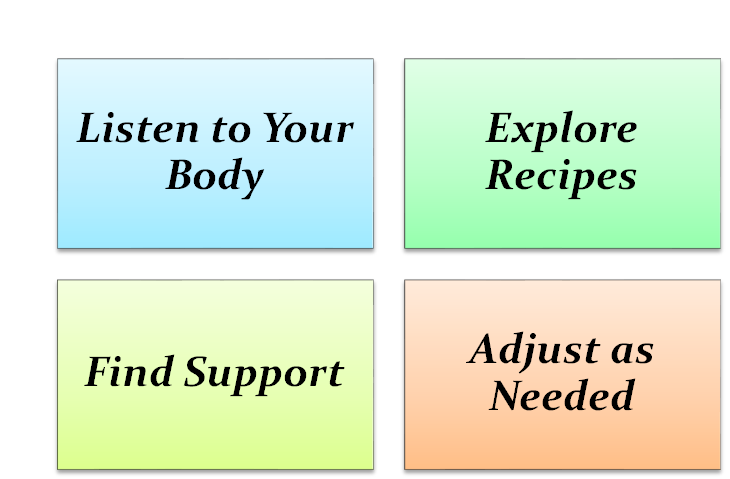
- Listen to Your Body: Be aware of your body’s signals. Pay attention to your body’s signals of fullness and hunger. Take a bite when you’re hungry, and stop eating when you’re satisfied. This approach to eating will help you keep your calories in check without feeling depleted.
- Explore Recipes: Discovering new and healthy recipes can help you stick to your calorie deficit more enjoyable. Try to find strategies to help make your favorite meals healthier, for example making use of less oil or using substitute ingredients.
- Find Support: Whether that’s someone you know, a family member or an online community the presence of support can make the difference in the weight loss journey. Be sure to share your goals and achievements with other people in order to stay inspired.
- Adjust as Needed: If you are losing some weight, your caloric requirements might alter. Re-evaluate your daily calorie needs periodically and alter your calorie deficit diet accordingly.
Conclusion
Understanding the concept of calorie deficit and how it functions is vital to effective weight loss. When you create a calorie deficit diet plan that emphasizes healthy meals, portion control and regular physical exercise to achieve your weight loss goals in a sustainable and sustainable manner.
Be mindful of yourself and be happy with your accomplishments throughout the process. If you are committed and consistent you will be able to achieve your weight goals and still enjoy the journey!