
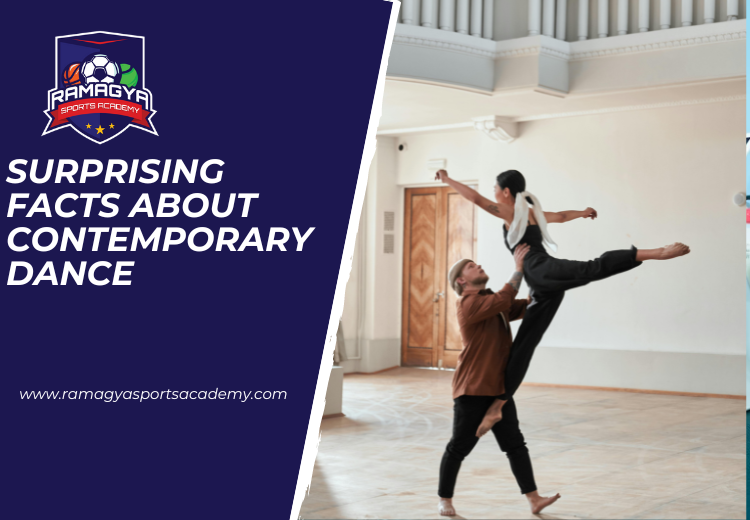
Contemporary dance is a captivating art form that mixes elements from various styles of dance to create a distinctive movement vocabulary. The name ‘Contemporary’ creates an image of fluid grace, emotional depths, and gravity-defying leaps that seem to rewrite the laws of physics. But beneath the mesmerizing performances lies a world more surprising and diverse than you might imagine. So, cast aside your preconceived notions, aspiring dancers, and prepare to be pirouetted into a universe of unexpected delights.
No matter whether you’re a professional or a skeptical observer, prepare to be awed as we discover fascinating details regarding the artistic form of this dance.
- A Fusion of Styles: The Eclectic Tapestry of Contemporary Dance
The contemporary dance genre is a captivating mix of various styles of movement that include ballet, jazz along with contemporary and modern dance components. This exciting mix creates an artistic, fluid and dynamic art that demonstrates artistically and allows dancers to transcend traditional boundaries and to explore new possibilities that are a part of their movements. In contrast to the rigorousness of classical ballet, contemporary dance is a celebration of versatility and creativity that allows dancers to show their imagination and interpretive abilities through diverse moves as well as gestures. - The Power of Improvisation: Embracing Spontaneity in Contemporary Dance
The most distinctive characteristic of contemporary dance is the significance of improvisation. It offers every performance with the feeling of spontaneity, and unadulterated emotions. In contrast to the carefully choreographed routines which are prevalent in other dance styles[1]. Contemporary dancers often participate in improvised patterns, which allows the dancers to respond spontaneously to music and explore the depth of their artistic inclinations. The improvisational style creates a sense of uncertainty to contemporary performances, captivating audiences with the spontaneity of dancers and freedom of expression. - Embodying Narrative Through Movement: The Expressive Potential of Contemporary Dance
Dance is an effective medium for telling stories which allows dancers to share intricate stories and trigger powerful emotions with how they move. Through the combination of movements, spatial dynamics, the elements of theater, contemporary dancers bring to life abstract concepts and emotional issues, inviting viewers to go on an experience. It doesn’t matter what the subject is, whether it’s the loss of love, or a reflection on social issues, dancing in the present can be inspiring in conveying human emotion in a way that is elegant and clear through transcending the boundaries of language and engaging viewers in a way that is emotional. - The Evolution of Contemporary Dance Steps: Innovations and Boundless Creativity
The step dance repertoire of the contemporary can be distinguished from its continual development as choreographers and dancers constantly expand the dance vocabulary and look for new ways to communicate their ideas. From the delicate movements of the floor, to the raging rapidity of turns and leaps Contemporary dance steps include an array of dance steps that display the infinite imagination and creativity inherent in this kind of art. When dancers perform intricate sequences and unconventional moves, they blend each step with their own personal interpretation, and fill their performance with a personal and emotion. - The Intersection of Tradition and Innovation: Contemporary Dance in the Modern Era
The current dance landscape, the mixture of modernity and tradition defines the aesthetic preferences of choreographers and dancers which has led to a variety of aesthetics for dance and philosophical base. The contemporary dance scene is inspiring and brimming with the notion of experimentation as well as the avant-garde, but it draws its inspiration from the tradition of dance’s past and the culture. The harmonious interplay between traditional and contemporary culture allows dancers to live in a lively environment in which they are encouraged to challenge the limits of the norm and explore new ways to express themselves and pay homage to the past of dance. It is an evolving art form that is a reflection of the contemporary age.
The genre of contemporary dance has seen a significant increase in popularity, and its origins date to the beginning of the 20th century. At first contemporary dance was conceived as a opposition to the restrictions and aristocratic nature of the classical ballet of the 19th century.
- It was initially designed to be a more powerful expressive, kinetic method of expression in which performers could discover new possibilities for movement and gesture.
- Dance in the modern times is a way of storytelling, allowing dancers to create complex stories and trigger powerful emotions through their actions.
- The choice of contemporary moves is defined by its constantly changing nature, as choreographers and dancers continually test the limits of their dance vocabulary and are constantly seeking new ways for expression.
- Contemporary dance is still developing and gaining popularity due to its ease of access for dancers, as well as the freedom of movement it offers, which are among the reasons behind its continuing popularity.
Conclusion
After we’re done studying contemporary dance, we hope that these lessons have increased your awareness of the many artistic beauty of this amazing artistic art. You may be inspired to begin the dance path or simply be awed by the beauty of dancing, it allows us to explore the endless opportunities for expression in art, and to honor the body’s unspoken communication.
Let the stunning hypnotic beauty of this dance ignite your imagination and excite your senses while you are immersed in the exciting world of expression and enthusiasm.
Read our Article: Top 5 Workout Tips for Beginners
Comments
One response to “Surprising Facts About Contemporary Dance”