Chess has often been seen as a game that requires intelligence, strategy and skill. Did you know playing chess has many benefits for the brain? This game can help you improve your cognitive function, sharpen your brain, and boost problem-solving skills.
Let’s explore the various benefits of playing chess, learn how to play chess if you’re a beginner, and understand how chess competitions work.
Benefits of Playing Chess for Brain Development
It’s not just a fun game, but a way to improve your mental health. Here are the most important benefits of playing chess:
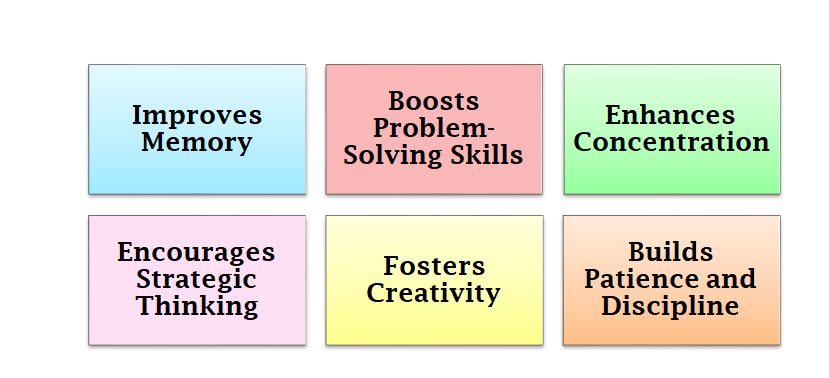
- Improves Memory: While playing chess you have to remember past moves, strategies and positions. This helps your brain retain information and recall it at the right time. This helps to improve your short-term as well as long-term memory.
- Boosts Problem-Solving Skills: One of the most valuable benefits of playing chess is that it teaches you how to think critically and solve problems. You are always faced with decisions in chess that require you think ahead, predict your opponent’s move, and find solutions.
- Enhances Concentration: Chess requires a high level of concentration. You will become better at concentrating over long periods of time the more you play. This can help you focus better on your daily tasks, studies, and work.
- Encourages Strategic Thinking: Chess encourages strategic thinking because every move is important. You will learn to think strategically and plan your moves several moves in advance.
- Fosters Creativity: While chess may seem like a rigid game, it actually requires a lot of creativity. The creative side of your brain is stimulated when players are forced to think up new moves to get out of tricky situations or to surprise their opponent.
- Builds Patience and Discipline: Chess teaches patience. It’s important to be patient and have discipline. These are traits that can be used in both chess and everyday life.
How to Play Chess for Beginners
If you’re new to the game, don’t worry! Learning how to play chess for beginners is easy, and with practice, you’ll improve quickly. Here’s a basic guide to help you get started:
- Chess Board and Pieces: Chess is played on a board that is divided into 64 squares of alternating color (black and White). Each player has 16 pieces, including a king, a queen, two rooks and two knights. There are also two bishops. Checkmate is the goal, where you try to capture your opponent’s King.
- Basic Moves:
– Pawns: Move forward one square but capture diagonally.
– Rooks: Move any number of squares horizontally or vertically.
– Knights: Move in an “L” shape, two squares in one direction and then one square at a right angle.
– Bishops: Move diagonally any number of squares.
– Queen: Can move in any direction, both horizontally and diagonally, for as many squares as available.
– King: Moves one square in any direction.
- Special Moves:
– Castling: A move where the king and rook move simultaneously to protect the king.
– En Passant: A unique pawn capture that can happen only under certain conditions.
– Promotion: When a pawn reaches the other side of the board, it can be promoted to any piece (except a king).
- Check and Checkmate: If your opponent’s king is under attack, they are in “check” and must make a move to protect it. If the king cannot escape, it is “checkmate,” and the game ends.
Entering Chess Competitions
Once you’ve learned the basics of chess and practiced enough, you might want to enter a chess competition. Competing against other players can help you improve your skills and push your mental limits.
Here are a few tips for participating in a chess competition:
After you have mastered the basic rules of chess, and you have practiced enough to master them, you may want to participate in a chess tournament. You can improve your skills by competing against other players.
Here are some tips on how to participate in a chess tournament:
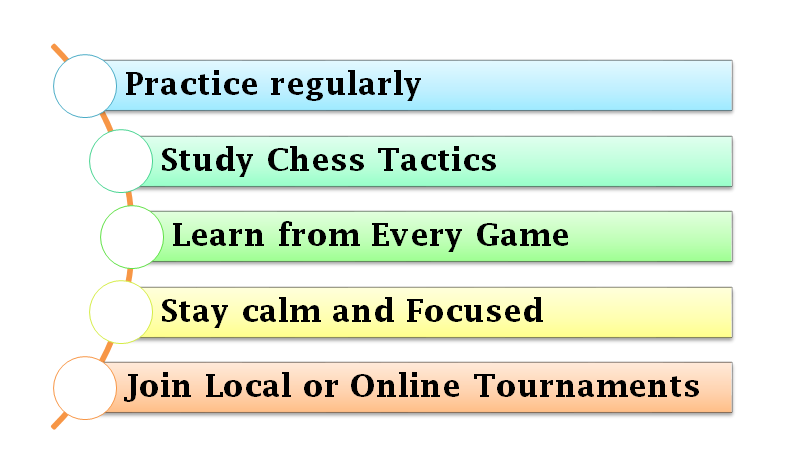
1. Practice regularly: Practice as much as possible before entering a chess competition. You can develop your strategies by playing with family members, friends or online opponents.
2. Study Chess Tactics: The top players in chess tournaments are familiar with common tactics, such as pins, forks and sacrifices. These can give you a competitive edge.
3. Learn from Every Game: Each match, no matter if you win or not, will teach you something. Analyze the games you played to see what went well and where you can improve.
4. Stay calm and Focused: Chess tournaments are intense. But staying calm and thinking clearly is crucial. Focus on every move. A single mistake could cost you the match.
5. Join Local or Online Tournaments: You do not have to be a Grandmaster to participate in a chess Competition. Competitions are available for all levels of players, from beginners to experts. Start with smaller events and work your way to the more competitive ones.
Master the Game of Kings Chess at Ramagya Sports Academy
Ramagya Sports Academy is the top destination for aspiring players of chess in Noida. The academy is committed to nurturing young talents and cultivating a love of the game. It emphasizes chess as a powerful and effective tool for intellectual development.
We offer modern facilities and coaches with great experience to help players of any age and ability. Expert instructors will guide you on your chess journey, whether you are a beginner or advanced player.
The curriculum is comprehensive and covers every aspect of the game including tactics, strategies, openings, middlegames, endgames as well as psychological preparation. Ramagya Sports Academy aims to help students improve their chess abilities.
Conclusion
It’s clear that benefits from playing chess go beyond having fun. Chess helps develop the brain in many ways. It can improve memory, concentration and patience.
So, why not give it a try today? You’ll not only improve your brainpower but also discover a new passion!
Frequently Asked Questions (FAQs)
Kids can usually start learning chess around age 5 or 6, but it really depends on the child.
Yes, some studies show that playing chess can help improve math and reading skills because it encourages logical thinking.
Start by explaining the rules and how each piece moves. You can use fun online resources, apps, or kid-friendly books.
Many academies welcome beginners, but it’s good to find one like Ramagya Sports Academy that focuses on teaching the basics in a supportive way.