Why is Walking Essential for Your Health? Exploring Key Benefits

Walking is a basic but effective way to boost your overall health. It does not require any equipment, and it can be done by anyone of any age. The benefits of walking range from improving physical fitness as well as improving mental wellbeing.
In this blog, we’ll look at the most important health benefits of walking, the benefits of morning walk and address the common question of how many steps should you walk in order to lose weight?
The Health Benefits of Walking
Walking can provide a many health benefits that can help improve overall health:
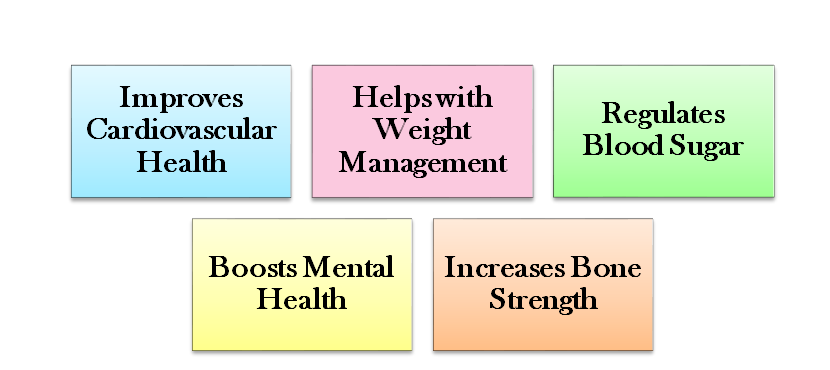
- Improves Cardiovascular Health
Walking can strengthen your heart health, increase circulation, and decrease blood pressure. This lowers the chance of developing heart attack, various diseases and makes it among the most effective low-impact exercises to improve heart health.
- Helps with Weight Management
Regularly walking helps to burn calories and help keep an appropriate weight. If you take a strenuous stroll or a slower one, you’ll boost the metabolism of your body, and this assists in losing fat.
- Regulates Blood Sugar
For those at risk of developing the disease, walking, especially after meals, can regulate blood sugar levels and increase insulin sensitivity, decreasing the risk of developing type 2 diabetes.
- Boosts Mental Health
One of the most important health advantages of walking is the ability to ease anxiety, stress, and depression. Walking releases endorphins which are “feel-good” hormones that boost your mood and help you feel better.
- Increases Bone Strength
Walking is a weight-bearing activity which means it builds your muscles and bones. Regular exercise can prevent osteoporosis as well as increase the overall density of your bones, especially when you get older.
Benefits of Morning Walks
While walking can be beneficial anytime but the benefits that morning walkers reap could provide you with a better start to the day:

- Kick Starts Your Metabolism
A walk before work can kickstart your metabolism, which will help you to burn off more energy throughout your day. It’s a fantastic way to get your body moving without consuming caffeine.
- Improves Mental Clarity and Focus
Walking in the morning boosts the flow of blood to the brain, which improves mental focus and clarity. This can lead to increased productivity as well as better decision-making throughout the day.
- Enhances Sleep Quality
The natural light that you get from the morning walks can help control your circadian rhythm, enhancing the quality of your sleep. Morning walks can help to fall asleep quicker and sleep better at night.
- Fresh Air and Less Pollution
One of the most often ignored benefits of morning walks is the fact that morning walks generally have cleaner air with less pollutants. This makes walking pleasant and more beneficial to your respiratory system.
- Promotes Positive Habits
A morning stroll can encourage healthy decisions throughout your day. It’s more likely that you’ll be mindful about the food you consume and what you do with your time following having a relaxing walk in the morning.
How Many Steps to Walk to Lose Weight?
One of the most frequent questions people ask is how many steps to walk to lose weight? While the answer will vary dependent on the individual circumstances the general rule is:
- Aim for 10,000 Steps a Day
A daily walk of 10,000 steps is usually recommended to lose weight. On an average, this number will burn between 300 and 500 calories, based on your fitness level and weight. Regularly walking at this speed will help you shed those extra weight.
- Calorie Burn
The number of steps required to lose weight varies based on factors like eating habits, the intensity of your walks and weight. For the majority of people, 10,000 steps will burn enough calories to lose weight slowly.
- Gradual Progress
If you’re just beginning, begin with a goal of 5,000 to 7,000 steps. Gradually increase the number of steps as time. This allows your body to adjust and avoid injuries.
- Add Intensity
To shed weight more quickly increase how hard you walk. This may mean going uphill, including small bursts of speed or even incorporating strength-training exercises like lunges and squats on your walking.
- Track Your Steps
Utilizing a fitness tracker or pedometer can assist you in tracking how many steps you walk every day. It keeps you motivated and helps you meet your daily goal of walking for weight loss.
Conclusion
Walking is a highly efficient way to improve your mental and physical health. The health benefits of walking is an improved heart health, greater wellbeing in the mind, weight management and healthier bones. The benefits of walking in the morning take it a step further by boosting your metabolism, increasing your mental acuity, and aiding you in sleeping better.
No matter if you’re walking in the morning or any other time during the day the main question is: how many steps to walk to lose weight? The goal of 10,000 steps per day is an ideal goal and increasing the intensity of your walking can also help your efforts to lose weight.
So, put on those walking boots and begin enjoying the numerous benefits walking offers!
Read More: 10 Tips for Stay Fit and Healthy
Frequently Asked Questions
- Can we control diabetes by walking?
Walking improves the sensitivity to insulin and decreases the levels of blood sugar, which makes it beneficial in managing diabetes.
- Does walking reduce blood pressure?
Walking regularly can reduce blood pressure, and also improve the overall health of your heart.
- Can walking help in losing weight?
Walking regularly can help to burn calories and help with weight loss when it is combined with a balanced diet.
- Can walking improve digestion?
Yes, walking is a great way to improve digestion and ease issues such as constipation and bloating.
- How can walking improve joint health?
Regular exercise helps keep joint health in check and lower the risk of developing joint pain and arthritis.