Category: Blogs

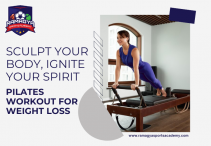
  • Sculpt your body, ignite your spirit: Pilates workout for weight loss

    Sculpt your body, ignite your spirit: Pilates workout for weight loss

    Sculpt your body, ignite your spirit: Pilates workout for weight loss

    1. pilates workout for weight lossHundred: The most well-known Pilates workout, The Hundred, is popular for its weight loss advantages. The aim of The Hundred is to lay the foundation to lose weight and improve overall health, not just burn calories. This Pilates exercise strengthens the core muscles in the deep, which offers stability and strength to the muscles that are outside. The precise movements of the Hundred strengthen your lower back muscles, the obliques, and abdominal muscles, forming an oblique and toned midsection that can support your body in different exercises.
      In order to perform the Hundred exercise, you must lay on your back, with your arms at your side and your legs lowered to a tabletop posture. Your abs will be strengthened, and calories will be burnt by lifting your head, neck as well as shoulders from the mat. It would help if you remained in that posture while you worked your arms vigorously. The synchronized breathing technique that involves breathing deeply for five breaths with the nose and five deep breaths with the mouth, increases the flow of oxygen across the entire body. It encourages weight loss and aids in helping the body to burn off fat.
      Regular practice of the Hundred improves cardiovascular health[1], endurance, as well as awareness of the body and strengthens the muscles of the core. By making the Hundred a regular exercise in your workout routine, you’ll not only enhance your physique but also cultivate a healthier relationship with exercise and your body.
    1. Roll-Up:
      The Roll-Up works the entire body, working the muscles in the back, hips, and legs in addition to the core. You are actively trying to regulate how your spine articulates while you execute the movement, which calls for a strong activation of all the muscles in your body. Starting on your back, extend your legs and reach your arms overhead to begin the Roll-Up. Upon exhaling, pull your back off the mat by articulating your spine and activating your core. This will help you sit up straight. Breathe in as you extend your rounded spine forward toward your toes. Then, exhale as you controllably and slowly roll back down to your starting position.
      In conclusion, it is clear that the Roll-Up is a multidimensional activity that engages the whole body, improves mindfulness, and reduces stress. Furthermore, the controlled breathing technique used during the roll-up can promote relaxation and reduce stress. This can be helpful for those struggling with stress-related eating or emotional weight gain. It’s more than an exercise to tone your abs.It provides the advantages of increased calorie burning as well as improved muscle tone, enhanced stability and balance, and overall feeling of wellbeing by incorporating this exercise regularly into your Pilates routine. These benefits are all linked to long-term health and effective weight loss.
    1. Pilates Push-Up: In the Pilates exercises Push-Up is one of the most active exercises with a variety of advantages for weight loss. It is a method to burn calories and tone muscles by focusing on the muscles of the upper as well as the core and lower body. The majority of people work their primary muscles during every Push-Up exercise, which boosts metabolism and boosts the amount of energy burned. This boosts the metabolic rate at rest and assists in burning off calories while exercising, which, in turn, aids in weight loss. Additionally, this exercise demands the highest level of control and stability, which requires coordination of various muscle groups. Improved neuromuscular communication and greater muscular strength are the outcomes of this coordination. This pilates workout for weight loss can also result in more efficient motion patterns.
      Furthermore, Push-Up promotes alignment and posture. This enhances the physical appearance and reduces the chance of injury by doing other exercises. This means that individuals can take part in a wider variety of exercises and daily activities that will eventually lead to a healthier lifestyle, which can be beneficial to weight loss.
      In the end, by exercising a variety of muscle groups, improving coordination and stability, and encouraging alignment, it offers an effective method to lose weight. When adding this exercise to your Pilates program, people will increase their endurance, strength, and overall physical fitness, as well as achieve their weight loss goals.
    1. Single Leg Circles:
      Single-leg circles can be an excellent exercise to be added to your Pilates workout for weight loss that is focused on strengthening the hips, thighs, and core. As you lie in a reclined position, you’ll do this exercise with one leg extended towards the ceiling and the opposite leg firmly seated on the mat. It is common for people to use their extended legs to draw circles. This aids them in controlling their movement and strengthening their pelvis using abdominal muscles. Single-leg circles improve stability and balance and stability, which are required to complete other exercises. They also aid in strengthening the core. With your legs extended and your arms at the sides with your palms facing down to a flat and prone posture on the mat.
      Push your lower back towards the mat, and pull your navel toward your spine, causing you to tighten your abdominal muscles. While maintaining a straight, strong leg, extend one leg toward the ceiling. The other limb remains fixed onto the mat. While you point your toes up while pointing your toes upwards, keep your leg slightly angled outward. Breathe in for a warm-up and let out as you begin moving your leg up in small circles, beginning at the hip joint. By using those muscles that support your spine to support your pelvis and prevent it from moving or shaking, keep a steady and controlled movement. Continue to circle this leg until you have completed it several times in one direction. Switch directions and turn around in a different direction. Maintain a steady and consistent breathing during the exercise, taking a deep breath and exhaling slowly.
      Make sure you do 8-10 repetitions in the same directions for every leg. Including single Leg Circles in your Pilates routine to get the most results.
      By focusing on the hips and thigh muscles by targeting the thigh and hip muscles, single Leg Circles help to strengthen and shape the lower part of the body, resulting in an energized and slimmer appearance. In the end, the inclusion of single Leg Circles into your Pilates routine will improve overall fitness, aid efforts to lose weight and help to build a slimmer and more muscular body.
    1. Swan Dive
      Swan Dive is a dynamic Pilates exercise that targets several muscles simultaneously. This makes it an excellent addition to any Pilates program aimed at weight loss. When people lift their legs and upper body away from their mats and move their arms outward and upwards, they’re working their back muscles, their core, as well as glutes. Begin by lying down on a mat with your knees firmly together while your arms are extended over the top, with your palms facing downwards, to perform this Swan Dive Pilates exercise. When you are prepared to raise your arms, you will contract your abdominal muscles and lengthen your spine. Breathe deeply and let it out as you lift your legs, arms, and upper body off of the mat simultaneously.

    Stay focused and keep your eyes up to keep the workout going and to avoid overarching the lower part of your body. Focus on opening your chest and extending your spine while you climb. Bring your legs up behind you, and then move your arms forward and up. Make sure to keep the elevated position, and then take a deep breath while slowly descending to your starting position. Concentrate on keeping your breathing steady and even throughout the entire exercise. 
    Swan Dive should be performed slowly and with care and with a focus on working your back as well as the glutes, core, and back during the workout. By consistently practicing this pilates workout for weight loss, individuals can experience comprehensive benefits for weight loss, fitness, and overall well being, fostering a strong, balanced body that supports a healthy lifestyle.

    Conclusion:

    In the end, Pilates offers a diverse range of exercises that help you achieve your weight loss goals when incorporated into the routine of a fitness program. From the energizing moves of the Hundred to the full-body workout in the Pilates push-up to the benefits of sculpting that come from Single Leg Circles Each exercise targets various muscles while encouraging calorie burning and toning of muscles. Through incorporating the above Pilates routines in your training you will increase the rate of your metabolism, increase the size of your muscles, and increase the overall physique. 
    To get the maximum benefits to lose weight, it is essential to be consistent and committed. It is because consistent exercise allows you to gradually build your endurance, strength and flexibility. Pilates is also an option that is low-impact and suitable for individuals of any fitness level, which includes those who suffer from disabilities in mobility or have injuries. Before starting Pilates like any other fitness program, it’s essential to consult an experienced medical professional, especially when you are suffering from any medical conditions. Pilates is an effective method to build the body that is strong and balanced and mind, as in addition to achieving and maintaining a healthy weight using determination, perseverance and a positive mindset.

    Read our Article: A Roadmap to Achieving Your 2024 Fitness Goals with Ramagya Sports Academy

  • Transform Your Body: Dietitian-Approved Weight Loss Strategies

    Transform Your Body: Dietitian-Approved Weight Loss Strategies

    Transform Your Body: Dietitian-Approved Weight Loss Strategies

     
    weight lossLosing weight is a common goal for many people, but it can seem like a daunting task and it can be a bit complicated. Firstly, it’s essential to place a higher priority on long-term lifestyle adjustments than on restricted diet plans or temporary fixes. This refers to a diet high in fruits, vegetables, lean meats, whole grains, and other essential nutrients. Some of the most important elements of the best weight loss plans are mindful eating and portion control.
    Exercise on a regular basis is essential to burning calories in addition to following a healthy diet. By consuming a balanced diet, it can improve general health and wellbeing. Aim for at least one hour a week of moderate-intensity activity, such as brisk walking, swimming, or cycling.
    Don’t forget your importance in taking time for yourself and reducing stress. A healthy and restful sleep and utilizing stress-reducing methods like meditation or yoga and seeking assistance from family members and friends, or an expert in medicine can all assist you in achieving your goals.
    Be aware it is a continual process, therefore it’s crucial for you to remain patient and kind towards yourself as you move through. You can achieve your weight loss goals and live a healthy and healthy life through putting in the work with determination and the appropriate level of assistance. The support you need is available by consulting the best  dietitian weight loss.
    Join Ramagya Sports Academy for Expert Weight Loss Guidance:
    We at Ramagya Sports Academy, we recognize that nutrition plays a crucial role to help you achieve your targets you’d prefer to attain. We have the best dietitian in Noida, who helps our clients in achieving their weight loss goals they’ve established in a timely and sustainable way. Our best dietitian for weight loss in noida for weight loss works with each person to design a custom meal that is tailored to each person’s needs and preferences. Perhaps you are trying to lose weight, enhance your performance in sports or simply modify how you consume food. Our dietitians will be at your side each step of the way.
    Our Academy provides a range of fitness programs and activities in addition to dietary advice to help you in reaching your goals. We offer group exercise programs as well as personalized training sessions to help you maintain concentration and direction. Enrolling in Ramagya Sports Academy isn’t just about losing weight. It’s about making an investment in your health and wellbeing. Our friendly environment and knowledgeable instruction will make it easier than ever before to meet the fitness objectives you’ve set and lead your most fulfilling life. So why put it off? Start your journey to an improved, healthier you and join Ramagya Sports Academy today. Your journey towards a healthier and stronger confident you begins right here!

    Expert Tips on how to Lose Weight Safely and Effectively:

    • Goal-setting and evaluation: 
      • Dietitians start the weight loss process by meticulously taking a look at your health condition and figuring out your objectives. The evaluation is the basis for establishing an individual program that matches your lifestyle and preferences. 
      • Set goals that are achievable will aid you in tracking your progress and help you stay on track. A dietitian from Ramagya Sports Academy will provide you with the best dietitian for weight loss and support that is tailored to your specific needs. They will ensure an effective weight loss plan that is efficient and durable.
    • Balanced Nutrition: 
      • The most crucial element for losing weight according to dietitians is eating an energy-rich, healthy, balanced and healthy diet. This means consuming a wide range of foods that are high in nutrients, like vegetables, fruits and proteins that are lean as well as whole grain. In order to ensure your body is receiving vital vitamins and minerals through an appropriate diet it can aid in promoting feelings of fullness. This also helps  in preventing deficiencies.
      • Focusing on healthy choices for food is a way to support weight loss goals but without any compromise on taste or satisfaction. It also opens the way to sustainable growth and better overall health. It empowers individuals to maintain and reach their ideal weight.
    • Portion Control: 
        • In order to lose weight successfully, portion control is essential. Dietitians emphasize its importance in controlling your intake of calories. Through limiting portion sizes it allows you to have a wide selection of foods and still maintain a calorie deficit. This helps to avoid eating too much and encourages mindful eating. This isn’t about cutting out food but more about balance and moderation.
        • Begin with dishes that are smaller, accurately measuring portions and observing portions when dining out. As time passes, this method becomes automatic, resulting in gradual weight loss without feeling deprived. It’s not just what you eat, but how much you consume that is important.
    • Regular exercise:
      • It is an essential component of weight loss, as per dietitians. Regular exercise will not only help burn calories but also increases metabolism, which aids in losing excess weight. Try to do at least 150 minutes of moderate intensity exercise each week, including biking or walking. Include strength training in your routine to build muscles that can boost calorie consumption even in a state of the time of rest. 
      • Find things you enjoy to keep you motivated and stick to a regular exercise routine. Be consistent, that’s the key. When combined with a healthy diet, regular exercise helps to promote healthy weight loss and increases overall health. So, put on your shoes and put the emphasis on moving to live a healthier life.
    • Behavioral Changes: 
      • Behavioral modifications are essential to weight loss success and are emphasized by dietitians. This means rethinking your lifestyles and attitudes to eating and lifestyle. Begin by identifying the triggers for excessive eating or other unhealthy habits Then, develop strategies to deal with the issues. Make a habit of mindful eating and paying attention to cues for hunger and enjoying every bite. 
      • Keep a food diary to record eating habits and the emotions that accompany eating. Make sure you have a supportive surroundings, and enlist the assistance of family or friends and be sure to celebrate little victories as you progress. When you make lasting changes to your behavior you’ll not only shed weight but also lead an improved lifestyle over the long run.
    • Responsibility and support: 
      • Accountability as well as support are the two main elements of a successful weight loss. According to dietitians, being able to share your journey can give you motivation and support. It could be a friend or family member, or even a support group. Discuss your goals and progress regularly, and celebrate your accomplishments while soliciting help when needed. 
      • Keep track of your progress by scheduling regular check-ins and exercise sessions with a partner. Also, think about consulting with a dietitian or health coach to provide individual guidance and assistance. Be aware that you’re not the only one on your journey. A support system can make a big difference in reaching the weight reduction goals you have set as well as keeping a healthy lifestyle.

    Conclusion:

    In the end, by combining portion control, regular exercise, behavioral changes, and accountability/support, you can create a sustainable path towards a healthier weight. By practicing portion management, you are able to understand your body’s signals about when you’re full or hungry while still enjoying a variety of foods in proportion.
    Frequent exercise raises metabolic rate, improves general health, and aids in calorie burning.  Identifying the root causes of unhealthy habits and putting preventative measures in place are necessary for behavior changes. This can be done by encouraging conscious eating and long-lasting lifestyle modifications. 
    In addition, accountability and support from family members, friends or professionals can provide a lot of support and motivation all the way through your process.  There’s no universal method to lose weight. It’s crucial to figure out the best method for you, and be patient and gentle with yourself throughout the process. Small, consistent modifications over time can result in significant improvements.  If you are committed to the health of your body, making mindful choices, and seeking help whenever needed, you will reach the weight-loss goals you have set while enjoying an improved, healthier life.
    So, enjoy the journey, be proud of your accomplishments, and continue going forward toward a more positive healthy future.

  • Navigating Fitness Trends: Which Gym Classes in Noida Are Right for You?

    Navigating Fitness Trends: Which Gym Classes in Noida Are Right for You?

    Which Gym Classes in Noida Are Right for You?

    Gym Classes in Noida
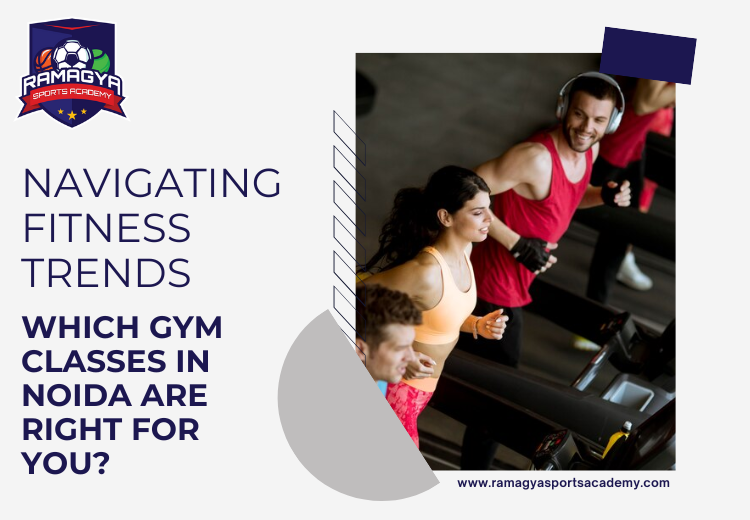
    Looking for gym classes in Noida to start your fitness journey? Selecting the best gym might be challenging with so many options. Be at ease! Your fitness will be transformed, and Ramagya Sports Academy will help you in reaching your objectives.
    What differentiates Ramagya from other gym classes?
    In this blog learn about the amazing facilities, professional guidance, and life-changing atmosphere that make our Academy, the top fitness destination. Be prepared for a fitness journey that will raise your level of fitness and boost your self-esteem? 

    Why choose Ramagya Sports Academy for your ultimate gym classes?

    1. Modern Facilities: Our modern facilities, which include big and spacious training areas and state-of-the-art facilities. These facilities are designed to maximize your fitness experience. We have cardio[1] machines, functional training areas, and weight training equipment in our state-of-the-art gym. This ensures that every member can enjoy a comprehensive exercise. Our members can reach their fitness goals in a secure and comfortable setting at our perfectly maintained gym. Our cutting-edge facilities will provide all you need to be successful in your exercise goals.
    2. Professional Advice: Our staff is highly skilled. Personal trainers are committed to assisting you in safely and effectively achieving your fitness objectives. Regardless of your degree of experience, our trainers will inspire and maintain your motivation. Training programs and specialized coaching can help you reach your goals. You can lead a more active and healthy lifestyle with the support of Ramagya Sports Academy.
    3. Diverse Exercises: Our training program consists of both personalized programs and cutting-edge fitness courses in addition to conventional gym routines. To assist you in reaching your fitness objectives, we provide a range of choices. You have lots of options at your disposal to help you reach your fitness goals. Every facet of your health is important to us. From building endurance and strengthening to reducing stress and anxiety, and improving mental clarity.
    4. Comprehensive Exercise Plans: We provide exercise routines designed to give you a complete experience. Exercises for cardiovascular fitness, strength, flexibility and mindfulness are included. We are dedicated to promoting wellness in all its forms. Increased stamina and power can reduce anxiety and improve mental clarity. To help members in achieving balance between their mind, body, and spirit, we use a comprehensive approach. Long-term maintenance of fitness is crucial.
    5. Community Atmosphere: Ramagya Sports Academy aims to create a warm, motivating, and supportive atmosphere so that its members feel supported and inspired in their search for physical fitness. This goes beyond just a gym. Our gym serves as a community center where members of various interest groups gather and exchange thoughts. Members can help one another, celebrate each other’s victories, and exchange expertise. Every step of the way, you’ll get support from other members, trainers, and enthusiasts.
    6. Commitment to Excellence: Our trainers provide personalized attention and guidance during your fitness journey. Our trainers are dedicated to helping reach your fitness goal. Our members can benefit from the best services, equipment and facilities. Ramagya Sports Academy is committed to excellence. You can be confident that your fitness journey will go well.

    Pilates: The Strength of Ramagya Sports Academy

    Pilates is a holistic practice that strengthens both the mind and the body. This is a must-have in the ever-changing fitness industry. Ramagya Sports Academy’s Pilates class offers more than a simple class. This is the cornerstone of our fitness philosophy. Ramagya Sports Academy offers Pilates classes. Pilates is a method of exercise that increases flexibility and body awareness, while strengthening core muscles. 
    We will have qualified instructors instructing our Pilates classes. They will lead you through a sequence of controlled movements and muscle-targeting exercises. Pilates are available at our gym classes for individuals of all fitness levels. Your strength, balance, and coordination all increase with Pilates. 
    Anybody, regardless of age or fitness level, can participate in Pilates. Our Pilates courses offer the newest equipment in a tough, encouraging setting offered by experienced instructors. 
    Ramagya Sports Academy welcomes Pilates fans and those new to the discipline. Come experience its transformative powers. Find out why Pilates is such a stronghold in our gym. You will achieve a stronger, healthier and more balanced body. 

    Conclusion:

    The most excellent spot to work out in Noida is at Ramagya Sports Academy. Our Academy offers excellent facilities along with a range of fitness sessions. The Academy’s trainers are also highly qualified. Regardless of your level of experience or where you are in your fitness journey, Ramagya has something to offer everyone.
    Training ranging from contemplative disciplines like Pilates to intense workouts are available for all levels of fitness. The Academy guarantees that members acquire the latest techniques and trends in fitness because it is dedicated to innovation and excellence. This will result in the best possible outcomes. Join us today and start your journey towards a healthier, happier you!

    Read our Article: Exploring the Premier Fitness Destination: Ramagya Sports Academy’s Gym in Noida

  • Top 5 Reasons Why We Need a Personal Trainer?

    Top 5 Reasons Why We Need a Personal Trainer?

    Top 5 Reasons Why We Need a Personal Trainer?

    need a personal trainer
    A person who wants to safely and successfully achieve their fitness goals may find that a personal trainer is really helpful. Personal trainers provide tailored advice, inspiration, and ideas based on each client’s unique needs and goals.
    They ensure that the right form and technique are used during training to maximize results while lowering the chance of injury. Personal trainers give their clients the accountability and inspiration they need to stick with their exercise routines over time. With their guidance and expertise, they help their clients overcome challenges, get over hurdles, and accomplish their objectives more successfully.
    Although hiring a personal trainer involves expenses, there is a significant return on investment for your overall health and wellbeing. Some reasons are:

    1. Personalized Approach: 
    • As opposed to regular exercise programs, personal trainers assess your unique needs, preferences, and capabilities to create a customized plan. 
    • Your training routine will be adjusted for your success in every way thanks to the individualized approach, which addresses everything from your strengths and weaknesses to any limitations or injuries. 
    • With a coach on your side, you will receive precise guidance and support that is adapted to your needs. This will maximize your performance and result in better and more effective results.
    1. Motivation and accountability:
    • The trainers provide constant support, encouragement and direction, keeping you accountable for your achievements and encouraging you to strive for the highest standard. 
    • Through regular check-ins, goals-setting sessions, and progress evaluations, trainers ensure you remain motivated and focused on your progress. Their unwavering dedication and faith in your capabilities motivate you to overcome difficulties. 
    • They help you face challenges and remain focused on your fitness and health goals. This results in more commitment, consistency and, ultimately, the achievement.
    1. Correct form and technique:
    • Training instructors carefully observe your movements, and offer instant feedback and adjustments so that you can complete each exercise safely and efficiently. 
    • Under their supervision, you can work the right muscles, avoid injuries, and increase the efficiency of your exercises. 
    • When you master the correct techniques and form under the guidance of a coach you can lay the foundation for long-term achievement. This helps you in ensuring that you continue to improve and reduce the chance of injuries or setbacks in the process.
    1. Efficiency Workouts: 
    • With their experience they design specific exercise routines that are focused on your individual goals which allows you to get maximum results in a shorter time. 
    • Trainers combine high-intensity intervals, circuit training, and other techniques to boost the burn of calories, increase muscular engagement, and boost overall effectiveness. 
    • By streamlining your workouts, and getting rid of unnecessary activities, trainers will aid you in making the most out of your gym sessions, helping you reach your fitness goals faster and efficiently than you have ever.
    1. Training for Lifestyle: 
    • Fitness trainers provide comprehensive support that goes beyond exercise helping you to make beneficial lifestyle modifications that add to overall health and well-being. 
    • They offer guidance and education on sleep, nutrition, stress management[1], sleep and other factors in your life that affect your fitness and health. 
    • They help you establish healthy habits, establish realistic objectives, and then implement lasting adjustments that align with your lifestyle and personal preferences. 
    • With their continuous assistance and accountability, you’ll be able to make long-lasting changes to your health, leading to improved performance, mood, and a better sense of overall health and health.

    Should each Gym be equipped with an individual trainer?

    A personal trainer isn’t required at all gyms. Personal trainers in the gym are contingent on many factors such as their size, facility, intended audience, as well as goals of the gym as well as its members.
    However, there are many advantages to hiring a personal trainer at the gym, such as:

    • Enhanced Safety: By ensuring that people at the gym exercise with proper form and technique, a personal trainer can lower the risk of injuries. Trainers can also make adjustments for people with certain medical conditions or physical restrictions.
    • Personalized workout programs: They create workout programs tailored to the client’s specific goals, fitness level, and individual preferences. If someone is looking to shed weight, build muscle or improve their overall health, a fitness trainer can create plans that meet the individual needs of each client.
    • Motivation and Accountability: Personal trainers make clients accountable to their fitness goals and promote perseverance and commitment. They offer ongoing motivation with support, encouragement, and assistance and help people to stay on track even when motivation slips.
    • Optimizing Results: Through personalized advice and guidance Personal trainers can help clients get the most results within a shorter period of time. They devise effective exercises that are targeted to specific goals, maximize the burn of calories, and boost the performance of their clients.
    • Education and empowerment: Personal fitness trainers instruct clients about the principles of exercise along with nutrition, lifestyle, and practices, helping them make informed decisions regarding their health. Clients gain essential skills and information that they can utilize in the long run to ensure an active way of life.

    Is it worthwhile to hire a personal trainer?

    • A personal trainer could be very beneficial for someone who wishes to successfully reach their fitness goals. Based on each client’s particular needs and objectives, personal trainers offer tailored advice, motivation, and suggestions. 
    • Throughout training, they make sure that the proper form and technique are followed to maximize outcomes while limiting risk of injury. Personal trainers provide their clients with the motivation and accountability they need to maintain their workout regimens over time. 
    • With their guidance and expertise, they help their clients overcome challenges, get over hurdles, and accomplish their objectives more successfully. 
    • Although hiring a personal trainer involves expenses, there is a significant return on investment for your overall health and wellbeing. 
    • People will be able to achieve their fitness objectives and enjoy healthier, happier lives with the encouragement and guidance of a personal trainer.

    What characteristics of an outstanding personal fitness trainer should you search for?

    • Certificates and qualifications: Choose trainers with reliable accreditations from reputable organizations like NASM, ACE, or ACSM. These certifications assure they have received adequate training and have the necessary knowledge and abilities to create safe and efficient workout programs.
    • Experience and Expertise: Find trainers who have a track record of results and expertise working with clients who have identical goals as well as fitness requirements to yours. Professionally trained trainers are able to comprehend your requirements and offer individualized advice and tailor workouts to your needs and preferences.
    • Listening and Communication Skills: A great personal fitness trainer must be a great communicator who pays attention to your goals, concerns and personal preferences. They must be able to describe exercises clearly, give feedback and alter the program according to your feedback and the progress you have made.
    • Motivation and Support: Find trainers who are dedicated to helping you succeed and who provide constant support and motivation through your exercise journey. A trainer who is supportive can motivate you to push yourself beyond your boundaries, remain determined to achieve your goals and recognize your accomplishments as you progress.
    • Ethics and professionalism: Select trainers who exhibit integrity, professionalism and ethical behavior when dealing with their clients. They must be mindful of your safety, wellbeing and confidentiality. They should respect the industry’s standards and guidelines and keep limits in their professional relationships.

    Conclusion:

    • In the end, the decision to engage an individual trainer could be a significant decision you make in the path to fitness. With their knowledge, expertise and constant support, personal fitness trainers can help individuals attain their full potential and live an improved, more enjoyable life. 
    • From customized workout plans to accountability, motivation and continuing training the value they provide is not limited to the gym’s walls. When you invest with a professional trainer you’re not only taking care of your body, but also your mental and emotional health. 

    Why wait? Make the first step towards being more fit, more muscular and more energetic by engaging the assistance from a professional trainer now.

    Read our Article: Choosing the Right Gym for Your Fitness Goals: A Comprehensive Guide

  • Transform Your Body: Dietitian-Approved Weight Loss Strategies

    Transform Your Body: Dietitian-Approved Weight Loss Strategies

    Transform Your Body: Dietitian-Approved Weight Loss Strategies

    dietitian for weight loss
    Losing weight is a common goal for many people, but it can seem like a daunting task and it can be a bit complicated. Firstly, it’s essential to place a higher priority on long-term lifestyle adjustments than on restricted diet plans or temporary fixes. This refers to a diet high in fruits, vegetables, lean meats, whole grains, and other essential nutrients. Some of the most important elements of the best weight loss plans are mindful eating and portion control.
    Exercise on a regular basis is essential to burning calories in addition to following a healthy diet. By consuming a balanced diet, it can improve general health and wellbeing. Aim for at least one hour a week of moderate-intensity activity, such as brisk walking, swimming, or cycling.
    Don’t forget your importance in taking time for yourself and reducing stress. A healthy and restful sleep and utilizing stress-reducing methods like meditation or yoga and seeking assistance from family members and friends, or an expert in medicine can all assist you in achieving your goals.
    Be aware it is a continual process, therefore it’s crucial for you to remain patient and kind towards yourself as you move through. You can achieve your weight loss goals and live a healthy and healthy life through putting in the work with determination and the appropriate level of assistance. The support you need is available by consulting the best  dietitian for weight loss.

    Join Ramagya Sports Academy for Expert Weight Loss Guidance:

    We at Ramagya Sports Academy, we recognize that nutrition[1] plays a crucial role to help you achieve your targets you’d prefer to attain. We have the best dietitian for weight loss in Noida, who helps our clients in achieving their weight loss goals they’ve established in a timely and sustainable way.
    Our best dietitian for weight loss in noida for weight loss works with each person to design a custom meal that is tailored to each person’s needs and preferences. Perhaps you are trying to lose weight, enhance your performance in sports or simply modify how you consume food. Our dietitians will be at your side each step of the way.
    Our Academy provides a range of fitness programs and activities in addition to dietary advice to help you in reaching your goals. We offer group exercise programs as well as personalized training sessions to help you maintain concentration and direction.
    Enrolling in Ramagya Sports Academy isn’t just about losing weight. It’s about making an investment in your health and wellbeing. Our friendly environment and knowledgeable instruction will make it easier than ever before to meet the fitness objectives you’ve set and lead your most fulfilling life.
    So why put it off? Start your journey to an improved, healthier you and join Ramagya Sports Academy today. Your journey towards a healthier and stronger confident you begins right here!

    Expert Tips on how to Lose Weight Safely and Effectively:

    • Goal-setting and evaluation:
      •  Dietitians start the weight loss process by meticulously taking a look at your health condition and figuring out your objectives. The evaluation is the basis for establishing an individual program that matches your lifestyle and preferences. 
      • Set goals that are achievable will aid you in tracking your progress and help you stay on track. A dietitian from Ramagya Sports Academy will provide you with the best dietitian for weight loss and support that is tailored to your specific needs. They will ensure an effective weight loss plan that is efficient and durable.
    • Balanced Nutrition: 
      • The most crucial element for losing weight according to dietitians is eating an energy-rich, healthy, balanced and healthy diet. This means consuming a wide range of foods that are high in nutrients, like vegetables, fruits and proteins that are lean as well as whole grain. In order to ensure your body is receiving vital vitamins and minerals through an appropriate diet it can aid in promoting feelings of fullness. This also helps  in preventing deficiencies.
      • Focusing on healthy choices for food is a way to support weight loss goals but without any compromise on taste or satisfaction. It also opens the way to sustainable growth and better overall health. It empowers individuals to maintain and reach their ideal weight.
    • Portion Control: 
      • In order to lose weight successfully, portion control is essential. Dietitians emphasize its importance in controlling your intake of calories. Through limiting portion sizes it allows you to have a wide selection of foods and still maintain a calorie deficit. This helps to avoid eating too much and encourages mindful eating. This isn’t about cutting out food but more about balance and moderation. 
      • Begin with dishes that are smaller, accurately measuring portions and observing portions when dining out. As time passes, this method becomes automatic, resulting in gradual weight loss without feeling deprived. It’s not just what you eat, but how much you consume that is important.
    • Regular exercise:
      • It is an essential component of weight loss, as per dietitians. Regular exercise will not only help burn calories but also increases metabolism, which aids in losing excess weight. Try to do at least 150 minutes of moderate intensity exercise each week, including biking or walking. Include strength training in your routine to build muscles that can boost calorie consumption even in a state of the time of rest. 
      • Find things you enjoy to keep you motivated and stick to a regular exercise routine. Be consistent, that’s the key. When combined with a healthy diet, regular exercise helps to promote healthy weight loss and increases overall health. So, put on your shoes and put the emphasis on moving to live a healthier life.
    • Behavioral Changes: 
      • Behavioral modifications are essential to weight loss success and are emphasized by dietitians. This means rethinking your lifestyles and attitudes to eating and lifestyle. Begin by identifying the triggers for excessive eating or other unhealthy habits Then, develop strategies to deal with the issues. Make a habit of mindful eating and paying attention to cues for hunger and enjoying every bite. 
      • Keep a food diary to record eating habits and the emotions that accompany eating. Make sure you have a supportive surroundings, and enlist the assistance of family or friends and be sure to celebrate little victories as you progress. When you make lasting changes to your behavior you’ll not only shed weight but also lead an improved lifestyle over the long run.
    • Responsibility and support: 
      • Accountability as well as support are the two main elements of a successful weight loss. According to dietitians, being able to share your journey can give you motivation and support. It could be a friend or family member, or even a support group. Discuss your goals and progress regularly, and celebrate your accomplishments while soliciting help when needed. 
      • Keep track of your progress by scheduling regular check-ins and exercise sessions with a partner. Also, think about consulting with a dietitian or health coach to provide individual guidance and assistance. Be aware that you’re not the only one on your journey. A support system can make a big difference in reaching the weight reduction goals you have set as well as keeping a healthy lifestyle.

    Conclusion:

    1. In the end, by combining portion control, regular exercise, behavioral changes, and accountability/support, you can create a sustainable path towards a healthier weight. 
    2. By practicing portion management, you are able to understand your body’s signals about when you’re full or hungry while still enjoying a variety of foods in proportion.   
    3. Frequent exercise raises metabolic rate, improves general health, and aids in calorie burning.  Identifying the root causes of unhealthy habits and putting preventative measures in place are necessary for behavior changes. This can be done by encouraging conscious eating and long-lasting lifestyle modifications. 
    4. In addition, accountability and support from family members, friends or professionals can provide a lot of support and motivation all the way through your process.  
    5. There’s no universal method to lose weight. It’s crucial to figure out the best method for you, and be patient and gentle with yourself throughout the process. Small, consistent modifications over time can result in significant improvements.  
    6. If you are committed to the health of your body, making mindful choices, and seeking help whenever needed, you will reach the weight-loss goals you have set while enjoying an improved, healthier life. 

    So, enjoy the journey, be proud of your accomplishments, and continue going forward toward a more positive healthy future.

    Read our Article: Elevate Your Health Journey with Ramagya Sports Academy’s New Dietician Services in Noida

  • 7 Benefits of Karate and Martial Arts for Kids

    7 Benefits of Karate and Martial Arts for Kids

    7 Benefits of Karate and Martial Arts for Kids

    Benefits of Karate
    In this fast-paced, ever-changing world, parents seek out ways to help their kids develop in a variety of ways. Karate or martial arts are now well-known options because they provide more than just physical fitness[1]. They impart important lessons like the importance of respect, discipline and as well as helping youngsters develop character and stay fit and healthy.
    Martial arts like karate place a strong emphasis on developing new skills and boosting self-esteem. Along with growing stronger and more capable of self-defense, the children also develop dedication and concentration. Martial arts for kids help them feel safe and connected to others because the lessons are friendly and enjoyable.
    The concepts of self-improvement, discipline, and respect are central to martial arts, including karate. It is an idea that permeates every part of life and transcends the restrictions placed by the dojo. Kids learn lifelong qualities like focus, determination, and resilience through guided instruction and a well-structured, well-organized training program. They also get physical fitness and self-defense knowledge.

    Origin of Karate:

    1. Karate is an art of combat that is characterized by kicking, striking and defensive methods that traces its roots back in the Ryukyu Kingdom, now known as Okinawa, Japan. 
    2. The first time it was developed, it was a method for non-armed combat, due to the ban on weapons by the ruling authorities. 
    3. Karate developed from the traditional martial arts that were influenced by Chinese martial arts that were brought to Okinawa by travelers and traders. There are many benefits of Karate.
    4. As time passed, Karate underwent refinement and systematization and distinct styles emerged like Shotokan, Goju-Ryu, and Shito-Ryu. 
    5. Karate gained popularity on the mainland of Japan at the start of the 20th century and then spread across the globe as a method that combines physical strength, self-defense and mental discipline.

    Origin of Martial Arts:

    1. Martial arts, which encompass an array of traditional and combat-related practices originate from ancient civilizations throughout Asia which includes China, India, Japan and Korea. They were initially developed as essential tools for fighting defense, self-defense, and survival, using a variety of methods like grappling, striking and weapons.
    2. In China fighting arts (Kung Fu) evolved alongside spiritual and philosophical teachings that stressed harmony, balance and discipline.
    3. In the same way, Japanese martial arts, such as Judo and Aikido, were developed from combat techniques of samurai warriors that combine physical strength with moral tenets. 
    4. Over time combative arts and martial art have transcended fighting roots into holistic methods that encourage athletic fitness, discipline for the mind as well as spiritual growth. 
    5. Nowadays, they are used throughout the world to improve self-esteem as well as cultural preservation and competitive sports, which embodies the rich tradition of philosophy, tradition and a high level of skill.

    Here are seven reasons children should be enrolled in martial arts:

    1. Physical Fitness: 
      • Karate or martial arts teach discipline, determination, focus, and perseverance that are crucial to reaching fitness goals. It aids in weight loss as well.
      • Through structured training and supervision children develop the habit of regularly exercising and healthy living that lead to an increase in overall fitness and physical fitness. 
      • Additionally, practicing martial arts helps build mental and emotional endurance and promotes overall well-being.
    2. Learn to defend yourself: 
      • Karate and martial arts equip children with self-defense techniques, enabling the children to deal with difficult situations with confidence and skill. 
      • Through structured instruction, kids learn strategies to protect themselves and their friends, improving their sense of safety and security. 
      • These techniques not only enhance physical security but also build mental resilience, instilling an attitude of empowerment and self-confidence in children.
    3. Discipline and Concentration: 
      • Karate and martial arts help instill discipline and focus into youngsters through structured routines of training and a strict adherence to rules and the rules of etiquette.
      • Through repeated practice and mastering complicated moves, kids learn the importance of self-control and concentration. 
      • This method of discipline extends beyond the dojo, positively impacting their behavior as well as academic performance and the overall development of their character.
    4. Self-confidence: 
      • Through martial arts and karate children are taught to believe in themselves and their skills which boosts confidence in themselves.
      • When they work on and improve abilities, they develop confidence in their accomplishments and develop confidence in themselves. 
      • This confidence is transferred to all areas of their life, empowering individuals with the grit to tackle any challenges with enthusiasm and passion.
    5. Stress Relief: 
      • In Karate and Martial arts, children can find an outlet for their unburned anger and tension, which can lead to relaxation and emotional balance.
      • Participating in physical activities helps to control emotion in a positive manner, which reduces tension and anxiety. Through practicing mindfulness and focusing upon their movement, they can learn how to manage stress effectively, improving their mental wellbeing as well as overall resilience.
    6. Strengthening Character: 
      • Karate and martial arts teach fundamental values such as respect, integrity, humility, and honesty in children, helping to develop your character.
      • Through disciplined practice and dedication to the principles of martial arts they are taught the value of perseverance, patience and respect. 
      • These skills are transferred to their lives every day, making their character into responsible and compassionate individuals who positively impact their communities and to society in general.
    7. Social Skills: 
      • Participating in martial arts, karate, and other martial arts gives children plenty of opportunities to interact with their peers as well as instructors and mentors and improve their social abilities.
      • Through group drills, partner activities and belt ceremonies they are taught cooperation, teamwork and cooperation. 
      • Social interactions with friends foster friendships, foster camaraderie and help create a community where children feel respected as well as accepted and are encouraged to excel at and off mats.

    Conclusion:

    In conclusion, karate as well as martial arts have many advantages for kids beyond physical fitness. They teach valuable life skills, such as discipline as well as focus, respect and confidence in oneself. Karate is a form of training that helps children overcome obstacles and set goals. It pushes them to reach these goals. In addition, the welcoming and encouraging environment in martial arts classes can help children learn essential social skills and create friendships.
    Karate and martial arts equip children with a sense of confidence and self-defense skills. It gives them the confidence needed to navigate through the world with confidence. In addition, the physical activities that are part of karate classes improves overall wellbeing, which helps children remain active and fit.
    In the end, karate and martial arts are a holistic approach to development of children and growth, fostering not only their physical strength but their mental resilience and emotional mentality. Through martial arts for kids they learn life lessons that will help them in their lives in and out of the mat, preparing the stage for success in every aspect that they encounter.

    Read our Article: 5 Mental Benefits of Martial Arts Training

  • Stay Fit in Life: 20 Tips to Keep Moving Through Life’s Challenges

    Stay Fit in Life: 20 Tips to Keep Moving Through Life’s Challenges

    How to Stay Fit in Life?

    Stay Fit
    In our fast growing society managing your health and fitness may seem nearly impossible. Sometimes, our obligations towards our family, jobs and the number of tasks we need to finish can make us forget our time spent doing exercise and pursuing an active lifestyle. However, keeping your general health and well-being depends on making fitness a priority. We’ll go over 20 useful tips in this post to help you stay fit and healthy even during hectic times. This will answer your question of how to stay fit and healthy?

    A few ideas to stay fit you could incorporate into your life include:

    1. Make Exercise a Priority: You can make exercise a habit for the day by setting certain times to exercise. Be consistent and prioritize it just like other important tasks on your calendar.
      Include exercise into your routine by doing short walks, completing short workouts, or participating in activities that require active participation. Find opportunities to remain active throughout the day.
    2. Find Activities You Enjoy: Find things you really are interested in, whether that’s dancing, hiking or participating in a game. When you feel joy in moving, it’s easier to be active regularly and make fitness a regular element of your daily routine. Explore various activities until you discover those that appeal to you. If it’s yoga, swimming or gardening, select those that provide you with pleasure and satisfaction, making more sense to focus on moving.
    3. Stay Consistent: Make sure you are consistent by setting achievable goals for exercise and adhering to your goals. Even during busy times make a commitment to shorter breaks or workouts to keep your momentum going and avoid any setbacks on your fitness journey. Set up a schedule that incorporates regular workout sessions and make exercise a mandatory aspect of your routine. Regularity breeds improvement, so remain committed to your fitness goals regardless of what life throws at you.
    4. Incorporate Strength Training: Include strengthening exercises in your workout routine to increase bone density, boost metabolism and increase muscle mass. Utilize resistance bands to perform simple exercise at the home gym or in the fitness center, and integrate the bodyweight exercise into your routine. Be sure to focus on compound exercises such as push-ups, squats, and lunges in order to target a wide range of muscles simultaneously, increasing the effectiveness and efficiency. Make sure you do at minimum two sessions of strength training each week to increase general fitness and avoid injury.
    5. Mix It Up: Keep your routine fresh by trying new activities and exercises. Variety keeps you engaged, stimulates your body to think in new ways and keeps you engaged to continue moving. Explore various types of exercise, including cycling, yoga or swimming, or even group fitness classes to discover what you like the most. Making your workouts diverse keeps the workouts interesting and fun and ensures that you stick to your fitness objectives.
    6. Set Realistic Goals: Create achievable goals to stay fit with your strengths and lifestyle. Divide larger objectives into smaller, more doable activities so you can track your progress and recognize your accomplishments along the way. Establish attainable objectives that are quantifiable, exact, and relevant to your fitness objectives. By setting achievable targets, you’ll be able to keep your motivation to stay committed to keep yourself active.
    7. Stay Hydrated: To stay fit consume huge quantities of water on a daily basis to maintain proper hydration and facilitate optimal physiological functions, including digestion and circulation. Carry a reusable water bottle with you to serve as a constant reminder to stay hydrated[1], particularly in the days after physical activity. Watch out for symptoms of dehydration, such as dark urine, dry mouth, or thirst, and drink plenty of water to stay hydrated. Aim for eight to ten glasses of water a day, and modify your consumption based on your activity level and the surrounding circumstances.
    8. Prioritize Sleep: To stay fit Prioritize sleep by setting a consistent schedule for bedtime to ensure a restful sleep. Try to get at least 7-9 hours of quality rest every night to promote your overall health and recover from your daily routine. Make your bedroom a relaxing space by making sure your bedroom is cool and dark. Also, it should be calm. Avoid screen time before sleeping, try methods of relaxation like meditation or deep breathing and stay away from food that is heavy or caffeine-based close to bedtime to ensure better quality sleep.
    9. Fuel Your Body: To stay fit assist your body learn the fuel it needs for daily tasks, eat a balanced diet rich in fruits, vegetables, lean proteins, and whole grains. To increase your energy levels in between meals, think about consuming healthy snacks like yogurt, almonds, or even fruits. To maintain your general health and energy, make sure you are consuming meals high in nutrients that provide crucial vitamins, minerals, and antioxidants. To maintain a healthy relationship with food, be mindful of the size of your servings and pay attention to your body’s signals of hunger and fullness.
    10. Listen to Your Body: Be aware of the way your body feels to stay fit when you exercise, and be aware of the signals it is sending. If you’re experiencing fatigue or are experiencing discomfort, reduce or stop the intensity of your workout to ensure you don’t strain yourself too much and avoid injury. Engage in a focused and logical exercise by participating in activities that bring satisfaction and joy. Be aware of your body’s demands whether they’re stretching, rest or gentle movements, and take care of yourself to achieve optimal wellness.
    11. Make your workouts more creative by working out: Explore various forms of fitness to keep your workout fun and exciting. You can try activities like walking, dancing or yoga to keep active and enjoy exploring new interests. Include everyday activities in your daily routine for example, cleaning, gardening or walking to get in a little extra exercise throughout your day. Make use of household objects to help you build strength and make exercise a natural part of your routine.
    12. Set Reminders: Use alarms and calendar notifications to remind yourself to exercise often all day long. Schedule brief intervals to stretch out, stroll around, or perform simple exercises, which keep the body moving and invigorated. Create visual cues such as poster boards or sticky notes at your workplace or in your home to promote moving as well as remind yourself of the goals you have set for your health. Regular reminders help keep regularity in your exercise routine.
    13. Buddy Up: Find an accountability partner to help keep you on track and motivated in the fitness objectives you have set. Being able to exercise with a friend makes exercises more enjoyable and offer help during tough moments. Take part in fitness classes with a group or join online communities so that you can meet people who share the same interests and discuss your accomplishments. Being part of a community that is supportive will help you stay committed to exercise and makes exercise a fun social event.
    14. Practice Mindful Eating: Be aware of your body’s signals for fullness and hunger to ensure you don’t overeat or undereat. Slowly eat, enjoying every bite, and stay away from distractions such as phones or TV throughout meals to help you remain mindful of the food you eat. Select nutrient-rich foods such as fruits vegetables, lean protein and whole grains that provide your body’s needs with energy you require to perform your daily workouts and activities. Choose healthy meals that offer an array of proteins, carbohydrates and healthy fats that help improve overall health and fitness.
    15. Take Active Breaks: Include short, intense bursts of activity throughout your day by taking frequent breaks to stretch out, stroll around, or engage in short exercises. A short amount of exercise can improve your energy levels, boost circulation, and lessen stiffness due to sitting all day.
      Set a timer that reminds you to get up and move each hour, whether that’s going to the water cooler and performing a couple of squats or jogging through the workplace. These breaks that are active will help break up your long periods of sedentary time and keep you feeling fresh throughout the day.
    16. Limit Sedentary Time: Get up and stretch each hour to break up long hours of sitting. Do some walking or gentle workouts to stay in motion throughout the day.Make a habit of taking short breaks from sitting down, even if it’s only for a couple of minutes. Utilize this time to move around, stretch, or perform chores around the house to decrease the amount of sedentary time you spend.
    17. Manage Stress: Relaxation techniques such as meditation, deep breathing, or yoga, to help manage stress efficiently. These exercises can help you relax your body and mind and reduce the negative effects that stress can have on your body exercise.
      Participate in activities, hobbies, or other pursuits that you love to relax and ease anxiety. It doesn’t matter if you’re reading, drawing or listening to music, figure out the activities that suit you best and make it your priority to keep the balance you need within your daily life.
    18. Celebrate Progress: Celebrate even the smallest successes in your fitness journey for example, finishing a workout or achieving the personal goal. The recognition of your progress is motivating and helps you maintain positive habits that keep you motivated to keep going.
      Be sure to share your accomplishments with your family and friends to celebrate and create an atmosphere of encouragement for continuous improvement. Social reinforcement can boost your confidence and help you stay committed to keep yourself active.
    19. Stay Flexible: Be flexible in your exercise routine by exploring new exercises and adapting your schedule to accommodate the changing needs. This flexibility helps you remain focused on staying active even when life is hectic or unexpected events occur.
      Integrate a variety of workouts in your daily routine, such as fitness, cardio, and stretching exercises to boost your fitness levels and reduce boredom. Flexibility in your fitness routine lets you customize your workouts according to your preferences, interests, and time of availability, providing the sustainability and enjoyment to stay active.
    20. Have Fun: Find things that you truly like and are looking at with anticipation, whether it’s hiking, dancing or playing sports with your buddies. Engaging in activities that you enjoy can make exercise seem less of work and more like an enjoyable and rewarding experience.
      Make your workouts more interesting by exploring different leisure exercises or taking on the latest fitness courses that pique your enthusiasm. If it’s joining a neighborhood sports team or attending classes in dance, adding engaging activities into your schedule keeps you interested and active to keep active.

    Conclusion:

    Have a question in mind, that is, how to stay fit and healthy?
    Stay fit and healthy isn’t about perfectionism, it’s about being steady, flexible and enjoying the process. If you implement these tips into your routine to stay active and healthy as well as happy regardless of what life throws impeding your progress. Keep in mind that each step you take towards making your health and wellbeing a priority is an effort towards the right direction. So, put on your shoes, get a water bottle and continue to work toward a more healthy, happier you!

    Read our Article: A Roadmap to Achieving Your 2024 Fitness Goals with Ramagya Sports Academy

  • How Martial Arts Teaches Self-Discipline for Students?

    How Martial Arts Teaches Self-Discipline for Students?

    How Martial Arts Teaches Self-Discipline for Students?

    Self-Discipline for Students
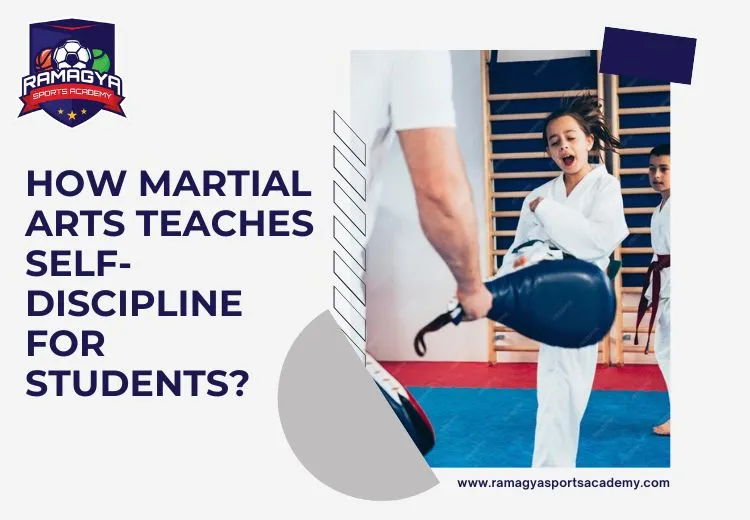
    Martial arts represent a history of traditions rooted in discipline, respect, and self-mastery, thus making an invaluable contribution to teaching self-discipline for students. For teaching self discipline to students, martial arts can be a key to open that door. At a time when there are so many distractions and instant gratification options, instilling self-discipline in children has never been more essential. Martial arts offer a holistic way of developing this essential life skill, transcending mere physical techniques into an entire philosophy of self-growth and moral development.
    Self-discipline for students is very necessary for their overall growth. Martial arts practiced both within the dojo and out in daily life foster values beyond combat, teaching their practitioners respect for oneself and others, perseverance, and self-control. Children engage in an incredible transformational journey towards self-discipline through rituals, structured training, and supportive community engagement through martial arts. They learn how to better control impulses, emotions, and actions towards long-term goals.
    This comprehensive guide explores all the various ways martial arts empower children with the self-discipline necessary for meeting life’s challenges with confidence, integrity, and grace:

    Building Self-Discipline in Students

    1. Understanding Self-Discipline: Self-Discipline for students is one of the cornerstones of success in life, and martial arts offer an effective platform for its development in children. Martial arts discipline extends beyond physical techniques – it involves adhering to rituals, respect for instructors and peers alike, as well as persevering when facing challenging circumstances. Children learn to set goals and reach them using structured belt ranking systems, instilling dedication and commitment.
      Through rigorous training, children develop focus, concentration and resilience – helping them overcome any obstacles with determination. Martial arts also foster self-control and emotional regulation in children, teaching them how to manage stress effectively and frustration constructively. By instilling discipline holistically, martial arts equip kids with the inner strength and resilience needed to navigate life’s complexities with pride and integrity.
    2. Martial Arts Have Their Foundations in Mind: Martial arts go far beyond simply physical combat techniques; their rich traditions instill discipline and values into practitioners – especially children. Self discipline for students and its foundation in mind is very necessary for their whole development. Traditions form the core of martial arts training, emphasizing respect, humility, and self-improvement. Children enter dojos immediately immersed in rituals and etiquette that teach discipline and obedience in them. Bowing before entering, addressing instructors with their correct titles, and adhering to a structured code of conduct are all effective means of inculcating discipline.
      Martial arts philosophy emphasizes excellence through continuous self-improvement, encouraging children to embrace discipline as an underlying principle in both training and daily life. Internalizing these guiding principles teaches children that success in martial arts – as in life – requires unwavering commitment, respect for others, and strong self-discipline.
    3. Rituals and Etiquette: Etiquette and rituals play a crucial role in the way that martial arts help instill discipline in youngsters. As soon as they enter the dojo, they are surrounded by a disciplined space that is guided by a tradition of respect and reverence. Bowing when entering and leaving the area of training, speaking to instructors with proper titles and adhering to a code of conduct fosters discipline and the habit of obedience. These routines teach youngsters the importance of observing the rules of authority and following them instilling a sense of discipline from the very beginning.
      Through consistent practice of these rules children learn the importance of self-control and discipline, that extend beyond the boundaries within the dojo. In addition, being respectful to the other players and peers fosters respect and sportsmanship[1] while strengthening the fundamentals of respect and discipline. Through etiquette and rituals, martial arts can provide kids with an opportunity to develop self-control as well as laying the basis to their growth and progress as individuals and martial artists.
    4. Focus and Concentration:  Martial arts instruction teaches children essential concentration and focus skills which help develop self-discipline for students. Through the practice of different techniques, forms, and drills, they can be taught to direct their attention away from any potential distractions and redirect it toward worthwhile activities. Martial arts instructors stress the importance of being in the training session and teach kids to remain completely immersed in the moment.
      A disciplined and focused practice of martial arts does not just improve its performance but can also be applied to other aspects of their lives like classes or other daily chores. As they work to improve their skills and learn new techniques, they develop confidence and perseverance while enhancing their ability to concentrate on their focus on the goals they have set. Martial arts teach children the ability to concentrate, which helps students tackle problems head-on and overcome obstacles to achieve success both within the dojo as well as in the community.
    5. Self control and Emotional Regulation: Controlling your emotions and self-control are the foundations of self-control that martial arts can instill in youngsters. Through a rigorous program of training and guided training, children are taught to control their emotions, impulses, and their reactions efficiently. Martial arts emphasize the importance of discipline when it comes to controlling the mind and body, and helping children learn to stay calm even in stressful situations. Through controlled breathing and movements children gain greater self-awareness as well as emotional intelligence. They learn to identify their emotions effectively rather than responding with impulse.
      Children in a dojo environment are taught resilience and determination in order to overcome frustrations or setbacks that arise during training sessions. Martial arts skills not only increase performance, but they can also empower children to navigate life with grace and ease. By developing self-control and emotional regulation skills, children develop self-discipline to achieve their goals and thrive throughout their lives.
    6. Leadership and Responsibility: Leadership and responsibility are integral aspects of self-discipline for students that martial arts teaches. As they advance in their training, more leadership roles and responsibilities within the dojo are assigned to them. No matter if they’re helping lower-ranked students, leading warm-up exercises, or demonstrating techniques, students learn to take ownership of their actions and inspire others through their example. Martial arts foster a sense of responsibility towards one’s community and peers, developing leadership skills and character traits in children.
      Children learn by example to lead with integrity, humility, and respect in all interactions with others. By serving as role models, they encourage their peers to strive for excellence while positively contributing to the dojo environment. Through martial arts practice, children gain insight into leadership as something other than exerting power over others; rather, it promotes compassion and humility when serving others, thus instilling responsibility and self-discipline into their daily lives.

    Conclusion:

    Martial arts provide an effective platform for children to develop self-discipline in a holistic and transformative manner. Children engaged in martial arts find strength in cultivating inner strength and resilience that will serve them well as they face life’s challenges in today’s globalized environment. By immersing them in a structured, respectful, perseverant environment based on respect, perseverance, and personal responsibility, martial arts help children build the inner strength necessary for survival in today’s society.
    Every aspect of martial arts training helps young practitioners develop self-discipline – from rituals and etiquette, goal setting, focus training, and emotional regulation to developing emotional regulation skills. As children progress through their martial arts journey, they not only develop physical skills but also internalize life lessons that shape both character and mindset. Martial arts offer children a path toward self-mastery – equipping them with tools necessary for personal growth, success, and fulfillment in all areas of their lives.

    Read our Article: What are Importance of Sports in Student’s Life

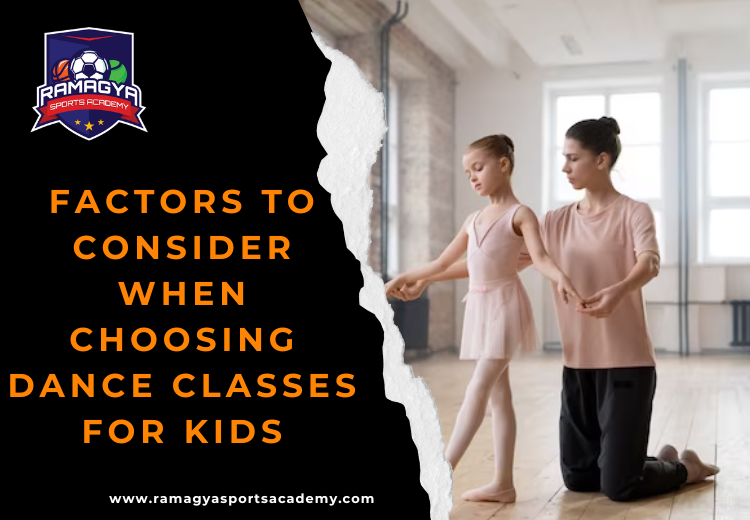
  • Factors to Consider When Choosing Dance Classes for Kids

    Factors to Consider When Choosing Dance Classes for Kids

    Factors to Consider When Choosing Dance Classes for Kids

    Dance Classes
    The experience of embarking on a dance adventure is exciting and intimidating, similar to walking onto a stage for the first time in which every move tells a story. The dance world has a vast collection of styles, each with its own distinct rhythm, expression, emotion, and style. Finding a suitable dance classes tailored to your requirements and desires can seem overwhelming amid this overwhelming variety of options. However, do not worry, as there is a vast world of possibilities that you will be waiting to explore.
    When you are preparing for your first steps on the dance floor, it is essential to approach the dance with a curious attitude. Think of this experience not just as a way to master new dance moves but as a way to explore self-expression and personal development[1]. In exploring the dance world, you’re taking a transformational adventure that goes beyond the walls of your studio. It’s a trip that allows you to explore new interests that will last a lifetime, make lasting connections and discover endless possibilities.

    Choosing the Perfect Dance Classes: Key Factors to Consider

    • Personal Interest: In choosing the appropriate dance class, your interest is an essential factor to consider. Your passion for a particular dance style or genre could significantly enhance your learning experience and drive. Consider the styles of music, movement and expressions that connect with you. Think about what types of dance inspire you to get on the floor. Picking dance classes that fits your interests will allow you to completely immerse in the experience and become acquainted with the art of dance on a more profound level.
      Whether it’s the majesty that comes from ballet, the dynamism of hip-hop, or the style in contemporary dance, pursuing your passion will ensure you take pleasure in every second of your dancing journey. In addition, choosing a dance style you enjoy can spur enthusiasm and creativity, fueling your determination to continue practicing and improving. Don’t be afraid to trust your gut and pick a dance course that reflects your interests and needs.
    • Experience Level: When selecting a suitable dancing class, consider your experience level. Choosing the right class for your skill level—whether you’re an experienced or beginner dancer—is crucial to your growth and enjoyment. Beginners should look for classes that are specifically designed for beginners and concentrate on the basic steps and principles of dance. Dancers who are intermediate in skill should enroll in classes that offer greater complexity and challenge so they can advance their knowledge and versatility.
      On the other hand, advanced dancers can favor challenging classes that promote skill and artistic expression. Be honest about your skills and pick courses that push you to your limits and help you grow as an artist. Achieving the right level of dance will not only provide a satisfying learning experience and assist in avoiding injuries and frustration. Therefore, whether you’re just beginning or looking to advance your dancing skills to the next level, a class is available that’s perfect for your current stage.
    • The class atmosphere: When choosing the best dance classes, consider the environment and atmosphere where you’ll learn. The environment of the class has a significant impact on the overall experience and satisfaction with the class. Confident dancers excel in a competitive and high-energy environment, while others prefer a more relaxing and hospitable atmosphere. Be aware of the intensity of classes, the teacher’s manner of teaching, and the interactions between students. Select a class that you feel comfortable and excited to learn more in, with other people who share your enthusiasm for dancing. A friendly and upbeat environment will motivate you to put in more effort and accomplish your objectives. On the other hand, a stressful or unfavorable environment might impede your development and lower your level of enjoyment. In the end, choose a class that is a place where you feel welcome and supported. You will also feel inspired to improve your skills as a dancer.
    • Instructor Credentials:  When considering taking a dance class, it is crucial to consider the teacher’s qualifications. The instructor’s credentials, knowledge, experience, and teaching style significantly impact the quality of the learning experience. Find instructors with relevant experience and training in the type of dance you are interested in. They should have solid experience in dance, official training and certifications, and the ability to teach or perform dance professionally.
      Also, take note of the teacher’s style of teaching and method of teaching. Are they kind, patient and competent to convey dance concepts and techniques? Do they foster a positive and welcoming learning environment where all students are valued and motivated to do their best? Please do your research on the instructor’s background, read testimonials from previous students, and perhaps even attend the class to evaluate their teaching style in person. Selecting a dance class taught by a certified and experienced instructor guarantees professional instruction and guidance while you follow your passion for dancing.
    • Class Schedule and Location: Be aware of the class schedule and the location you choose for dance classes. Choose a time compatible with your schedule and commitments to ensure regular attendance. Furthermore, pick an area which is easily accessible from your workplace or home. Examine factors like commuting time, parking options and accessibility to public transport. Make sure you can get there quickly, which will minimize interruptions and help you adhere to your practice routine.
      Additionally, inquire about facilities and amenities available in your dance school or venue. A well-equipped and comfortable space will enhance your dancing experience and increase your enjoyment and advancement. Suppose you choose a dance class with a timing and location. In that case, you can increase your participation and commitment, resulting in better outcomes and greater satisfaction from your dance experience.

    Step into Fun: Dance Lessons Tailored for Kids!

    Dance lessons for kids provide an energetic and exciting platform for children’s minds to experience their rhythm, movement and expression. Beyond the fun, dance steps and graceful movements are essential lessons far past the dancing floor. They serve as an avenue for encouraging creativity, building confidence and teaching discipline to young children as early as.
    In a dance class designed for children, instructors create a safe environment where kids can enjoy dance while developing vital mental and physical abilities. Through fun and exciting activities, children are taught balance, coordination, and spatial awareness, setting the foundation for a balanced and active life.
    Furthermore, dance lessons for kids promote collaboration and social interaction because children work together with other students to master dance routines and choreography. This teamwork-oriented spirit creates an atmosphere of camaraderie and belonging, which allows children to make meaningful connections and build friendships.
    Beyond physical benefits, dance classes help children develop emotional intelligence by providing an environment that allows for the expression of oneself. Through dance, children can express their emotions, express their imagination, and accept their uniqueness.

    Conclusion:

    Ultimately, be aware that the dance journey is not just about the destination and the steps you take throughout the trip. With every graceful move and complex choreography, you’re not only learning how to dance; you’re discovering what you’re made of and capable of. Therefore, whether dancing on the stage or dancing to the beat of your daily life, let your enthusiasm for dance guide your steps and let your journey be full of happiness, growth, and endless opportunities.
    Selecting a suitable dance class is a journey of personal choice and requires careful thought about your needs, goals and preferences. When you explore different styles, evaluate your skill level, and locate the right instructor and class you like, you will be well on the way to finding the joy and excitement of dancing. So, put on your dancing shoes and let the journey begin!

    Read our Article: Contemporary Dance: Understanding its Wonders and Wellness Benefits