Blog

  • Ramagya Sports Academy- A Preferred Choice for Athletes

    Ramagya Sports Academy- A Preferred Choice for Athletes

    Ramagya Sports Academy-

    A Preferred Choice for Athletes

    Find out why

    Ramagya Sports Academy is a top multi-sports center located in the middle of Delhi-NCR. If you’re an athlete aiming for the top or someone who wants to lead your lifestyle with a healthier one through sports, Ramagya Sports Academy offers everything you require to follow your passion.

    State-of-the-Art Facilities at Ramagya Sports Academy

    Ramagya Sports Academy stands out as a top training facility for Delhi-NCR providing a range of modern amenities designed to accommodate athletes of different ages and abilities. We’ll take a closer overview of the amenities which are what make Ramagya Sports Academy a preferred choice for athletes:

    • Artificial Turf

    Ideal for those who love football. It ensures constant playing conditions, regardless of the weather.

    The synthetic turf pitches located at Ramagya Sports Academy are meticulously maintained to recreate the performance and feel like natural grass. Specially designed for football, these fields have a flat and even surface that is constant all through the year. No matter the weather, raining or shining, players can play in optimum conditions without having to worry about uneven patches of mud. Artificial turf not just improves play, but also reduces injuries due to its stable and cushioning surface.

    • Indoor Courts

    From basketball to badminton our indoor courts are built to be in line with international standards and provide the perfect setting to practice and compete.

    The indoor facilities at the Sports Centre are fitted with courts that conform to international standards, so that athletes can compete and train at the highest level. No matter if you’re interested in basketball or badminton our courts have professional-grade flooring and equipment to aid your athletic pursuits. The indoor setting provides well-controlled conditions, without external weather elements, allowing for continuous training sessions and matches all through the season.

    • Dedicated Squash Courts

    Enjoy the excitement of squash matches on our specially designed courts, created to help you improve your playing.

    Squash players who play at Ramagya Sports Academy can enjoy dedicated squash courts designed to increase the intensity and fun of the sport. Our courts are equipped with high-end flooring and walls that allow for rapid movement and precise ball movement, essential to play competitively. If you’re just a beginner beginning to learn the basics, or an experienced player hone your abilities, our squash courts are the ideal place for competitive matches and development of skills.

    • Table Tennis Area

    Get your reflexes sharpened and precision with our table tennis facilities that are well-equipped.

    The table tennis facility in the Ramagya Sports Academy is designed to accommodate players at all levels, from amateurs to competitive players. Our tables are top of the line as well as paddles of professional quality, with ample space for practice as well as tournaments. If you’re playing on your own or participating in friendly games or playing in organized tournaments the table tennis area offers the perfect environment to improve your hand-eye coordination, reflexes, along with overall table tennis abilities.

    • Box Cricket Arena

    Get the adrenaline of cricket inside our indoor box-cricket arena that is suitable for both friendly games and competitive matches.

    The fans of cricket can experience the thrill of playing in our indoor box cricket arena. It was designed to replicate the excitement of playing outside in a controlled, safe environment; the arena has artificial pitches and boundary markings that resemble traditional cricket fields. If you’re playing with your players for fun or taking part in matches that are competitive, the box cricket stadium provides a safe and thrilling location to enjoy one of the most popular sports in India.

    Comprehensive Amenities

    We know that convenience and comfort are important to have a positive sporting experience. This is the reason Ramagya Sports Academy offers:

    • Cafe: Fuel up and unwind after a long day by visiting our cafe serving a wide selection of beverages and snacks.
    • Hydration Stations:  Be hydrated during your training by using our easily accessible drinking water stations.
    • Flood lights: Extend your play time through the night with well-lit courts and fields.
    • Plenty of Parking: Hassle-free parking makes it easy for anyone who visits.
    • Comfortable seating: Whether you’re a player or spectator the comfy seating areas provide an enjoyable experience for all.
    • Warm-Up Areas: Spaces specifically designed to warm up prior to games aiding you in preparing effectively and avoid injuries.
    • Clean washrooms: Clean, well-maintained restrooms are accessible all throughout the school to make your life easier.

    Hudle App for Easy Booking

    Making reservations for your sports activities with Ramagya Sports Academy is never so easy. Thanks to the unique Hudle App, you can reserve your slot with only two taps on your phone. No matter if you’re planning a private exercise session, casual game with your friends or a group event using the Hudle App puts you in control of your calendar.

    A Variety of Sports to Choose From

    Ramagya Sports Academy provides an array of activities to satisfy every ability and level of interest:

    • Skating: Glide effortlessly on our clean and well-maintained skate track, suitable for novices and experienced skaters alike.    
    • Football: Experience the excitement of playing on our top-of-the-line artificial turf fields, created to perform optimally regardless of the weather.
    • Lawn Tennis: Get the perfect serve and volleyball on our international standard tennis courts, perfect for both leisure play as well as competitive matches.
    • Boxing: Learn to box like a champion in our boxing studio that is equipped with the latest boxing equipment and rings that can be used for the art of sparring.
    • Zumba Classes: Dance your way to fitness with energetic Zumba classes led by certified instructors in our spacious dance studio.
    • Kickboxing: Let your energy and speed in kickboxing classes that mix martial arts techniques and high-intensity cardio exercises.
    • Yoga: Discover your inner peace and ease in our tranquil yoga studio. We offer different yoga classes suitable to any level.

    Discover a broad selection of additional sports like swimming, chess, gyming, etc. that will allow everybody to participate and excel during your time at Ramagya Sports Academy.

    Community and Excellence

    Beyond the amenities and facilities, Ramagya Sports Academy is an organization that is committed to encouraging improvement and excellence in sport. Our highly skilled coaches and staff will assist athletes to achieve their goals, whether it’s developing a new skill or getting fitter or playing at the highest level.

    Why Choose Ramagya Sports Academy?

    • Complete Facilities: Our academy provides all of the necessary amenities and top-quality infrastructure in one place that ensures the most seamless and enjoyable sporting experience.
    • Accessibility: Centrally located in the city of Delhi, NCR, we’re easily accessible from many areas of the region which makes it easy for both athletes and fans to come visit.
    • Quality Coaching: Get the help of skilled coaches who are committed to helping you achieve the fullest potential possible in the sport you choose to play.
    • Multisports: With a variety of sports to choose from, you can discover different disciplines or concentrate on mastering your preferred sport in our academy.
    • Community Spirit: You can join an active community of athletes who are committed to being active and living the benefits of a healthier way of life.

    Conclusion

    Ramagya Sports Academy is more than an arena to play sports, it’s an area in which dreams can be nurtured, and where champions are created. No matter if you’re hoping to make it in the professional ranks or just seeking to enjoy yourself and remain healthy, our school has the perfect setting to assist you in your pursuit.

    Visit us to experience the amazing facilities, the friendly group of people, as well as the dedication to excellence that defines Ramagya Sports Academy. Join us as we celebrate the pleasure of sport and the excitement of competition.

  • Heart Health | A Complete Guide to Keeping Your Heart Strong

    Heart Health | A Complete Guide to Keeping Your Heart Strong

    The care you give to your heart is vital to longevity and a healthy lifestyle. The heart’s job is to circulate fluid throughout the body and to supply oxygen and nutrients to each cell. In order to keep your heart in top condition, it is essential to follow the best heart health practices and make educated lifestyle choices. 

    In this article, we’ll look at the steps you can take to maintain a heart that is healthy starting with diet and exercise for heart health, through managing stress and routine check-ups.

    Understanding Heart Health

    Your heart is a strong muscle that beats about 1,00,000 times every day, pumping around 22,000 gallons of blood. To keep it healthy, you must make decisions that will support the function of your heart and decrease the risk of developing heart disease, which is the most common reason for death across the globe.

    Importance of a Healthy Lifestyle

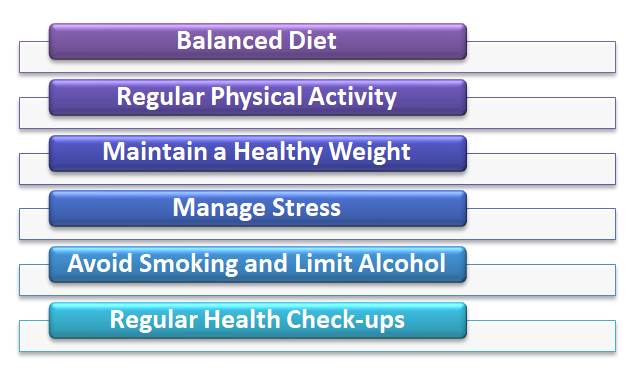
    1. Balanced Diet

    • Consume a lot of fruits and vegetables: They are full of minerals, vitamins, as well as fiber, which are good for the health of your heart.
    • Choose Whole Grains: Look for whole grains such as brown rice bread, whole wheat bread and oats. These contain essential nutrients and fiber.
    • Reduce trans and saturated fats: Reduce consumption of butter, red meat and processed foods rich in unhealthy fats.
    • Healthy fats are essential: Include healthy fats such as avocados, olive oil, seeds, and nuts in moderate amounts.

    2. Regular Physical Activity

    • Try to get at least 150 minutes per week: Exercise regularly to improve your heart health, including moderate intensity aerobic activities such as brisk swimming, walking or cycling.
    • Strength Training: Include resistance training exercises at least twice per week to increase muscle strength and improve your heart health.
    • Be active all day long: You should take breaks and get moving if you are working at an office job. Also, make use of stairs instead.

    3. Maintain a Healthy Weight

    • Determine your BMI: Body Mass Index (BMI) can help determine whether you’re in an appropriate weight range.
    • Portion Control: Be aware of the portion sizes and try to avoid eating too much, particularly high-calorie food items.
    • Consult a Dietitian if needed: If you require a dietitian, consult a dietitian. Ask a professional for advice on specific weight management strategies.

    4. Manage Stress

    • Practice Relaxation Techniques: Engaging in relaxation techniques such as deep breathing or meditation, yoga or other activities can help lower stress levels.
    • Prioritize Sleep: Ensure you get at least 7-9 hours of restful sleep each night to replenish your mind and body.
    • Find Support: Talk with family members, friends or a therapist when stress is excessive.

    5. Avoid Smoking and Limit Alcohol

    • Quit smoking: Smoking can damage the blood vessels and heart. Get help from your healthcare provider or programs to quit smoking.
    • Moderate Drinking Limits Alcohol: just one drink a day for women, and two drinks a day for men.

    6. Regular Health Check-ups

    • Monitoring Blood Pressure: A high blood pressure (hypertension) is a significant threat to heart health. Make sure you check it often and be sure to follow the medical guidelines.
    • Examine Cholesterol levels: The presence of cholesterol in the blood increases the likelihood of plaque accumulation in the arteries. Regular blood tests are a good way to detect and treat cholesterol levels.
    • Check to check for Diabetes: Diabetes increases the risk of developing heart disease. Regular blood sugar tests and monitoring are vital.

    Heart-Healthy Tips for Everyday Life

    1. Plan Heart-Healthy Meals

    • Create Balanced Plates: Fill half of your plate with veggies A quarter of your plate should be filled with lean protein (fish chicken, fish and beans) and the remaining quarter that is made up of whole grains.
    • Limit salt: Use spices and herbs instead of salt to flavor your food and select low sodium options whenever they are you can.
    • Healthy Snacking: Pick fruits and vegetables, nuts or yogurt in place of snacks that are processed.

    2. Stay Hydrated

    • Drinking plenty of water: Drinking water helps to ensure that blood flow is maintained, which is essential to heart health.
    • Limit the consumption of sugary drinks: Stay clear of sweet sodas and juices as they can lead to weight gain and increase heart disease risk.

    3. Practice Mindful Eating

    • Eat slowly: Take in the food at a slow pace and allow your body to sense when you’re satisfied.
    • Be aware of your body’s signals: Pay attention to your body’s signs of fullness and hunger, instead of eating from habit or a desire to satisfy emotions.

    4. Exercise Regularly

    • Find activities you enjoy: Find activities you like and are able to remain with for the long run.
    • Set realistic goals: Begin by setting small goals. Gradually increase duration and intensity as you gain endurance.

    5. Prioritize Sleep

    • Create a routine for your sleep: You should go to bed and get up each day at a similar time every day to control the body’s clock internally.
    • Make a relaxing environment: Maintain your bedroom cool and dark to encourage restful sleep.

    Heart Health Across Different Age Groups

    1. Children and Adolescents:

    • Promote Active Play: Encouraging children to take part in outdoor activities, and to restrict the amount of time they spend on screens.
    • Healthy Eating Habits: Serve diverse, nutritious food options and include children in the preparation of meals.

    2. Adults:

    • Keep Healthy Habits in Mind: Always prioritize regular physical exercise as well as balanced nutrition and managing stress.
    • Be informed: Stay up to date on regular health screenings as well as preventive treatment advised for your age group.

    3. Older Adults:

    • Be Active: Engage in activities that help maintain strength as well as balance and flexibility in order to minimize the risk of falling and to maintain your independence.
    • Attention to Nutritional Needs: Pay particular attention to your nutritional needs and modify eating habits when changes in metabolism and health conditions occur.

    Conclusion

    In conclusion, maintaining heart health tips is within your reach with dedication to a heart-healthy lifestyle. Remember, small changes add up to significant benefits over time. Start today with these practical tips and empower yourself to enjoy a heart-healthy life for years to come.

    Taking care of your heart is not just about living longer, but living better. Your heart deserves the best care possible, so make it a priority in your life. By following these heart health tips, you can ensure that your heart stays strong and healthy, allowing you to enjoy all that life has to offer.

  • A Comprehensive Handbook for Mastering the Art of Swimming

    A Comprehensive Handbook for Mastering the Art of Swimming

    Swimming is not just a vital ability to have, it’s also a fun and fulfilling activity for youngsters and adults as well. No matter if this is your first time swimming in a pool, or if you’re looking to improve your skills, the procedure of learning to swim can provide you with numerous opportunities within the water. In order to be a good swimmer requires commitment to perseverance, patience and determination. If you follow these rules and tips you will be in the process of learning this ancient skill as well as opening up a whole different world of aquatic adventure.

    Remember the water is your friend: embrace it, respect it, and enjoy every step along your journey!

    Now let’s discuss a plan and approach to help make you a more confident and competent swimmer.

    1. Learn the Basics
    • Familiarize yourself with aquatic environments and discover ways to stay safe around and in the pool, such as kicking, floating and basic strokes with help from an instructor.
    • Surmount Fear: Conquer any anxieties you have about swimming by taking small steps to build confidence and trust within the pool environment. Start off in shallow water where you can feel the bottom, before gradually progressing deeper.
    • Start Slow: Before venturing into more advanced techniques, begin with basic exercises such as swimming on your back and playing with a kickboard to familiarize yourself with the waters.
    1. Learning the Techniques: Understanding the Foundations of Swimming 
    • Body Position: When entering the water, always ensure your body is upright in an erect position ensuring relaxed yet balanced balance throughout your strokes. Try floating on both front and back legs to gain proper body alignment.
    • Breathing: Practice breathing rhythmically by exhaling underwater and inhaling when your face has been lifted above water level. Coordinate your arm movements with breathing for maximum effectiveness and endurance.
    • Arm Strokes: Master the correct techniques for backstroke, front crawl, breaststroke and butterfly strokes while paying close attention to their fluidity and coordination. Break each stroke down into its component parts before practicing them together into full strokes.
    • Leg Kicks: Hone your leg movements to perform various strokes such as breaststroke kick, flutter kick and dolphin kick. Keep an eye on both intensity and rhythm of each kick to ensure they are propelled without creating drag on your legs.
    1. Tips for Enhancing Swimming Skills
    • Regular Practice: Set aside regular time for practicing to build strength, endurance and skill in swimming. Create specific goals for every practice session while tracking progress over time.
    • Get Feedback: Get feedback from instructors or experienced swimmers to identify areas for improvement and refine your technique. Take video footage of yourself swimming or use an underwater camera analysis tool to pinpoint technical flaws or areas requiring improvement.
    • Set Goals: Set realistic and attainable swimming-related goals that you can meet on your swimming journey, such as mastering new strokes, increasing lap times or reaching required distance. Break larger targets down into manageable steps for easier completion and to keep yourself focused and in the right mindset.
    • Safe Swimming: Make sure to swim only in areas equipped with lifeguards, never swim alone or beyond your level of ability, and practice water safety techniques such as treading water and floating. Also identify signs of distress among both yourself and other swimmers.
    1. Explore & Experiment with Varying Swimming Styles and Methods
    • With various swimming techniques comes the opportunity to determine the one that works best for you, like open-water aerobics or synchronized swimming to add variety and keep the aquatic experience exciting.
    • Swimming isn’t just for fitness: it’s also an enjoyable sport that allows you to release tension and unwind. Put yourself to the test with new drills and games or simply relax as you float effortlessly through the water.
    • Swimming with other people : Join a club, or meet with your friends to enjoy the pleasure in swimming, encourage each other and create bonds of friendship through swimming events as well as group workouts and social gatherings.
    • Be hydrated: Ensure you consume plenty of water prior to and after swimming in order to keep hydrated and replenishing any lost fluids from exercising. Avoid swimming with an empty stomach, to avoid cramps and discomfort. Also, be aware of temperature and sun conditions to avoid dehydration and overheating.

    It’s not just a means to get exercise It’s a way to experience something advantageous to the body and your mind and soul. If you’re embarking on your next swim adventure make sure you remember that it’s fine to start slow and move according to your own pace. Every breath, every stroke along with every turn will move your goal closer to the ability to master this essential life skill.

    Swimming offers a myriad of benefits, not just physical fitness. It helps develop perseverance, discipline and determination. It creates a sense of success and increases confidence in yourself. Furthermore swimming can be a life-saving ability that will give you confidence and preparedness, particularly in times of emergency.

    Be aware that swimming isn’t only a sport, it’s an ongoing journey of self-discovery and fitness. It’s also enjoyable. With the advice and methods that are outlined here, you’ll be well on the path to becoming a competent and confident swimmer. The road to success might be a challenge however the rewards are innumerable. Therefore, get out swimming, test yourself to the limit and revel in the thrilling feeling of swimming. 

    If you’re looking for an environment that will help you develop your swimming abilities, consider signing up with Ramagya Sports Academy, where experts and modern facilities are waiting to help you to make waves in the swimming world.

    “Swimming is not just a sport, it’s a life skill that opens doors to endless possibilities and adventures.”

  • Tennis and Fitness Trends

    Tennis and Fitness Trends

    How cross training can benefit your game

    In the world of lawn tennis there’s more involved in winning matches than just a few skilled strokes and a powerful serve. Fitness and health play vital roles to becoming a professional. One method to increase your game on the tennis court and improve general fitness is to do cross-training. 

    Let’s explore the basics of what cross-training is about, the reasons it’s so beneficial and how cross-training in places such as those at the Ramagya Sports Academy can take your game to a new level.

    Understanding Cross Training

    Cross training is mixing various kinds of activities and exercises in your workout routine. Instead of focusing solely on a single sport such as lawn tennis, cross training helps you diversify your activities. This can help you achieve an overall fitness level which is crucial for improving your game on the lawn tennis court.

    Why Play Lawn Tennis?

    Tennis is an excellent sport with a variety of reasons:

    • Full-body Exercise: Lawn tennis involves running, jumping or swinging the tennis racket which stimulates muscles throughout your body. It’s a great way for you to remain active and build muscle.
    • Improves Coordination and Agility: The speed of tennis can improve your reflexes, agility as well as hand eye coordination. These abilities aren’t just helpful on the court, but also in daily life.
    • Fun and Social: The sport of tennis is usually played with a group of friends or in tournaments, which makes it a game that is enjoyable to watch and play.
    • Increases Concentration and Focus: The sport of tennis requires an enlightened mind, quick decision-making and the ability to remain calm under stress. Engaging in regular tennis can help sharpen your mind and increase your focus.

    Change your Lawn Tennis game at Ramagya Sports Academy.

    The location is in Noida, Uttar Pradesh, India, Ramagya Sports Academy is known for its top facilities and programs for coaching, which include lawn tennis courts. 

    The reasons why it’s an excellent location to train in:

    • Our highly experienced and skilled lawn tennis coaches have a thorough knowledge about the sport. Each coach is closely involved with each player to provide the most efficient guidance and coaching to help them reach their full potential.
    • Here at Ramagya Sports Academy we focus on improving strokes, building solid fundamentals and improving strategies. The players can acquire the capabilities to perform well both in single and double games, with our coaches’ expertise and guidance.
    • Through our unique program for athletes we assist them in building endurance, avoid injury and improve endurance
    • We host regular tournaments and competitions to give players the chance to show their talents and abilities while also learning valuable match-day experiences. 
    • We believe that regular competitions and games can foster a sense of competition for players and make them mentally strong and prepared even under a storm of stress.

    The benefits of playing Lawn Tennis

    1. Physical Fitness

    Tennis is a rigorous sport which requires endurance of the cardiovascular system, strength, and flexibility. Regular practice helps increase your fitness levels overall which makes you fitter, stronger and more agile.

    1. Mental Sharpness

    Tennis is an activity that is mental as it is a physical game. It requires concentration, focus and rapid decision-making. Engaging in regular games can improve your mental agility, and keep you alert under stress.

    1. Social Interaction

    Tennis is played most often by two players (doubles) and one-on-one (singles) which makes it an ideal way to get social and make new friends. It promotes teamwork, communication and sportsmanship on the tennis courts. 

    1. Stress Relief

    Tennis, as well as other sports, is a great way to release endorphins – chemical compounds within the brain that increase mood and decrease stress. It’s a great method to relax and improve your mental wellbeing.

    1. Lifetime Sport

    In contrast to some sports that could become more demanding physically as you get older, tennis is an activity you can play all through your life. It’s easy to play and is affluent which makes it ideal for players of all age groups and fitness levels.

    How does cross training benefit lawn tennis players?

    Now, let’s discuss the ways that cross-training can benefit tennis players such as you:

    1. Injury Prevention

    Tennis requires repetitive motions like playing with your racket or running back and back and forth. Training with cross-training activities such as yoga, swimming, or strength training aids in balancing muscles and decreases the chance of injuries from overuse.

    1. Increased Power and Strength

    Power and strength are essential to create powerful shots and explosive moves when playing. Exercises that cross-train like lifting weights or Plyometrics (jump training) will aid in building muscle strength, and improve the speed of your movements and agility.

    1. Increased Cardiovascular Fitness

    Tennis matches are physically demanding, with short bursts of energy, that are followed by periods of rest. Training with cross-training activities such as cycling, running, or high intensity interval training (HIIT) will increase your cardiovascular endurance, which allows you to endure longer matches and perform at your highest level for prolonged periods.

    1. Greater flexibility and agility

    Flexibility and agility are crucial to make wide shots as well as moving around court swiftly. Cross-training with activities like yoga Pilates and agility exercises can increase your balance, flexibility and overall performance in the courts.

    1. Mental Refreshment

    Cross-training adds the variety of your workout that can reduce burning out and boredom. Activities like swimming, hiking or engaging in a different sport can provide mental stimulation and help you stay focused and focused during tennis practices and matches.

    Integrating Cross Training into Your Routine

    Here are some helpful ways to incorporate cross-training in your routine

    • Plan ahead: Plan cross-training sessions on days your tennis is not on, or during your workouts. This will ensure you have plenty of time to recover and relax.
    • Variation: Select an array of exercises that focus on various aspects of fitness, including endurance, strength and flexibility as well as agility. It keeps your workouts fresh and will maximize the benefit of the tennis you play.
    • Maintain consistency: It is essential to be consistent in getting the results you want. Make sure you cross train at least 3 times every week and gradually increase both the duration and intensity of your training as you improve your fitness.
    • Pay attention to your body’s response: Be aware of how your body reacts to different kinds of exercises. If you are feeling exhausted or swollen then take a break, or go for a more gentle exercise like swimming or stretching.

    Conclusion

    Cross-training isn’t just a trend, but is actually a proven way to improve the performance of your game. Through a variety of workouts and focusing on various aspects of your physical fitness and strength, you will be able to prevent injuries, build endurance and strength, increase your mental acuity, and eventually perform better on the court. No matter if you play in Ramagya Sports Academy and somewhere else, including cross training in your daily routine will allow you to grow stronger, faster and more resilient. 

    So, slip on the tennis shoes, pick up your racket, and begin the cross training process today. Your future success is waiting!

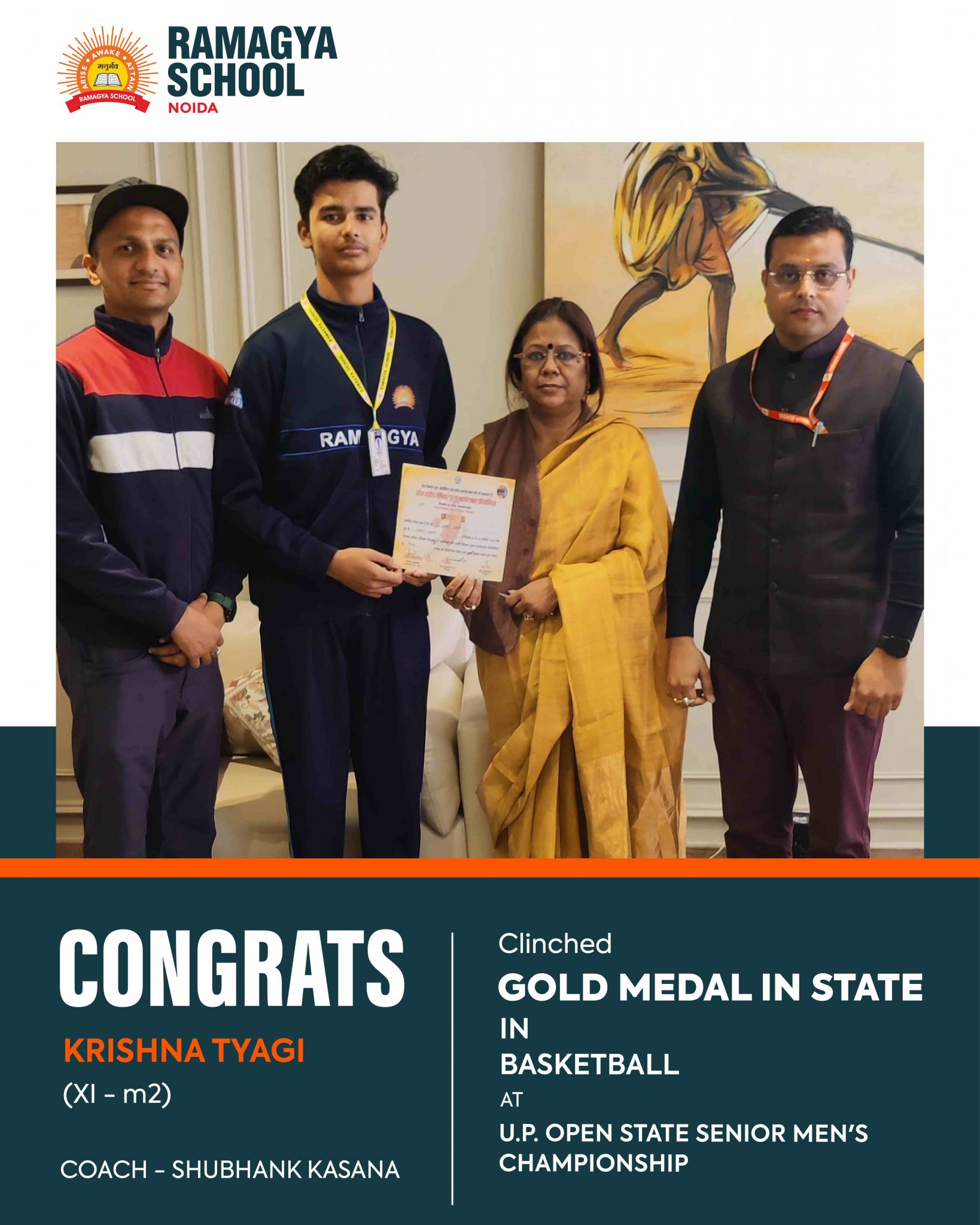
  • Krishna Tyagi Wins Gold at U.P. Open State Senior Men’s Championship for Basketball

    Krishna Tyagi Wins Gold at U.P. Open State Senior Men’s Championship for Basketball

    We are pleased to announce that Krishna Tyagi, a student of Class XI M2, has won the GOLD MEDAL at the U.P Senior State Basketball Championship. This prestigious achievement was secured at the U.P Open State Senior Men’s Championship, held at the Regional Sports Stadium in Gorakhpur, U.P.

    Krishna’s dedication, skill, and commitment to the sport have been truly commendable. His success is a reflection of not only his hard work but also the guidance and mentorship provided by Coach Shubhank Kasana.

    We extend our heartfelt congratulations to Krishna for this outstanding accomplishment. We are confident that this is just the beginning of many more achievements to come. Keep up the excellent work, Krishna, and continue to inspire others with your passion and perseverance!

  • What Causes Post Workout Muscle Soreness?

    What Causes Post Workout Muscle Soreness?

    What Causes Post Workout Muscle Soreness?

    What Causes Post Workout Muscle Soreness?

    If you’ve ever felt sore muscles after a gym session, you’re not alone! Many people experience delayed onset muscle soreness (DOMS) after a tough workout. But what causes this pain? Understanding muscle soreness can help you feel better faster and perform better in your next workout.

    What is Muscle Soreness?

    Muscle soreness refers to the discomfort that you feel in your muscles following exercising. It typically begins a few hours after exercising and lasts for up to a couple of days. The soreness is triggered when muscles are working harder than normal particularly when you are trying different exercises, or lifting higher weights.

    If you exercise, particularly in a new or challenging way, tiny tears develop in the muscle fibers. This is normal! The tiny tears are part of the way your muscles grow and strengthen over time.

    What is Delayed Onset Muscle Soreness (DOMS)?

    Delayed muscle soreness (DOMS) is the soreness that shows up between 12 and 48 hours after your exercise. As opposed to the pain associated with any injury, DOMS develops gradually and becomes more severe after a couple of days. You may notice a stiffness or tenderness in the muscles you worked during your exercise.

    DOMS occurs most often when you perform exercises that are not familiar to your body or which require eccentric movements. They are the exercises that cause your muscles to stretch when they are strained, for example, when you lower a dumbbell gradually when you do a bicep squat.

    Why Do Muscles Get Sore After the Gym?

    So, what is the reason for sore muscles after a workout? There are several causes for this:

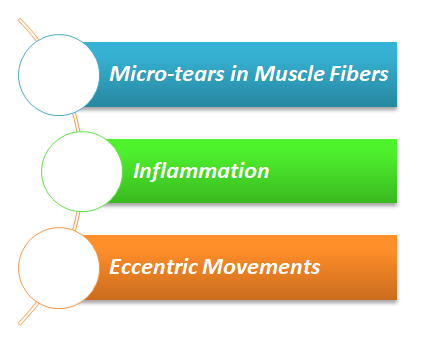
    1. Micro-tears in Muscle Fibers: If you exercise, particularly when you press your muscles harder than you normally do tiny tears will form within the muscles’ fibers. This is normal and a part of the procedure of constructing stronger muscles.
    2. Inflammation: Once the muscles tear up and your body is able to heal the tear. The process of healing results in inflammation, which may cause muscles to feel swollen.
    3. Eccentric Movements: If you exercise in a way that the muscles lengthen under tension (like dropping weights) it could cause more injury to your muscles’ fibers. This is why you could be a bit sore after doing exercises such as squats and lunges.

    How to Ease Post Workout Muscle Soreness

    Muscle soreness is frustrating, there are simple methods to ease it, and get better faster:

    1. Rest and Recover: Allow your muscles to heal by taking a break for a few days or even two. Resting doesn’t mean you aren’t able to move, but you should avoid intense exercises that put additional stress on your muscles.
    2. Moving and Stretching: Gentle stretching and exercises can help improve blood flow to muscles, and speed up recovery. Walking, yoga or swimming could be helpful in relieving discomfort.
    3. Massage or Foam Rolling: Massaging gently or using a foam roll on muscles that are sore will help them relax and relieve tension. Make sure not to apply too much pressure!
    4. Stay Hydrated: Drink plenty of water to help in the recovery of your muscles. Drinking water reduces inflammation as well as aids in repair.
    5. Over-the-Counter Pain Relief: In case, the soreness you feel is uncomfortable, you can take prescribed painkillers available over the counter to ease the pain.

    How to Prevent Muscle Soreness

    Although you cannot always prevent delayed-onset muscle soreness, there are some things it is possible to do to stop it from becoming painful.

    1. Warm-up and Cool Down: Make sure you warm up prior to your exercise to prepare your muscles. You can cool down following your workout to help them in their recovery.
    2. Start Slowly: If you’re trying new exercises or lifting heavier weights, ease into it. Gradually increase the intensity of your workouts to allow your muscles to adjust.
    3. Make Sure you take Rest: The importance of rest days is to recover. Do not push your muscles too hard every day, since this could result in more soreness and even injury.
    4. A Healthy Diet: Having well-balanced meals that are full of fats and proteins, and carbs can help with the growth of muscles and recoveries as well as reducing soreness.

    Conclusion

    Muscle soreness is a normal part of exercising, especially if you’ve pushed your muscles harder than usual. Delayed onset muscle soreness (DOMS) usually happens 12-48 hours after a workout, and while it can be uncomfortable, it’s a sign that your muscles are getting stronger. By understanding why you get sore, you can take steps to recover quickly and prevent excessive pain. So, next time you feel sore, remember it’s part of the process of getting fitter and stronger!

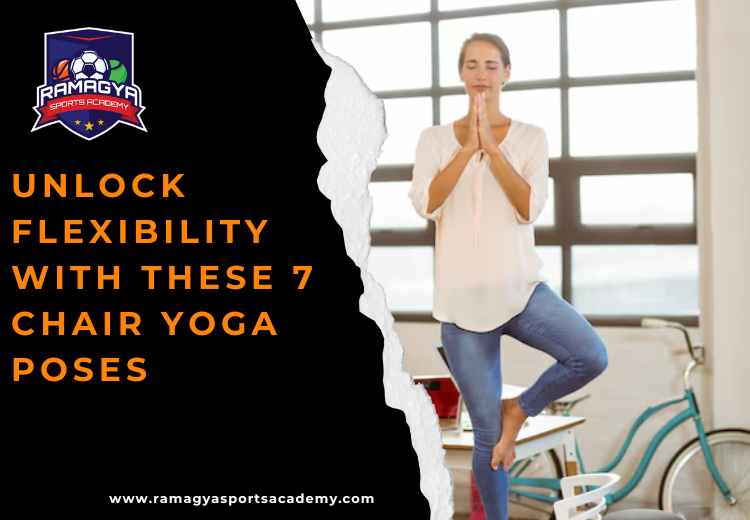
  • Unlock Flexibility with These 7 Chair Yoga Poses 

    Unlock Flexibility with These 7 Chair Yoga Poses 

    Unlock Flexibility with These 7 Chair Yoga Poses 

    Chair yoga is a simple way to do yoga while sitting on a chair or using it for support. It helps to improve flexibility, strength, and overall well-being without needing to lie on the floor. Chair yoga is perfect for seniors, people with limited mobility, or anyone who wants to enjoy yoga in a comfortable and easy way. In this blog, we will show you 7 easy chair yoga poses that can help you become more flexible and feel better.

    What is Chair Yoga?

    Chair Yoga is a kind of yoga practiced in a chair, or making use of the chair in order to assist in balancing. It’s possible to do the same poses as normal yoga, however, using the support of the chair can help you maintain the posture especially to older people. It’s an excellent method to increase flexibility as well as strength and relaxation, particularly for those who are elderly or find traditional yoga difficult. Chair yoga for seniors is easy and safe. It is also effective.

    Benefits of Chair Yoga

    Chair yoga is a great option for all ages, particularly older people. Here are some of the reasons you should take a seat in chair yoga:

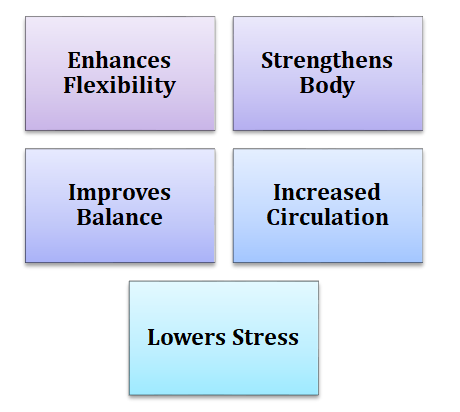
    • Enhances Flexibility: Chair yoga lets you get your body moving and stretch, enhancing flexibility with time.
    • Strengthens Body: The majority of yoga postures help to build muscles. This is crucial to remain healthy and active.
    • Improves Balance: By using chairs for support, you are able to safely perform poses to enhance your balance.
    • Increased Circulation: Yoga in the chair increases blood flow, which makes you feel more energized.
    • Lowers Stress: The stretches that are gentle and deep breathing during chair yoga will help you calm your mind and decrease stress.

    7 Chair Yoga Poses for Flexibility

    Here are seven easy chair yoga poses that aid in gaining flexibility. These yoga poses are easy to perform and are great for seniors or anyone who wants to increase their flexibility:

    1. Seated Mountain Pose (Tadasana) Sit up straight in your chair with your feet flat on the floor. Keep your shoulders relaxed and your hands resting on your thighs. Take a deep breath in and stretch your arms up over your head. Hold for a few seconds, then slowly lower your arms. This pose helps to improve posture and stretch the body.
    2. Seated Forward Bend (Paschimottanasana)
      Sit up straight and extend your legs in front of you. Slowly bend forward at the hips, reaching toward your toes. If you can’t reach your toes, just go as far as you can. This pose helps stretch the back and hamstrings, which improves flexibility.
    3. Seated Cat-Cow Stretch
      Sit on the chair with your feet flat on the floor. Place your hands on your knees. As you breathe in, arch your back and look up, opening your chest (this is the cow pose). As you breathe out, round your back and bring your chin to your chest (this is the cat pose). Repeat this cycle to stretch and release tension in the spine.
    4. Seated Twist (Ardha Matsyendrasana)
      Sit up straight and place your feet flat on the floor. Place your right hand on the back of the chair and your left hand on your right knee. Slowly twist your torso to the right, looking over your right shoulder. Hold for a few seconds, then repeat on the other side. This pose helps stretch the back and improve spinal flexibility.
    5. Seated Side Stretch
      Sit tall with your feet flat on the floor. Raise your right arm over your head and gently lean to the left side, stretching your right side. Hold for a few seconds and then switch to the other side. This stretch helps open up the sides of your body, improving flexibility.
    6. Seated Leg Extensions
      Sit up straight with your feet flat on the floor. Slowly extend your right leg straight out in front of you and hold for a few seconds. Lower your leg back down, and then repeat with your left leg. This pose helps strengthen the legs and improve flexibility in the knees and hips.
    7. Seated Forward Fold with Hands on Feet
      Sit on the chair with your feet flat on the floor. Slowly lean forward and try to touch your feet with your hands. If you can’t reach your feet, just go as far as you can without straining. This pose stretches the back, hamstrings, and hips, promoting better flexibility.

    Chair Yoga for Seniors

    Chair yoga for seniors is particularly beneficial for the elderly people to remain healthy and active without putting excessive stress upon their bodies. It can help improve flexibility, strength and balance, all of which are essential for maintaining freedom as we get older. The gentle postures of chair yoga are a great way to keep the body active and the mind calm. Seniors will benefit from chair yoga, increasing mobility, reducing stiffness and improving overall health.

    Conclusion

    Chair yoga is a wonderful way to improve flexibility, strength, and relaxation, especially for seniors. With the support of the chair, you can do these simple chair yoga poses to unlock greater flexibility and enjoy better health. Whether you’re looking to reduce stress, improve your balance, or just stay active, chair yoga is a great way to get started. Try these 7 chair yoga poses today and feel the difference!

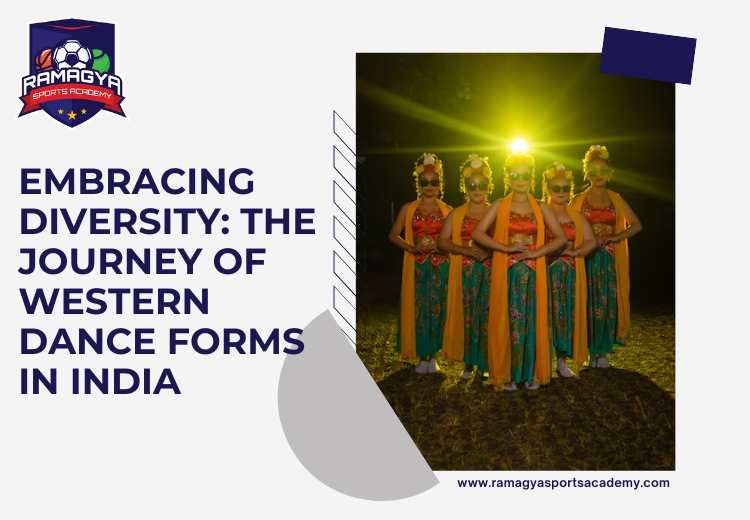
  • Embracing Diversity: The Journey of Western Dance Forms in India

    Embracing Diversity: The Journey of Western Dance Forms in India

    Embracing Diversity: The Journey of Western Dance Forms in India

    The diverse customs that make up Indian culture are dynamic and add unique colors to the country’s rich culture. Western dance forms have woven themselves vibrantly into Indian society amidst all the different cultural influences they have experienced. From the lively avenues in Mumbai to the peaceful areas of Kerala, the patterns and rhythms associated with Western dances resonate with Indians of different age groups and ethnic backgrounds. This fusion of cultures reflects India’s willingness to embrace many different artistic styles and the nation’s ethos of unity and diversity. 

    This blog will explore the fascinating journey of Western dance in India and trace their development, impact, and popularity.

    1. Salsa:

    Salsa is a fiery dance form that, thanks to its striking rhythms and sensual dance moves, has taken the Indian dance scene to the top of its game. With roots in the streets of Latin America, this vibrant dance has been a hit with dancers and lovers throughout the world, even in the middle of India. Salsa is a popular dance style for dancers of all ages and backgrounds because of its captivating intensity and passionate performances.

    In India, the popularity of salsa clubs and festivals is rising as more people rush there to groove to the lively music and thrilling dance moves. In small towns and diverse major cities like Mumbai and Delhi, a passionate community of dancers has grown owing to the salsa genre, who gather together to dance, socialize, and enjoy life’s blessings.

    One primary reason for salsa’s popularity in India is its universal appeal. Anyone can learn and appreciate salsa regardless of age and level. Salsa provides a warm and open environment that enables people to express themselves via dance, regardless of expertise level or inexperience.

    Furthermore, salsa’s fusion of various dance forms and cultures is appropriate for India’s diverse and multicultural society. It is an avenue to connect people from various backgrounds, creating connections and allowing the exchange of cultures.

    1. Hip Hop:

    Hip-hop, which originated in the crowded streets of New York City, has spread throughout the world and left a lasting impression on the Indian dance scene. Hip-hop’s vibrant movements, skillful footwork, and captivating storytelling have captivated audiences and artists worldwide.

    Hip-hop dance in India has gone beyond its origins, ending up becoming a vital and essential aspect of the city’s youth. These days, hip-hop groups and dance contests are continuously popping up, showcasing the potential and talent of India’s up-and-coming dancers. EvenFrom the bustling roads that line Mumbai’s Dharavi to the trendy neighborhoods in Delhi and Bangalore 

    What makes hip-hop distinct is its focus on individuality and self-expression. Through freestyle and improvisational dance, performers express their feelings in powerful and compelling narratives that resonate with the audience. The freedom to express makes hip hop an effective tool for engaging in social dialogue and activism that address issues from social justice to identity and empowerment.

    Moreover, music videos, movies, and TV series have allowed hip-hop’s infectious enthusiasm and upbeat sounds to spread throughout popular society outside of underground clubs and dance studios. Hip-hop influences can be heard and seen in India’s entertainment industry, ranging from Bollywood to the expanding independent music scene.

    1. Contemporary Dance:

    The fluidity, creativity, and expressiveness of contemporary dance have made it a major force in India’s dance setting. All the dancers have their own thought-provoking stories which they portray through dance. Modern dance, which was first made popular in the West as an alternative to classical ballet, has found a receptive audience in India thanks to the country’s lively and diverse cultural milieu.

    The emphasis on exploration and freedom of expression that characterizes contemporary dance sets it apart. Dancers are urged to explore the possibilities of their bodies and the boundaries of movement, which produces visually stunning and profoundly fulfilling performances. Indian contemporary dancers use the genre as a platform to reflect on the human condition, explore their identities, and talk about modern societal issues.

    India’s expanding dance academies, where new dancers study under the guidance of accomplished teachers and choreographers, are another place where contemporary dance finds a following. Worldwide, contemporary dance events, including seminars, festivals, and performances, give dancers a stage to share their art and connect with like-minded people.

    Furthermore, the mix of dance styles and cultural influences connects to India’s multicultural society. It is a bridge between people from different backgrounds, encouraging cultural understanding and appreciation.

    1. Ballet: 

    Ballet, which is known for its grace, dexterity, and timeless beauty, has captured the attention of spectators all over the world and developed a devoted following in the Indian dance community. It started in the Italian Renaissance court and later spread to the royal courts of France and Russia. Beyond its European roots, ballet is now a widely esteemed art form in India.

    Ballet has been more and more popular in India in recent years as more and more dance fans learn its exquisite dancing skills and traditional methods. Around the country, ballet studios and schools have started up, offering dancers of all ability levels the chance to learn the complex dance techniques of this old art form from qualified instructors.

    Ballet is unique in that it emphasizes strength, poise, and discipline. The dancers receive strength and flexibility training to enable them to perform intricate footwork, jumps, and spins with grace and accuracy. Ballet performances in India showcase the talent and dedication of dancers who have trained and practiced for many years to perfect their skills.

    Furthermore, ballet’s universal appeal transcends the boundaries of cultures and makes it a cherished art form enjoyed by audiences from all backgrounds and ages. From classical ballets like Swan Lake and The Nutcracker to modern interpretations of classical ballets, dance performances in India attract audiences with their beauty and artistic flair.

    1. Tap Dance: 

    Tap dance, with its fascinating rhythms and active footwork, has become more popular in India’s dance scene. It has drawn audiences’ attention with its energetic performance and exciting choreography. The roots of tap dance are within African American communities in the United States during the 19th century. Tap dancing has grown into a worldwide acknowledged art form, gaining its own loyal audience among Indian dancers and fans.

    What makes tap dance distinct is its distinctive mix of percussive movement and syncopated beats, which are produced through the hitting of metal taps placed in the soles of specially designed shoes. In India, the dance of tap is now gaining prominence in performances on stage, dance competitions, and popular culture, as dancers incorporate tap elements into their routines to create excitement and flair.

    The popularity of tap dance in India is due to its universal appeal and flexibility. When performed in duos or in larger groups, tap dance displays the creativity and skill of dancers who effortlessly blend intricate footwork and musicality with expression.

    Additionally, tap dance’s fusion of various genres and cultural influences is a wonderful match for India’s dynamic and diverse culture. Indian dancers provide a unique blend of innovation and tradition to their performances, showcasing anything from Bollywood-inspired routines to contemporary takes on classic tap melodies.

    Conclusion:

    There are many other western dance forms in India apart from the ones mentioned above. Combining old Indian heritage with Western dance techniques is an illustration of India’s adaptability and flexibility as the country continues to grow and accept the world stage. Within the framework of these cross-cultural interactions, Western dance forms have become more than just a part of India’s diverse cultural heritage. They bring people together via the use of a common dance language, symbolizing the peaceful fusion of traditional and modern East and West. 

    Let’s celebrate the vibrant dances that beautify our nation in honor of this mix of cultures and keep fostering the spirit of creativity, expression, unity, and expression that lies at the heart of India’s rich cultural legacy. India continues to weave its story of diversity, strength, and energy through the tempos and movements of Western dance genres. Generations are inspired by India’s boundless inventiveness and unwavering sense of unity and diversity.

  • Fitness Tips! How to Transform Your Workout Routine?

    Fitness Tips! How to Transform Your Workout Routine?

    Fitness Tips! How to Transform Your Workout Routine?

    If you’re working hard at the gym but not seeing the results you want, it might be time to change things up. Whether you want to get stronger, lose weight, or just feel healthier, there are simple ways to improve your workout routine. 
    In this blog, we’ll talk about easy fitness tips, workout motivation, and even why gym clothes matter in helping you get better results.

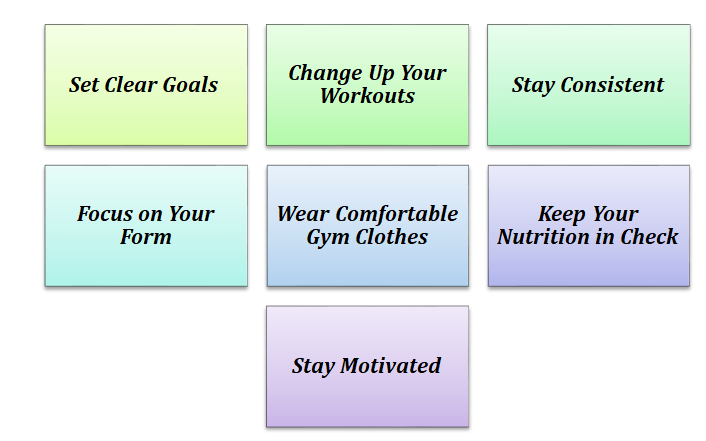
    1. Set Clear Goals for Your Workout Routine

    One of the most effective methods to begin improving your fitness is to set specific goals. Without goals, it’s tough to tell whether you’re improving. Be clear on what you would like to accomplish. Are you looking to lose weight, build muscle or increase your stamina? Whatever the reason, make your goals clear and precise.

    Fitness tips to help set goals:

    • Write your goals down so you can remember them.
    • Break big goals into small, easy steps.
    • Check your progress regularly to stay motivated.

    Setting a goal clearly can help you remain focused and will increase the effectiveness of your workout.

    1. Change Up Your Workouts

    If you do the same exercise routine every day it could become boring and slow your improvement. For better results, you must change your workout routine. You can try different kinds of exercises. For example, you could switch between exercises that involve weights, cardio or yoga in order to keep you active and your workouts varied.

    Tips for fitness to alter your routine

    • Do a new workout each week to keep things fun.
    • Mix it up to target various muscles.
    • Include outside activities such as cycling or running.

    Changing your routines can stop your body from becoming used to the same exercises and can help you achieve more.

    1. Stay Consistent

    Consistency is essential to get more results from your exercise. It is essential to stick to your schedule and exercise frequently. It’s not necessary to be at the gym each day, however, try working at least 3-4 times per week. Being consistent will help you gain strength, shed weight, and boost general fitness.

    Motivation to exercise:

    • Plan your workouts ahead so that you don’t forget them.
    • Make reminders in your smartphone to keep you on the right track.
    • Find an exercise partner to make exercising more enjoyable.

    If you’re consistent, you’ll see improvements over time, and find yourself more motivated to work harder.

    1. Focus on Your Form

    The most important exercise tips you can follow is to be aware of your posture while working out. By using the correct form, you can avoid injuries and help make your workouts more efficient. For example, when you’re doing the squats or lifting weights, make sure that you’re using the proper posture and technique.

    Form and ​fitness tips:

    • Start with lighter weights, or more simple exercises to perfect your technique.
    • If you’re not sure about your posture, ask your trainer for help.
    • Make sure you are focusing on controlled movements rather than trying to do exercises in a hurry.

    A good form can help you make the most of your workout, and also ensures your safety.

    1. Wear Comfortable Gym Clothes

    You may not realize it, but the clothes you wear to the gym can impact the intensity of your workout. If you are wearing well-fitting, comfortable gym attire you are more comfortable and are able to move around freely. Uncomfortable or tight clothing restricts the range of motion you can exercise in and make it more difficult to work out properly.

    Fitness tips for fitness clothing:

    • Dress in clothes that are comfortable and let you move freely.
    • Select fabrics that can absorb sweat, ensuring you’re dry during your exercise.
    • Get good gym shoes to help support your feet.

    Dressing in the appropriate gym clothes will make you feel more comfortable and boost your performance, which can lead to greater performance.

    1. Keep Your Nutrition in Check

    Food choices are just as important as any exercise you engage in. The right food choices give you the energy to work out and help your body in recovering afterwards. Make sure you are eating a balanced diet that includes plenty of proteins, vegetables, and whole grain to fuel your body.

    Nutrition ​fitness tips

    • Take a bite of food prior to your exercise session to replenish your body.
    • Drink plenty of fluids to keep hydrated while exercising.
    • Take a protein-rich snack after your workout in order to help your muscles recover.

    If you are eating right and properly, your body will have the energy needed to function well and recuperate quickly.

    1. Stay Motivated

    It can be difficult to stay motivated however, it is important to continue. There will be times you’re feeling tired or lazy. Overcoming these times will help you get more results in the long term. Make sure you keep your energy up and keep your mind focused. Workout motivation is very necessary.

    Motivation ​fitness tips for working out:

    • Set goals for the short term to keep you focused.
    • Recognize yourself when you reach certain milestones, for example, the week you spent working out.
    • Take advantage of the latest music or podcasts to keep you energized.

    If you’re driven you’ll be more likely to stick to your workout schedule and meet those fitness objectives.

    Conclusion

    Transforming your workout routine doesn’t have to be difficult. By mixing up your exercises, setting small goals, staying consistent, and wearing the right gym clothes, you can see better results in no time. Remember to stay motivated, keep challenging yourself, and take care of your body with proper nutrition and hydration. The more you focus on improving each part of your workout routine, the better your results will be.