Discovering the Depths: A Comprehensive Guide to Swimming Facts
Swimming isn’t only a game, but an essential life saving skill and an excellent method to keep healthy. It doesn’t matter if you’re in the pool or competing in a competition, it has many advantages to both your physical and mental wellbeing. Let’s explore the realm of swimming, focusing on its basics such as types, historical context and benefits as well as the swimming facts.
Some swimming facts are:
- Swimming is among the most loved activities across the globe. All abilities and ages can take pleasure in swimming for fitness, enjoyment and to relax.
- The human race has been swimming for a long time. Drawings and documents from the past show that swimming was a popular sport in ancient civilizations such as Egypt in addition to Greece.
- The breaststroke is the oldest recorded swimming stroke, depicted in ancient Egyptian hieroglyphics dating back over 4,000 years.
- Swimming has been part of the current Olympic Games since 1896. The athletes compete in a variety of swimming techniques, including breaststroke, backstroke, freestyle and butterfly, showing their speed and skills on the pool.
History of Swimming
- The Ancient Origins of Swimming: The practice of swimming has been practiced since the time of ancient civilizations, such as Egypt and Greece in which it was illustrated in art and was used for many purposes, including exercise and military training.
- Initial Records The oldest accounts of swimming goes back from the Stone Age, with evidence of cave paintings found in Egypt.
- Greco-Roman influence: In the past, in Greece and Rome swimming was not just an athletic pursuit, but also part of the religious ceremonies and even education. The Greeks had swimming competitions beginning in 776 BC like that of the Olympic Games.
- Middle Ages and Renaissance: Middle Ages, interest in swimming declined across Europe due to changes in culture and the lack of access to clean water. However, during the Renaissance period there was a revival of interest in swimming, especially in Italy and Italy, where it was viewed as an exercise and also as a form of art.
- Modern Age: Swimming returned to popularity in the 19th century particularly in England as people came to appreciate the health benefits of swimming and its recreational benefits. Swimming competitions were organized, which led to the creation of rules that were formalized along with the introduction of swim events at the first ever modern Olympic Games in 1896.
- Technology Advancements: Over time, advances in equipment, swimming techniques and design of pools have led to faster times and safer conditions for amateur swimmers as well as athletes.
Types of Swimming Strokes
Swimming is a variety of different strokes each with its specific technique and goal. This is a brief explanation of the primary strokes of swimming:
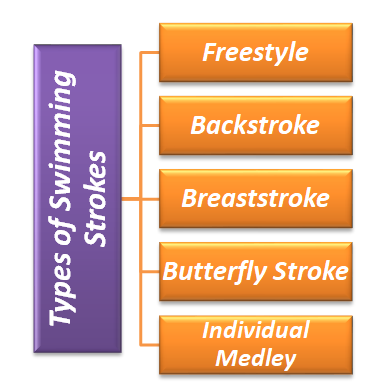
- Freestyle (Front Crawl):
Freestyle is the most efficient and popular technique used in competition swimming. The swimmers alternate arms using a whirlwind-like motion, while simultaneously kicking their legs with a flutter. Breathing is performed to the side as well as the stroke. renowned due to its swiftness and effectiveness in covering large distances. Its popularity makes it fall under the best swimming types.
- Backstroke:
Backstroke is the act of swimming backwards while changing your arms in a constant movement and kick with the Flutter kick. The swimmers breathe naturally over the water while the technique is admired because of its comfortable and relaxed position that allows swimmers to be aware of the direction they are heading. It is one of the swimming facts that this stroke has been here since people have started swimming.
- Breaststroke:
Breaststroke is distinguished by the simultaneous movement of both arms in a circular movement while doing the Frog-like kick. Swimmers breathe throughout every stroke, raising their heads off the water. It’s well-known for its sluggish, rapid pace, making it a favorite option for recreational and beginner swimmers.
- Butterfly Stroke:
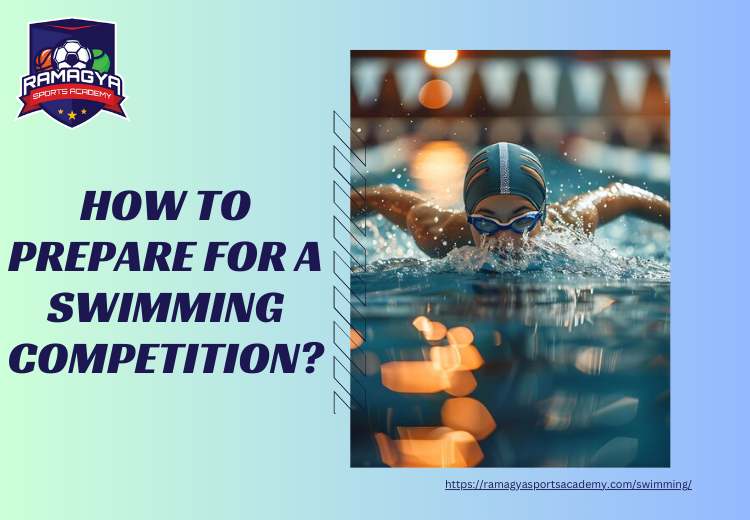
The butterfly stroke requires the arms to be moved in a circular overhead motion that resembles a butterfly’s wings while doing the powerful dolphin kick. Swimming swimmers breathe through lifting their heads above the water in every stroke. It is known for its difficult nature and requires considerable endurance and coordination. It is one of the best swimming types.
- Individual Medley (IM):
It is a form of swimming that IM is a mixture of the four strokes (butterfly backstroke, breaststroke and freestyle) performed in a certain sequence during the course. The sequence usually begins with butterfly, then backstroke, breaststroke, and then freestyle. It shows a swimmer’s flexibility in a variety of strokes and distances in competition swimming.
Advantages of swimming:
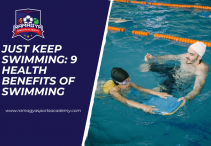
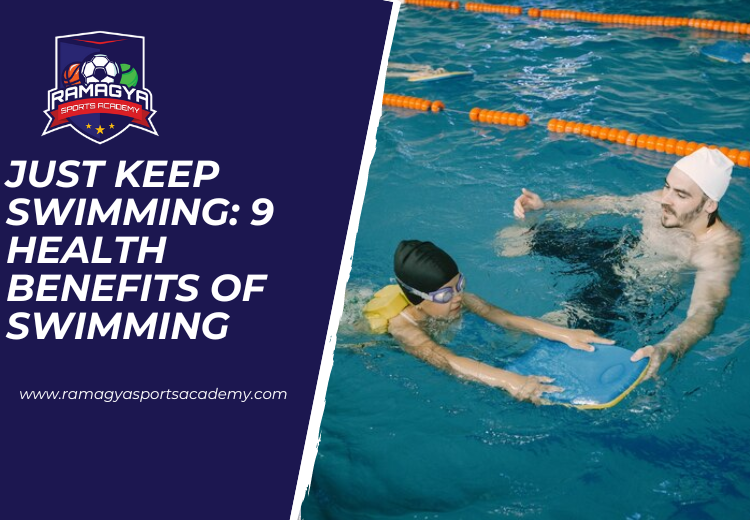
- Full-Body Workout: When we exercise, your muscles are getting a good exercise without straining joints. It keeps you strong and flexible.
- Cardiovascular Health: A swim can get the heart moving in a relaxing manner, increasing the health of your lungs and heart. It’s similar to providing your body with exercise.
- Calorie Burner: Swimming can burn off lots of calories as it requires the entire body. It’s an enjoyable method of keeping your weight under control.
- Stress Eliminator: The warm water’s hug can relax your mind and relieve stress. It’s like being able to escape from the stress of your day.
- Social Games: Whether you are swimming with your group of friends or form an organization, swimming is the perfect method to make new acquaintances and to have fun with them.
- Life Skills: Learning how to swim is crucial to ensure your safety in the water. It helps you feel confident in lakes, pools, and the ocean which makes it much easier to take pleasure in water sports without fear.
- Mental Energy Boost: The endorphins released by swimming release these feel-good chemicals within your brain. It can improve your mood and make you feel happier and energized.
If you’re swimming to have fun or competing during competitions, water can provide many advantages for both your mind and body as well as your social. Get in the water and discover the pleasure of swimming!
Ramagya Sports Academy- Best Swimming Classes in Noida
Have you ever wondered what it’s as if you could glide seamlessly over the water while mastering how to swim with confidence and ease?
Ramagya Sports Academy located in Noida provides much more than swimming lessons. We’re providing a transformational experience on the water. Imagine yourself on the deck of your pool with the hum of excitement, and inviting waters calling you to dive into. Our experienced instructors, with years in the field and zeal for teaching, are ready to help you through every step of the process.
From learning the elegant butterfly stroke to mastering the powerful freestyle classes, we cater to all levels and age groups. If you’re a parent wanting to teach your child vital water safety techniques or an adult looking to get fitter through swimming, Ramagya offers tailored programs to meet your requirements.
Connect with our vibrant and supportive community, where every splash takes you one step towards personal growth and accomplishment.
Conclusion:
In conclusion, swimming is an array of psychological well-being, as well as social interaction. When you’re learning how to swim to avoid injury or competing on an elite level the benefits are immense and numerous. Knowing the different strokes, their historical context and health benefits could increase your understanding of this enduring sport. So, get in and explore the water, and experience the joy of swimming!