
We are thrilled to celebrate the remarkable achievement of Mrs. Meenakshi, a dedicated member of Ramagya Sports Academy. She recently competed in the MT100 Solan, an ITF World Tennis Masters tournament, and proudly secured 2nd position! Her inspiring performance is a testament to her hard work and passion for the sport. Special thanks to Coach Vinod for his exceptional guidance and support. Congratulations, Mrs. Meenakshi, on this outstanding accomplishment, and we look forward to many more successes in the future!
Blog
-

Mrs. Meenakshi Secures 2nd Position at MT100 Solan Tennis Tournament!
-
Karate: 5 Reasons Why Enrolling Your Child
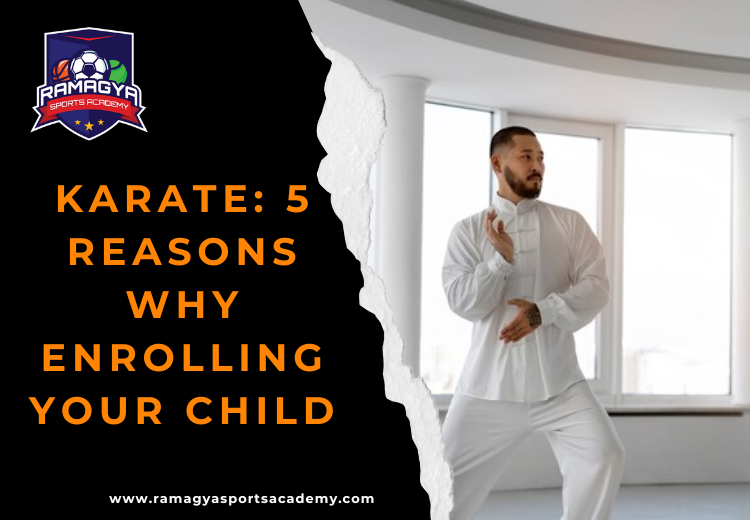
Choosing to teach your kids karate may turn out to be one of your best decisions ever. Beyond physical health and self-defense, karate has many other benefits, such as character development, confidence boosting, and teaching important basic skills.The advantages of karate for kids are given below:
- Increased Confidence and Self Esteem:
Karate can help kids build self-confidence. Kids learn how to achieve their goals in the sport – whether that means mastering techniques or earning advanced belts – all the while increasing their sense of achievement and increasing self-esteem and confidence levels. It is one of the best advantages of karate.
-
- Goal Setting and Achievement: In karate, progress is measured with a belt system. Children learn how to set goals for themselves as they strive for the next belt – an experience which they can transfer into academic studies or personal relationships.
- Positive Reinforcement: Karate instructors encourage children by giving positive reinforcement and feedback, helping them believe in themselves and developing a positive sense of themselves. In such an environment, children will form positive associations between themselves and Karate for kids training.
- Karate can help children face challenges: When they master difficult techniques and break boards, children become empowered. This experience often provides a much-needed boost of self-confidence and improves overall performance in school.
- Enhancing physical fitness and health:
Karate for kids can be an ideal way to keep your kids physically fit. It provides a full-body exercise which improves strength, flexibility, and endurance.
-
- Strength and Conditioning: Karate classes offer plenty of physical activity. From warm-ups, punches and kicks, and form practice to punches and kicks practice and form work, there is plenty happening during classes that helps strengthen both cardiovascular health and children’s physical strength.
- Flexibility and Coordination: Karate for kids training requires precise movements that require coordination to improve flexibility and motor skills, while regular practice can improve balance and posture.
- Healthy Habits: Engaging children in structured physical activities such as karate can help them form healthy habits early. Kids learn the value of regular exercise to create an overall healthier lifestyle as they age.
- Foster Discipline and Responsibilities:
Karate training emphasizes discipline and responsibility. Children learn to respect both their teachers and peers while taking excellent care in maintaining their equipment.
-
- Structure and Routine: Karate classes follow a structured routine designed to foster discipline and order among children. Children learn punctuality, correct uniform wear and respect for their dojo.
- Self-Discipline: Karate practice requires hard work and perseverance from its participants, teaching children self-discipline by helping them appreciate that progress comes only with consistent practice and effort.
- Responsibility: Karate helps children learn responsibility. From remembering to wear their gear for classes or practicing at home, karate teaches children the art of taking responsibility.
- Promotes Respect and Teamwork:
Karate is built upon the foundations of respect and teamwork. Children learn to respect themselves, their teachers and fellow classmates while working together and supporting one another.
-
- Mutual Respect: Karate fosters respect among its participants regardless of skill level or background. Children learn to bow before their instructors and each other as a sign of gratitude for sharing this training experience together.
- Team Spirit: Although karate may appear to be an individual sport, its participation can bring many team-oriented activities and exercises for children. Children learn how to support each other, work collaboratively on techniques shared between techniques, and build an overall sense of teamwork and community spirit through this activity.
- Solve Conflicts: Karate can help children learn to resolve conflicts peacefully, as it teaches them martial art isn’t about fighting, but about self-control.
- Self-Defense and Safety Awareness Skills:
Karate can provide numerous advantages, with self-defense being one of the main draws. Both parents and children should learn to defend themselves when necessary.
-
- Self-Defense: Karate can provide children with invaluable self-defense techniques that will equip them to defend themselves in case of an emergency situation, whether against bullies or any other dangers. These are indispensable abilities.
- Awareness and Prevention: Karate training emphasizes awareness and prevention. Children learn to remain vigilant of potential dangers around them in order to stay out of potentially hazardous situations.
- Confidence: Learning self-defense empowers children, building their sense of independence in emergency situations and making them less vulnerable to bullying or other dangers that target them. It is one of the most important advantages of karate for kids.
Conclusion:
There are numerous advantages to enrolling your child in karate that go well beyond the dojo. It’s an investment in their development as individuals, as well as in their physical and emotional wellbeing. Karate gives kids valuable life skills that will benefit them for the rest of their lives, from discipline and responsibility to confidence and self-esteem building. Karate is a decision you won’t regret making if you’re thinking about getting your child involved in an extracurricular activity.
Read our Article: 7 Benefits of Karate and Martial Arts for Kids
- Increased Confidence and Self Esteem:
-

Rabeeb Ali Khan Shines in AITA National Ranking Championship
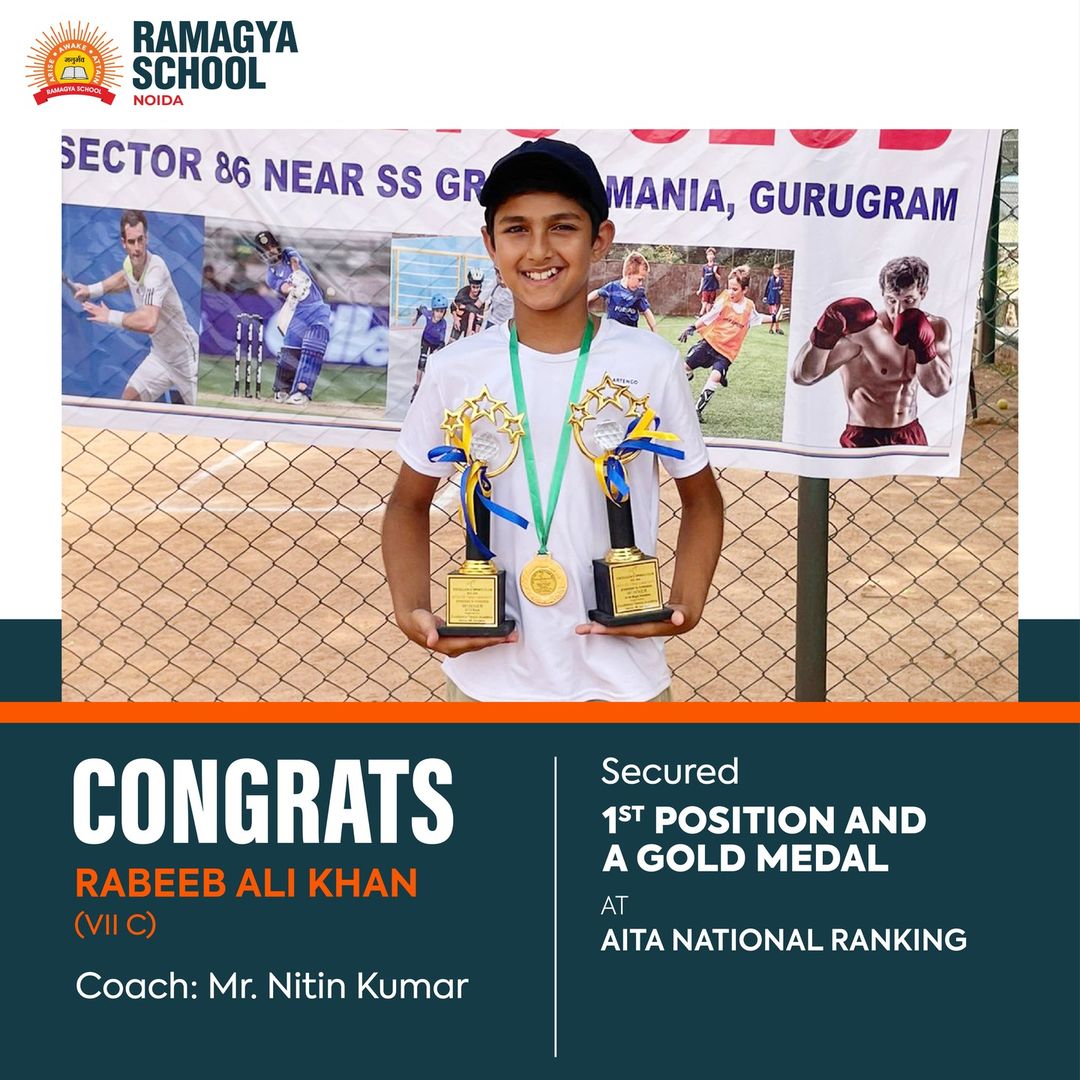
We are proud to announce that Rabeeb Ali Khan from Class 7C has secured the 1st position and won a Gold medal in the AITA National Ranking Lawn Tennis Championship. Competing in the U-12 Boys category for both singles and doubles, Rabeeb demonstrated outstanding skill and determination.
The championship, held at Excellence Sports Club, Sec. 86, Gurugram, took place from May 27 to 31, 2024. Under the expert guidance of Coach Nitin, Rabeeb’s hard work and dedication have truly paid off, earning him this prestigious honor. We are incredibly proud of his achievements and the excellence he has shown in the sport of lawn tennis.
Congratulations to Rabeeb and his coach on this remarkable accomplishment. We look forward to many more successes in the future.
-
Dance Class Etiquette: 10 Rules for Flawless Moves
Dance Class Etiquette: 10 Rules for Flawless Moves
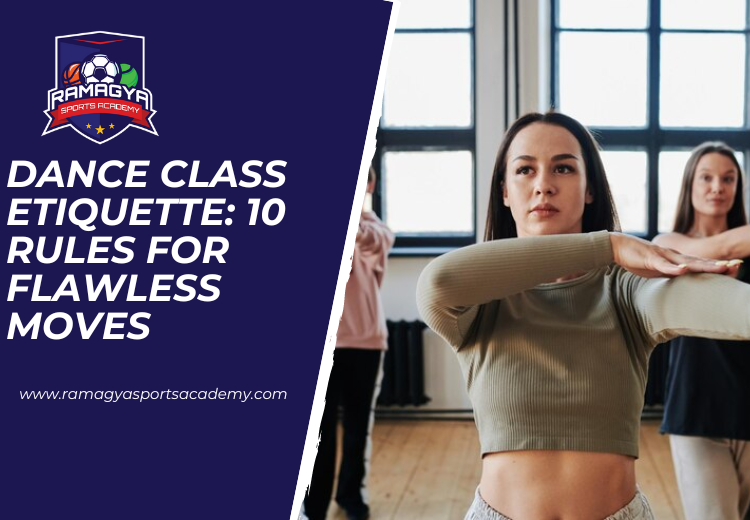
Entering a dance studio is like entering into another realm. Movement serves as both an art form and language in this setting. Stepping into a dance studio is like entering an oasis, where movement transcends as mere steps to express our souls. Dance class etiquette serves as the unspoken language to guide every dancer towards harmony and mutual respect on the dance floor, regardless of experience level or performance ability. To navigate it gracefully, dance etiquette must be upheld in all classes – regardless if you are an experienced dancer or taking your first steps into this arena. By adhering to these ten simple rules, the dancing floor remains an ocean of creativity, discipline, and joy for everyone involved:- Arrive Early: Being on time ensures a smoother start to class without interfering with warm-ups or choreography sessions. It also demonstrates respect for yourself, your fellow dancers, and your instructor. Being early to class not only guarantees that you won’t miss any important directions or explanations, but it also demonstrates your commitment to improving as a dancer. You show that you are committed to improving your abilities and that you are prepared to put in the necessary time and effort by being on time. By arriving on time, a positive atmosphere is set among class members that allows for learning while providing enjoyment as well.
- Arrange Yourself Properly for Class: Being well prepared for dance class can help maximize your learning experience and honor both the instructor’s and other dancers’ efforts. To ensure the best class experience, this means wearing appropriate dance attire that allows for free movement and adhering to any dress codes set forth by your studio. In addition, make sure that you have all the necessary dance shoes and accessories, along with water for staying hydrated during class.
Mental preparation is also vitally important. Arrive with an upbeat attitude, ready to fully engage in class activities and review previous material or choreography prior to classes to increase confidence and tackle new challenges with confidence. By arriving prepared, you demonstrate your dedication to making the most out of every moment spent in the studio, as well as contributing to an efficient and harmonious learning environment for everyone involved. - Listening to Your Instructor: Paying close attention to your instructor is integral to both your growth as a dancer and the success of your class as a whole. Paying attention to their guidance, corrections, and instructions ensures you understand the material being taught effectively and can execute it successfully. Make eye contact, nod in acknowledgement of understanding, and ask any necessary questions if clarification is required. Doing this demonstrates respect for their expertise and dedication to your growth as a student.
To avoid disruptions ensure maximum engagement with your instructor, avoid distractions by making eye contact, nodding in confirmation and asking any pertinent queries when necessary. Don’t forget that your instructor is there to assist in helping you reach your potential and progress, so trust their expertise and follow their direction with an open mind and willingness to learn. Listening carefully and taking their lead not only increases your dance etiquette capabilities but also fosters an enjoyable class environment where all can thrive. - Respect Your Space: Ensuring a safe and conducive learning and practicing environment requires being conscious of one’s movements and spatial awareness in the dance studio in order to avoid collisions or disruptions between dancers. This can include being aware of any movements made that might collide with those around them and becoming disruptive to other dancers. Always place your belongings in designated areas and don’t scatter them around the studio, which could create hazards and clutter.
Furthermore, be aware of your dance floor boundaries to prevent invading other dancers’ personal space. Respect any equipment or props provided by the studio by taking care to handle and return them after use. By showing consideration for both space and resources within it, you contribute to an atmosphere that encourages everyone involved to focus solely on training while enjoying every moment of their dance experience. - Stay Complimentary: Showing encouragement to fellow dancers is essential to creating an inspiring dance etiquette class environment. Show your classmates your support during performances or when they master difficult steps by cheering loudly for them and offering words of encouragement and constructive feedback when appropriate, appreciating their efforts and progress. Be mindful and attentive during partner or group exercises, cooperating with others and offering assistance when needed.
Avoid negative criticism or judgmental behavior, which may undermine confidence and disincentivize students from fully engaging with the class. Opt instead for teamwork and camaraderie by realizing the individual strengths of all dancers within your studio and being supportive of them all. Doing this creates a nurturing atmosphere where everyone feels valued, respected and encouraged to reach their full potential. - Stay Concentrated: Staying concentrated during dance class is crucial to optimizing the learning experience and making the most of your studio experience. Try not to become distracted by checking your phone, engaging in side conversations, or letting your mind wander. These can all be distracting distractions that diminish learning experiences and lengthen studio visits.
Instead, keep a tight focus on your instructor and the material being taught, taking in every nuance and detail of the choreography or technique taught. Attend classes attentively throughout, even during repetitive or review segments. There is always something new to learn or improve upon. Showing respect for your instructor, fellow dancers, and the art form demonstrates your etiquettes. Take each moment in class as an opportunity for growth and improvement by immersing yourself fully into dance practice – immerse yourself fully in movement’s joy! - Maintain Good Hygiene: Upholding good hygiene is not only necessary for personal comfort but is also an act of respect towards other dancers and the studio environment. Before attending dance class:
- Ensure that you are clean and fresh by showering or using deodorant.
- Bring along clean dance attire and bring a towel for wiping away sweat during breaks.
- Keep your dance shoes free from any unpleasant odors or perfumes, which could distract others or cause allergies in others. If you are feeling under the weather or suffering from a contagious illness, consider staying home to avoid spreading germs to others.
- Pay close attention to personal grooming habits like nail trimming and hair tying, as this will prevent injuries during class and reduce distractions.
By practicing good hygiene, you contribute to creating an inviting and clean studio atmosphere and allow everyone involved in dance etiquette practice to concentrate fully on enjoying themselves!
- Keep an open mind when receiving feedback: Incorporating feedback from both your instructor and peers as valuable opportunities to refine your technique and increase performance is integral to personal and artistic growth as a dancer. React appropriately when receiving feedback without becoming defensive or taking it personally, remembering that its purpose is to assist your growth. Be open-minded to suggestions for adjustments or corrections offered by others and ready to implement these into your practice.
Engage with feedback proactively by seeking clarification or guidance when necessary, as well as actively soliciting the opinion of others regarding areas in which improvement may be needed. By showing humility and an eagerness to learn from feedback, you will not only accelerate your dancer’s development faster, but you will also contribute to an environment of mutual support within the dance community. - Respect Personal Boundaries: Recognizing and respecting personal boundaries are an integral component of creating an atmosphere conducive to safe dance studio practice. Be mindful of other dancers’ personal space while staying away from invading it without their express permission. When doing dancing routines or exercises, take care to avoid making physical contact with others and always get permission before doing so.
You should be mindful of your peers’ emotional limits and avoid making improper or intrusive remarks about their personal lives, abilities, or attractiveness. Treat everyone with kindness, empathy, and respect in all of your encounters. Be nice, considerate, and courteous. Respecting your limits fosters a culture of trust among dance etiquette communities, which empowers all participants to express themselves fully via dance. - Make Sure You Enjoy Dancing: Above all else, remember to enjoy yourself while dancing! Dancing can be a joyful way of expressing movement and emotion, so take full advantage of all that dance offers by engaging fully with music, choreography, and fellow dancers while remaining positive and enthusiastic! Allow yourself to let go of inhibitions and self-doubt and fully immerse yourself in the joy of dancing. Don’t be embarrassed to laugh at yourself or make mistakes; that’s part of learning!
Be proud of every small triumph and milestone achieved, such as mastering an unfamiliar step or experiencing music through your body. Celebrate every small success and success. Attracting dance classes with an atmosphere of fun and playfulness not only increases your enjoyment but also contributes to creating a lively and joyful studio space. So let go of any inhibitions, express yourself freely, and dance from the heart!
Conclusion:
Etiquette in dance is more than just rules; it demonstrates respect for art, instructors and fellow dancers. By adhering to these ten simple guidelines, dancers contribute to creating an uplifting and supportive environment where everyone can flourish. Let us honor dance traditions by including etiquette as part of our practice, ensuring every class not only offers lessons in technique but also builds camaraderie and mutual esteem between dancers.
As we leave our dance studios behind us, let us remember the lessons of etiquette we learned there. May our dedication to dance class etiquette demonstrate our respect for the art form while building an inclusive community that upholds one another both on and off the dance floor.Read our Article: Art of Dance: The Universal Language of Expression
-
Stay Fit in this Winter: Expert Workout Tips for Cold Weather
Stay Fit in this Winter: Expert Workout Tips for Cold Weather
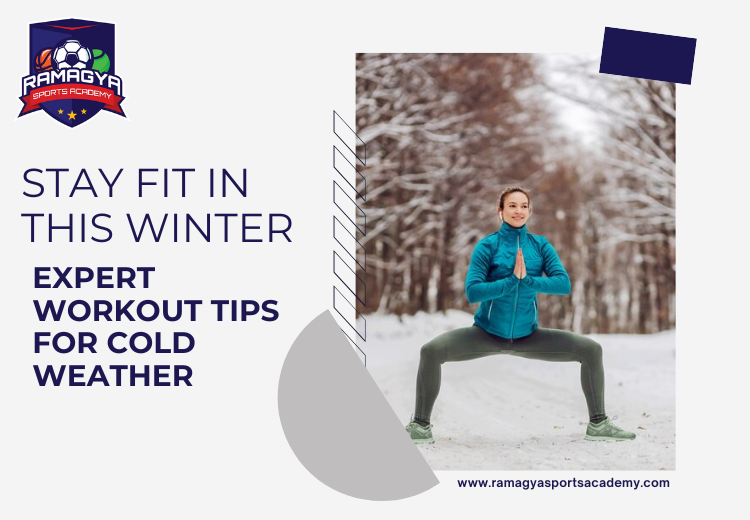
Being active in winter isn’t easy; however, it’s not difficult! Try indoor exercises like yoga or weight exercises that keep you moving even when it’s cold outside. Dance classes are a great way to pump your heart and increase your energy. Don’t forget household chores could count as exercising too!
If you’re a fan of the outdoors, you can try winter sports like skiing and snowshoeing. If it’s too cold to go out, online fitness classes are a great method to keep active at your home. Make sure you wear warm clothing and invest in the right winter clothing to remain comfortable and secure.How to do workout in winter?
With these guidelines, you will be able to keep your body active and well all through the winter:
- Embrace Indoor Workouts: If conditions outside are cold, indoor exercise is a delight! Turn your living room into your own personal gym by doing simple exercises such as jumping jacks, lunges, or squats.
No equipment? No problem! Bodyweight exercises such as push-ups or sit-ups can provide excellent workout in winter. Do you want to relax while you train? Do yoga class to relax and build your body. There are plenty of no-cost videos on the internet that will guide you through the exercises and make it easy to keep active even at the comfort of your home. By working out indoors you’ll be comfortable and active throughout winter! - Get Creative with Household Chores: You can turn mundane tasks into mini-workouts in your chores around the house! Dance to some tunes while you clean or vacuum. It’s a fantastic way to raise your heart rate and burn calories. By using an old dish towel to work your biceps or performing squats while loading the dishwasher, you can turn dishwashing into an arm workout.
Rearranging furniture or gardening are easy indoor hobbies that can help you keep active. The trick is to keep active and figure out ways to include fitness into your routine. Additionally, you’ll feel satisfied knowing that you’re not only cleaning your house and also getting your workout in winter as well. So, turn your favorite playlist on, take out a broom or sponge, and start moving! - Take a look at Winter Sports: The finest time of year to engage in outdoor sports like sledding, ice skating, snowboarding, and skiing is during the winter! These winter sports offer you a full body workout in addition to an activity. While snowboarding and skiing build leg muscles as you slide down the hills, ice skating tests your balance and coordination.
When you slide down a slope and then climb back up, your heart rate will quicken and your adrenaline will shoot through you. You may enjoy the breathtaking winter surroundings and quality time with loved ones and friends by participating in these sports. Don’t worry if you’re not an expert; there are many slopes that are suitable for beginners where you can practice and get better. - Take a Walk Indoors: Walking is an excellent low-impact workout in winter that can be completed inside your house or in the nearby indoor gym. Just slip on your shoes and begin walking through your living space or up and down the steps, or around the mall in case it’s secure and accessible. It’s also possible to consider walking while watching your favorite television program or listening to music.
Additionally, it’s ideal for getting in some exercise on those busy winter nights when out and about might not be possible. So, put on the walking boots and begin walking your way towards more fitness and better health, all in the convenience of your own at home. - Dance It Out: When winter blues begin to set in you, why not dance it out? Turn up the music and get loose with an indoor dance! Dancing is a great and effective method of staying active in the winter seasons. It’s an all-body workout that will get your heart pumping and muscles moving and your spirits up. It’s also a great method to reduce tension and boost your mood.
Put on the dancing boots and prepare to get rid of the winter blues with exciting and energetic dancing moves! You can turn up the volume and get ready for an evening of dancing within your home. Dancing can be a great and effective method to keep your heart rate going and burn calories while improving your mood. - Participate in a Virtual Fitness Class: Do not let the winter cold dampen your fitness plans when you can participate in the virtual fitness classes? Yoga to HIIT exercises there’s something to suit all on the internet. Just log on and follow the instructor and work out in the comfort of your home.
Virtual classes give you the convenience of incorporating into your schedule, and also the freedom to pick from a range of exercises. You can also connect to other participants via the internet to create a sense of belonging and motivation. - Consider investing in Winter Fitness Gear: Purchasing winter exercise equipment will have an important effect on your ability to stay active throughout the winter season. When working in winter outside, look for thermal jackets, able to absorb moisture tops, and leggings that will keep you warm and dry. Don’t forget to add caps, gloves, and ear warmers to protect against the chilly wind.
If you dress correctly, you’ll be able to tackle every winter training session with confidence that you’ll be prepared for any kind of weather. Therefore, make sure you invest in high-quality winter clothing and keep your workout routine going strong! - Create realistic goals: Begin by assessing your performance and pinpointing areas where you wish to work on. Next, you should set specific goals that are achievable and align with your capabilities and timetable. It doesn’t matter if you want to increase your daily steps or do a set amount of sessions per week, setting achievable goals helps you stay focused and continue to build momentum through the cold winter months.
Make sure you celebrate your accomplishments throughout the process and modify your goals as necessary to continue moving forward. With a strategy in place you’ll have the tools to remain active and fit all through winter! - Being hydrated and eating healthy: Even when you don’t feel dehydrated, consume a lot of fluids throughout the day to keep hydrated and perform at your best. Additionally, in order to provide your body the vital nutrients it needs to thrive, you should eat nutritious, well-balanced meals that include an abundance of fruits and vegetables along with lean proteins and entire grains. Processed foods and sugary snacks should be avoided as they might leave you feeling tired and low on energy.
Conclusion:
Being active in the winter months is not just feasible but it is also beneficial to your mental and physical well-being. When you incorporate these techniques into your routine, you will be fit and healthy throughout the winter months. It doesn’t matter if you prefer indoor exercises, outdoor sports or a mix of both, there’s many ways to stay active and motivated throughout winter.
Be sure to be aware of your body’s signals and set achievable goals and put hydration and nutrition first to get the most out of your winter exercise routines. If you are committed and persistent it is possible to remain active and be healthy all through winter!
- Embrace Indoor Workouts: If conditions outside are cold, indoor exercise is a delight! Turn your living room into your own personal gym by doing simple exercises such as jumping jacks, lunges, or squats.
-
Art of Dance: The Universal Language of Expression
Art of Dance: The Universal Language of Expression
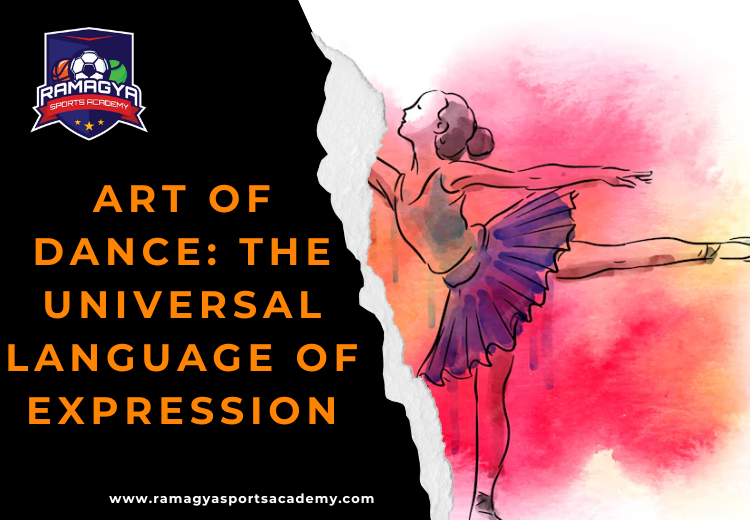
Dance, a timeless art form that is a part of all cultures, is fascinating due to its ability to create stories, and communicate emotions through dance. From ballet that is graceful to vivacious hip-hop, dancing speaks to all hearts. In this blog, we will look at how dance allows people to communicate with their inner selves.
The body language of dance art allows people to express their thoughts and emotions in a unique manner. Every dance move or step conveys a story, and helps dancers to share their stories with other dancers. It’s not only about glam but also an opportunity for people to release their feelings and feel more relaxed. Dance ar can help people feel relaxed at ease, relaxed, and confident and help them cope with the challenges of life.
Dance can also bring people together. If you dance art alone or with others, it gives the feeling of being part of a community and feeling of belonging. Let’s explore the dance world and see the ways it can impact lives.The Art of Self-Expression with Dance:
- The Expression of emotion: In the art of dancing, emotion is placed at the forefront, and is the essence of expression. Dancers express emotions such as sadness, joy as well as anger, love and sorrow in a way that is not uttering the word. From elegant twirls to explosive leaps, every move is an expression of emotions dancing, allowing dancers to communicate their most intimate feelings with the world. Dance is an effective form of self-expression.
- Moving to find your identity: The art of dance is a way to self-discovery, as people discover their uniqueness through movement. Every step, sway and gesture is a reflection of their own character and thoughts. Through dance, people show their true self, experimenting with various types of movements and styles until they discover what is a natural fit for their own personal style. It’s a process of self-discovery and empowerment, in which individuals find their authentic self and express themselves freely in the midst of a dancefloor.
- Liberation Through Motion: In the dance world there is a chance to be liberated by means of the movement. With every graceful sway and energy-filled leap, dancers are free from their limitations, and embrace the feeling of liberation and empowerment. Through dancing, people can let go of tensions and communicate in a way that is authentic, finding comfort and satisfaction in the tempo of movement. It’s an experience of freedom, in which the body is an expression of self, and dancers experience absolute freedom in the art of dance.
- Communicating without Speech: Dance speaks volumes without saying a word, giving a new method of communicating. With graceful motions, expressive gestures and emotional expressions, dancers communicate an array of emotions and tell stories. Without the need for words the dancers connect with their audiences at a higher degree by touching souls and hearts. In the dance world the words might not be there however the message is clear and crystal clear. Self-expression is a thing that knows no boundaries.
- The art of resiliency and empowerment: Dance is a symbol of the power of resilience and empowers, providing an opportunity for people to conquer challenges and build strength. Dancers demonstrate their inner strength and power by overcoming challenges with grace and perseverance. Every step is a testimony to their power and strength, as they tap into the transformational ability of dance to conquer challenges and surpass obstacles. When it comes to the art of dance, endurance and empowerment coexist to inspire dancers as well as viewers alike.
Dance Your Heart Out: How Ramagya Sports Academy Encourages Self-Expression
The dance classes at Ramagya Sports Academy are designed to encourage self-expression through dance. They provide a welcoming and positive environment where students can explore their individuality and creativity.
Here’s how:- Diverse dance styles: The academy provides an array of dance styles, such as hip-hop, ballet contemporary, hip-hop, and many more. Students can select the style that most resonates with them, allowing students to express themselves completely through movements.
- Professional Instruction: Highly skilled dancing instructors from Ramagya Sports Academy offer professional guidance and assistance to students, helping them to develop their technical abilities while encouraging self-expression. They create a welcoming and supportive environment where students are able to explore their creative side.
- Creative choreography:Dance classes in the academy usually provide the students taking part in choreography workshops. Students can work with their classmates and share their thoughts and feelings through choreography.
- Performance Opportunities: Regular recitals and performances allow students to show their talent before an audience. These performances don’t just help increase confidence, but they let students present their unique perspectives and experiences through dance.
- The emphasis is on individuality: Ramagya Sports Academy celebrates the individuality of every student. It encourages them to show their unique style and character with their dance. There isn’t a universal approach to dancing. Instead students are encouraged to express themselves in a unique and creative way.
Conclusion:
In the end, dance can be described as an art form that has a long history that transcends the boundaries of cultures and connects the world on a deep scale. In this process we’ve seen the power of dance to communicate emotions, create stories and help people grow personally. From the elegance of ballet to the energy of hip-hop, every dance form offers an unique opportunity to express oneself and be creative.
Beyond its superficial attraction, dance is an avenue to heal and release emotional stress. Through dance, people are able to find peace, relief and an underlying sense of power, allowing them to tackle life’s difficulties with grace and strength. Furthermore, dance helps to build connections and creates communities, bringing people through shared dance and expression. Let us keep celebrating the beautiful dance and celebrate its power to uplift, inspire and bring us together.Read our Article: 5 Convincing Reasons for Students to Join Dance School
-
Quick Guide: How to Start Martial Arts Training at Home
Quick Guide: How to Start Martial Arts Training at Home
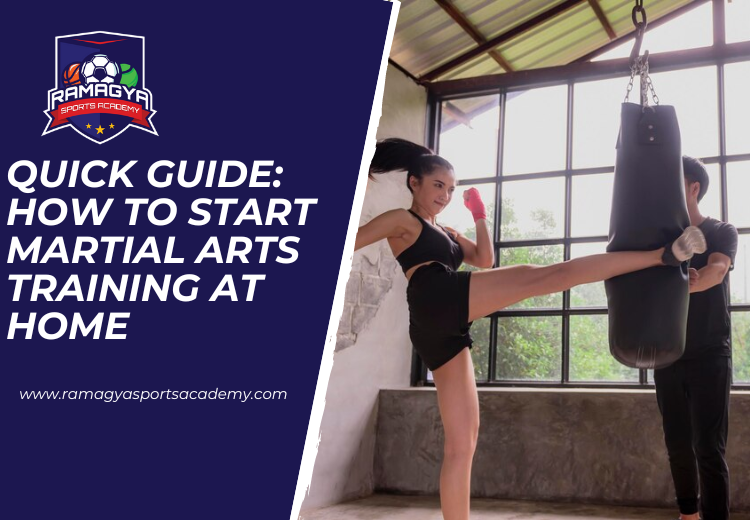
Beginning a martial arts training at home can be both thrilling and fulfilling. Home training has many physical, mental health and personal development benefits whether you are just beginning or an experienced practitioner. Be sure to learn all the fundamentals first before beginning training!
Martial arts comprises a range of styles and techniques. Take time to research various martial art disciplines like Karate, Taekwondo, Judo and Kung Fu and select one that aligns with your goals and interests. Traditional martial arts practice at home gives you flexibility in scheduling studies at your own pace; dedicated students with appropriate tools can begin their journey towards mastering martial arts and experiencing its mental and physical benefits firsthand.
We will discuss the following topics ahead:- Understanding Martial Arts: Before you begin training, it is essential to understand the basics of how to learn martial arts at home. Know the different styles, theories and fundamentals that underlie each discipline, including Karate, Taekwondo, Judo and Kung Fu.
One of the main elements of the martial art is its discipline. The practitioners are encouraged to develop discipline in their training and is applicable to all aspects of their lives. Martial arts also stress respect to oneself and other people. Respect for your instructors, training partners, instructors, as well as respect for the practice itself are essential to the practice of martial arts.
Furthermore, martial arts help to improve mental and physical fitness. Training sessions typically consist of an assortment of conditioning and strength exercise, stretching drills and specific techniques for the particular martial art. Regular training not only improves physical fitness[1], but also improves concentration, mental focus and skills for managing stress. - Setting Up Your Training Space:
- Clear the Space: Select an open and clutter-free space at home to train. Eliminate any obstructions or hazards that could hinder your movement.
- Be Safe: Ensure that the flooring is appropriate for training, to prevent injuries. You may want to consider mats or carpeted areas to absorb falls and lessen the impact.
- Gather Equipment: Based on the type of martial art, gather the required equipment, such as pads, punching bags as well as training dummies. If you’re performing unarmed exercises make sure you have plenty of space to move.
- Make a Positive Atmosphere: Make sure you set the right mood for your training with motivating music or putting up inspiring posters or inspirational quotes. An encouraging and positive environment will help you concentrate and drive.
- Reduce Distractions: Pick an area that is quiet and free of distractions like phones, televisions, or any other devices that are electronic. By removing distractions, you can completely concentrate on your learning and get the most out of your training sessions.
- Choosing a Style and Resources:
- Study martial Arts Styles: Examine various styles of martial arts to find one that fits with your goals, interests and physical capabilities. Think about factors such as the methods involved and the philosophy behind the art, and also its practicality for practice at home.
- Review Online Resources: Use online resources, such as tutorial videos, instructional videos or training courses to study and do martial arts at your own home. Find reliable sources that offer clear demonstrations and directions for beginner students.
- Consider investing in Basic Equipment: Based on the kind of martial art you pick, it is possible that you will require basic equipment, such as an instructional uniform and protective equipment (e.g. gloves, shin guards) and tools for training (e.g. punching bag and focus gloves). Begin with the essential equipment and then gradually increase your equipment as you advance.
- Get advice from experts: Get advice from skilled instructors or martial artists via online communities, forums or coaching sessions via virtual technology. Their experience and advice will help you improve your technique and improve through your martial arts training.
- Warm-Up and Stretching:
- The importance of warm-up: The importance is to make your body more prepared for physical exercise by increasing the flow of blood to muscles, increasing the body temperature and minimizing the chance of injury while exercising. It also improves flexibility, mobility, as well as overall performance.
- Basic Warm Up Exercises for Beginners: Start by doing moderate cardio exercises, such as walking in place, jogging, jumping at jacks or skipping rope for 5-10 minutes to increase your blood pressure and loosen your muscles. Utilize dynamic movements like legs swings, arm circles and torso twists to get your muscles warmed up. muscles.
- Stretching to improve flexibility: Following the warm-up, do an array of static and dynamic stretches to increase flexibility. Concentrate upon stretching out the muscle groups that are used in martial arts exercises that include the hips, legs shoulders, back, and arms. Keep each stretch for 15-30 seconds with no jumping and take a deep breath to let the stretch relax.
- Create a habit of warming up: Include a warm-up and stretching routine into each martial arts class to help prepare your body properly and reap the maximum benefits from your training. By ensuring you’re consistent in your stretching and warm-up will enhance your performance, avoid injuries, and have an improved training experience.
- Learning Basic Techniques:
- Explore and Choose Your Style: Start by studying various styles of it to determine which one is most appealing to you. Think about factors like your goals in fitness, the techniques you prefer to use in combat and resources available.
- Concentrate on the Fundamentals: Begin with the fundamentals that will form the basis of your chosen martial art. They could be stances as well as footwork, strikes blocks and kicks. Try each move slowly and carefully to master the mechanics and learn proper form.
- Break Down Techniques: Break every technique in smaller pieces and then practice them separately before making them complete moves. Be aware of the finer points like hand placement as well as weight distribution and timing to ensure precision and efficiency.
- Make use of repetition and visualization: Visualize yourself executing every technique correctly in your mind prior to performing it in the physical. Repetition is essential to master techniques in martial arts Therefore, you should schedule regular practice sessions to sharpen your abilities and strengthen muscle memory.
- Take notes: Take notes of your practice sessions, and go over them to find areas of improvement. If you can, seek feedback from instructors or experts to rectify your mistakes and enhance your skills.
- Solo Drills and Shadowboxing: Shadowboxing and solo drills are great ways to improve your martial arts education at home. Solo drills allow you to practice the techniques and movements with no partner, which allows you to concentrate on the form speed, coordination, and speed.
These drills could include practicing strikes and kicks, block feet, defensive techniques. Shadowboxing however involves reenacting fighting against an opponent that you have imagined. It allows you to test different strategies, practice timing and fluidity as well as develop strategies for defense and offense. Both shadowboxing and solo drills are great for developing technique, increasing endurance, and improving the overall skills of martial arts. - Consistency and Progression: Consistency and progression are the key aspects of how to learn martial arts at home. Continuously practicing your techniques as well as drills and exercises is vital to build muscles, developing techniques, and keeping the progress you’ve made in time. Create a schedule for training and adhere to it even if it’s to do a couple of minutes every day. It’s a way to build discipline and commitment that are the most important aspects of practicing martial arts.
Furthermore, progress is the gradual increase in intensity as well as the duration and difficulty of your workouts as you progress. Begin with simple techniques and drills, with a focus on gaining mastery of each move before progressing to more advanced abilities. Be proud of your accomplishments and milestones as you progress However, be mindful and realistic about your goals.
Conclusion:
In the end, beginning the process of how to learn martial arts at home can be an enjoyable experience that requires discipline, dedication, and perseverance. Following the guidelines in this article you will be able to establish the foundation of your practice and build it up with time. Be sure to start by establishing the basics. Create the right training environment, and pick a method that is compatible with your needs and goals. The importance of consistency and progress is and you must exercise regularly and strive to make progress gradually.
Keep yourself motivated, remain committed and strive to become yourself at your very best by pursuing martial arts at home.Read our Article: A Roadmap to Achieving Your 2024 Fitness Goals with Ramagya Sports Academy
Frequently Asked Questions
1Can I learn martial arts effectively at home?
Yes, with dedication and the necessary resources you can learn martial arts effectively at home.
2What equipment do I need to start?
Basic equipment includes a training mat, gloves and comfortable clothing – however certain disciplines may require additional gear as you advance.
3How do I stay motivated while training at home?
Establish clear goals, create a training schedule and join online classes or communities as a source of accountability and support.
4Is it safe to practice martial arts alone?
Make sure your training space is clear of obstacles, and consider seeking guidance from online instructors or offline mentors for any guidance needed during training sessions.
5How long does it take to see progress?
Progress varies with each individual; however, with regular practice you should begin seeing improvement in strength, flexibility and technique within weeks.
- Understanding Martial Arts: Before you begin training, it is essential to understand the basics of how to learn martial arts at home. Know the different styles, theories and fundamentals that underlie each discipline, including Karate, Taekwondo, Judo and Kung Fu.
-
Sculpt your body, ignite your spirit: Pilates workout for weight loss
Sculpt your body, ignite your spirit: Pilates workout for weight loss
 Hundred: The most well-known Pilates workout, The Hundred, is popular for its weight loss advantages. The aim of The Hundred is to lay the foundation to lose weight and improve overall health, not just burn calories. This Pilates exercise strengthens the core muscles in the deep, which offers stability and strength to the muscles that are outside. The precise movements of the Hundred strengthen your lower back muscles, the obliques, and abdominal muscles, forming an oblique and toned midsection that can support your body in different exercises.
In order to perform the Hundred exercise, you must lay on your back, with your arms at your side and your legs lowered to a tabletop posture. Your abs will be strengthened, and calories will be burnt by lifting your head, neck as well as shoulders from the mat. It would help if you remained in that posture while you worked your arms vigorously. The synchronized breathing technique that involves breathing deeply for five breaths with the nose and five deep breaths with the mouth, increases the flow of oxygen across the entire body. It encourages weight loss and aids in helping the body to burn off fat.
Regular practice of the Hundred improves cardiovascular health[1], endurance, as well as awareness of the body and strengthens the muscles of the core. By making the Hundred a regular exercise in your workout routine, you’ll not only enhance your physique but also cultivate a healthier relationship with exercise and your body.
- Roll-Up:
The Roll-Up works the entire body, working the muscles in the back, hips, and legs in addition to the core. You are actively trying to regulate how your spine articulates while you execute the movement, which calls for a strong activation of all the muscles in your body. Starting on your back, extend your legs and reach your arms overhead to begin the Roll-Up. Upon exhaling, pull your back off the mat by articulating your spine and activating your core. This will help you sit up straight. Breathe in as you extend your rounded spine forward toward your toes. Then, exhale as you controllably and slowly roll back down to your starting position.
In conclusion, it is clear that the Roll-Up is a multidimensional activity that engages the whole body, improves mindfulness, and reduces stress. Furthermore, the controlled breathing technique used during the roll-up can promote relaxation and reduce stress. This can be helpful for those struggling with stress-related eating or emotional weight gain. It’s more than an exercise to tone your abs.It provides the advantages of increased calorie burning as well as improved muscle tone, enhanced stability and balance, and overall feeling of wellbeing by incorporating this exercise regularly into your Pilates routine. These benefits are all linked to long-term health and effective weight loss.
- Pilates Push-Up: In the Pilates exercises Push-Up is one of the most active exercises with a variety of advantages for weight loss. It is a method to burn calories and tone muscles by focusing on the muscles of the upper as well as the core and lower body. The majority of people work their primary muscles during every Push-Up exercise, which boosts metabolism and boosts the amount of energy burned. This boosts the metabolic rate at rest and assists in burning off calories while exercising, which, in turn, aids in weight loss. Additionally, this exercise demands the highest level of control and stability, which requires coordination of various muscle groups. Improved neuromuscular communication and greater muscular strength are the outcomes of this coordination. This pilates workout for weight loss can also result in more efficient motion patterns.
Furthermore, Push-Up promotes alignment and posture. This enhances the physical appearance and reduces the chance of injury by doing other exercises. This means that individuals can take part in a wider variety of exercises and daily activities that will eventually lead to a healthier lifestyle, which can be beneficial to weight loss.
In the end, by exercising a variety of muscle groups, improving coordination and stability, and encouraging alignment, it offers an effective method to lose weight. When adding this exercise to your Pilates program, people will increase their endurance, strength, and overall physical fitness, as well as achieve their weight loss goals.
- Single Leg Circles:
Single-leg circles can be an excellent exercise to be added to your Pilates workout for weight loss that is focused on strengthening the hips, thighs, and core. As you lie in a reclined position, you’ll do this exercise with one leg extended towards the ceiling and the opposite leg firmly seated on the mat. It is common for people to use their extended legs to draw circles. This aids them in controlling their movement and strengthening their pelvis using abdominal muscles. Single-leg circles improve stability and balance and stability, which are required to complete other exercises. They also aid in strengthening the core. With your legs extended and your arms at the sides with your palms facing down to a flat and prone posture on the mat.
Push your lower back towards the mat, and pull your navel toward your spine, causing you to tighten your abdominal muscles. While maintaining a straight, strong leg, extend one leg toward the ceiling. The other limb remains fixed onto the mat. While you point your toes up while pointing your toes upwards, keep your leg slightly angled outward. Breathe in for a warm-up and let out as you begin moving your leg up in small circles, beginning at the hip joint. By using those muscles that support your spine to support your pelvis and prevent it from moving or shaking, keep a steady and controlled movement. Continue to circle this leg until you have completed it several times in one direction. Switch directions and turn around in a different direction. Maintain a steady and consistent breathing during the exercise, taking a deep breath and exhaling slowly.
Make sure you do 8-10 repetitions in the same directions for every leg. Including single Leg Circles in your Pilates routine to get the most results.
By focusing on the hips and thigh muscles by targeting the thigh and hip muscles, single Leg Circles help to strengthen and shape the lower part of the body, resulting in an energized and slimmer appearance. In the end, the inclusion of single Leg Circles into your Pilates routine will improve overall fitness, aid efforts to lose weight and help to build a slimmer and more muscular body.
- Swan Dive
Swan Dive is a dynamic Pilates exercise that targets several muscles simultaneously. This makes it an excellent addition to any Pilates program aimed at weight loss. When people lift their legs and upper body away from their mats and move their arms outward and upwards, they’re working their back muscles, their core, as well as glutes. Begin by lying down on a mat with your knees firmly together while your arms are extended over the top, with your palms facing downwards, to perform this Swan Dive Pilates exercise. When you are prepared to raise your arms, you will contract your abdominal muscles and lengthen your spine. Breathe deeply and let it out as you lift your legs, arms, and upper body off of the mat simultaneously.
Stay focused and keep your eyes up to keep the workout going and to avoid overarching the lower part of your body. Focus on opening your chest and extending your spine while you climb. Bring your legs up behind you, and then move your arms forward and up. Make sure to keep the elevated position, and then take a deep breath while slowly descending to your starting position. Concentrate on keeping your breathing steady and even throughout the entire exercise.
Swan Dive should be performed slowly and with care and with a focus on working your back as well as the glutes, core, and back during the workout. By consistently practicing this pilates workout for weight loss, individuals can experience comprehensive benefits for weight loss, fitness, and overall well being, fostering a strong, balanced body that supports a healthy lifestyle.Conclusion:
In the end, Pilates offers a diverse range of exercises that help you achieve your weight loss goals when incorporated into the routine of a fitness program. From the energizing moves of the Hundred to the full-body workout in the Pilates push-up to the benefits of sculpting that come from Single Leg Circles Each exercise targets various muscles while encouraging calorie burning and toning of muscles. Through incorporating the above Pilates routines in your training you will increase the rate of your metabolism, increase the size of your muscles, and increase the overall physique.
To get the maximum benefits to lose weight, it is essential to be consistent and committed. It is because consistent exercise allows you to gradually build your endurance, strength and flexibility. Pilates is also an option that is low-impact and suitable for individuals of any fitness level, which includes those who suffer from disabilities in mobility or have injuries. Before starting Pilates like any other fitness program, it’s essential to consult an experienced medical professional, especially when you are suffering from any medical conditions. Pilates is an effective method to build the body that is strong and balanced and mind, as in addition to achieving and maintaining a healthy weight using determination, perseverance and a positive mindset.Read our Article: A Roadmap to Achieving Your 2024 Fitness Goals with Ramagya Sports Academy
-

Transform Your Body: Dietitian-Approved Weight Loss Strategies
Transform Your Body: Dietitian-Approved Weight Loss Strategies
 Losing weight is a common goal for many people, but it can seem like a daunting task and it can be a bit complicated. Firstly, it’s essential to place a higher priority on long-term lifestyle adjustments than on restricted diet plans or temporary fixes. This refers to a diet high in fruits, vegetables, lean meats, whole grains, and other essential nutrients. Some of the most important elements of the best weight loss plans are mindful eating and portion control.
Exercise on a regular basis is essential to burning calories in addition to following a healthy diet. By consuming a balanced diet, it can improve general health and wellbeing. Aim for at least one hour a week of moderate-intensity activity, such as brisk walking, swimming, or cycling.
Don’t forget your importance in taking time for yourself and reducing stress. A healthy and restful sleep and utilizing stress-reducing methods like meditation or yoga and seeking assistance from family members and friends, or an expert in medicine can all assist you in achieving your goals.
Be aware it is a continual process, therefore it’s crucial for you to remain patient and kind towards yourself as you move through. You can achieve your weight loss goals and live a healthy and healthy life through putting in the work with determination and the appropriate level of assistance. The support you need is available by consulting the best dietitian weight loss.
Join Ramagya Sports Academy for Expert Weight Loss Guidance:
We at Ramagya Sports Academy, we recognize that nutrition plays a crucial role to help you achieve your targets you’d prefer to attain. We have the best dietitian in Noida, who helps our clients in achieving their weight loss goals they’ve established in a timely and sustainable way. Our best dietitian for weight loss in noida for weight loss works with each person to design a custom meal that is tailored to each person’s needs and preferences. Perhaps you are trying to lose weight, enhance your performance in sports or simply modify how you consume food. Our dietitians will be at your side each step of the way.
Our Academy provides a range of fitness programs and activities in addition to dietary advice to help you in reaching your goals. We offer group exercise programs as well as personalized training sessions to help you maintain concentration and direction. Enrolling in Ramagya Sports Academy isn’t just about losing weight. It’s about making an investment in your health and wellbeing. Our friendly environment and knowledgeable instruction will make it easier than ever before to meet the fitness objectives you’ve set and lead your most fulfilling life. So why put it off? Start your journey to an improved, healthier you and join Ramagya Sports Academy today. Your journey towards a healthier and stronger confident you begins right here!Expert Tips on how to Lose Weight Safely and Effectively:
- Goal-setting and evaluation:
- Dietitians start the weight loss process by meticulously taking a look at your health condition and figuring out your objectives. The evaluation is the basis for establishing an individual program that matches your lifestyle and preferences.
- Set goals that are achievable will aid you in tracking your progress and help you stay on track. A dietitian from Ramagya Sports Academy will provide you with the best dietitian for weight loss and support that is tailored to your specific needs. They will ensure an effective weight loss plan that is efficient and durable.
- Balanced Nutrition:
- The most crucial element for losing weight according to dietitians is eating an energy-rich, healthy, balanced and healthy diet. This means consuming a wide range of foods that are high in nutrients, like vegetables, fruits and proteins that are lean as well as whole grain. In order to ensure your body is receiving vital vitamins and minerals through an appropriate diet it can aid in promoting feelings of fullness. This also helps in preventing deficiencies.
-
- Focusing on healthy choices for food is a way to support weight loss goals but without any compromise on taste or satisfaction. It also opens the way to sustainable growth and better overall health. It empowers individuals to maintain and reach their ideal weight.
- Portion Control:
-
-
- In order to lose weight successfully, portion control is essential. Dietitians emphasize its importance in controlling your intake of calories. Through limiting portion sizes it allows you to have a wide selection of foods and still maintain a calorie deficit. This helps to avoid eating too much and encourages mindful eating. This isn’t about cutting out food but more about balance and moderation.
- Begin with dishes that are smaller, accurately measuring portions and observing portions when dining out. As time passes, this method becomes automatic, resulting in gradual weight loss without feeling deprived. It’s not just what you eat, but how much you consume that is important.
-
- Regular exercise:
-
- It is an essential component of weight loss, as per dietitians. Regular exercise will not only help burn calories but also increases metabolism, which aids in losing excess weight. Try to do at least 150 minutes of moderate intensity exercise each week, including biking or walking. Include strength training in your routine to build muscles that can boost calorie consumption even in a state of the time of rest.
- Find things you enjoy to keep you motivated and stick to a regular exercise routine. Be consistent, that’s the key. When combined with a healthy diet, regular exercise helps to promote healthy weight loss and increases overall health. So, put on your shoes and put the emphasis on moving to live a healthier life.
- Behavioral Changes:
-
- Behavioral modifications are essential to weight loss success and are emphasized by dietitians. This means rethinking your lifestyles and attitudes to eating and lifestyle. Begin by identifying the triggers for excessive eating or other unhealthy habits Then, develop strategies to deal with the issues. Make a habit of mindful eating and paying attention to cues for hunger and enjoying every bite.
-
- Keep a food diary to record eating habits and the emotions that accompany eating. Make sure you have a supportive surroundings, and enlist the assistance of family or friends and be sure to celebrate little victories as you progress. When you make lasting changes to your behavior you’ll not only shed weight but also lead an improved lifestyle over the long run.
- Responsibility and support:
-
- Accountability as well as support are the two main elements of a successful weight loss. According to dietitians, being able to share your journey can give you motivation and support. It could be a friend or family member, or even a support group. Discuss your goals and progress regularly, and celebrate your accomplishments while soliciting help when needed.
-
- Keep track of your progress by scheduling regular check-ins and exercise sessions with a partner. Also, think about consulting with a dietitian or health coach to provide individual guidance and assistance. Be aware that you’re not the only one on your journey. A support system can make a big difference in reaching the weight reduction goals you have set as well as keeping a healthy lifestyle.
Conclusion:
In the end, by combining portion control, regular exercise, behavioral changes, and accountability/support, you can create a sustainable path towards a healthier weight. By practicing portion management, you are able to understand your body’s signals about when you’re full or hungry while still enjoying a variety of foods in proportion.
Frequent exercise raises metabolic rate, improves general health, and aids in calorie burning. Identifying the root causes of unhealthy habits and putting preventative measures in place are necessary for behavior changes. This can be done by encouraging conscious eating and long-lasting lifestyle modifications.
In addition, accountability and support from family members, friends or professionals can provide a lot of support and motivation all the way through your process. There’s no universal method to lose weight. It’s crucial to figure out the best method for you, and be patient and gentle with yourself throughout the process. Small, consistent modifications over time can result in significant improvements. If you are committed to the health of your body, making mindful choices, and seeking help whenever needed, you will reach the weight-loss goals you have set while enjoying an improved, healthier life.
So, enjoy the journey, be proud of your accomplishments, and continue going forward toward a more positive healthy future. - Goal-setting and evaluation: