Blog

  • 5 Mental Benefits of Martial Arts Training
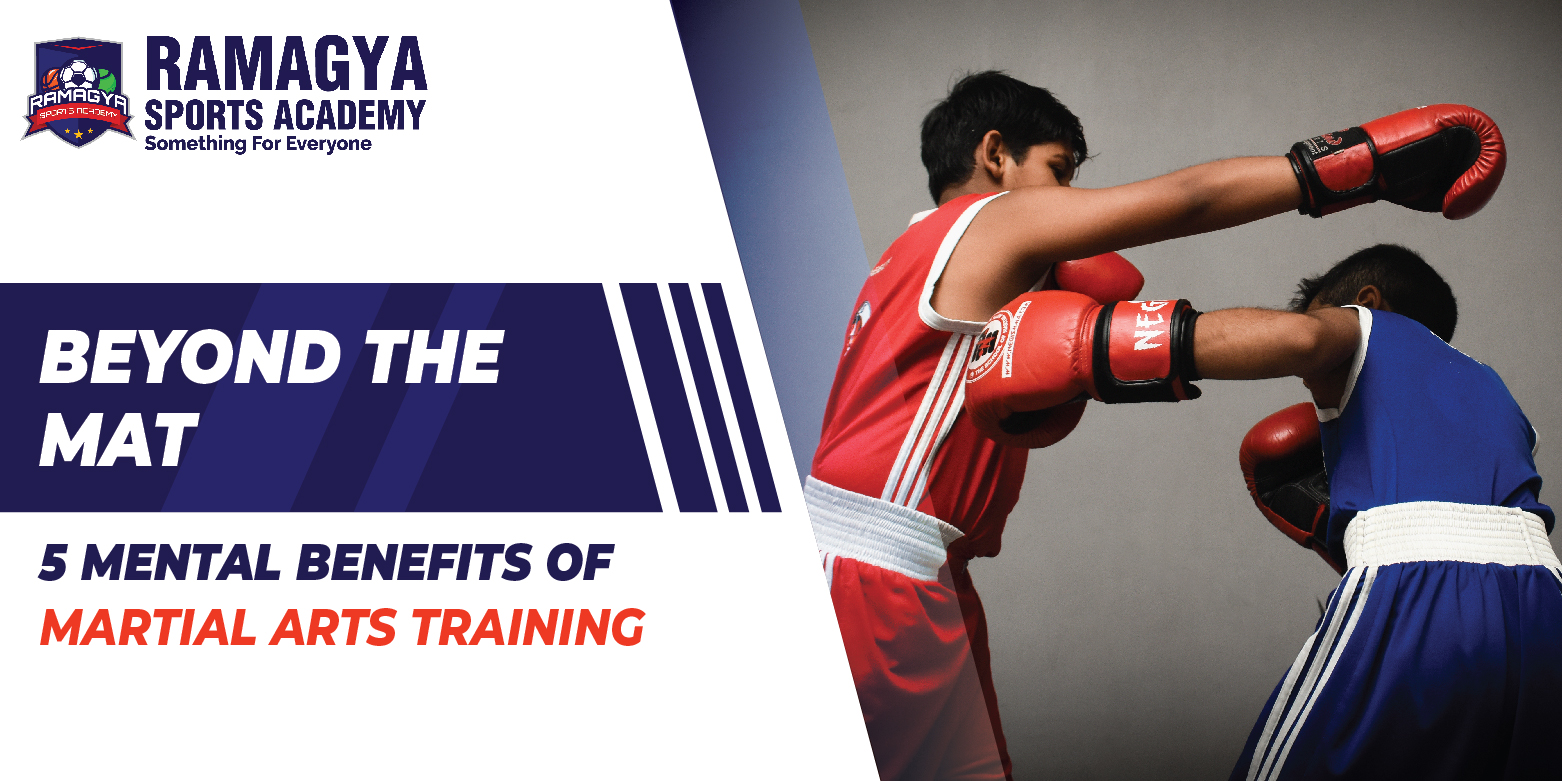
    5 Mental Benefits of Martial Arts Training

    5 Mental Benefits of Martial Arts Training

    Martial Arts Training
    Martial arts training goes beyond physical exercises, allowing practitioners an experience that is transformative and enriches both the body and the mind. “Beyond the Mat: 5 Mental Benefits of Martial Arts Training” delves into how practicing martial arts can improve your mental wellbeing. While many people recognize the physical advantages of martial arts, the mental benefits are often overlooked. Through disciplined training, anyone performing martial arts can develop life skills that go beyond the boundaries of the dojo and allow them to face the challenges of life with confidence.
    From increased concentration and discipline to increased confidence and emotional resilience, martial arts training is a holistic method of personal growth when we study these mental advantages and insights into the transformational power of martial arts to transform people into confident, well-rounded, and resilient individuals.

    Benefits of Martial Arts Training

    • Enhanced Discipline:
      Improved discipline is one of the primary benefits of martial arts that come from martial arts classes. In the structured dojo, students become a part of the culture of concentration, consistency, and control. By sticking to a strict program of training to grasp complex techniques, you can develop the mental strength required to tackle life’s obstacles with firm determination. Through repetition of drills and activities, learners learn the importance of determination and the rewards that come from disciplined practices. The increased discipline goes beyond the training area and is reflected in every aspect of life. Be it academic efforts and professional plans or personal objectives, martial artists approach every challenge with a constant resolution to achieve the highest level of excellence. The discipline that is cultivated through martial arts can be an underlying force that shapes the way you think and make decisions. With discipline as a partner the students can find a way towards self-improvement and achievement by embracing obstacles as opportunities to grow. In essence, improved discipline is a motivation for personal growth, empowering people to reach their potential and live a life with focus, resiliency, and success.
    • Improved Focus and Concentration:
      Focus and concentration improvement emerge as the primary mental benefits that result from martial arts teaching. In a lively environment, participants engage in activities that require persistent concentration on details and an increased perception of the surroundings. When doing the kata (forms) or participating in sparring, the participants are required to remain in the present moment and attentive to subtle signals and actions. Through regular practice, students develop the ability to eliminate distractions while remaining focused on the work in front of them. The improved concentration extends beyond the mat and is evident in all aspects of everyday life. Students frequently report improvements in efficiency in their professional or academic pursuits, mentioning their improved concentration as a major element in their achievement.
      Additionally, the mental discipline developed through martial arts training allows students to tackle problems with confidence and clarity and effectively solve problems while adapting to the changing environment. Each time they train, they build their mental abilities and enhance their ability to focus in the midst of the many distractions that life throws at us. In the end, martial arts function as a powerful tool for improving concentration and focus, enabling people to manage life’s challenges with a sense of purpose and accuracy.
    • Boosted Confidence and Self-Esteem:
      Self-confidence boosts a significant mental advantage that results from training in martial arts. As students progress in their training, they acquire confidence in themselves that is based on their increasing mastery of their techniques and achievements. Every belt rank they achieve and each obstacle they overcome is evidence of their dedication and skill, which increases their faith in themselves. This confidence grows beyond the confines of the dojo, affecting every aspect of life. Martial artists typically carry themselves with confidence and poise, showing an air of confidence and determination.
      Additionally, the mental discipline developed through training gives practitioners the ability to face problems head-on, thereby boosting the confidence they have in their ability to face challenges. Each time a setback or success is faced, people build an increased sense of self-worth and spirit while embracing their strengths and talents. In the end, martial arts training can be an empowering journey to self-discovery. It allows people to fully realize their potential and confront every challenge with a sense of faith and determination.
    • Stress Relief and Emotional Regulation:
      Relaxation and emotional control are the major benefits to mental health that result from training in martial arts. The physical severities of martial arts are a doorway for the release of emotional tension, allowing people to relieve tension and stress build up over their day. The harsh exercises trigger endorphins, which are the body’s natural mood boosters and promote a feeling of peace and wellbeing. Additionally, the discipline and focus developed during training can help people deal with stress better throughout their daily lives. Techniques like controlled breathing and mindfulness that are practiced during martial arts classes are effective in controlling emotions and encouraging mental clarity.
      When students learn to concentrate their energy into focused and deliberate action they gain a greater awareness of their emotional resiliency and control. The new ability to navigate and manage emotions not only improves mental health but also enhances connections with others and creates better-coping mechanisms. In the end, training in martial arts offers practitioners a full approach to managing stress that provides individuals with the knowledge and mental attitude to confront the challenges of life with calm and confidence.
    • Importance of Karate:
       It is more than just physical skills. There is a lot of importance in karate in fostering mental well-being[1] through its practice. Karate’s disciplined approach imparts fundamental skills such as discipline, focus, and self-control. Through repeated training and adhering to the dojo’s etiquette, students build a mental discipline that goes beyond the mat and is evident in every aspect of their daily lives. Karate training also requires students to keep a high level of concentration and focus, which leads to increased concentration as well as mental clarity. The increased awareness doesn’t just enhance the ability to perform karate moves, but also results in increased concentration in professional or academic activities.
      Additionally, karate provides people with confidence and self-assurance as they move through belt ranks and conquer obstacles. This confidence boost extends beyond physical strength to include confidence in one’s mental strength and belief in self-confidence. The harsh training and determination that is required to master karate builds resilience, which allows practitioners to bounce back stronger after defeats and tackle life’s challenges with determination and courage. The mental benefits of karate go beyond the dojo, enriching students’ lives with invaluable abilities and qualities that are essential to happiness and success.

    Conclusion:

    In the end, “Beyond the Mat: 5 Mental Benefits of Martial Arts Training” provides a clearer picture of the massive effect of martial arts on mental health. Through disciplined training, students acquire a variety of psychological benefits that enhance their lives in numerous ways. From improved focus and discipline to a boost in confidence and emotional strength, martial arts training can be an excellent stimulant for personal development and self-discovery.
    When people advance on their journey through martial arts, they don’t just grow stronger but also grow into strong, confident, and empowered individuals. They become capable of tackling every challenge with determination. The psychological benefits of martial arts go beyond physical fitness and offer practitioners a path toward self-improvement as well as inner peace and satisfaction for themselves. When they embrace the mental aspects of martial arts instruction, participants embark on a transformational process of self-discovery that will lead to unlocking their potential and living happier lives at and away from the mat.

    Read our Article: Exercise in the Park or Gym? Making the Right Fitness Choice
  • Contemporary Dance: Understanding its Wonders and Wellness Benefits

    Contemporary Dance: Understanding its Wonders and Wellness Benefits

    Contemporary Dance: Understanding its Wonders and Wellness Benefits

    Contemporary Dance
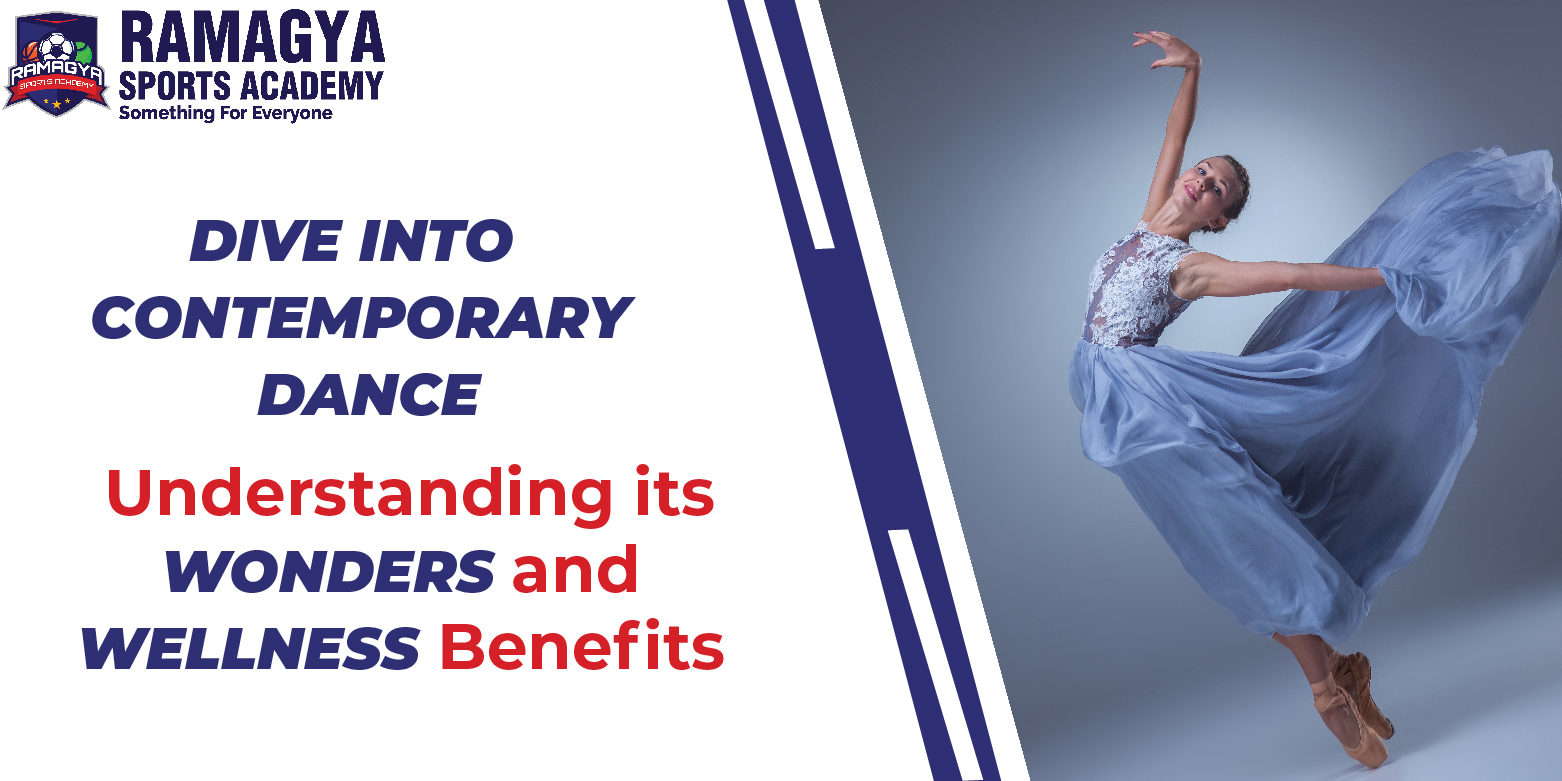
    Contemporary dance has quickly gained the interest of audiences around the world within the performing arts community. It embodies individual expression, originality, and fluidity of movement while drawing from multiple styles and traditional techniques. Contemporary dance differs significantly from more conventional forms by emphasizing individual expression, freedom of movement and experimentation with diverse approaches; its broad scope combines jazz ballet, modern and even street dance techniques.
    Contemporary dance is defined by fluidity, creativity and authenticity at its core. Dancers look for their own interpretation and verbal expression with a wide range of movements, from complex motions and delicate jumps to large leaps and floor work. Modern choreography can be abstract, narrative-driven, or philosophical to represent the diverse viewpoints of both dancers and choreographers.

    Types of contemporary dance:

    1. Release Technique: The contemporary dance style known as Release Technique places a strong emphasis on movement’s flexibility, fluidity, and relaxation. Dancers experiment with releasing tension from their bodies to produce natural, free movements. They frequently switch between movements easily to give the idea that the movements are connected and continuous.
    2. Improvisation: Contemporary dance relies heavily on improvisation, which gives dancers the flexibility and unpredictability needed to experiment with movement in an intuitive and free-form manner. Dancers respond in real-time to both outside events and their inner impulses by drawing inspiration from music, imagery, or specific prompts. This allows for freedom of expression, creativity, and risk-taking while also encouraging spontaneous and creative responses.
    3. Fusion Styles: In fusion type of contemporary dance, fusion styles incorporate aspects from several genres, including hip-hop, jazz, ballet, and ethnic dance styles[1]. To create a dynamic style, dancers blend various techniques, vocabulary, and cultural influences. This method promotes diversity in movement expression as well as exploration and invention. Dancers use a variety of movement elements and cultural allusions in their choreography by drawing inspiration from a variety of sources.
    4. Gaga: Gaga is a contemporary dance style that uses movement to explore feelings, ideas, and sensations. Dancers use their bodies’ feelings and natural reactions as a starting point for a guided improvised approach. In order to create new movement options and broaden their expressive range, Gaga pushes dancers to establish a strong connection with their bodies. 

    Benefits of Contemporary Dance:

    It offers the given physical, Psychological and emotional:

    Physical Benefits:

    • Strength and Flexibility: Contemporary dance offers many physical benefits for its practitioners, including developing muscular strength. Dancers engage in exercises designed to strengthen various muscle groups, including core, legs, arms and back; these techniques not only increase muscular strength but also help them maintain physically demanding choreography for longer periods.
      Contemporary dance promotes flexibility by including movements with full ranges of motion. Dancers engage in stretching exercises and dynamic movements that increase flexibility in muscles and joints, increasing mobility while decreasing risk. Greater flexibility also enables dancers to transition smoothly between movements for a greater expressive range in performances.
    • Cardiovascular Health: This dance routine mirrors the intensity of cardiovascular exercises such as running or cycling in their continuous and rhythmic nature. It similarly promotes heart and lung function over time. When dancers move through choreographed sequences, their cardiovascular system is challenged, leading to improved heart and lung function over time. Regular participation in contemporary dance classes or rehearsals helps strengthen heart muscles, increase blood flow, and boost oxygen uptake efficiency.
      Dancers efficiently engage different energy systems within their bodies by switching between periods of lower-intensity activity and bursts of high-intensity activity.
      People can get the physical benefits of better heart health, including enhanced endurance, stamina and a lower risk of diseases. Thus, by including cardiovascular exercise in their dance practice, they can improve the health level of their overall body.
    • Posture and Alignment: Dancers aim to achieve the correct posture on and off the dance floor through proper alignment of their spine, shoulders, hips, limbs, and other body parts – an effort designed to relieve muscle imbalances while preventing postural disturbances that may cause discomfort or injury. This focus on alignment helps dancers reduce muscular imbalances as well as avoid postural deviations that could cause discomfort or harm to themselves or others.
      Modern dance emphasizes core strength as an important element in maintaining stability and alignment, engaging core muscles to support spine and pelvis alignment, creating a solid center of gravity, and developing a more upright and balanced posture on stage while at the same time strengthening performance quality through efficient movements that promote increased confidence offstage.
    • Coordination and Motor Skills: Dancers perform Complex and detailed movements that require precise timing and coordination among various body parts. From footwork to arm gestures or transitioning smoothly between movements, dancers develop an unparalleled level of coordination that leads to expressive performances that flow with ease and grace.
      Contemporary dance helps dancers develop fine motor skills such as dexterity and agility, honing their ability to move in space with precision and grace while mastering intricate sequences of movements with skill. Dancers gain an increased body awareness that benefits various aspects of life for overall physical and mental wellness.

    Psychological and Emotional Benefits:

    • Stress Relief and Emotional Release: Contemporary dancers can relieve physical and mental strain held in their bodies by releasing it via their rhythmic and fluid movements, which encourages relaxation and a sense of well-being. Dancers feel a deep sense of release and escape from the stresses of everyday life as they lose themselves in the moment.
      Furthermore, contemporary dance offers a secure environment for expressing and exploring emotions. In order to process and let go of negative emotions like grief, rage, or worry, dancers are urged to go deeply into their feelings and express them using movement.
      Contemporary dance fosters a sense of connection and community, providing dancers with a supportive environment to express themselves authentically and connect with others on an emotional level. Whether performing solo or in a group, dancers share their stories and experiences through movement, fostering empathy, understanding, and emotional resilience.
    • Mindful presence development: Through deep attention to the sensations of movement, breath, and rhythm, dancers become fully engrossed in the present moment. They let go of distractions and worries while dancing their heart out.
      Additionally, contemporary dance cultivates a sense of presence, encouraging dancers to inhabit their bodies fully and express themselves authentically. As dancers connect with the music and their surroundings, they tap into a deeper sense of embodiment and self-awareness, allowing them to express their emotions and experiences with greater depth and authenticity.
      Furthermore, contemporary dance provides a platform for self-expression and exploration, allowing dancers to delve into their inner worlds and connect with their emotions on a visceral level. Through movement and expression, dancers cultivate a greater sense of emotional intelligence and resilience, empowering them to navigate life’s challenges with grace and authenticity.
    • Creative Expression and Self-Discovery: Contemporary dance serves as a powerful medium for creative expression and self-discovery, offering individuals a place to explore what they feel inside, including all the emotions and experiences through dance. As dancers immerse themselves in the creative process, they embark on a journey of self-discovery, uncovering new layers of their identity and expressing themselves authentically.
      By improving themselves and their choreography, dancers have the freedom to experiment with movement and explore their unique artistic voice. This process allows them to communicate their emotions, stories, and perspectives in a deeply personal and meaningful way, fostering a sense of liberation and empowerment. As dancers engage in movement exploration and self-reflection, they gain insight into their bodies, minds, and emotions, uncovering hidden strengths, vulnerabilities, and truths. Dancers can develop a deeper awareness of who they are and where they fit in the world through this process of self-discovery, which promotes personal growth and transformation.
    • Community and Connection: Dancers come together to create and perform, supporting one another through challenges and celebrating each other’s successes. This sense of community creates a supportive network where individuals feel valued, accepted, and understood, fostering a deep sense of belonging and connection. Additionally, contemporary dance promotes interpersonal connections and social interaction. Dancers collaborate with others to create choreography, share ideas, and express themselves through movement. This collaborative process fosters communication, empathy, and teamwork, strengthening relationships and building trust within the dance community.
      The dance gives people the chance to interact with a larger community of audiences, choreographers, and dancers. The people who dance come in contact with all of those who share the same love for dance and creativity by taking part in classes, festivals, or performances. Within the dance community, this sense of connection breaks down the barriers and, in conclusion, promotes a sense of unity and togetherness.

    Conclusion:

    It overcomes physical constraints to give people a fully realistic, comprehensive experience that promotes mental health and personal growth. Contemporary dance offers a platform to explore, express, and connect profoundly and meaningfully—whether it is for stress release, artistic expression, or community connection. Dancers who participate in the style experience comfort, empowerment, and a stronger sense of self and the wider world.
    The emphasis on creativity and individual expression in contemporary dance has led to its rapid rise to prominence as a major global art form. This art form continues to explore cultural standards and push the limits of mobility as it changes and evolves with contemporary culture. Contemporary dance captivates spectators and inspires dancers to explore new possibilities in themselves and society at large. It is a performance art as well as a way of self-expression. 

    Read our Article: Surprising Facts About Contemporary Dance

  • Pre-Workout Nutrition: What to Eat Before and After Your Workout?

    Pre-Workout Nutrition: What to Eat Before and After Your Workout?

    Pre-Workout Nutrition: What to Eat Before and After Your Workout?

    pre workout meal
    To maximize the benefit from your exercises and accelerate recovery after that, eating right is absolutely key to reaching fitness goals. Giving your body a proper diet before and after exercising will improve performance, which would eventually lead to renewing muscles more quickly. This guide outlines which foods should be eaten before and after workouts to reach fitness goals more quickly.

    Before Your Workout:

    1. Carbohydrates: For maximum results from intense workout, carbohydrates[1] are the best source. Eating enough of them as a pre workout meal ensures your muscles have ample glycogen levels available to them. For when physical exertion begins your body will not feel tired.
      Carbohydrates provide energy during prolonged or intense exercise by helping maintain glucose levels. The amount of carbs eaten prior to exercise depends on a range of factors, including duration and type of workout, metabolism rate of an individual and personal preferences. Generally, it’s advised that two or three hours prior to training, it’s best to consume moderate quantities. Experiment with high-carb food items like whole grains, fruit and starchy veggies in order to find out which ones provide you with lasting energy without feeling uncomfortable during training sessions.
    1. Protein: Consuming protein prior to exercising can benefit you due to a variety of reasons. First, eating protein as a pre workout meal improves the development of muscles. It also assists in repairing muscles in the whole body, which is crucial because exercises cause stress to the muscles’ fibers a lot. When you eat before exercising, your muscles will have access to amino acids that are required to repair and heal, which in turn enhance adaptability and increase strength.
      Pre-workout meals that contain protein can help stabilize blood sugar levels and provide sustained energy throughout your workout. Experiment with various sources, such as eggs, Greek yogurt, lean meats or plant-based alternatives, to see which best suits your performance and recovery needs.
    1. Hydration: Hydration prior to exercise is crucial to sustaining the highest level of performance and avoiding dehydration. Make sure your body has enough fluids to help support the physiological processes such as waste disposal, nutrition, and control of temperature. A well-hydrated workout can help you gain more strength, endurance and general abilities.
      The need to drink plenty of water prior to exercising, especially for prolonged or intensive sessions, can reduce the risk of suffering from heat-related problems. Replenish lost fluids by drinking water prior to the time you begin exercising to ensure that you’re hydrated before beginning your exercise.

    After Your Workout:

    It is very necessary to consume protein after exercise to aid in muscle growth as well as repair and recovery. Protein in the muscle breaks down because of the strain and damage exercises can cause to muscles. This encourages muscle development and adoption as time passes by, helping in recovering tiny tears within the muscles’ fibers.
    You should use proteins such as poultry, lean meats, eggs, fish, eggs, Greek yogurt or protein shakes. Alter your protein consumption in accordance with your individual diet and fitness goals to boost muscle growth and recovery post workout.

    1. Carbohydrates: It’s essential to eat carbohydrates after training to replenish glycogen stores consumed when exercising. The muscles rely on glycogen as their main source of fuel while exercising, so refueling the glycogen stores after exercise promotes recovery of energy and muscle repair. Consuming carbs after working out also aids in promoting insulin release, which in turn helps muscle cells absorb glucose and boost the synthesis of glycogen. This speeds up muscle growth and repair and improves the healing process. Consuming carbs after exercise also lessens the likelihood of weariness and discomfort in the muscles by preventing muscular breakdown. To maximize post workout recovery and performance, modify your carbohydrate consumption based on variables including exercise intensity, duration, and specific nutritional needs.
    2. Hydration: Rehydrating after exercising is necessary to renew the loss of fluids from sweat. It also ensures your body’s process of healing. Sweating helps the body let out fluids that are required to keep the body’s temperature stable and improve performance during exercise. Rehydrating after exercise aids in ensuring fluid balance, protects against dehydration, and promotes the necessary recovery. In addition, drinking enough fluids after exercise can replenish glycogen reserves that are consumed during exercise.
      Also, make sure you drink electrolyte-rich beverages or fluids all day long to keep well-hydrated and improve overall well-being and health. For optimal rehydration and recovery, alter your intake of hydration based on factors like the intensity of your workout duration, duration, environmental conditions and your personal sweat rate.

    Additional Tips:

    1. Post workout Meal Vegetarian: The purpose of a post workout vegetarian meal is to provide essential nutrients, promote muscle regeneration, replenish glycogen stores and support muscle growth and recovery. Be sure to include both proteins and carbohydrates for maximum effect in supporting muscle recovery and growth. Stir-frying tofu with mixed vegetables and quinoa would make an outstanding dinner, providing both protein and complex carbs while tofu is an excellent plant-based protein source. Add colorful vegetables such as broccoli, spinach and bell peppers to your breakfast diet for extra minerals, vitamins and antioxidants. Complete it by including avocado slices or small handfuls of seeds or nuts as sources of healthy fats; top it all off with spices or herbs for extra flavor! This balanced breakfast provides your body with essential nutrients necessary for maximum recovery post physical exercise.
    2. Timing: Timing pre and post workout meals is of paramount importance to maximize efficiency and recovery, with pre-workout meals typically eaten two or three hours prior to starting an exercise regime. Allowing your body to digest food properly and release energy through digestion gives it ample time to do its work, assuring your energy remains high and pain is minimized during physical activity. By making nutrients easily available during activity, timing helps maintain sustainable energy levels and minimize discomfort. Within 30-60 minutes after exercise, post workout meals or snacks should be consumed to replenish glycogen stores and promote muscle repair and growth. Doing this helps alleviate tiredness and soreness in muscles by optimizing nutrition intake and aiding recovery. Tailor meal timing according to personal tastes and intensity levels to optimize recovery and performance.
    3. Pre and Post Workout Meal Portions: Pre and post workout meal portion sizes depend on a range of variables, including fitness objectives, activity intensity and individual nutritional requirements. An optimal pre-workout breakfast should include both protein and carbohydrates in an appropriate portion two to three hours prior to exercising. An example serving could contain 10-20 grams of protein and 30-60 grams of carbs, depending on your workout type and weight. Post Workout meals that include both carbohydrates and proteins should support muscle regeneration and recovery. Within 30-60 minutes after finishing an exercise routine, aim to consume 20-30 grams of protein and 0.5 to 0.7 grams of carbs per pound of body weight – that should provide optimal muscle recovery results.
    4. Individual Preferences: Choosing meals before and after an exercise depends greatly on personal tastes. People may have a preference for quickly digested foods that give them consistent energy without making them uncomfortable to exercise before a workout. This can include things like a banana and protein powder smoothie, whole grain sandwiches with lean protein, or porridge with fruit and nuts. After a workout, tastes may tend toward foods that promote muscle repair and satiate hunger. While some people might like a simple snack like Greek yogurt with berries or a protein shake with almond milk, others might prefer a meal heavy in protein, like tofu stir-fry with quinoa and vegetables.

    Conclusion:

    Knowing what to eat before and after workout is one of the most important things for optimal and quick results.  Pre-workout meals that will preserve energy and optimize muscle function should contain both carbs and proteins in equal portions, taken two to three hours prior to exercise. Select foods that are easy to digest so as not to interrupt your workout experience. Within 30-60 minutes after exercising, meals or snacks afterwards should focus on replenishing glycogen stores and supporting muscle recovery by including both carbohydrates and proteins in their mix. Choose foods rich in nutrients that promote healing, satisfy hunger and satisfy personal tastes. Incorporating these into your exercise routine and increasing performance may maximize the advantages and performance of each workout session by planning pre and post workout meals according to individual nutritional needs and preferences. It’s also important to pay attention to how your body responds during and after each session and remain well-hydrated throughout the day for maximum effect.

    Read our Article: 10 Essential Features That Define the Best Gym Experience at Ramagya Sports Academy

  • Exploring 17 Pilates Exercises for Strength and Stability

    Exploring 17 Pilates Exercises for Strength and Stability

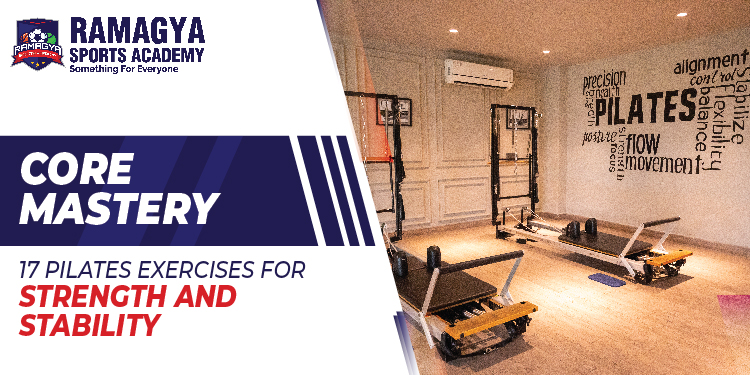
    17 Pilates Exercises for Strength and Stability

    Pilates Exercises

    1. The Hundred:
      To begin “The Hundred,” lie on your back, with your arms stretched out in front of your body and your legs extending towards the ceiling, in the tabletop position. Then, lift your neck and shoulders off of the mat while tightening your core to ensure the stability of your spine. Take a deep breath for 5 seconds and out for five seconds while bringing your arms upwards and downwards carefully. This breathing technique assists in contracting the muscles of the core and increases the flow of oxygen throughout your body.
      Make an effort to stay in perfect alignment and form throughout the workout, putting quality before quantity. You can see noticeable gains in your general stability, endurance, and core strength by routinely including “The Hundred” into your Pilates routine. This basic exercise acts as a starting point for more complex Pilates exercises and an indicator for your fitness journey advancement.
    2. Roll-Up: An essential Pilates exercises well recognized for its ability to effectively strengthen and activate those muscles in the back is the rolling up. Lying on your back, with your legs stretched out on the mat and your arms extended in the air, is how you can do an incline roll. Breathe into the warm and then let go when you contract your core to remove your spine and mat. Do this one vertebra at one time. When you’re sitting up high with your arms reaching towards your feet and your spine curving in a C-curve, continue rolling up slowly and carefully. Breathe and remain in the pose for a brief time. Then, breathe out and then roll back up through every vertebra till your back is level on the mat for a second time.
      The most effective Roll-Up technique is to maintain an even, controlled movement with no jerky movements or speed. Instead of relying solely on the speed of your legs or arms, focus on launching the exercise by focusing on the abdominal muscles. The Roll-Up has many benefits in comparison to simply strengthening the core. These include improved standing, posture awareness, and spine flexibility.
    3. Single Leg Circle:
      Starting by lying on your back, with your legs spread on the mat with your arms close to their sides is the ideal starting posture to perform a single Leg Circle. While keeping the other leg securely to the mat, extend one leg towards the ceiling. Then, move your raised leg inwards, downwards towards the opposite side, then return to the beginning position while the core muscle is used to support your pelvis. Throughout the entire exercise, stay in control of your body by keeping it in a stable position and your lower back presses on the mat.
      While performing during the Single Leg Circle exercise, keep an eye on your breathing and make sure you are synchronizing it with the movement. Breathe in as you turn to move your legs away from the body, and then let it go while you return it towards the middle. Beyond strengthening the core area, Single Leg Circle has many benefits, including improved balance, mobility of the hips and coordination.
    4. Rolling Like a Ball:
      To begin Rolling Like a Ball, lie on a mat on the floor with your feet elevated off the floor, knees bent, and arms wrapped around your shins. Start by bringing your navel closer to your spine and utilizing the core muscles. Breathe deeply as you move over your back to the upper part while keeping your feet up and your spine rounded. Use the momentum to roll back into the starting position slowly.
      The precise fluidity of the movement is the key to mastering Rolling Like a Ball. By using the abdominal muscles, those who practice can effortlessly switch from one motion to the next without relying on strength or external support.
      It is important to note that rolling like a Ball not only improves core strength but can also provide a great spinal massage, increasing your spinal range of motion and flexibility. The vertebrae softly articulate when you move in a circular motion, alleviating pressure and encouraging circulation throughout your spine. The therapeutic aspect of this exercise helps ease stiffness and pain and is particularly useful for people who live an active lifestyle or are prone to back pain.
    5. Crisscross:
      Begin by lying back on your stomach and bending your knees. Place your feet flat on the ground to complete the criss cross position. Lift your shoulders, head and neck off of the mat. Then, pull your chest towards your thighs while using the abdominal muscles. Exhale and move your body left, extend your right leg, and bring your right elbow to that knee on your left. Keep your left leg elevated off the ground with the left leg bent. Breathe deeply as you move back to your centre. Release as you move toward the left, extending your left leg and then bringing your left elbow towards the right knee. Continue to switch sides in an easy, steady movement.
      The ability to move in a controlled manner and maintain core stability is crucial to learning Criss Cross. The transverse abdominis and the obliques are two deep abdominal muscles that practitioners can use to maintain the pelvis and spine in the turning motion. This workout improves spinal flexibility and posture and strengthens the core.
    6. Plank:
      To perform the plank, begin with placing the hands below your shoulders, and then move your body in such a way that your heels and head form an even line. Make sure you don’t have any sagging or arching in your lower back by using the abdominal muscles to stabilize your pelvis and spine. As your strength improves you can gradually increase the amount of time you are on the floor in the position of a plank. Begin with only a few seconds, and gradually work towards longer durations. Through the workout, be aware of the rhythm of your breathing and shift your navel toward your spine to increase the contraction of the core muscle.
      Maintaining a proper form and alignment as you continue the isometric contraction of core muscles is crucial in achieving the perfect plank. The exercises in planks target not just the core but also the muscles that are located in the upper part of the body, including the shoulders, arms, and chest. This comprehensive exercise program improves strength and stability in the functional area.
    7. Side Plank:
      Begin by lying on your back and extending your legs. Then, place them on top of one another in order to complete the side plank. In order to maintain a straight torso from your head to your heels, put your elbow right under your shoulder and lift yourself to your forearm. To lift your hips above the floor and create an even path from head to feet, tighten the core muscles. Bring your upper body to the sky or place it on your hips for assistance. For as long as it is possible, you can hold the side plank. Throughout your workout, keep your neck aligned to your spine. Gaze ahead, and breathe deeply and continuously.
      Involving the muscles of your core and maintaining the body in a steady, solid posture is essential for perfecting your side plank. Side Plank works the muscles in the legs, arms and shoulders, as well as the core muscles, providing the body with an intense workout. This exercise is beneficial for those who train athletes as well as people who are of any fitness level as it increases overall stability as well as balance and coordination.
    8. Swimming:
      Begin by lying face-down on the mat, with the legs in a straight line and arms spread to the sky. Move your chest, legs and head off the mat while maintaining your body straight away from your heels. To keep your spine and pelvis in place, tighten the muscles in your core. Alternately lift and lower your leg and arm in a synchronized motion, imagining swimming in the water. Maintain a fluid and controlled step while paying focus on how your abdominal muscles work to assist the spine and pelvis. Breathe in while you climb and exhale as you lower to ensure that you are aligning your breathing with the movement.
      The key to mastering the key to swimming is to ensure that you keep your alignment and control under control when you swim. Be sure that your movements are controlled and fluid. Stay clear of any excessive spinal curvature or the drooping of your neck. To maintain your posture, maintain your neck in alignment with your spine and lean a little towards the front.
    9. Teaser:
      Lying on your back with your arms stretched out in the air while your legs are straight towards the front is the way to do a Teaser. Bring your lower back onto the mat using the core muscle to support your spine and pelvis. In order to get yourself ready for your practice, take a deep breath. As you let go of the breath, lift your legs, arms and your chest off the mat simultaneously while reaching your toes. When you’re balancing on your seated bones, make sure you keep your body in the “V” shape by maintaining an encapsulated connection between your limbs and the core. For a short time, you can maintain this posture by ensuring that the abdominal muscles are tense and your spine is fully extended. Breathe deeply as you slowly return to your original position.
      The ability to be able to move in a controlled manner and engage your core muscles with precision is vital for learning to master Teaser. During your workout be aware of the breath and pull your navel toward your spine to work your abdominal muscles more completely. Make sure to keep your movements steady and fluid movements. Don’t make any abrupt or jerky movements.
    10. Saw:
      Begin your Saw posture by sitting straight on the mat with your arms at shoulder height and your legs spread apart. Make sure that you are in a high and erect posture, making use of the core muscles of your body to support your pelvis and spine. For a good start to the exercise, take a long breath. When you are ready, let it move your head to the left and then extend your left hand to your right foot. Keep the bones of both your feet onto the mat.
      Keep your back straight and stretch your hips outward while you move your right hand towards the left side of your foot. As you turn and reach, feel the tension on both sides of your upper body. Inhale to manage your descent back to the centre. Then relax as you move to the left. Perform the sawing movement to the opposite side.
      Engaging these muscles during turning can strengthen the spine, promote better posture, and align the spine. The ability to control your movements and precisely activate the abdominal muscles is vital in mastering Saw. Try to move effortlessly and smoothly without causing any strain on your neck or shoulders.
    11. Corkscrew:
      Begin by lying back on your back, with your legs straight toward the sky and your arms stretched out to your sides in order to perform the corkscrew. For a good start to the exercise, take a deep breath. As you let go of your hips, lift them off the mat with your abdominal muscles[1]. This will create the smallest “C” curve with your spine. Lower each leg to one side while in a controlled turning motion, making sure your core stays steady and attempting to get it as close as you can without touching it. Throughout the entire exercise, make sure to keep your shoulders planted on the floor and keep your balance. The corkscrew can injure the hip and back muscles and the deep abdominal muscles, including the transverse abdominis and the Obliques. During your exercise, pay attention to your breathing. Also, keep your navel in the direction of your spine to activate the abdominal muscles more deeply. Make sure to move smoothly and fluidly without causing any strain on your neck or shoulders.
    12. Leg Pull Front:
      Begin in a push-up posture by placing your hands directly beneath your shoulders. Place your body aligned from your head to your feet to perform a Leg Pull Forward. Take a deep breath to get ready for release. As you let go of your legs, you can lift one leg off the mat and extend it in front of you to keep your core strong. While lifting, keep your hips straight and your spine from twisting or sliding. For a few minutes in the pose, keep it at its highest level while noting how your hamstrings, glutes, and abdominal muscles are engaged. Be sure to control your movements and slowly lower the leg back on the mat, breathing while you do it throughout the entire workout, focus on keeping your core in place, and avoid the spine from arching or rounding.
      Leg Pull Front strengthens the muscle groups of arms, shoulders, and legs, along with the deep abdominal muscles, like the transverse abdominis and obliques. It is vital to learn to work the core muscles with precision and control. During your workout, be aware of the rhythm of your breathing and pull your navel toward your spine to work the abdominal muscles more completely. Make sure to move smoothly and fluidly and avoid any strain or tension in your neck or shoulders.
    13. Jackknife:
      Lying back on your stomach by extending your arms and legs over the top is the ideal starting point for the Jackknife. Inhale deeply to relax, and as you let go of the air, lift your legs and upper body off the mat and raise your arms to the ceiling. While lifting, ensure that your limbs and core are in a tight alignment to create a “V” with your body. While lifting make sure you keep your toes straight as well as your legs straight and maintain your weight in check. In control, return slowly to your starting position, taking a deep breath throughout the process.
      A jackknife is a tool for the quadriceps, hip flexors, lower back muscles, and abdominal muscles like the obliques and transverse abdominis. The ability to control your movements and work the core muscles precisely is crucial to mastering the art of jackknifing. Make sure to move effortlessly and smoothly and avoid any strain or stress on your neck or shoulders.
    14. Double Leg Stretch:
      Lying on your back, with your knees bent in front of your chest with your arms extending along you, is the very first step in completing the stretch of your legs twice as you keep your back in neutral posture as you contract your abdominal muscles to force your lower back on the mat. Inhale deeply to warm up. Then, as you let go of the air, lift your arms over your head, and then straighten your legs until you are at a 45-degree angle to the mat. When you exhale, bring your arms back to your body, pull your knees into your chest and maintain the connection between your limbs and your core. Simultaneously, return your knees towards your chest and then return to the original position.
      Practitioners can activate the muscles in the legs and arms, as well as the deep abdominal muscles like the transverse abdominis and the obliques, by focusing on controlled breathing and precise movements. A double-leg stretch increases the flexibility of the spine and improves mobility while also strengthening the core. The spine lengthens as the muscles extend towards the body, which allows the vertebrae to break apart and encourages the proper alignment of the spine.
    15. Side Leg Series:
      Lying on your side, with your hips and shoulders stacked. Keep your body straight from your head to your feet. To increase stability, put your upper hand on the mat to your left and place your head on the lower arm. This Side Leg Lift is the first exercise in the sequence. Straighten your upper leg upwards towards the ceiling with a solid chest and hips that are stacked. Slowly lower the leg to ensure that it doesn’t get into contact with the mat or another leg. Perform many repetitions of this movement and pay attention to how your hip and thigh muscles contract.
      Lift the upper leg to just above the hip and then use the leg to make a small circle in the air. Try to make precise, controlled movements that help keep your core and pelvis stable. In order to evenly engage your muscles from both sides, turn the direction once you’ve completed a few rounds in the direction you started. This Inner Thigh Lift is the final exercise in the Side Leg Series. Start on the mat and place the upper leg behind the leg below. By using the muscles of the inner thigh, lift the lower leg towards the ceiling. Then, slowly lower the leg down while keeping the core’s stability.
    16. Seal:
      The first step to doing the Seal by using a secure grip and holding the ankles using your hands. To extend your neck through the top of your head and to support your spine. Tighten the abdominal muscles. In order to get ready to begin, please take a deep breath, then let go of it by bending the spine in a C, raising your legs off of the mat, and putting your body on your tailbone. While your feet are slightly elevated off the floor, Your knees should be separated. While your spine is in a rounded position, begin clapping your feet three times fast and control the motion with your core muscles.
      In order to increase the strength of your abdominal muscles and increase the intensity of your abdominal muscles, pull your navel towards your spine while you steadily exhale and make your feet clap. Inhale deeply following the third clap. Roll backwards in order to return to the starting position. Be sure that your movements are fluid and controlled. Seal strengthens the pelvic floor muscles, along with the deep abdominal muscles, including the transverse abdominis as well as the Obliques. In addition, Seal encourages the body to move healthily and avoids stiffness and discomfort.
    17. Balance Control Front:
      Begin by lying downwards on your mat, with your legs bent and with your arms spread overhead in order to perform Balance Control Front. To stretch your spine and strengthen your pelvis, tighten the abdominal muscles. In order to get ready for the exercise, take a deep breath. When you are ready, let it lift your arms, legs and chest off the mat until you’re floating a bit off the mat. To ensure that your neck stays in alignment with the spine, maintain the body in a line from toe to head and turn your head slightly to the side. For a few seconds, keep this posture in place as you breathe slowly. After that, slowly lower yourself while taking a breath.
      The transverse abdominis, as well as the obliques, are two abdominal muscles deep, which can be used to help support your spine and pelvis and to avoid excessive arching and drooping. Alongside strengthening the core muscles, the Balance Control Front enhances body awareness in general since it is difficult to remain upright in this posture and requires focus and concentration that strengthen the connection between the mind and body; breathing and exercise help enhance respiratory health and oxygenation of the muscles, which improves endurance.

    Conclusion:

    Incorporating Pilates exercises into your exercise program will help you become more stable and stronger. By focusing on the primary muscles of the body, these exercises help improve posture, balance, and overall body strength. Pilates offers a variety of exercises designed to strengthen and strengthen the core muscles exercises, from classic ones such as Roll-Up or The Hundred to more difficult ones like Teaser or Control Balance. Pilates exercises also improve the strength of your functional muscles, making it simpler and more effective for people to complete routine tasks. If you’re new or an experienced instructor, Regular Pilates exercises can help you build stronger core muscles, greater stability, and an overall healthier physical state. The 17 Pilates exercises will aid in building an incredibly stable, strong core, improved posture and overall control and strength of your body, each of which contributes to a more strong, flexible body.

    Read our Article: How Swimming Effects on Body?

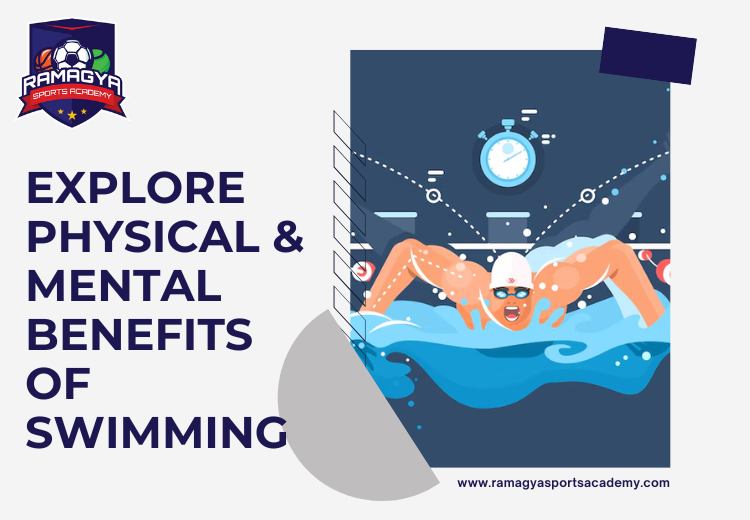
  • Explore Physical & Mental Benefits of Swimming

    Explore Physical & Mental Benefits of Swimming

    Explore Physical & Mental Benefits of Swimming

    Benefits of Swimming
    At a time when life can often feel stressful and inactive, finding activities to promote mental and physical wellness is more essential than ever. Swimming has long been considered the ultimate fitness regime. Enjoy its many physical benefits as well as its mental ones by diving in. Let us embrace its transformative power together in the warm ocean waters.

    Physical Benefits of Swimming:

    • Comprehensive Workout: Swimming offers an all-body workout; unlike other forms of exercise, which focus on specific muscles, swimming works almost all of your body. From rapid movements of legs, arms, back, and core muscles to those helping stabilize them – each step you take towards deeper water brings you one step closer towards an all-body workout, which increases strength, endurance, and flexibility.
    • Low-Impact Training: When searching for low-impact exercise options, water sports may be your perfect answer. Their buoyancy relieves joint strain and stressors, making this type of activity suitable for people of all ages and abilities; swimming offers particular therapeutic value if recovering from injury or managing arthritis-related conditions; it allows them to remain active without subjecting their bodies to unnecessary strain.
    • Cardiovascular Health: Cardio has numerous cardiovascular[1] benefits. Running can increase heart rate and circulation, while swimming can lower cholesterol and blood pressure and decrease the chances of heart disease. Furthermore, swimming may offer relaxation that could ease stress and anxiety.
    • Controlling Weight: Swimming can be an effective tool for weight management and loss. From easy breaststroke swimming to vigorous freestyle, both will help burn calories quickly while building and toning your body.

    Boosting Mental Benefits of Swimming:

    • Stress Reliever: Swimming offers an excellent way to relieve the strains of everyday life and disconnect from routine. Its rhythmic movements create a euphoric state where focus on breathing and movement helps ease anxieties and stress levels.
    • Mood Enhancement: Swimming has long been known to release endorphins – known as the body’s “feel-good” chemicals – which are responsible for elevating one’s mood and producing feelings of well-being and contentment. While you float gracefully through the water or attempt your best swim ability, this could leave you feeling refreshed and rejuvenated.
    • Mindfulness: Swimming provides an opportunity to unplug from technology and reconnect with yourself and your inner being. Swimming regularly can help train the brain to be more attentive, bringing greater present-moment awareness. While floating through the water, you’ll discover solutions readily available and fresh ideas flowing forward easily.
    • Improved Sleep: Regular Exercise, such as swimming, has been scientifically proven to improve both duration and quality of sleep significantly. Swimming’s physical exertion, combined with its therapeutic properties, helps you drift off more quickly into deep, restful slumber.

    Swimming offers physical and mental benefits that make it an essential addition to any exercise regimen. Swimming’s full-body workout, involving all body parts and strengthening them to increase flexibility, strength, and cardiovascular fitness, as well as its low-impact nature, makes it suitable for people of any age or fitness level, and its capacity to reduce calories effectively serves to manage weight. It not only brings physical benefits, but it can also offer significant mental health advantages. Swimming’s meditative nature helps create an atmosphere of serenity and peace, making it a powerful stress reliever in our hectic daily lives. Beaming at the rapid-fire movement of water, you can escape from everyday chaos to find refuge in its peaceful depths.

    Conclusion

    Swimming has been shown to help boost mood due to the release of endorphins from exercise. These “feel-good” chemicals promote feelings of happiness and contentment as well as help fight anxiety and depression. Furthermore, its mental clarity may lead to greater concentration, productivity and creativity across all aspects of your life. Swimming has also been shown to improve both sleep quality and duration, offering another compelling argument for adding it to daily routine. Through swimming sessions, they may also experience restful, deep sleep that leads to greater levels of energy and well-being during their waking hours.
    The sport of swimming can provide a holistic solution to wellness and health that addresses both physical and psychological aspects. It may also help increase fitness levels, ease anxiety levels, or help you relax, and it could be just what’s needed to reach the goals you have set out.
    As we navigate life’s waters, it is vital to include swimming as part of our routine in order to reap its many advantages. No matter whether your goal is fitness improvement or simply relaxation on a beachfront, swimming offers something beneficial to all who swim! 
    So take the plunge into its depths of possibility and return feeling rejuvenated, refreshed, and empowered to lead a life as best you can.
    As you begin your exploration of how swimming can change your life, enroll in the swimming program offered at Ramagya Sports Academy. Their state-of-the-art facility features highly qualified coaches and an active family environment, ideal for swimmers of all ages and abilities looking to discover what the benefits of swimming might mean in everyday life.
    Splurge, splash and emerge stronger, healthier and happier than before!

    Read our Article: Dive into a World of Wellness: The Health Benefits of Swimming Regularly

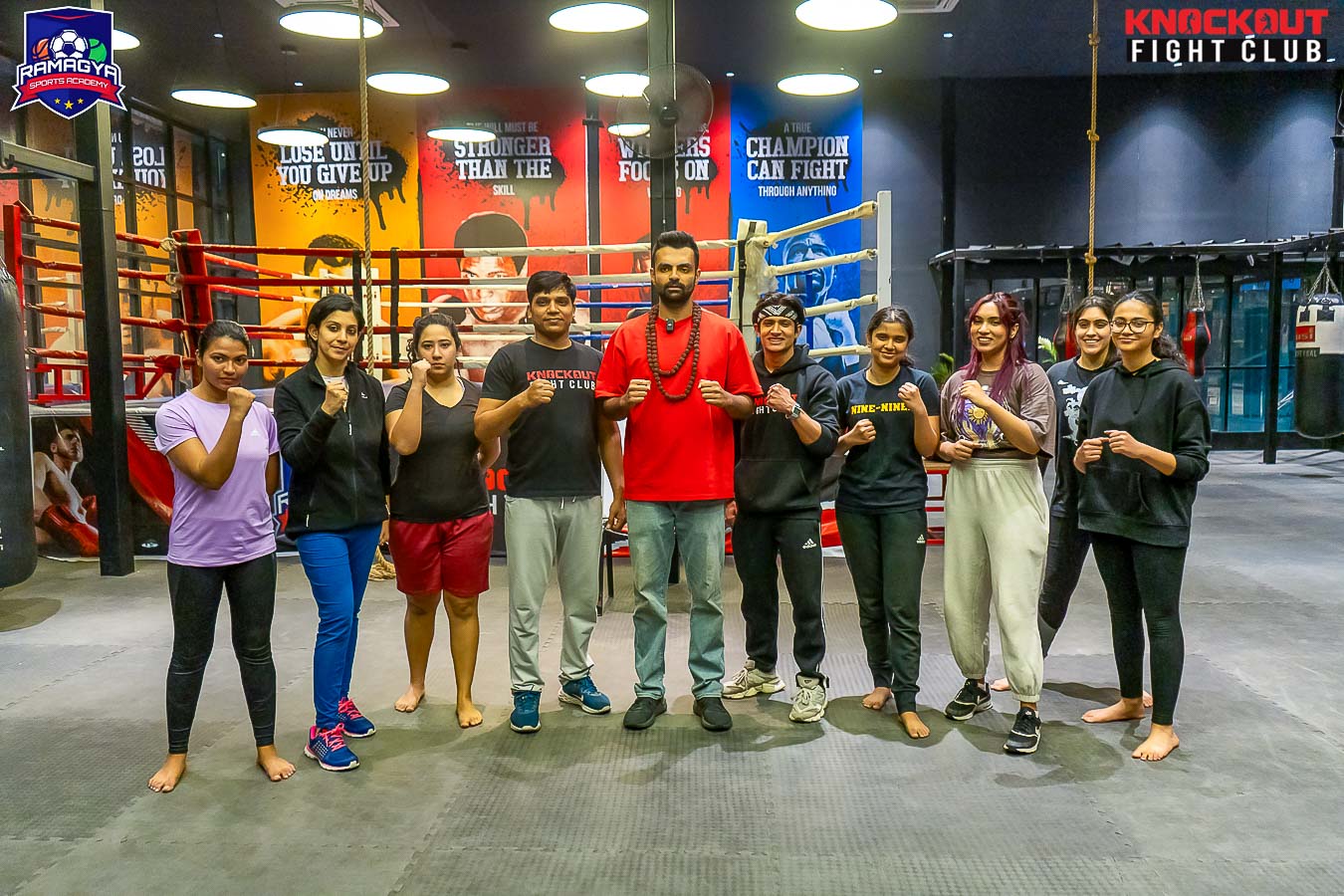
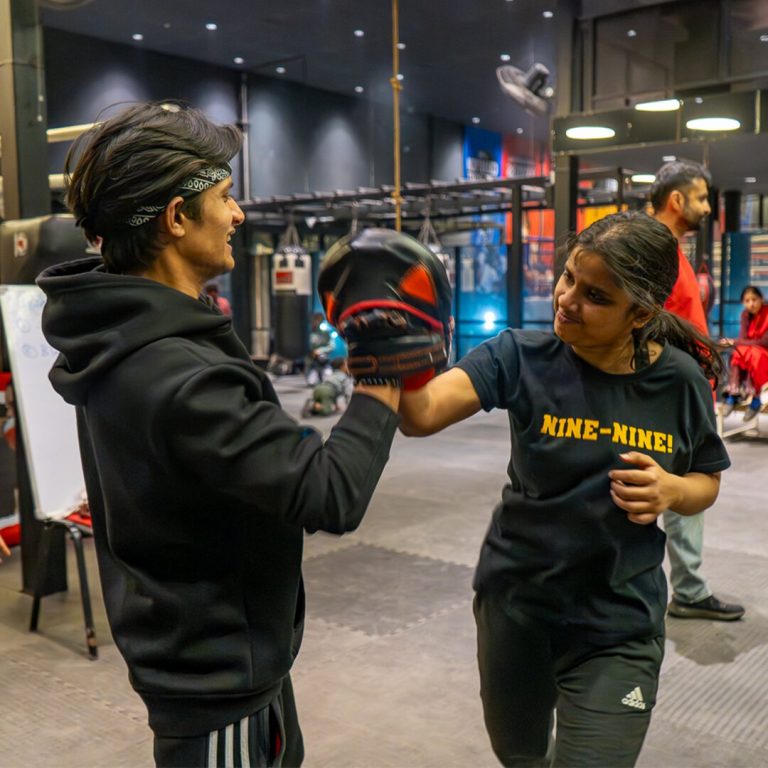
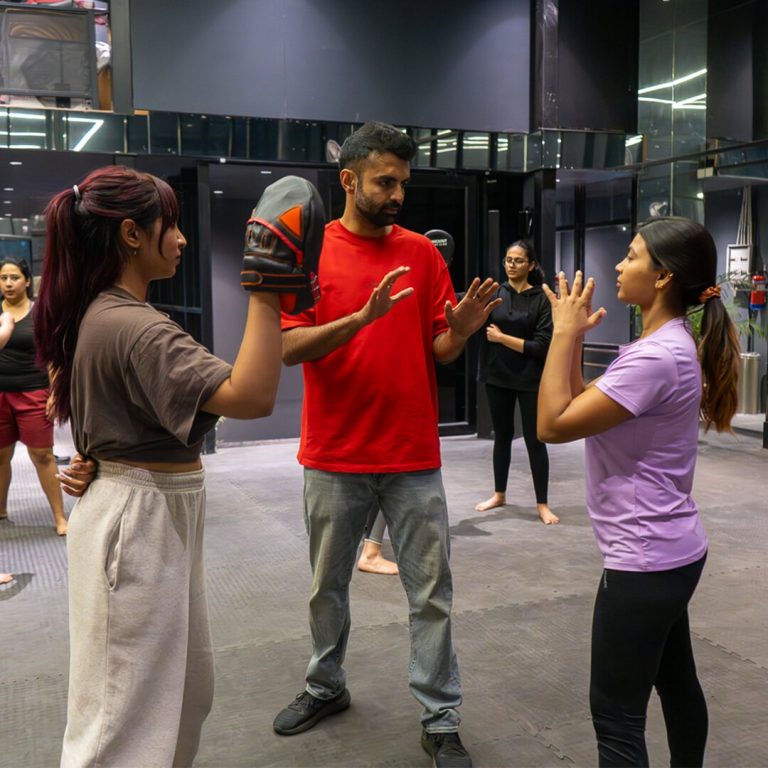
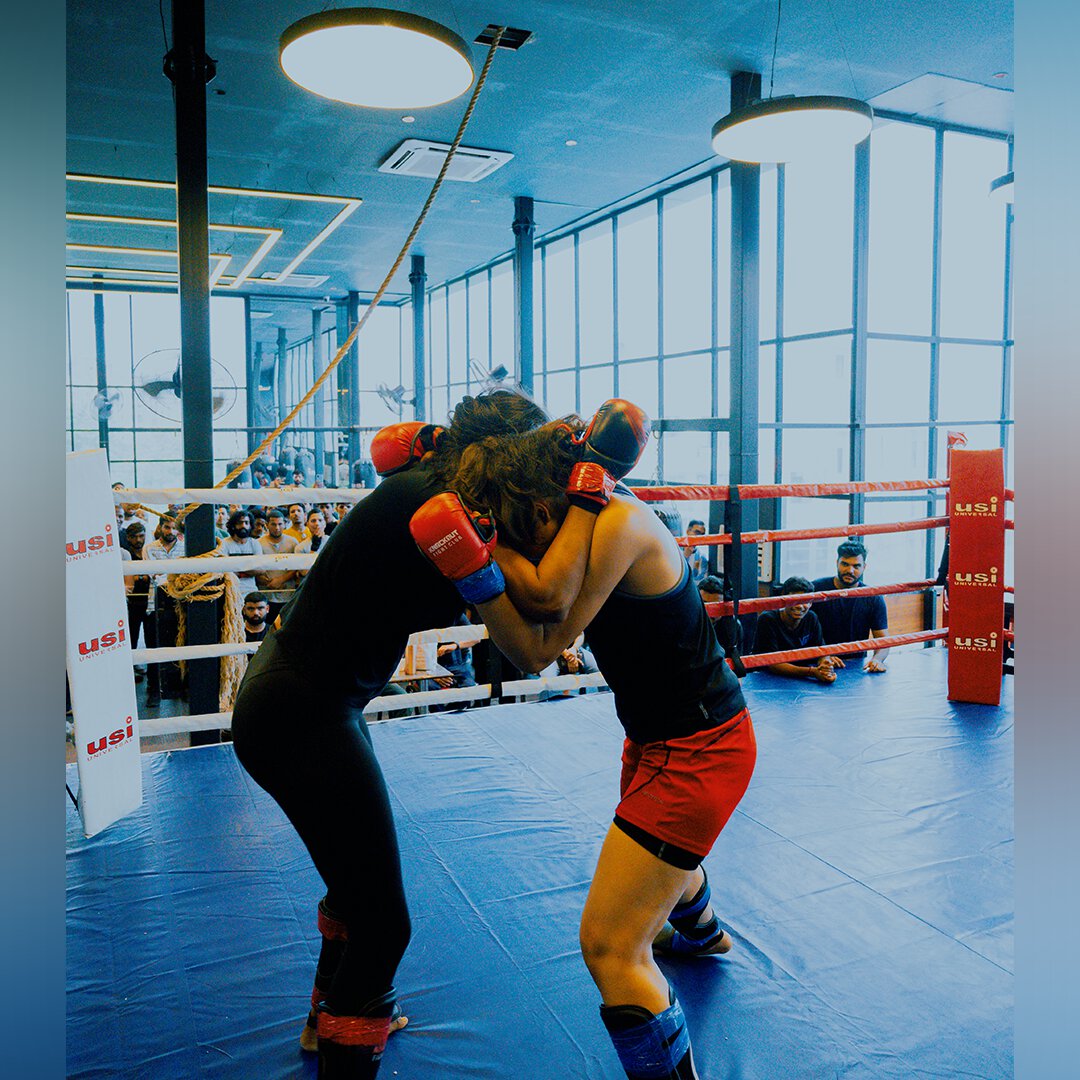
  • Defend Yourself, Empower Your Spirit: Women’s Day Self Defense Workshop at Ramagya

    Defend Yourself, Empower Your Spirit: Women’s Day Self Defense Workshop at Ramagya


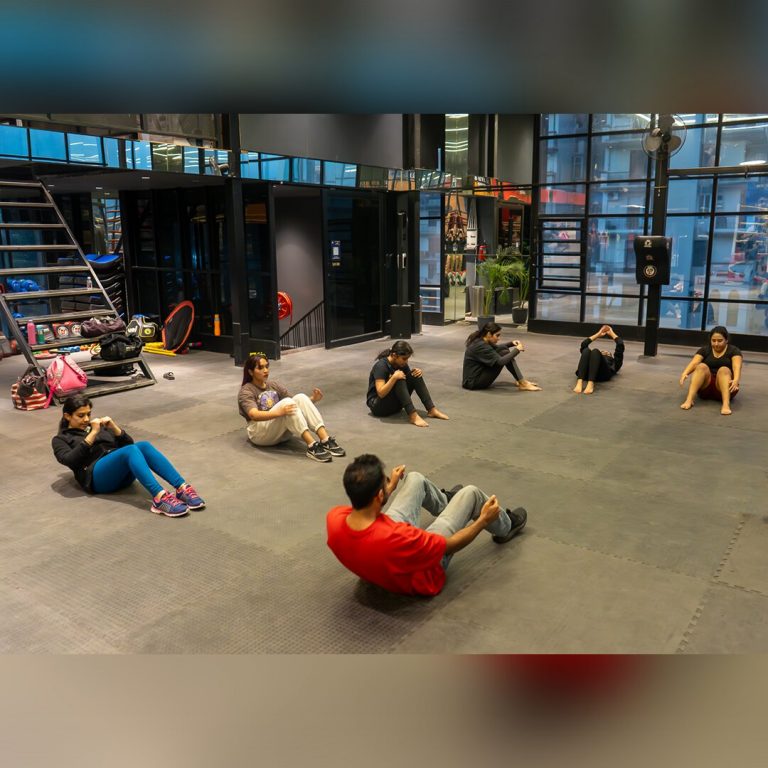
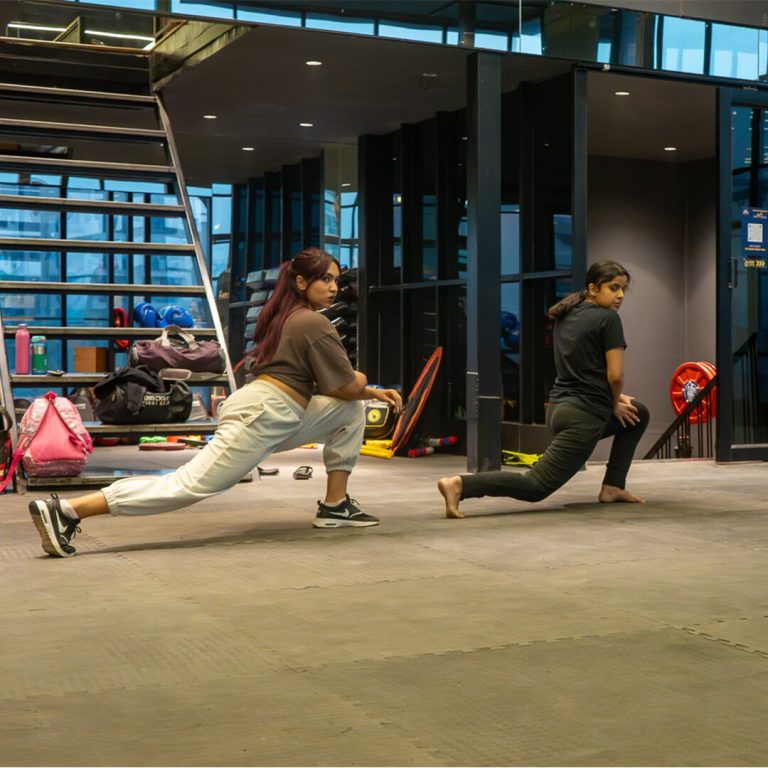
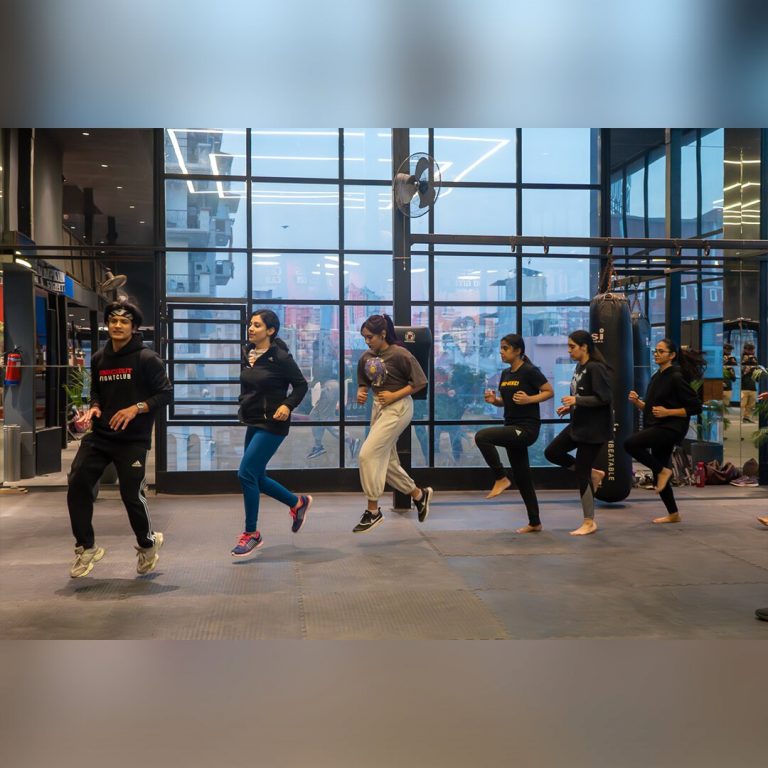
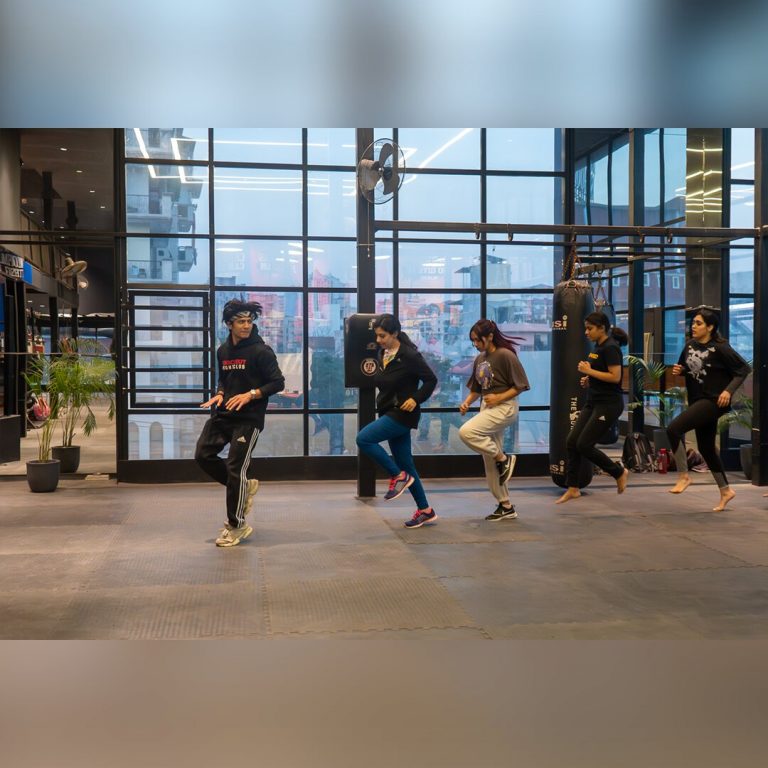
    On International Women’s Day, we celebrated women’s strength and resilience by offering an exclusive Knockout Defense Class Workshop. It was truly inspiring to see the dedication and enthusiasm of each participant as they learned essential self-defense techniques in a safe and empowering environment. Our dedicated trainers led the workshop with expertise and passion, providing valuable self-defense techniques in a supportive and encouraging environment. Join us at Ramagya Sports Academy and take the first step towards empowerment today. Let’s prioritize women’s safety, empowerment and confidence of women to help them navigate life’s challenges

    Untitled-1 2
    Untitled-2_batcheditor_fotor
    Untitled-3_batcheditor_fotor
    Untitled-4_batcheditor_fotor
    Untitled-5_batcheditor_fotor
    Untitled-6_batcheditor_fotor
    Untitled-7_batcheditor_fotor
    Untitled-8_batcheditor_fotor
    Untitled-9_batcheditor_fotor
    Untitled-10_batcheditor_fotor
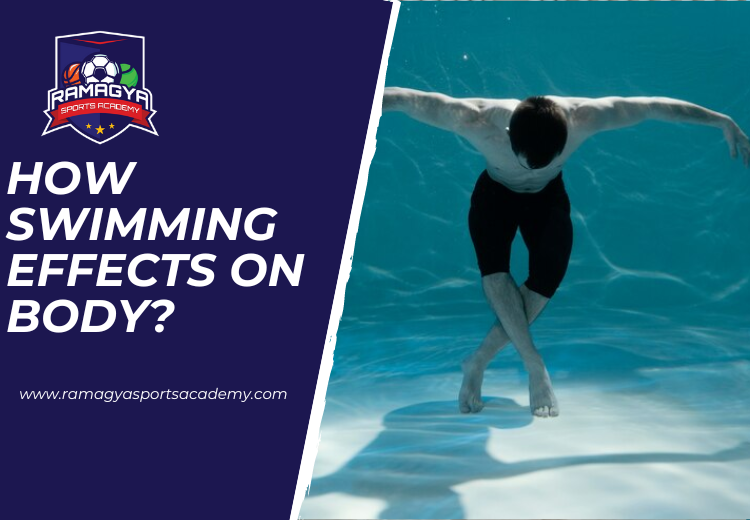
  • How Swimming Effects on Body?

    How Swimming Effects on Body?

    How Swimming Effects on Body?

    Swimming

    Swimming isn’t just a pastime; it’s a transformational whole-body workout that shapes your body. If you’re floating through the water in the style of a dolphin, or rushing through laps with the strength of an Olympian’s fervor, swimming has numerous benefits that go far from the water. Today, we’ll dig into the benefits that swimming can do to your body. 

    We will look at how this sport in the water can help shape muscles and increase fitness levels.

    • A FEW STROKES CAN STRENGTHEN YOUR BODY: The swimming program engages several muscles at the same time, resulting in an intense exercise that targets the primary and minor powers of the shoulders, arms, legs, and the core. Every stroke pushes you through the water, gaining the endurance and strength as you advance. Backstroke, breaststroke and butterfly are all effective and balanced workouts that strengthen and tone all the parts of your body, while strengthening your body. 
    • CARDIOVASCULAR TRAINING: Swimming is a great cardio workout that stimulates your circulation and heart to boost the overall fitness in your heart. This will reduce the risk of developing heart disease. It also helps increase the endurance of your entire body. From relaxing pool time to interval workouts this vigorous exercise is a simple and effective cardio exercise for the heart and lungs! 
    • A HIGH-INTENSITY, LOW-IMPACT TRAINING SESSION: One of the major benefits of swimming is that it’s low impact which makes it ideal for everyone of different degrees of fitness, as well as ages. Contrary to high-impact sports such as running or jumping into the pool, swimming reduces joint stress and decreases the risk of injuries and allows intense workouts to be performed regularly and continuously. While it’s not a very high-impact sport, it’s a vigorous exercise that helps reduce calories, fats and general fitness. 
    • INCREASED FLEXIBILITY AND RANGE OF MOTION: The act of swimming improves the range and flexibility within the body, and can help to stretch muscles further while also increasing joint flexibility. When you pull, reach or kicking around while swimming, muscles get stretched and contracted, which increases flexibility while reducing stiffness – making it a great method to improve posture, prevent injuries, and improve general mobility. This makes swimming an excellent method of exercise! Regular swimming can also help improve your posture and general mobility, which makes it an excellent alternative to other exercise and physical routines.
    • ENHANCING MENTAL WELLBEING: Swimming offers many mental health advantages beyond physical benefits, aiding relaxation, stress relief, and overall wellbeing. The rhythmic nature of swimming and immersion in water creates a relaxing effect that helps relieve tension while simultaneously lifting spirits. Lap swimming, drill swimming, or simply floating along on your back allow you to let go of pressures from daily life and feel at peace within its waters.
    • ENHANCED MUSCLE DEFINITION: Regular swim can dramatically increase muscular size and definition. While you float along in the pool, muscles work against surface forces that oppose them to increase muscle mass and well-defined physique. Swimming strengthens every part of the body – shoulders, arms, back, core legs – helping create a toned appearance.
    • IMPROVED POSTURE AND ALIGNMENT: Swimming is an entire-body exercise that helps improve posture and alignment, thanks to buoyancy supporting the body, which lessens joint stress while providing smoother movement. Over time, swimming may aid in correcting posture issues by strengthening muscles, supporting spine health, and helping correct posture problems, leading to improved alignment with less likelihood of injuries overall.
    • INCREASED FLEXIBILITY AND RANGE OF MOTION: Swimming helps increase mobility and flexibility within joints through repeated movements that improve range of motion and reduce stiffness, making daily tasks easier without injury risk. Furthermore, resistance from the water provides an effective yet gentle form of resistance exercise, helping improve flexibility and overall mobility.
    • RELAXATION AND STRESS: Relief Swimming can calm both body and mind, significantly relieving tension. The rhythmic movements combined with immersion in water help ease mind stress while creating an atmosphere of peace and wellbeing. From lap swimming to simply floating backward in the water on your back, water provides relaxation that leaves you revitalized and energized. 
    • SLEEP QUALITY: Regular physical activity, such as swimming, has improved the quality and length of sleep. Swimming helps alleviate anxiety[1], tension, and other factors that disrupt slumber; additionally, its physical effort may exhaust your body enough so that rest comes more efficiently during the night. When incorporated into an exercise like yours, swimming can result in more restful and restorative slumber, improving overall health and wellbeing.

    Ramagya Sports Academy Is Your Destination for Swimming Excellence

    Look no further than Ramagya Sports Academy! With state-of-the-art facilities and experienced coaches providing expert instruction to help any age and ability improve their skills while learning swimmings – from novice learners learning the fundamentals to accomplished swimmers striving to perfect their art, our comprehensive training programs and personalized instruction ensure your goals are met as you unlock your true potential in the water.

    One of the primary characteristics of our swimmings program are our heated pool, which offers year-round training conditions and comfort. No matter if it’s summer heat or winter chill, with its temperature-controlled environment, you can swim comfortably all year long without worrying about temperature fluctuations. Boasting crystal-clear water filtered with cutting-edge filter technology and state-of-the-art filter systems, our pool provides safe training conditions suitable for swimmers of all age groups to compete and train safely and cleanly.

    Swimming can be an incredible transformative experience that shapes your body and enhances overall health, from building endurance and strength to increasing flexibility and relaxation. 

    At Ramagya Sports Academy, our professional instruction, top-of-the-line facilities, and welcoming community provide everything needed to become the best swimmer possible – take the plunge today to experience all its incredible benefits!

    Read our Article: Dive into a World of Wellness: The Health Benefits of Swimming Regularly

  • Unleash Your Potential with Knockout Boxing

    Unleash Your Potential with Knockout Boxing


    Get ready for the ultimate increase in adrenaline at the Ramagya Sports Academy-hosted Knockout Boxing Event. Boxing fans of all skill levels come together for this exciting event to enjoy an exciting evening of intense battle and entertainment. Promoting fitness, health, and sportsmanship is our passion at Ramagya Sports Academy. Our dedication to giving people the chance to push their boundaries, challenge themselves, and show off their skills in the ring is shown by our Knockout Boxing Event. Experience the thrill of Knockout Boxing if you’re prepared to advance your fitness journey. Nothing compares to the feeling of energy that comes from punching the bag and the friendship that develops from training with other boxers.

    1_batcheditor_fotor
    2_batcheditor_fotor
    3_batcheditor_fotor
    4_batcheditor_fotor
    5_batcheditor_fotor
    6_batcheditor_fotor
    7_batcheditor_fotor
    8_batcheditor_fotor
    9_batcheditor_fotor
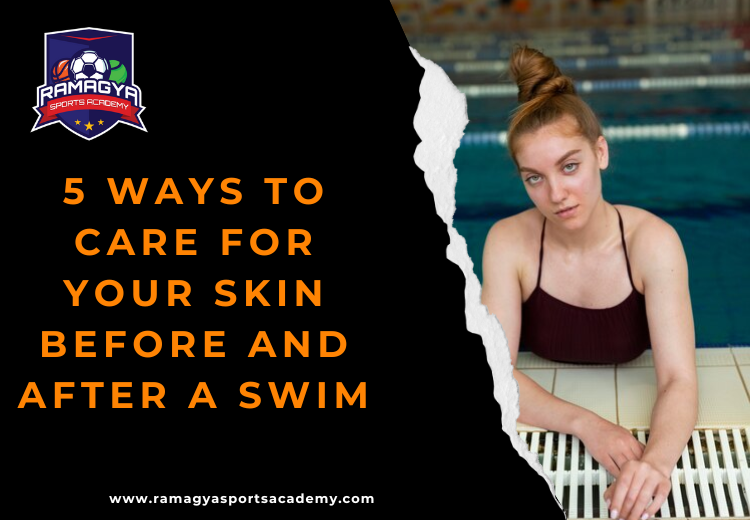
  • 5 Ways to Care for Your Skin Before and After a Swim

    5 Ways to Care for Your Skin Before and After a Swim

    5 Ways to Care for Your Skin Before and After a Swim

    Swim
    Swimming is a fun way to bond with family and friends and keep cool during hot summer days. It is a sport that improves the mind, body, and soul in addition to providing physical activity. There’s no other sport like the feeling of calm and peace that results from the mixture of the euphoric feeling, the tranquil breath, and the soft hug of the water. Swim isn’t just an exercise option for lots of people; it’s an exercise in therapy, a means to have amusement, and also a means to express yourself. Swimming has benefits for anyone, whether the goal is to get healthier, decrease stress or take pleasure in the feeling of moving across the ocean. So, get into the water, make a splash and explore the unending possibilities of swimming. 

    1. Hydrate Your Skin Before Swimming: One of the key questions when it comes to swimming is: “What to apply before swimming?” To protect your skin against saltwater and harsh chemicals before entering a pool or ocean environment, moisturize with moisturizing cream prior to swimming or heading into water bodies like pools. This will hydrate and protect it against saltwater intrusion and harsh chemicals present. To shield the surface of your body from UV radiation and keep moisture, you should start with moisturizers with an SPF of a minimum of 30. Pick a sunscreen that resists water and won’t easily wash off in water.
      Additionally, to keep your skin’s softness and suppleness prior to swimming, think about applying a lotion or oil which hydrates your skin. Before you go swimming, ensure that your skin is hydrated. This is crucial when your skin is exposed to the harsh environment of saltwater environments or pools that are treated with chlorine. Hydration is essential for your skin. It will not only help shield your skin from drying effects caused by pollution and salt however, but it also enhances the capacity of the skin to keep moisture, making it feel soft, smooth, and regenerated.
    2. Before and After Swim: Cleaning off after swimming can be essential in maintaining both hair and skin health. After exposure to chlorine, saltwater or any other potentially damaging chemicals that could alter its structure or function, cleansing of both body parts can help preserve their beauty and vitality. Prior to diving in the water it is also crucial that any impurities such as sweat, dirt or grime that might collect on its surface as well as skincare products that could otherwise clog your pores are fully removed before diving in the water. Pre-swim showering will keep your pores free of blockages and thus lower the risk of breakouts or blocked pores, thus decreasing breakouts or blockages during your swim session. Washing your face and hair before swimming can create an ointment that protects against chlorine and other chemicals commonly used in swimming pools, helping restore balance and hydration[1] levels for both hair and skin. Make sure to take extra special care with your locks since chlorine can strip natural oils from them causing them to dry and become brittle – use a soft towel after you’ve washed to soak up any remaining moisture from both scalp and locks.
    3. Maintain Hydrated and Healthy Skin: In order to keep your skin hydrated and healthy, swimming is a great way to expose it to potentially damaging saltwater and chlorine that could compromise its integrity and cause irreparable damage. In order to do this successfully, however, protection must also be provided against their potential ill effects on its condition. Eczema, psoriasis and dermatitis can all be made worse by exposure to chlorine or saltwater, leading to break outs  and discomfort. Furthermore, chlorine exposure may result in “chlorine rash”, appearing as red and itchy patches on the skin. People with sensitive or reactive skin can find these effects particularly distressing; therefore it is crucial that preventative measures be taken in order to safeguard it. Furthermore, prolonged contact with chlorine and saltwater could accelerate facial ageing. Chlorine can lead to the breakdown of collagen and elastin proteins that help the skin stay firm and elastic, leaving behind wrinkles, skin sagging, fine lines and wrinkles as a result of chlorine exposure. Saltwater can dehydrate skin, leading to dry patches and wrinkles. Therefore, it is vital that we protect ourselves against its effects – along with chlorine’s – so as to maintain overall health and appearance of skin and keep looking its best.
    4. Moisturize and Nourish Your Skin After Swimming: Your skin must be nurtured and moisturized after swimming to maintain its health and hydration levels. Look for moisturizers with ingredients that draw and hold water into the skin such as Glycerin, Hyaluronic Acid or Shea butter to make sure that it stays nourished and hydrated. After swimming, immediately applying a moisturizer helps preserve skin hydration by locking in moisture and preventing dehydration. For additional nutrition and hydration of the skin, an oil or serum designed for body use may also provide beneficial support. Coconut, almond and jojoba oils contain many antioxidants and vitamins which are known to improve general skin health by strengthening and nourishing barrier function. As part of staying hydrated internally as well as externally moisturizing, be sure to drink plenty of fluids throughout the day – this helps increase overall moisture levels, prevent dryness and contributes to maintaining skin flexibility and health.
    5. Stay Hydrated and Eat a Balanced Diet:
      After swim, it is vitally important to replenish the body with essential nutrients and maintain overall health and wellbeing by drinking plenty of water and eating an appropriate and healthful meal. While swim, electrolytes such as sodium and potassium can be depleted from your system; additionally sweat can evaporate fluids that were once present within you body. Maintaining health and avoiding dehydration requires replenishing our bodies with electrolytes and fluids. Drinking electrolyte-rich drinks like coconut water or sports drinks combined with water can help replenish depleted electrolytes, as well as restore our equilibrium and overall wellness. Electrolytes play an integral part in general health as they regulate fluid flows as well as muscle contraction and nerve signal transmission – this makes electrolytes essential components of general wellbeing and performance.

    Read our Article: How to Prevent your Skin when Swimming Outside?