Blog

  • How to Start Boxing? A Beginner’s Guide to Boxing Techniques and Training

    How to Start Boxing? A Beginner’s Guide to Boxing Techniques and Training

    How to Start Boxing? A Beginner’s Guide to Boxing Techniques and Training

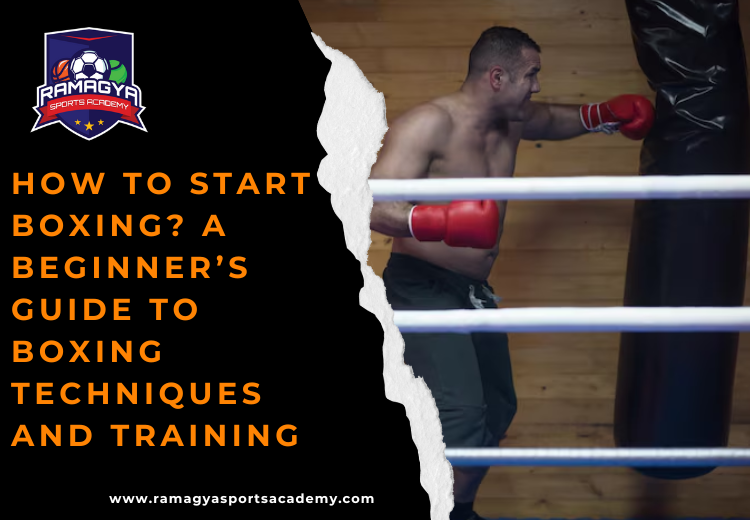
    Boxing is an exciting sport that builds strength, speed, and confidence. If you’re interested in learning how to start boxing, this beginner’s guide will cover the basics, from essential boxing techniques to simple training tips. Whether you want to box for fitness or plan to step into the ring, understanding boxing for beginners can help you begin your journey effectively and safely.

    Why Choose Boxing?

    Boxing isn’t just fighting, it’s a total-body workout which improves the endurance of your body, stability and coordination. It’s a fantastic exercise to build muscle, relieve stress, relax, and master self-defense. A lot of people begin boxing to increase confidence and mental strength. Boxing for beginners is as easy or as intensive as you wish and is appropriate for anyone of all fitness levels.

    How to Start Boxing?

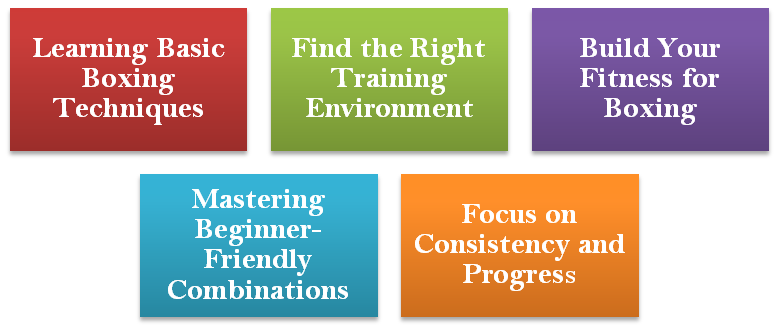
    Step 1: Learning Basic Boxing Techniques

    The first step to begin boxing is knowing the fundamental techniques of boxing. Knowing these basics will allow you to feel more at ease as you advance and keep your training secure. Here are some fundamental tips for beginners to learn boxing:
    How to Start Boxing?

    1. The Boxing Stance: A solid stance is the basis of any boxing technique. Keep your feet shoulder-width apart. the dominant foot slightly back with knees bent slightly, and your hands stop your face. This posture helps stability, mobility, and security.

    2. Basic Punches:

    • Jab: This fast, straight punch is a boxer’s most important tool. Jabs can be used to control distance and help set up other punches.
    • Cross: A strong straight strike using your back hand. It’s a great follow-up to an attack.
    • Hook: It is a punch that is thrown in a circular manner directed at the opposite side of your opponent’s body or head.
    • Uppercut: A downward punch that targets the opponent’s chin. It is particularly useful in close proximity.

    3. Footwork: Footwork is vital for moving in balance, staying clear of punches. For beginners, the basic footwork involves walking forward, backward and in a sideways direction. Training your feet will allow you to stay light on your feet as well as improve the agility of your feet.

    4. Defense Techniques: Learning to defend is just as important as learning how to punch. Start by blocking as well as slips and then ducking. These boxing defensive techniques will ensure your safety during training.

    Step 2: Find the Right Training Environment

    If you’ve learned the basics of boxing skills, the next step to learn the process of starting boxing is to find the ideal training space. It may be a local gym or your own home if you’re only starting out with boxing to keep fit. A gym is a great option for those who want instruction and equipment. However, you can also practice basic drills and shadow boxing at your own home.

    If you’re considering joining the gym, make sure you choose beginner-friendly classes, or instructors who are experienced in boxing for beginners. A welcoming environment can help to learn the basics, without fearing being overwhelmed.

    Step 3: Build Your Fitness for Boxing

    Boxing demands endurance and strength as well as speed, which is why physical fitness is vital. Here’s a quick exercise routine for beginners in boxing:

    1. Cardio Training: Jogging, jumping rope or running can help to increase endurance. The practice of jumping rope is especially popular in boxing for beginners since it enhances footwork as well as cardiovascular health.

    2. Strength Training: Work on bodyweight exercises, such as push-ups, squats as well as the core exercises (e.g. planks, push-ups). They build the strength required to punch efficiently.

    3. Shadowboxing: Shadowboxing is an easy way to learn boxing skills without any equipment. Place yourself in the mirror, take your boxing stance and then go through the simple punches, footwork and defensive techniques. Shadowboxing helps to develop coordination and rhythm.

    4. Bag Work: If you have access to punching bags, make use of it to train your footwork and punches. Begin with basic combinations like jab-cross and concentrate on maintaining your posture and technique.

    Step 4: Mastering Beginner-Friendly Combinations

    In boxing, combos are patterns of punches that are arranged to flow. Training in combinations helps you become more flexible and enables players to stay in suspense. Here are a few easy combinations for boxing beginners:

    1. Jab, Jab, Cross: This is a simple and effective combo to learn how to control distance and add power.

    2. Jab, Cross, Hook: A basic combination that includes a close-range punch, helping you become comfortable with different angles.

    3. Jab, Cross, Uppercut: This combo is useful for targeting the head and body, adding variety to your practice.

    As you progress, concentrate on improving your boxing technique to ensure that each punch feels controlled and smooth.

    Step 5: Focus on Consistency and Progress

    Consistency is essential when you are learning how to start boxing. Begin with a few training sessions each week, then gradually increase the frequency and intensity as you gain. Boxing for beginners may seem intimidating, but with perseverance it will become easier and the skills will become automatic.

    Try setting goals to monitor your performance. For instance, you could set a goal to complete a specific number of shadow boxing rounds or master a particular boxing technique. Set small, attainable targets will help you stay motivated and provide you with satisfaction.

    Tips for Beginners on Staying Safe

    Boxing is physically demanding so it is essential to be safe. Here are some safety tips for beginners in boxing:

    1. Warmup and Cool Down: A proper warm-up protects you from injury and helps prepare your body to train.

    2. Wear Protective Gear: If you are practicing sparring or on a bag you should wear gloves and wraps for your hands. They shield your wrists and hands from injury.

    3. Listen to Your Body: Make breaks as needed Don’t force yourself through discomfort. Recovery is an essential part of a successful training.

    Join Ramagya Sports Academy for Boxing!

    Enjoy the thrill from boxing with Ramagya Sports Academy! Classes are created to improve your speed, power and agility while improving your health and fitness.

    Our enthusiastic coaches are committed to helping you develop both mentally and physically by fostering confidence and self-control along the way. We welcome everyone from beginners to experienced boxers in a welcoming and supportive atmosphere.

    Train in our fully-equipped space, which includes boxing rings and punch bags. Take on the challenge and become part of an online community with a similar enthusiasm. Join today to begin your journey to boxing!

    Conclusion

    Learning how to start boxing may seem challenging, but it’s a rewarding journey. By focusing on fundamental boxing techniques, building a good fitness foundation, and staying consistent, you can make great progress in boxing for beginners. Whether you aim to improve fitness or learn a new skill, boxing offers endless benefits. So lace up your gloves, stay patient, and enjoy the journey of mastering boxing!

  • Should You Workout When You are Sick? 

    Should You Workout When You are Sick? 

    Should You Workout When You are Sick? 

    When you’re feeling under the weather, it can be challenging to decide whether to stick to your fitness routine or take a break. This blog will help you understand the best approach to working out while sick, considering the impact on your body and overall health.

    Should you workout when you are sick? Understanding Your Symptoms

    Before beginning an exercise routine, it’s essential to evaluate how severe your symptoms are. Are they mild – like runny nose – or more serious – like fever and body aches? Understanding your symptoms will enable you to make a more informed decision regarding fitness regime.

    • Common Cold Vs. Flu: Before deciding to work out, it’s essential to assess how you feel. Are your symptoms mild, like a runny nose, or more severe, like a fever or body aches? Understanding your symptoms can help you make an informed decision about your fitness routine.
    • Fatigue Levels: Check your energy levels carefully. If you feel excessively exhausted, that could be an indicator that your body needs rest rather than exercise. Fatigue is often a signal from our bodies telling us they’re working on recovery – pressing through can lead to further setbacks in recovery efforts.
    • Duration of Illness: If you have been sick for several days and still do not feel better, take note: prolonged illness often necessitates extra rest – don’t hurry the process of recovery!

    Benefits of Light Exercise

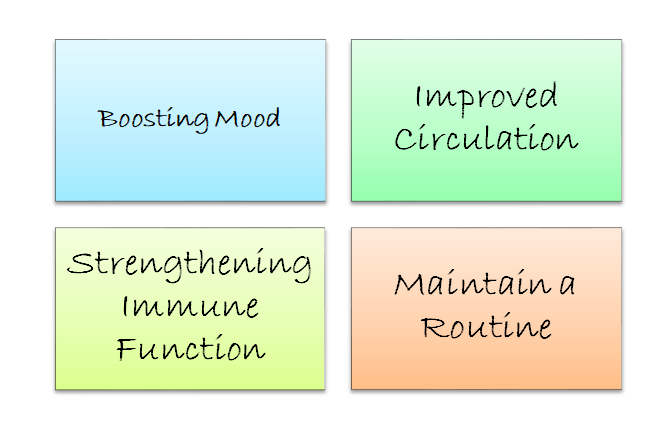
    • Boosting Mood: Light exercise such as walking or stretching can help elevate your mood and provide a sense of achievement. Physical activity releases endorphins which improve overall well-being – even when we’re feeling less-than-great!
    • Improved Circulation: Gentle movements may help promote better blood circulation, which could help your body in fighting off illness more efficiently as well as decrease the feelings of fatigue and stiffness.
    • Strengthening Immune Function: Engaging in light activity can strengthen your immune system. Studies indicate that engaging in regular moderate exercise may reduce colds’ duration and boost your immunity more quickly, helping you recover quicker after getting sick.Benefits of Light Exercise
    • Maintain a Routine: Light exercise can be an invaluable way to keep yourself on track with your fitness goals, providing a steady dose of mental and motivational benefits throughout recovery. This consistency can also help your mental wellbeing and recovery from sickness.

    What Are the Risks of Exercising When Sick?

    What Are the Risks of Exercising When Sick?
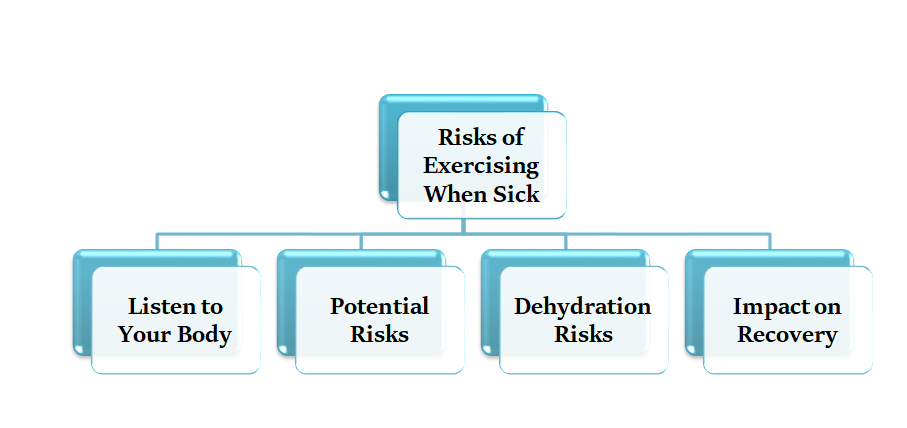
    • Listen to Your Body: When exercising when ill, it’s essential to pay close attention to how your body responds. Pushing yourself too hard could worsen symptoms and lengthen recovery time, further prolonging an illness and disturbing a fitness routine.
    • Potential Risks: Exercising while suffering from severe symptoms can put extra strain on the body. For instance, exercising while suffering from respiratory conditions like coughs or chest congestion could make breathing harder while potentially worsening their condition.
    • Dehydration Risks: When sick, your body can become dehydrated quickly due to fever or digestive issues. Exercising further exacerbates dehydration, potentially leading to dizziness or fainting if performed while not sufficiently hydrated.
    • Impact on Recovery: Overexerting yourself can hinder your healing process. If your body is busy trying to repair itself, adding stress from workouts could prolong their illness and slow your return to regular fitness regimen.

    When to Skip Workout

    • The “Neck Rule”: As a common guideline, one useful way of understanding when exercise may help your condition is the “Neck Rule.” If symptoms appear above your neck (such as mild cold), light exercise may be beneficial; otherwise if they are below it (such as chest cold fever or digestive problems) then not working out may be the best advice.
    • Rest is Essential: Allowing yourself time for rest is critical in recovering from illness; your immune system works hard at fighting against it and adding extra strain from exercise may interfere with its efforts.
    • Persistent Symptoms: If fever, chills or significant fatigue continue to appear for no apparent reason, this is an indicator that your body needs rest and cannot handle exercise at this time. Continuing with exercise could worsen your condition and slow recovery times down further.
    • Seek Professional Advice: When in doubt, consult a healthcare professional. They can check your symptoms and advise whether it’s safe for you to resume physical activity.

    Modifying Your Fitness Routine

    • Modify Your Workouts: If you decide to exercise, consider modifying your fitness routine. Instead of intense workouts, opt for low-impact activities like walking, yoga, or gentle stretching. This allows you to stay active without overexerting yourself.
    • Focus on Recovery: Incorporate recovery practices into your routine, such as proper hydration, nutrition and restful sleep to help the healing process while keeping up some level of fitness. These elements will help your body while keeping up with physical demands of training.
    • Shorter Sessions: When exercising, reduce the duration of each workout session as much as possible to help alleviate fatigue while still maintaining some physical activity. This may help ensure an efficient workout while still remaining active.
    • Listen to Your Body When Exercising: If any discomfort or worsening symptoms appear while exercising, stop immediately and put your health before anything else – this applies particularly if sick. Always put priority on how your body feels before beginning any workout program, particularly while sick.

    Conclusion: Listen to Your Body

    Should you workout when you are sick? When it comes to working out when sick, the decision depends on your symptoms and overall health. While light exercise may provide benefits when dealing with mild cold symptoms, it’s crucial that you prioritize your health first and listen to what your body tells you. Skipping your fitness routine temporarily to allow for recovery is often the best choice.

    Consult a healthcare professional if you have any doubts about exercising when sick. By taking proper care for yourself, taking a break may actually strengthen and revitalize you in return; your body will thank you!

    Read More: Everything You Need to Know About Working Out at Home or Gym

  • What Makes HIIT Effective for Weight Loss?

    What Makes HIIT Effective for Weight Loss?

    What Makes HIIT Effective for Weight Loss?

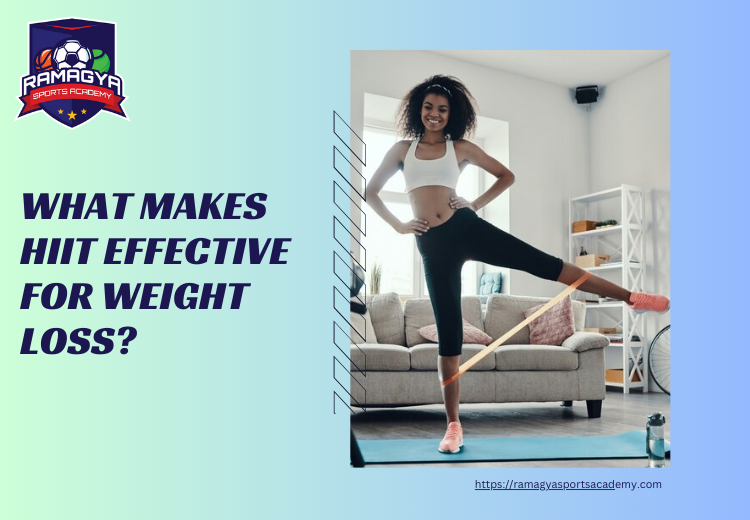
    In recent years, HIIT workouts have become increasingly popular for those wanting to lose weight quickly and efficiently. But what exactly makes HIIT workouts so effective for weight loss? High-Intensity Interval Training, or HIIT, involves short, intense bursts of activity followed by brief rest periods, creating an efficient workout that maximizes calorie burn. 

    Here, we’ll explore why a HIIT workout is a top choice for weight loss and how it helps you shed pounds.

    Why HIIT Workout Burns More Calories?

    The “afterburn” effect is one of the key reasons why HIIT is effective in weight loss. After intense exercise, the body requires extra oxygen for recovery and restoration. This phenomenon is scientifically known as “Excessive Post-Exercise O2 Consumption” (EPOC). It causes your body to burn calories after you stop working out. In contrast to steady cardio where the calorie burning stops once you’ve finished, HIIT weight loss workouts continue to burn calories for several hours.

    Top benefits of HIIT workouts for weight loss

    1. Efficiency and Time-Saving

    The efficiency of a HIIT exercise is one of its top benefits. You can burn calories in just 15-20 minutes. Those with busy schedules will find HIIT a great workout.

    2. Increased Fat Burning

    High-intensity workouts are effective for weight loss. Studies show that high intensity exercise burns fat, not muscle. This means you can lose weight without losing muscle. A HIIT is the perfect workout if you want to slim down but keep your strength.

    3. Boosted Metabolism

    Your metabolism will increase during a HIIT exercise and remain elevated afterward. This is particularly helpful for weight-loss as it means you burn more calories throughout the day. The long-lasting effect of HIIT exercises for weight-loss makes them an effective tool for burning calories.

    4. Improves Heart Health

    Exercises that are high intensity and short in duration can be beneficial for cardiovascular health. They can also help you lose weight.

    HIIT workouts for weight loss

    1. Tabata-Style HIIT Workout

    • 20 burpees followed by 10 seconds rest
    • High knees for 20 seconds, then 10 seconds rest

    Repeat this for 4 minutes

    Although this workout is short, it is intense and great for burning calories.

    2. Bodyweight HIIT Circuit

    • 30 seconds of squats followed by 10 seconds rest
    • 30 seconds of push ups followed by 10 seconds rest
    • 30 seconds of jumping Jacks, followed by 10 seconds rest

    This circuit can be repeated 3-4 times to burn calories quickly.

    3. HIIT Cardio Exercise on the Treadmill

    • Sprint for 1 minute, walk for 1 minute

    Repeat for 15-20 minutes. The combination of cardio and high intensity makes this workout perfect for weight loss.

    Tips to Get the Most Out of HIIT Workouts For Weight Loss

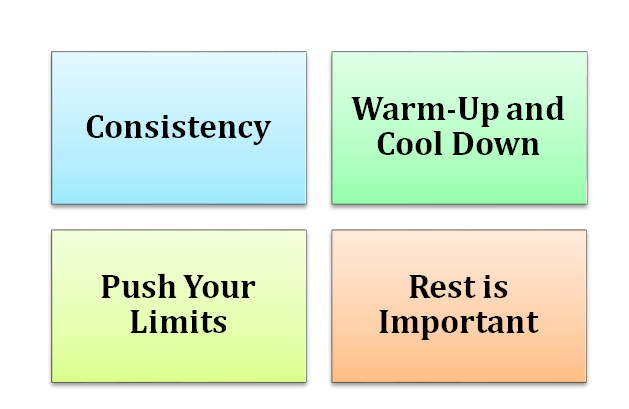
    1. Consistency: Your body will respond to a regular exercise schedule better if you are consistent.

    2. Warm-Up and Cool Down: HIIT is a high intensity workout that can be intense. To prepare your muscles, always begin with a warm up and finish with a cool down to help in recovery.

    Tips to Get the Most Out of HIIT Workouts For Weight Loss

    3. Push Your Limits: HIIT is all about intensity. To maximize your calorie burning, push yourself to the limit during these short bursts.

    4. Rest is Important: Because of the intensity and duration of HIIT sessions, it is important to give your body time to recover. Allow your muscles to rest between HIIT sessions.

    Why choose hiit workout?

    Why choose hiit workout?

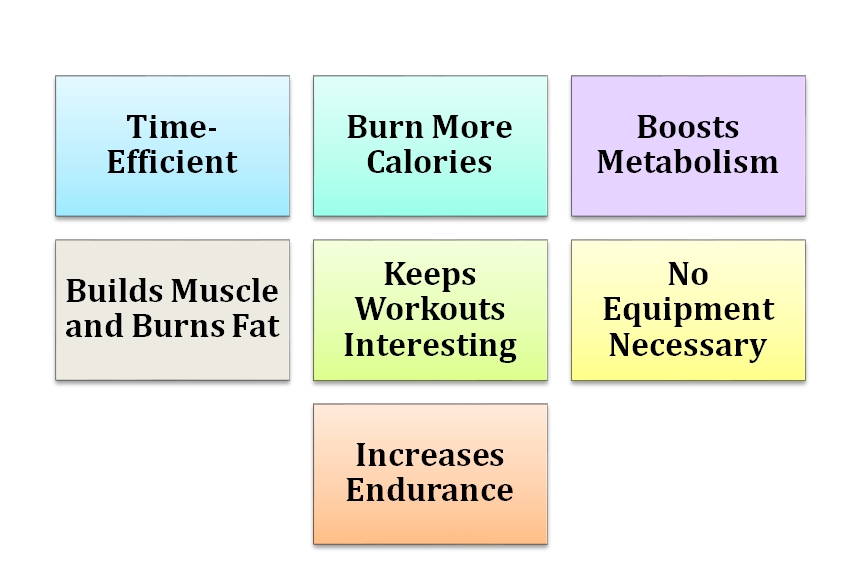
    1. Time-Efficient

    These workouts tend to be shorter than other workouts. They can last anywhere from 20-30 minutes. Because of this, they are perfect for those with busy schedules.

    2. Burn More Calories

    HIIT can burn more calories in a shorter period compared to steady-state cardio. The high intensity means you’re working harder, leading to greater calorie expenditure.

    3. Boosts Metabolism

    The intense bursts of activity increase your metabolism, allowing you to burn calories even after your workout is over. This effect is known as excessive post-exercise oxidation (EPOC). It can last hours.

    4. Builds Muscle and Burns Fat

    HIIT is a combination of strength training and cardio exercises that promotes muscle building while also promoting fat reduction. Over time, this leads to a better body composition.

    5. Keeps Workouts Interesting

    HIIT is a great way to keep your workouts interesting. By mixing and matching exercises, you can prevent boredom and maintain motivation.

    6. No Equipment Necessary

    You can do many HIIT exercises with your own body weight. This makes them easy to do anywhere, at home, the gym or outside.

    7. Increases Endurance

    HIIT increases both anaerobic and aerobic fitness. It helps you to become stronger and more resilient when participating in sports and other physical activities.

    Tips for getting the best out of HIIT workouts

    Here are some tips to help you get the most out of your HIIT workouts.

    1. Warm Up Properly

    Warm up your body with 5-10 minutes of dynamic stretching, light jogging or mobility drills to increase your heart rate. These exercises can reduce your risk of injury and help you raise your heartrate.

    2. Focus on Form

    Correct form is essential to avoid injuries and maximize your effectiveness. Make sure you do each exercise correctly, even if that means reducing the intensity or slowing down.

    3. Push Yourself During Intervals

    Don’t be afraid to give your best effort during the HIIT intervals.

    4. Use a Timer

    Many apps and interval-timers are available to help you keep track of the sessions.

    5. Stay Hydrated

    Stay hydrated before, during and after your workout. Water is essential to maintain performance and to aid in recovery.

    6. Mix Up Your Exercises

    Include a variety of exercises to target various muscle groups. Combine cardio, strength and bodyweight movements.

    7. Cool Down and Stretch

    Take 5-10 minutes after your workout to stretch and cool down. It will help your heart rate to return to normal, and it will reduce muscle soreness.

    Conclusion

    In conclusion, HIIT workouts are highly effective for weight loss because they maximize calorie burn in a short amount of time and boost metabolism. Incorporating HIIT into your routine can lead to significant weight loss results and promote a healthier lifestyle. Embrace the challenge and see your fitness journey transform!

  • Ankul Thakur Wins Silver and Bronze at UP State Roller Skating Championship

    Ankul Thakur Wins Silver and Bronze at UP State Roller Skating Championship

    Ankul Thakur of Class 12A has showcased outstanding talent at the 10th Uttar Pradesh State Roller Skating Championship 2024, held at AAO-JIO Skating Club, Noida, from November 7 to 10. Competing in the Senior Speed Quad Category, Ankul secured second place in the 3000m event and third place in the 1000m and 500m events, winning one silver and two bronze medals. 

    Guided by Coach Sachin Kumar, Ankul’s dedication and hard work have earned him a place in the Uttar Pradesh Speed Skating Team for the upcoming 62nd National Roller Skating Championship to be held in Mysore from December 5 to 15. 

    This achievement reflects his commitment to excellence and makes us immensely proud. Best wishes for continued success!

  • What Are the Benefits of Playing Chess for Brain Development? 

    What Are the Benefits of Playing Chess for Brain Development? 

    Chess has often been seen as a game that requires intelligence, strategy and skill. Did you know playing chess has many benefits for the brain? This game can help you improve your cognitive function, sharpen your brain, and boost problem-solving skills. 

    Let’s explore the various benefits of playing chess, learn how to play chess if you’re a beginner, and understand how chess competitions work.

    Benefits of Playing Chess for Brain Development

    It’s not just a fun game, but a way to improve your mental health. Here are the most important benefits of playing chess:

    Benefits of Playing Chess for Brain Development
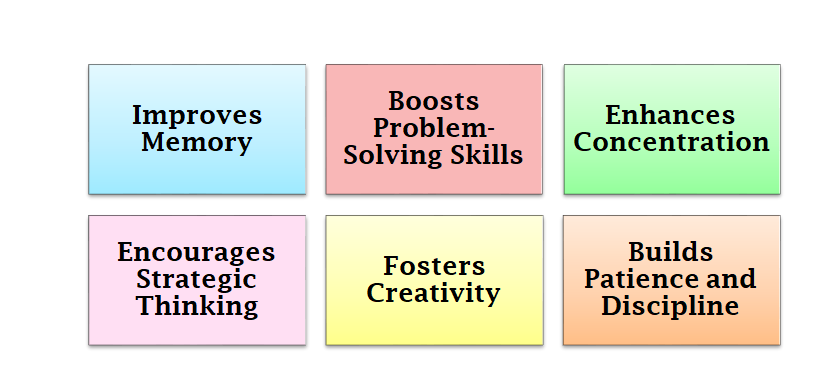
    • Improves Memory: While playing chess you have to remember past moves, strategies and positions. This helps your brain retain information and recall it at the right time. This helps to improve your short-term as well as long-term memory.
    • Boosts Problem-Solving Skills: One of the most valuable benefits of playing chess is that it teaches you how to think critically and solve problems. You are always faced with decisions in chess that require you think ahead, predict your opponent’s move, and find solutions.
    • Enhances Concentration: Chess requires a high level of concentration. You will become better at concentrating over long periods of time the more you play. This can help you focus better on your daily tasks, studies, and work.
    • Encourages Strategic Thinking: Chess encourages strategic thinking because every move is important. You will learn to think strategically and plan your moves several moves in advance.
    • Fosters Creativity: While chess may seem like a rigid game, it actually requires a lot of creativity. The creative side of your brain is stimulated when players are forced to think up new moves to get out of tricky situations or to surprise their opponent.
    • Builds Patience and Discipline: Chess teaches patience. It’s important to be patient and have discipline. These are traits that can be used in both chess and everyday life.

    How to Play Chess for Beginners

    If you’re new to the game, don’t worry! Learning how to play chess for beginners is easy, and with practice, you’ll improve quickly. Here’s a basic guide to help you get started:

    1. Chess Board and Pieces: Chess is played on a board that is divided into 64 squares of alternating color (black and White). Each player has 16 pieces, including a king, a queen, two rooks and two knights. There are also two bishops. Checkmate is the goal, where you try to capture your opponent’s King.
    1. Basic Moves:

        – Pawns: Move forward one square but capture diagonally.

        – Rooks: Move any number of squares horizontally or vertically.

        – Knights: Move in an “L” shape, two squares in one direction and then one square at a right angle.

        – Bishops: Move diagonally any number of squares.

        – Queen: Can move in any direction, both horizontally and diagonally, for as many squares as available.

        – King: Moves one square in any direction.

    1. Special Moves:

        – Castling: A move where the king and rook move simultaneously to protect the king.

        – En Passant: A unique pawn capture that can happen only under certain conditions.

        – Promotion: When a pawn reaches the other side of the board, it can be promoted to any piece (except a king).

    1. Check and Checkmate: If your opponent’s king is under attack, they are in “check” and must make a move to protect it. If the king cannot escape, it is “checkmate,” and the game ends.

    Entering Chess Competitions

    Once you’ve learned the basics of chess and practiced enough, you might want to enter a chess competition. Competing against other players can help you improve your skills and push your mental limits.

    Here are a few tips for participating in a chess competition:

    After you have mastered the basic rules of chess, and you have practiced enough to master them, you may want to participate in a chess tournament. You can improve your skills by competing against other players.

    Here are some tips on how to participate in a chess tournament:

    how to participate in a chess tournament

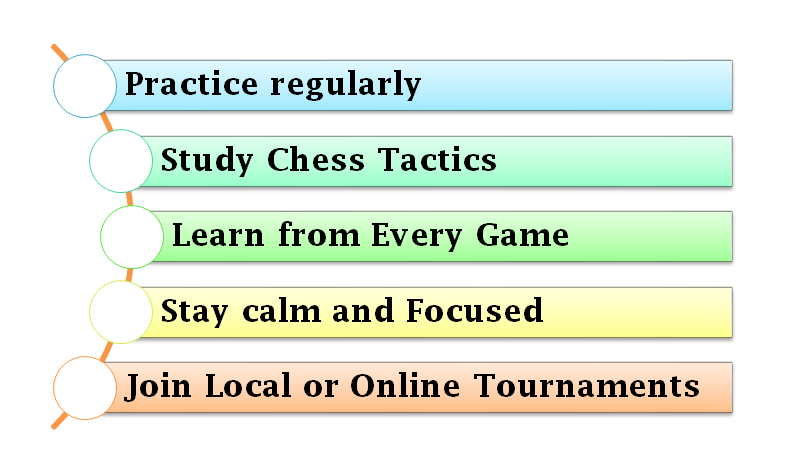
    1. Practice regularly: Practice as much as possible before entering a chess competition. You can develop your strategies by playing with family members, friends or online opponents.

    2. Study Chess Tactics: The top players in chess tournaments are familiar with common tactics, such as pins, forks and sacrifices. These can give you a competitive edge.

    3. Learn from Every Game: Each match, no matter if you win or not, will teach you something. Analyze the games you played to see what went well and where you can improve.

    4. Stay calm and Focused: Chess tournaments are intense. But staying calm and thinking clearly is crucial. Focus on every move. A single mistake could cost you the match.

    5. Join Local or Online Tournaments: You do not have to be a Grandmaster to participate in a chess Competition. Competitions are available for all levels of players, from beginners to experts. Start with smaller events and work your way to the more competitive ones.

    Master the Game of Kings Chess at Ramagya Sports Academy

    Ramagya Sports Academy is the top destination for aspiring players of chess in Noida. The academy is committed to nurturing young talents and cultivating a love of the game. It emphasizes chess as a powerful and effective tool for intellectual development.

    We offer modern facilities and coaches with great experience to help players of any age and ability. Expert instructors will guide you on your chess journey, whether you are a beginner or advanced player.

    The curriculum is comprehensive and covers every aspect of the game including tactics, strategies, openings, middlegames, endgames as well as psychological preparation. Ramagya Sports Academy aims to help students improve their chess abilities.

    Conclusion

    It’s clear that benefits from playing chess go beyond having fun. Chess helps develop the brain in many ways. It can improve memory, concentration and patience.

    So, why not give it a try today? You’ll not only improve your brainpower but also discover a new passion!

    Frequently Asked Questions (FAQs)

    What age is best to start teaching kids chess?

    Kids can usually start learning chess around age 5 or 6, but it really depends on the child.

    Can playing chess help kids do better in school?

    Yes, some studies show that playing chess can help improve math and reading skills because it encourages logical thinking.

    How can I teach my child the basics of chess?

    Start by explaining the rules and how each piece moves. You can use fun online resources, apps, or kid-friendly books.

    Which chess academy is best for beginners?

    Many academies welcome beginners, but it’s good to find one like Ramagya Sports Academy that focuses on teaching the basics in a supportive way.

  • Double Gold for Divisha Nandurkar at the 4th Kaikan Open Karate Championship 2024

    Double Gold for Divisha Nandurkar at the 4th Kaikan Open Karate Championship 2024

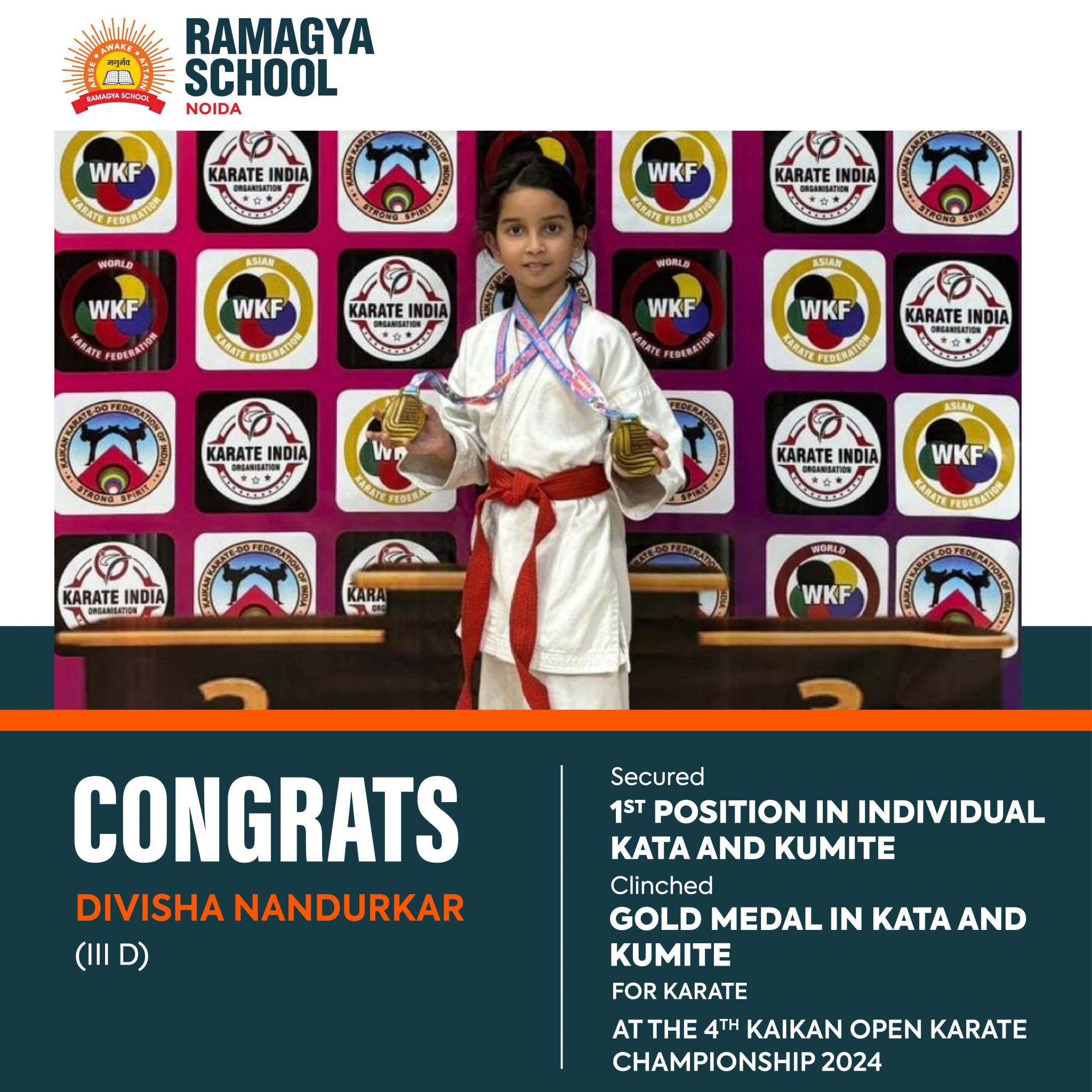
    We are proud to announce that Divisha Nandurkar of Class 3D has achieved an incredible milestone at the 4th Kaikan Open Karate Championship 2024, held at Rise Sport School, Noida. Competing in the Sub-Junior category, she claimed gold in Individual Kata and gold in Individual Kumite, securing first place in both events. 

    Divisha’s exceptional talent, focus, and determination have set a benchmark of excellence for young athletes. Her achievement not only highlights her dedication but also inspires her peers to strive for greatness. 

    Congratulations, Divisha, on this phenomenal success! Your hard work has truly paid off. We look forward to many more victories in the future!

  • Shashvat Sachan Wins Gold at the 4th Kaikan Cup Open Karate Championship 2024

    Shashvat Sachan Wins Gold at the 4th Kaikan Cup Open Karate Championship 2024

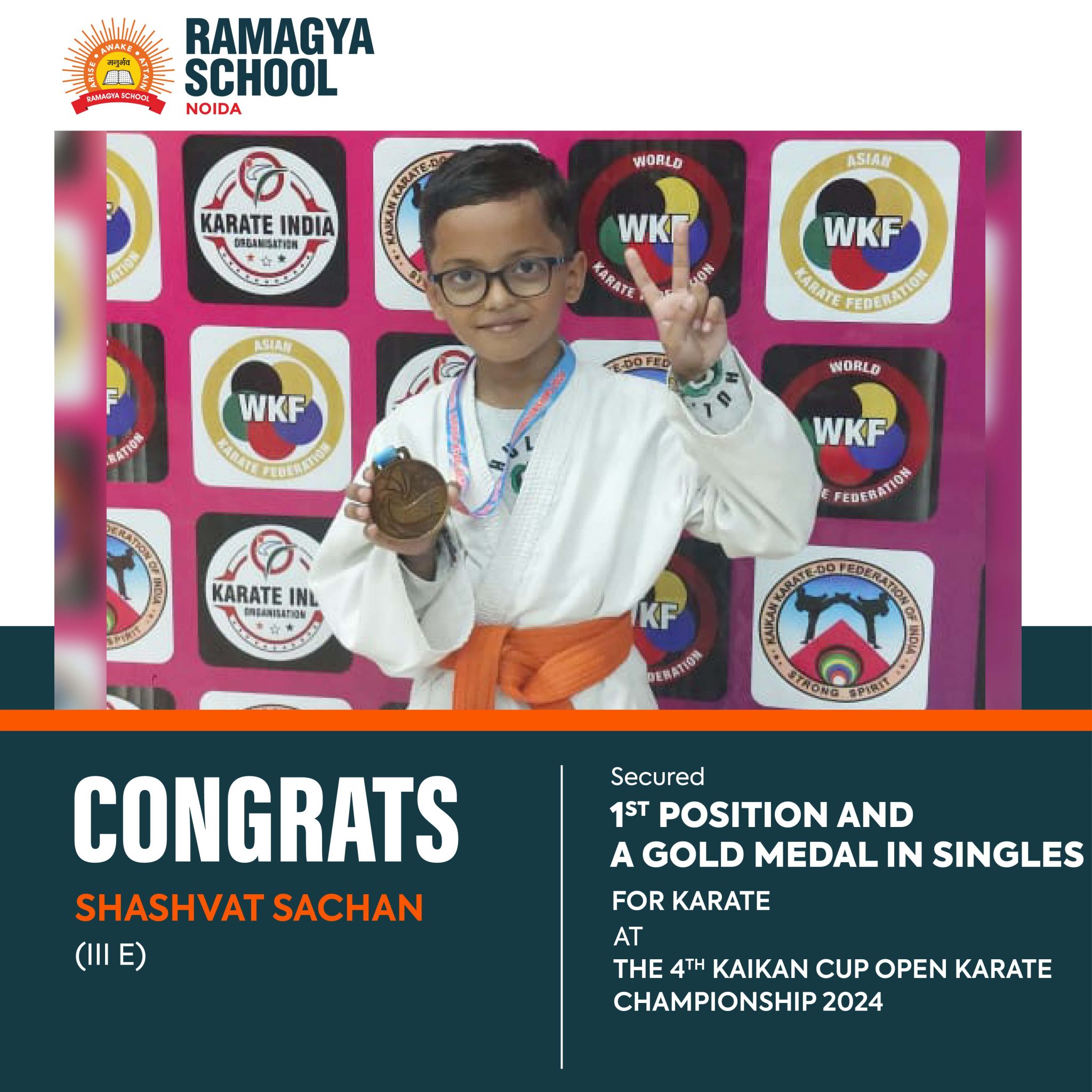
    We are delighted to celebrate the remarkable achievement of Shashvat Sachan from Class 3E, who secured the gold medal in the Under-7 Boys category at the 4th Kaikan Cup Open Karate Championship 2024, held at Rise Sports School, Noida.

    Competing in the singles event, Shashvat’s outstanding performance earned him 1st place, showcasing his exceptional talent, dedication, and discipline.  

    His success not only makes us proud but also inspires his peers to pursue excellence with the same determination. 

    Congratulations, Shashvat, on this outstanding accomplishment! Keep shining!

  • What is Contemporary Dance?

    What is Contemporary Dance?

    What is Contemporary Dance?

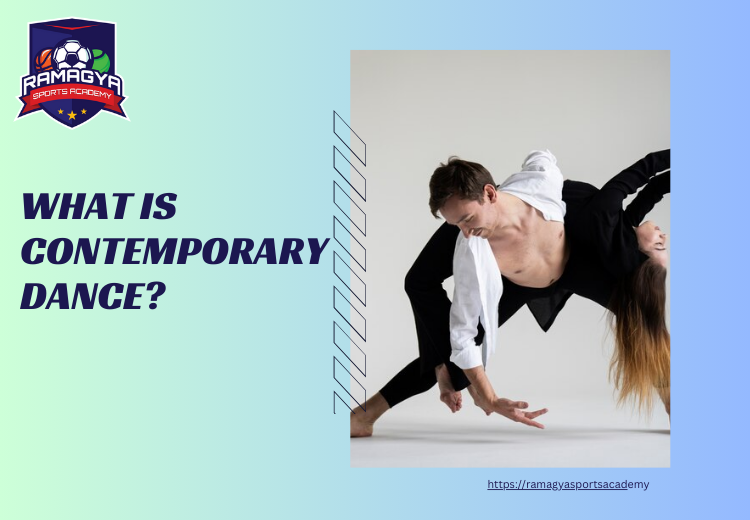
    Contemporary dance is a unique form that blends various movements and techniques into an expressive performance, emphasizing emotions and ideas through movement. As opposed to more traditional forms, contemporary dance allows dancers to explore more freely their bodies and the space around them, including ballet, jazz, and modern dance, contemporary dance is highly versatile.

    Contemporary dance is highly adaptable and improvisatory techniques from each of these genres make each performance special and engage the audience while conveying stories and emotions through movement and inviting viewers to interpret and respond to its art as they see fit.

    The Origins of Contemporary Dance

    Contemporary dance first emerged as a movement within dance during the early 20th century as a reaction against more classical forms, specifically ballet. While ballet relied heavily on strict technique, contemporary dance allowed for greater freedom of movement and personal expression through personal expression through dance. Contemporary dance emerged due to pioneering choreographers exploring new ways of moving and telling stories through dance.

    Isadora Duncan was one of the early innovators of contemporary dance. She believed dance should reflect natural body movements rather than rigid poses. She advocated fluidity and grace drawn from nature and everyday life as sources of inspiration. Martha Graham introduced dance as an expressive means to convey emotions and narratives by emphasizing natural body movements to communicate deeper feelings.

    Contemporary Dance Today

    Contemporary dance has never been more prevalent, appearing at theaters, dance festivals and public spaces alike. Dancers trained in various styles bring their unique voices to the art form while choreographers push boundaries by exploring themes, technologies and movement possibilities that open new horizons for choreographers and their dancers alike.

    Dance companies around the world showcase contemporary works, often collaborating with artists from different disciplines, such as theater, music, and visual arts. This interdisciplinary approach enriches the experience for both performers and audiences, creating innovative and thought-provoking performances.

    1. A Fusion of Styles: The Eclectic Tapestry of Contemporary Dance

    Contemporary dance is an exhilarating mix of different forms of movement that include ballet, jazz and modern dance components. This eclectic tapestry creates an exciting, dynamic art that allows dancers to transcend traditional boundaries while exploring new possibilities that come alive through movement. As opposed to classical ballet which can often be rigid in terms of technique and interpretation, contemporary dance is more flexible, celebrating creativity while providing dancers an outlet to demonstrate imagination through varied moves as well as gestures.

    1. The Power of Improvisation: Embracing Spontaneity in Contemporary Dance

    Contemporary dance stands out as being unique because of its emphasis on improvisational techniques. Improvisation accelerates every performance with spontaneity and emotional depth, in stark contrast with choreographed routines of other dance forms. Contemporary dancers frequently participate in improvised patterns which allow them to respond instinctively to music, exploring depth of artistic inclinations while creating an air of uncertainty among audiences with spontaneity of dancers and freedom of expression.

    1. Embodying Narrative Through Movement: The Expressive Potential of Contemporary Dance

    Dance is an effective means of storytelling, enabling dancers to convey stories while stirring emotions through movement. Combining movements, spatial dynamics and theatrical elements with dance performances, contemporary dancers bring abstract concepts and emotional issues alive for viewers through movement – whether it’s the loss of love or reflection on social issues; contemporary dancing allows audiences to engage emotionally in an experience through dance. Dancing in the present can also provide an effective means of conveying human emotion without words to make an emotional statement that resonates.

    1. The Evolution of Contemporary Dance Steps: Innovations and Boundless Creativity

    Contemporary dancers’ step dance repertoire can be identified by its constant evolution as choreographers and dancers search for innovative ways to convey their ideas through dance. Ranging from delicate floor movements to rapid turns and leaps, contemporary dance steps showcase its infinite imagination and creativity inherent in this form of art. Dancers add personal interpretations into every move they perform bringing life and emotion to each performance they deliver.

    Conclusion

    At the conclusion of our lessons in contemporary dance steps, we hope that you have gained an increased awareness of its many artistic qualities. You may be inspired to begin dancing or simply marveled by its beauty. Contemporary dance steps provide us with endless opportunities for expression through art while honoring body language as a form of communication.

    Let the stunning, mesmerizing beauty of contemporary dance inspire your imagination and awaken your senses as you immerse yourself in its dynamic world of expression and enthusiasm!

    Frequently Asked Questions:

    1. Is contemporary dance good for beginners?

    Yes! Contemporary dance is great for beginners. Many dance classes offer lessons for all skill levels, focusing on basic movements and encouraging creativity.

    1. How does contemporary dance promote physical fitness in children?

    Contemporary dance involves various movements that enhance strength, flexibility, coordination, and endurance. Regular participation helps kids stay active and healthy.

    1. Can contemporary dance improve social skills in children?

    Yes! Dance classes encourage collaboration and teamwork, helping kids build friendships and develop important social skills.

    1.  Why is contemporary dance important for kids?

    Contemporary dance is important for kids because it encourages creativity, confidence, and self-expression. It’s a fun way for them to explore their feelings and connect with others through movement.

  • Rabeeb Ali Khan Secured 2nd Position and a Silver medal at the AITA National Ranking Championship

    Rabeeb Ali Khan Secured 2nd Position and a Silver medal at the AITA National Ranking Championship

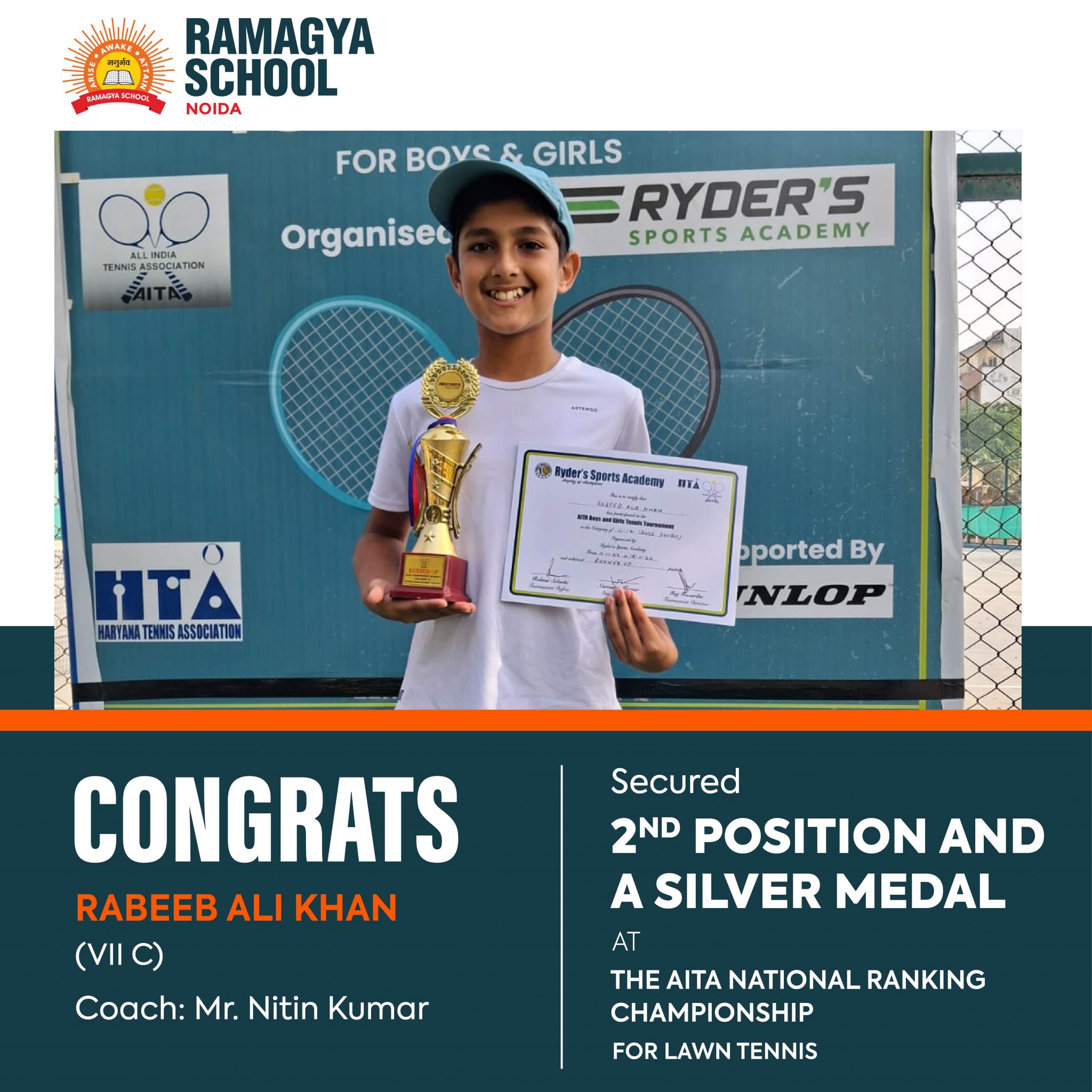
    We are proud to announce that Rabeeb Ali Khan, a 7th-grade student from Section C, has achieved remarkable success by securing 2nd place and winning a silver medal at the AITA National Ranking Championship. Competing in the U-14 Boys Doubles category at Ryders Sports Academy in Gurugram, Rabeeb demonstrated exceptional skill and determination throughout the tournament. 

    His performance reflects not only his talent but also the hard work and dedication he has put into his training. We extend our heartfelt congratulations to Coach Nitin for his guidance and support, which have been instrumental in Rabeeb’s achievement.

    This accomplishment serves as an inspiration to all our students to pursue their passions and strive for excellence in their respective fields.