Blog
-
How to Choose the Right Zumba Class for beginners?
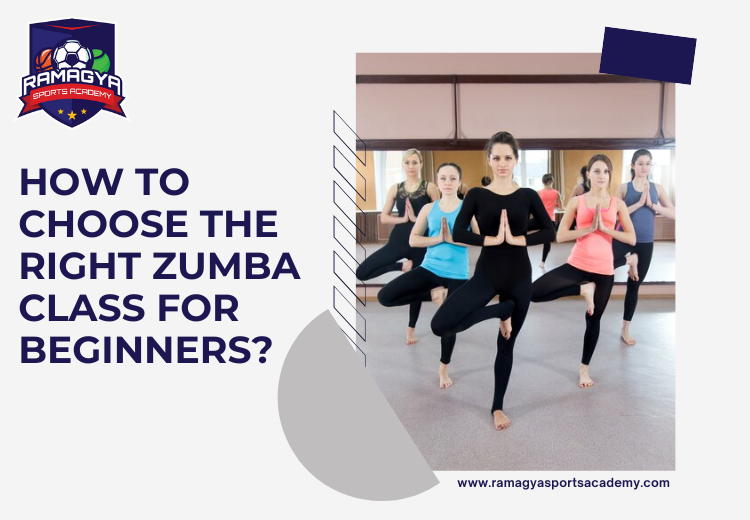
Zumba has become one of the most popular forms of exercise worldwide. It’s an energetic, fun workout that mixes dance routines with fitness that make it enjoyable for all people of all different ages. Zumba classes aren’t just the perfect opportunity to get fit but are also well-known for their effectiveness in helping in weight loss.
If you’re an aspiring beginner, finding the ideal zumba class may seem overwhelming. In this article we’ll guide you through how to pick the right zumba class for beginners, and how it can aid in fitness goals such as weight loss.
- Understand What Zumba Is
Before you can select the best class, it’s important to know the basics of what zumba is. Zumba is a kind of fitness through dance that is influenced from Latin songs and styles of dance such as salsa, merengue, reggaeton and the samba. zumba classes mix the dance moves with aerobic exercise, making it a stimulating and effective exercise. Many people enjoy zumba dance for weight loss because it helps burn calories quickly while allowing them to have fun.
For people who are just beginning, zumba may feel like an intense workout, but it’s simple to follow after you master the basic movements. This is why picking the best zumba classes for beginners is crucial to ease you into the routine.
- Look for Zumba Classes Specifically for Beginners
If you are looking for zumba classes for beginners, it is important to ensure it is created for those who are not familiar with zumba and group fitness. Classes for beginners typically move at an accelerated pace, which means you get time to master the basics before moving towards more complex routines.
Why it’s important: Jumping into a high-intensity zumba class without prior experience might be overwhelming, which can discourage you from continuing. A beginner’s class helps build your confidence and gradually increases your endurance and skill.
While looking for zumba classes for beginners, look for terms like “beginner-friendly,” “low-intensity,” or “introductory” in the class description.
- Check the Instructor’s Qualifications
The instructor plays a major part in how efficient as well as enjoyable your zumba class will be, particularly in the beginning stages of getting started. Find instructors who are qualified to lead zumba classes because they are trained to help beginners and design classes that are enjoyable and appropriate for everyone’s fitness level.
Why it’s important: An experienced instructor is able to adapt steps to suit different levels of fitness and make sure that everyone, even those who are new to the sport, are comfortable. They can help you learn zumba fun and easy.
While attending zumba classes for beginners, having a supportive instructor who explains moves clearly and gives helpful tips will make your experience much smoother.
- Consider the Class Size and Atmosphere
For those who are just beginning, it’s important to feel at ease within the classroom. Classes that are smaller usually offer the most personal attention, and allow the instructor to provide feedback on your movements. However, bigger classes typically have energy-filled atmospheres, which can be a great motivator if you are a fan of dancing in crowds.
Why it’s important: Being at ease and supported during your zumba classes can ensure that you remain constant and motivated. A positive environment in the class is essential for newbies particularly when you’re learning new moves and increasing your fitness.
Before signing up, it might be helpful to attend a trial session to get a feel for the atmosphere of different zumba classes.
- Find a Class That Fits Your Schedule
Consistency is key when it comes to fitness, especially if you’re doing zumba dance for weight loss. Finding a class that fits well into your daily or weekly schedule will make it easier for you to stick to your routine.
Why it’s important: When the class timings are not convenient it is more likely that you’ll skip classes, which can make it more difficult to see the outcomes from your zumba exercise. Select classes that are offered at the times you’re likely to attend regularly.
Whether it’s morning, afternoon, or evening, try to find a class that aligns with your availability so you can stay consistent with your fitness journey.
- Pay Attention to the Style of Music
Music is a large element that makes zumba enjoyable and efficient. Because zumba dance is built on Latin music, the majority of classes will include beats from merengue, salsa, and reggaeton tracks. However, different instructors might include a variety of music styles, like hip-hop, pop, or Bollywood beats.
Why it’s important: Music helps keep the students motivated and sets the tone for the lesson. If you’re a fan of the music it’s more likely that you’ll enjoy yourself and remain engaged. In the event that you’re not a lover of a certain style of music this could reduce the enjoyment of your workout.
For zumba classes for beginners, the music is usually upbeat but not too fast, making it easier to follow the dance moves. Some studios allow you to preview the class playlist or attend a trial session to see if you like the music.
- Choose Classes That Focus on Weight Loss
If you are looking to lose weight, make sure the class is focused on helping the participants burn fat through intense workout routines. Zumba dance to lose weight* is extremely effective due to the fact that it incorporates cardio as well as toning exercises, which makes it an all-body exercise.
Why it’s important: Certain zumba dance for weight loss might be specifically designed for enjoyment or socializing, whereas others are more focused on fitness particularly those that are geared towards weight loss. Be sure to look for classes that emphasize burning calories or high intensity cardio in case weight loss is what you are looking for.
In general, zumba classes are great for shedding pounds, but some may include more strength-building exercises, which also help with long-term weight management.
Discover the Joy of Zumba at Ramagya Sports Academy
Zumba at the Ramagya Sports Academy is an enjoyable way to increase fitness through high and low-intensity workouts that improve cardiovascular health, balance and coordination. It doesn’t require any dance experience. Just take part and follow the music!
Many are reluctant to try zumba as they believe it’s a dance, however it’s an exercise for everyone. Our classes, in collaboration with Trikaal, start with a warm-up song that is followed by high-intensity workouts followed by songs to cool you down. The 60-minute workout burns 369 calories on average which makes it an excellent option for fat loss and toning.
Join the best zumba classes in Noida!
Conclusion
Selecting the best zumba classes for beginners is important to ensure an enjoyable and positive experience. It doesn’t matter if you’re looking to have fun, or increase your fitness, choosing a zumba dance for weight loss that is suitable for your needs and level is essential.
Be sure to search for classes that are suitable for beginners, certified instructors, a relaxing classroom, and sessions that work with your schedule. When you pick the best zumba class will set you up to be successful in your fitness journey and make exercise something you’re excited about every day!
-
The Evolution of Kickboxing: Trends, Challenges, and Innovations
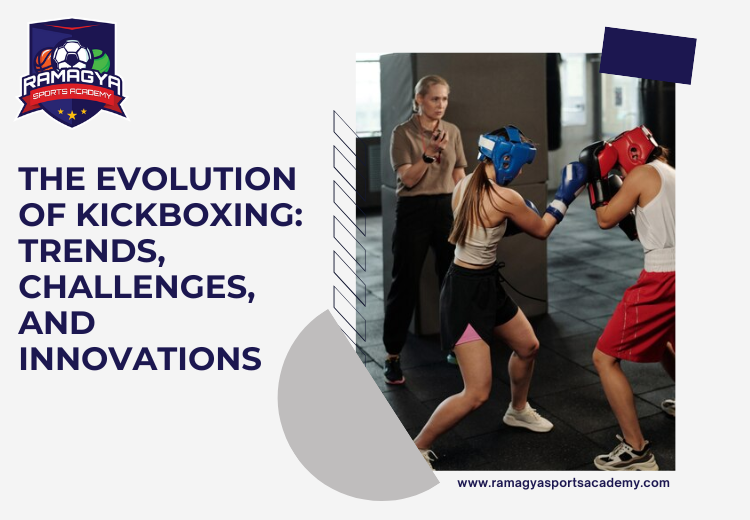
Kickboxing, a form of sport that combines boxing and martial arts has a rich and long history that goes back to the 1960s both in Japan as well as in the United States. Through the years it has seen a significant change and has adapted to the changing technological advancements, changing times and expectations of the public. This blog will look at the current state of kickboxing and its future direction as well as the challenges it will face as well as the exciting new developments which are influencing its direction.
Understanding Kickboxing
Kickboxing is a sport of combat which involves players using punches and kicks in order to gain points or slash their opponents. It blends elements of boxing, Karate, Muay Thai and different martial art disciplines.The sport gained attention due to its energy and excitement as well as the skilled skills displayed by its competitors.
Current Trends in Kickboxing
- Global Growth: Kickboxing has grown beyond its roots within Japan as well as it has spread to the US to become an international phenomenon. Countries such as Thailand and the Netherlands and Brazil have come up with their own styles and created top athletes.
- Integration of technology: Technology has changed kickboxing moving from streaming live games to the latest training tools. The athletes now utilize video analysis, wearable technology as well as virtual training programs to improve their performance and strategies.
- Female Participation: Kickboxing for women has seen an increase in participation and interest. Events such as International Female Kickboxing Association (IFKA) World Championships highlight the ability and dedication of female athletes.
- Cross-Training:The practice of cross-training is common among kickboxers. train across a variety of disciplines, including Brazilian Jiu-Jitsu, wrestling and strength conditioning in order to enhance their overall fitness and levels.
Challenges Faced in Kickboxing
1. Insufficient recognition in mainstream media: As compared to other sports, such as boxing and MMA (Mixed Martial Arts) kickboxing has a tough time gaining mainstream media recognition and coverage in certain areas.
2. Regulation Issues: Disparities in rules and regulations among countries and organizations can cause confusion, which can affect the consistency of the sport and its development.
3. Injury Management: The impact nature of the sport creates questions about injuries in athletes. Training, medical assistance and safety procedures are crucial.
4. Financial issues: A lot of kickboxers have financial issues, as they rely on prize money and sponsorships. Making sustainable careers is an obstacle of immense magnitude.
Innovations- Shaping Kickboxing’s Future
- Virtual Reality Training: Virtual reality (VR) lets athletes simulate sparring sessions and visualize strategies in a controlled setting improving their abilities and schema.
- Augmented Reality: Augmented Reality is a great way to entertain spectators AR technologies offer fans an immersive experience, which includes live stats in real time of fighters, fighter profiles, and interactive content at live events.
- Sustainable Events: Event organizers are looking at environmentally friendly methods including cutting down on carbon footprints and waste in order to make events more environmentally sustainable.
- Rules that are adaptive: Organizations are trying out rule changes to make games more thrilling while also ensuring safety of athletes and fairness.
The Future of Kickboxing
In the future, kickboxing’s potential looks promising, thanks to continued innovation and a global audience. As the sport is gaining more recognition through digital platforms and international events, it’s attracting new generations of athletes and fans. The acceptance of diversity, technological advances along with sustainable techniques will play a major role in determining the evolution of kickboxing.
Inside Ramagya Sports Academy’s Elite Kickboxing Training
Ramagya Sports Academy, renowned for its quality and top-of-the-line facilities, offers a wide range of kickboxing training programs taught by skilled professionals. The academy has a partnership with the ‘KNOCKOUT FIGHT CLUB‘ offering more than 15 years of expertise in training to the sport.
It is one of the best kickboxing academies in Noida giving the best kickboxing training. Join this kickboxing academy for the best kickboxing training. This is why you should think about joining:
- Get expert instruction by certified kickboxing instructors in Noida. Our instructors have years of knowledge of the sport, and will provide top-quality instruction to help you develop your skills.
- Our facilities of the highest quality include well-maintained facilities for training as well as modern amenities that enhance your learning experience.
- Our kickboxing classes cater to all ages, and cover punches, kicks and knee strikes, as well as defensive moves to provide an extensive learning experience.
- Our trainers give you individualized assistance and instruction that is specific to your needs and learning style, so that you receive the assistance needed to be successful in kickboxing.
Conclusion
The sport of kickboxing continues to grow as a sport that combines traditional with the latest. From its humble beginnings, to international recognition, the sport has faced challenges and accepted new technologies to remain relevant. As we progress in a more inclusive direction, addressing issues with regulatory compliance and making use of technology will be essential to the growth and sustainability of kickboxing. No matter if you’re an or an athlete this is a sport that will bring the possibility of excitement and growth worldwide.
In the end the kickboxing sport isn’t merely an activity, it’s an exercise in skill strategies, determination, and perseverance and shaping its future with every kick and punch in boxing.
-

Dwaita Kundu Wins BRONZE in 50 Meter Race at SFA Athletics Championship
We are happy to share that Dwaita Kundu from Class 4A has won a BRONZE medal in the 50 Meter Race at the SFA Athletics Championship. Competing at the NCR Open Athletics Championship held at Nehru Stadium, Dwaita finished 3rd in the U-10 Girls category, showcasing her impressive speed and skill.
This achievement highlights her talent in athletics and enhances our school’s reputation. We congratulate Dwaita on this great success and thank Coach Gautam Vedi for his support. Her accomplishment is a proud moment for our school community, and we look forward to her continued success in future competitions.